Industrial Wastewater Treatment in Sabah Malaysia: 2025 Engineering Guide with Costs, Compliance & Equipment Selection
Industrial wastewater treatment in Sabah, Malaysia requires systems capable of handling high organic loads (COD 5,000–20,000 mg/L) and strict compliance with Malaysian Environmental Quality (Industrial Effluent) Regulations 2009. For palm oil mills, dissolved air flotation (DAF) systems achieve 92–97% TSS removal at 50–300 m³/h flow rates, while membrane bioreactors (MBR) deliver near-reuse-quality effluent (<10 mg/L BOD) for food processing plants. Costs range from RM1.2M for package plants to RM8.5M for custom-engineered systems, with ROI driven by compliance penalties (up to RM500,000/year) and water reuse savings (RM0.80–RM2.50/m³).
Why Industrial Wastewater Treatment in Sabah is Different: Industry-Specific Challenges
Sabah's industrial landscape is dominated by the palm oil sector, food processing, and a growing manufacturing base, each presenting unique wastewater profiles that exceed standard municipal treatment capabilities. Palm oil mills generate Palm Oil Mill Effluent (POME) with Chemical Oxygen Demand (COD) levels ranging from 50,000 to 90,000 mg/L and Total Suspended Solids (TSS) between 18,000 and 40,000 mg/L. According to Malaysian Palm Oil Board (MPOB) 2024 data, these concentrations are approximately 100 times higher than typical municipal sewage, requiring multi-stage anaerobic and aerobic processing to meet discharge limits.
In urban centers like Kota Kinabalu and Sandakan, food processing plants encounter high concentrations of Fats, Oils, and Grease (FOG) (500–2,000 mg/L) and Biological Oxygen Demand (BOD) (1,500–4,000 mg/L). Without aggressive pretreatment, these contaminants lead to rapid membrane fouling and biological system failure. manufacturing facilities in Sabah’s industrial zones must manage heavy metal concentrations (Cr, Ni, Cu) that often reach 5–50 mg/L, significantly exceeding the 0.5–2 mg/L limits established by the Malaysian Environmental Quality (Sewage and Industrial Effluents) Regulations 1979.
The tropical climate of Sabah, characterized by high humidity and temperatures consistently above 28°C, accelerates biological degradation. While this can enhance anaerobic digestion efficiency, it simultaneously increases the risk of hydrogen sulfide (H2S) production, leading to severe odor complaints and rapid corrosion of equipment and concrete infrastructure. A palm oil mill in Sandakan recently faced RM380,000 in penalties in 2023 for exceeding COD limits, underscoring the financial risk of inadequate system design in this sensitive environmental region (per Sabah Environmental Protection Department records).
| Industry Sector | Primary Contaminants | COD Range (mg/L) | BOD Range (mg/L) | TSS Range (mg/L) |
|---|---|---|---|---|
| Palm Oil (POME) | Organics, TSS, Oil | 50,000 – 90,000 | 25,000 – 50,000 | 18,000 – 40,000 |
| Food Processing | FOG, Sugar, Proteins | 3,000 – 10,000 | 1,500 – 4,000 | 500 – 2,000 |
| Manufacturing | Heavy Metals, Solvents | 500 – 2,000 | 200 – 800 | 1,000 – 5,000 |
| Electronics | Acids, Metals, TSS | 100 – 500 | 50 – 150 | 200 – 1,000 |
Sabah’s Industrial Wastewater Compliance Standards: What You Must Achieve Before Discharge
Compliance in Sabah is governed by the Malaysian Environmental Quality (Industrial Effluent) Regulations 2009, which categorize discharge limits into Standard A and Standard B. Standard A applies to facilities discharging upstream of water intake points (surface water), while Standard B applies to downstream discharges or those entering the public sewer system. For most industrial operators in Sabah, Standard A is the benchmark due to the proximity of facilities to sensitive river systems and coastal waters.
Under Standard A, palm oil mills and general industrial facilities must achieve BOD levels below 20 mg/L and COD below 80 mg/L. TSS must be maintained under 50 mg/L, with Oil & Grease not exceeding 10 mg/L. The Sabah Environmental Protection Department (EPD) often enforces localized requirements that may be more stringent than federal standards, particularly regarding Total Nitrogen (TN) for food processing (often capped at 10 mg/L) and specific heavy metals like Chromium (0.5 mg/L) and Nickel (1 mg/L).
Failure to meet these standards carries heavy legal consequences under Section 34B of the Environmental Quality Act 1974. Penalties range from RM50,000 to RM500,000 per offense, and in severe cases of environmental negligence, responsible officers may face 2 to 5 years of imprisonment. New industrial developments are required to submit an Environmental Impact Assessment (EIA) for approval before construction, and existing plants must conduct monthly effluent testing and submit reports to the EPD to maintain their operating licenses.
| Parameter | Unit | Standard A (Upstream) | Standard B (Downstream) |
|---|---|---|---|
| Temperature | °C | 40 | 40 |
| pH Value | - | 6.0 – 9.0 | 5.5 – 9.0 |
| BOD5 @ 20°C | mg/L | 20 | 50 |
| COD | mg/L | 80 | 200 |
| Suspended Solids | mg/L | 50 | 100 |
| Oil and Grease | mg/L | 1.0 | 10.0 |
| Mercury | mg/L | 0.005 | 0.05 |
How Industrial Wastewater is Treated in Sabah: A Step-by-Step Process Flow for Each Industry
The treatment architecture for industrial wastewater in Sabah is determined by the specific organic and inorganic load of the influent. For palm oil mills, the process flow typically begins with pretreatment involving coarse screening and equalization to stabilize flow and temperature. Primary treatment utilizes a DAF system for high-efficiency FOG and TSS removal in industrial wastewater, which effectively prepares the effluent for secondary treatment. The core biological stage involves anaerobic digestion—often using Upflow Anaerobic Sludge Blanket (UASB) reactors or covered lagoons—which reduces COD by 80–90% over 20–30 days. This is followed by aerobic polishing using activated sludge or an MBR system and final disinfection via UV or chlorine dioxide.
Food processing plants require a different emphasis, focusing heavily on FOG removal and high-rate biological degradation. The typical train includes rotary screens for solids removal, followed by a DAF or dissolved gas flotation unit. The Integrated MBR system for near-reuse-quality effluent in food processing and manufacturing is increasingly preferred in Kota Kinabalu facilities because it combines aeration and filtration into a single footprint, achieving BOD removal efficiencies exceeding 98%. For plants targeting water reuse, tertiary treatment via activated carbon or Reverse Osmosis (RO) is added to the end of the line.
Manufacturing facilities dealing with inorganic waste, such as electronics or metal plating, prioritize chemical-physical processes. This involves pH adjustment and chemical precipitation to flocculate heavy metals, followed by separation in a lamella clarifier. The resulting sludge is processed through a plate and frame filter press to reduce waste volume for landfill disposal. Secondary treatment for these plants may involve ion exchange or specialized membrane filtration to ensure heavy metal concentrations remain within the sub-milligram range required for Standard A compliance.
Process parameters are critical for system stability. For instance, DAF units in Sabah food plants are typically designed with a surface loading rate of 10–15 m³/m²/h to ensure 90–95% FOG removal. Anaerobic systems must maintain a stable organic loading rate (OLR) to prevent acidification, while aerobic systems are calibrated for specific hydraulic retention times (HRT) to manage the rapid metabolic rates caused by the local climate.
DAF vs Sedimentation vs MBR: Which Technology is Best for Your Sabah Industrial Plant?
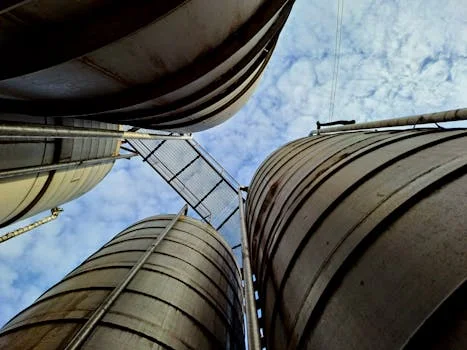
Selecting the appropriate technology requires a balance of capital expenditure (CapEx), operating expenditure (OpEx), and effluent quality requirements. Dissolved Air Flotation (DAF) systems are the gold standard for high-FOG environments like Sabah’s palm oil and food industries. DAF systems excel at removing low-density solids and oils that do not settle easily, achieving 90–95% TSS and 85–92% FOG removal. While the OpEx for DAF is moderate (RM0.15–RM0.30/m³), its ability to handle fluctuating loads makes it more resilient than traditional clarifiers in industrial settings.
Sedimentation tanks or lamella clarifiers are the most cost-effective solution for manufacturing wastewater with high-density, settleable solids. These systems achieve 60–80% TSS removal with very low OpEx (RM0.08–RM0.20/m³). However, they are generally ineffective for POME or food processing waste where particles tend to float or remain suspended. For a detailed comparison of DAF and sedimentation technologies, engineers must evaluate the specific gravity of the target contaminants.
Membrane Bioreactor (MBR) technology represents the high-performance tier of wastewater treatment. MBR systems deliver BOD levels <10 mg/L and TSS <1 mg/L, consistently outperforming Penang's industrial wastewater treatment solutions in terms of effluent clarity. The primary advantage of an Integrated MBR system for near-reuse-quality effluent in food processing and manufacturing is its compact footprint, requiring 60% less space than conventional activated sludge systems (per HydropureWater MBR product specs). While CapEx is higher (RM3.5M–RM8M), the potential for water reuse and the elimination of secondary clarifiers often justify the investment for space-constrained facilities in Sabah.
| Feature | DAF System | Lamella Sedimentation | MBR System |
|---|---|---|---|
| Best Use Case | POME, Food (FOG/TSS) | Manufacturing (Heavy Solids) | Reuse, High-Purity Discharge |
| TSS Removal | 90 – 97% | 60 – 80% | >99% |
| Footprint | Medium | Large | Very Small |
| OpEx (per m³) | RM0.15 – RM0.30 | RM0.08 – RM0.20 | RM0.50 – RM1.20 |
| Effluent Quality | Standard B / Pretreatment | Pretreatment Only | Standard A / Reuse |
Industrial Wastewater Treatment Plant Costs in Sabah: 2025 Benchmarks and ROI Calculator
Budgeting for an industrial wastewater treatment plant (WWTP) in Sabah requires accounting for both the technology tier and the scale of operation. For smaller facilities or remote sites, a WSZ series underground package plant for small to medium industrial facilities typically costs between RM1.2M and RM3.5M for capacities of 10–100 m³/day. These systems are modular and require minimal site preparation, making them ideal for manufacturing startups or small-scale food processors.
Custom-engineered systems for large-scale operations (100–1,000 m³/day), such as palm oil mills or large food manufacturing hubs, range from RM3.5M to RM8.5M. These costs include primary DAF units, anaerobic digesters, and MBR polishing stages. Operating costs in Sabah generally fall between RM0.30 and RM1.50/m³, covering energy consumption, chemical dosing (coagulants/flocculants), labor, and scheduled maintenance. Energy remains the largest OpEx component, particularly for MBR systems which consume 0.8–1.2 kWh/m³.
The Return on Investment (ROI) for modern treatment systems is driven by three primary factors: avoidance of compliance penalties (RM50,000–RM500,000/year), savings from water reuse (RM0.80–RM2.50/m³ depending on local Sabah Water Department rates), and biogas recovery in the palm oil sector. For example, a 500 m³/day palm oil mill investing RM5.2M in a DAF + anaerobic digestion + MBR system can save RM380,000/year in potential penalties and generate RM120,000/year in biogas revenue, achieving a payback period of approximately 3.5 years (HydropureWater field data, 2025).
| System Type | Capacity (m³/day) | Estimated CapEx (RM) | Est. OpEx (RM/m³) |
|---|---|---|---|
| Package Plant (WSZ) | 10 – 100 | 1.2M – 3.5M | 0.40 – 0.90 |
| DAF + Biological | 100 – 500 | 3.5M – 5.5M | 0.30 – 0.60 |
| Full MBR System | 100 – 500 | 5.0M – 8.5M | 0.80 – 1.50 |
| POME Custom System | 500+ | 6.0M – 12M+ | 0.25 – 0.50 |
Selecting a Wastewater Treatment Equipment Supplier in Sabah: 2025 Decision Framework
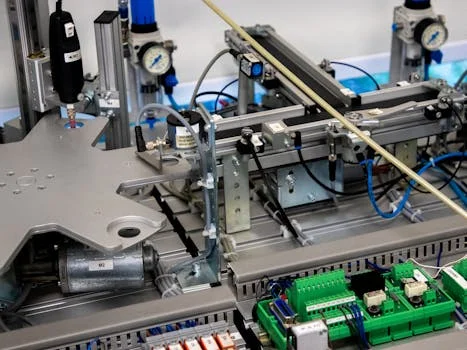
Selecting the right equipment supplier is a critical decision that impacts a facility's long-term compliance and operational stability. Engineering managers should first verify the supplier’s expertise with the Malaysian Environmental Quality (Industrial Effluent) Regulations 2009 and their specific history with the Sabah EPD. A supplier familiar with hospital wastewater treatment requirements in Malaysia or similar high-standard sectors will likely have the technical rigor required for complex industrial effluent.
Industry specialization is equally important. For palm oil mills, prioritize suppliers who offer integrated POME solutions involving anaerobic digestion and DAF systems. Local support is a non-negotiable requirement; suppliers with service centers in Kota Kinabalu or Sandakan can provide faster response times for emergency repairs and chemical replenishment, which is vital for maintaining continuous compliance. look for technology flexibility—suppliers offering containerized or modular MBR systems allow for future facility expansion without requiring a complete system overhaul.
Finally, insist on cost transparency. A professional quote should be itemized, detailing equipment costs, installation, commissioning, operator training, and a 10-year lifecycle cost projection. This transparency prevents "hidden" costs related to proprietary spare parts or specialized chemical requirements that can inflate OpEx over time.
Frequently Asked Questions
What is the largest STP in Malaysia?
The Pantai 2 Sewage Treatment Plant in Kuala Lumpur is the largest in Malaysia, handling 2.4 million population equivalent (PE) with a capacity of 1.2 million m³/day. In Sabah, the largest facility is the Kota Kinabalu STP, which services a capacity of approximately 300,000 PE (per Indah Water Konsortium 2024 data).
How is industrial wastewater treated in Sabah?
Treatment methods are industry-specific. Palm oil mills primarily use anaerobic digestion followed by DAF or aerobic ponds. Food processing facilities utilize DAF for FOG removal and MBR for organic degradation. Manufacturing plants typically use chemical precipitation and membrane filtration to remove heavy metals and inorganic solids.
Which country has the best sewage treatment plant?
Singapore’s Changi Water Reclamation Plant is globally recognized as one of the most advanced, achieving 99.9% contaminant removal and enabling 100% water reuse via the NEWater process. While Malaysia is upgrading its infrastructure with advanced MBR and biogas recovery systems, it currently lags behind Singapore in terms of total energy efficiency and automation (per PUB Singapore 2024).
What is the sewage system in Malaysia?
Malaysia employs a dual system: centralized sewerage networks in major urban areas (managed by Indah Water Konsortium) and decentralized package plants or individual septic tanks in rural and industrial zones. In Sabah, only about 40% of the population is connected to a centralized sewer network, making decentralized industrial wastewater treatment systems essential for environmental protection (per Malaysian Water Association 2023).