Why Dodoma’s Industrial Wastewater Treatment is a Compliance Crisis in 2026
The Dodoma Urban Water and Sewerage Authority (DUWASA) enforces fines between TZS 5 million and 10 million per incident for industrial facilities that discharge non-compliant effluent into the public sewer system. As Dodoma expands as Tanzania’s administrative capital, the pressure on its aging sewage infrastructure has led to aggressive enforcement of the DUWASA 2025 tariff schedule. Industrial wastewater treatment in Dodoma requires systems that meet Tanzania’s TBS effluent standards (≤50 mg/L COD, ≤30 mg/L BOD, ≤10 mg/L TSS) while handling high organic loads from slaughterhouses (COD: 3,000–5,000 mg/L) and dairies (BOD: 1,500–3,000 mg/L). Decentralized systems like MBR or DAF are ideal for Dodoma’s water-stressed environment, with CAPEX ranging from $200K for small hospitals to $5M for large slaughterhouses. DUWASA permits are now mandatory for all discharges into public sewers.
The regulatory shift in 2026 is driven by the adoption of TBS 566:2023, which aligns Tanzania’s industrial limits with stricter East African Community standards. This move is a response to the critical water scarcity in the region; Dodoma’s per capita water supply currently sits at approximately 40 liters per day, well below the World Health Organization’s minimum recommendation of 50 liters. Consequently, the government is incentivizing the reuse of treated wastewater for industrial cooling and irrigation. A notable case study from 2025 involved a major Dodoma slaughterhouse that was fined TZS 8 million after a surprise inspection revealed COD levels exceeding 150 mg/L, leading to a temporary 48-hour shutdown that cost the facility an estimated TZS 45 million in lost production. For procurement managers and plant engineers, the risk of non-compliance is no longer just a legal footnote; it is a direct threat to operational continuity.
The scarcity of water in Dodoma also means that traditional "dilution as a solution" methods are physically impossible. Industrial operators must now implement high-efficiency treatment technologies that can produce effluent clean enough for internal recycling. Failing to adapt to these 2026 standards doesn't just result in fines—it risks the revocation of DUWASA discharge permits, effectively closing the facility until a compliant wastewater treatment plant (WWTP) is commissioned and verified by TBS-accredited laboratories.
Tanzania’s Wastewater Effluent Standards: What Dodoma Industries Must Meet in 2026
TBS 566:2023 defines the legal ceiling for industrial pollutants, requiring a minimum 98% reduction in organic load for high-strength wastewater sources like slaughterhouses and dairies. For facilities located within Dodoma’s city center that connect to the public sewer, DUWASA applies a different set of standards designed to protect the biological processes at the municipal treatment plant. However, even these "relaxed" sewer limits are becoming more stringent to prevent the frequent blockages caused by fats, oils, and grease (FOG) from food processing plants.
Hospital wastewater faces an even tighter regulatory framework under TBS 567:2023. This standard focuses heavily on pathogen control, requiring a fecal coliform count of ≤1,000 CFU/100 mL and a mandatory residual chlorine level of at least 0.5 mg/L before discharge. These limits are non-negotiable for facilities like the Benjamin Mkapa Hospital or regional clinics, where the risk of cross-contamination into the local groundwater is a primary public health concern. Understanding the gap between raw influent and these target limits is the first step in engineering a compliant system.
| Parameter | TBS 566:2023 (Direct Discharge) | DUWASA 2025 (Sewer Discharge) | Slaughterhouse Influent (Typical) | Dairy Influent (Typical) |
|---|---|---|---|---|
| COD (mg/L) | ≤ 50 | ≤ 1,000 | 3,000 – 5,000 | 2,500 – 4,500 |
| BOD5 (mg/L) | ≤ 30 | ≤ 500 | 1,500 – 2,500 | 1,500 – 3,000 |
| TSS (mg/L) | ≤ 10 | ≤ 500 | 1,000 – 2,000 | 500 – 1,000 |
| FOG (mg/L) | ≤ 10 | ≤ 100 | 500 – 1,200 | 800 – 1,500 |
| pH | 6.0 – 9.0 | 6.0 – 9.0 | 6.5 – 8.0 | 4.0 – 6.5 |
Compliance in Dodoma also requires a comprehensive East African wastewater treatment compliance strategy, as regional standards are increasingly harmonized. For industries, this means that equipment purchased today must be capable of meeting future revisions that may further lower COD and nitrogen limits.
Slaughterhouse Wastewater Treatment in Dodoma: Tech-Specific Engineering Specs
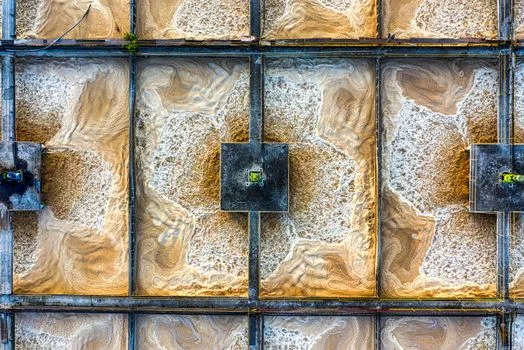
Slaughterhouse wastewater in Dodoma is characterized by extreme organic concentrations, with COD levels often reaching 5,000 mg/L due to blood, fat, and intestinal contents. Engineering a system for this application requires a multi-stage approach to prevent the rapid fouling of downstream biological processes. Dissolved Air Flotation (DAF) is the industry standard for primary treatment, specifically designed to remove the high FOG (fats, oils, and grease) and TSS loads that would otherwise overwhelm a secondary treatment stage.
Modern DAF systems for slaughterhouse and dairy wastewater in Dodoma achieve removal rates of 85–90% for COD and up to 95% for FOG. These systems operate by injecting micro-bubbles that attach to solid particles and grease, floating them to the surface for mechanical skimming. For facilities requiring direct discharge into the environment, a secondary Membrane Bioreactor (MBR) is necessary. MBR systems for hospital wastewater treatment in Dodoma and industrial applications combine aerobic digestion with ultrafiltration membranes, producing an effluent with COD < 30 mg/L, which far exceeds TBS requirements.
| Technology | COD Removal Rate | Footprint (m²/m³/h) | Energy Use (kWh/m³) | CAPEX (Relative) |
|---|---|---|---|---|
| DAF | 85 – 90% | 0.5 | 0.3 – 0.5 | Medium |
| MBR (Integrated) | 95 – 98% | 0.2 | 0.8 – 1.2 | High |
| Anaerobic (IC Reactor) | 80 – 85% | 0.8 | 0.1 – 0.2 | High |
| Activated Sludge | 90 – 92% | 1.5 | 0.6 – 0.9 | Medium |
Anaerobic systems, such as Internal Circulation (IC) reactors, are highly effective for pre-treatment in large slaughterhouses, offering the added benefit of biogas recovery. However, they cannot meet TBS limits on their own and must be followed by a DAF or aerobic polishing stage. The choice between these technologies often comes down to footprint; MBR systems are preferred in urban Dodoma where land is expensive, while larger facilities on the outskirts may opt for a combination of anaerobic reactors and aerobic lagoons.
Dairy Wastewater Treatment in Dodoma: Cost-Optimized Solutions for High-FOG Effluent
Dairy processing plants in Dodoma generate wastewater with high concentrations of lactic acid and milk fats, leading to a pH as low as 4.0 and BOD levels up to 3,000 mg/L. The primary engineering challenge here is the high FOG content, which can cause severe foaming and sludge bulking in standard aerobic reactors. A cost-optimized solution for Dodoma dairies involves a two-stage process: a DAF unit for fat recovery and pH neutralization, followed by a WSZ Series aerobic system.
By using DAF system selection for high-FOG wastewater as the first step, dairy plants can reduce the organic load by up to 70% before it reaches the biological stage. This reduces the required size of the aerobic tanks, lowering CAPEX by approximately 20%. For a dairy plant processing 30 m³/h, a DAF + aerobic setup typically costs around $800,000, compared to over $1 million for a full MBR system. This configuration also offers lower OPEX, ranging from $0.40 to $0.60 per cubic meter of treated water, as the membranes in an MBR system require frequent chemical cleaning and high aeration energy when treating dairy waste.
A recent implementation at a dairy facility in the Dodoma Industrial Area demonstrated the effectiveness of this approach. By installing a decentralized wastewater treatment for Dodoma’s water-stressed areas, the plant reduced its FOG discharge from 1,200 mg/L to just 8 mg/L. This not only ensured compliance with TBS 566:2023 but also saved the company TZS 6 million annually in DUWASA non-compliance surcharges. The modular nature of these systems allows for future expansion as production capacity increases.
Hospital Wastewater Treatment in Dodoma: Zero-Risk Disinfection for Pathogen Compliance
Hospital wastewater is a unique category that requires specialized treatment to neutralize pharmaceuticals, radioactive isotopes, and highly infectious pathogens. In Dodoma, where groundwater recharge is a common source of domestic water, the failure of a hospital disinfection system can lead to immediate public health outbreaks. Standard septic tanks are insufficient; TBS 567:2023 mandates a fecal coliform kill rate of 99.9%.
The most reliable technology for meeting these standards is the Chlorine Dioxide (ClO2) generator. Unlike liquid bleach, ClO2 is a more powerful oxidant that does not produce harmful trihalomethanes (THMs). Compact hospital wastewater treatment systems for Dodoma clinics using ClO₂ generators achieve the required coliform kill at dosages as low as 2–5 mg/L. While ozone treatment is another alternative offering 99.99% kill rates, it lacks the residual disinfection required by TBS to ensure the water remains safe as it travels through discharge pipes. For larger regional hospitals, such as the Benjamin Mkapa Hospital, constructed wetlands using Typha latifolia have been used for polishing, though these require ten times the footprint of chemical disinfection systems.
| System Type | Coliform Kill Rate | Residual Effect | OPEX ($/m³) | Footprint |
|---|---|---|---|---|
| Chlorine Dioxide | 99.9% | Yes | 0.15 – 0.25 | Very Small |
| Ozone Treatment | 99.99% | No | 0.30 – 0.45 | Small |
| UV Sterilization | 99.0% | No | 0.10 – 0.20 | Small |
| Constructed Wetlands | 90 – 95% | No | < 0.05 | Very Large |
For administrators, selecting MBR systems for hospital wastewater treatment in Dodoma provides the highest level of security, as the physical membrane barrier prevents the passage of most bacteria and viruses even before the disinfection stage. This "multi-barrier" approach is considered the gold standard for hospital wastewater treatment compliance strategies in Africa.
Dodoma Wastewater Treatment Plant Costs 2026: CAPEX, OPEX & Tech-Specific Breakdown
Budgeting for a wastewater treatment plant in Dodoma requires a clear understanding of both the initial investment (CAPEX) and the long-term operational costs (OPEX). Energy is the largest component of OPEX, accounting for 40–60% of the total monthly cost, followed by chemicals (20–30%) and labor. Because Dodoma’s electricity tariffs can be volatile, many new plants are being designed with high-efficiency blowers and automated control systems to minimize power consumption.
CAPEX for industrial systems is largely determined by the influent strength and the required effluent quality. A slaughterhouse requiring direct discharge (TBS limits) will spend significantly more than a hospital discharging into a DUWASA sewer. However, investing in a decentralized wastewater treatment for Dodoma’s water-stressed areas can reduce DUWASA permit fees by up to 40%, as these facilities place less strain on the municipal network. anaerobic pre-treatment can reduce the size and energy requirements of subsequent aerobic stages by up to 30%, providing a return on investment within 3–5 years through energy savings and biogas production.
| Industry | System Type | Flow Rate (m³/h) | CAPEX Range (USD) | OPEX ($/m³) |
|---|---|---|---|---|
| Slaughterhouse | DAF + Aerobic | 50 – 150 | $1.2M – $3.0M | 0.45 – 0.65 |
| Dairy | DAF + Aerobic | 30 – 100 | $0.8M – $2.0M | 0.40 – 0.60 |
| Hospital | MBR | 10 – 30 | $200K – $500K | 0.70 – 0.90 |
| General Industrial | WSZ Underground | 5 – 50 | $150K – $600K | 0.30 – 0.50 |
To avoid overpaying for oversized systems, procurement managers should insist on a detailed influent characterization. Designing a system based on "average" slaughterhouse data can lead to failure during peak production hours, whereas over-engineering for the absolute maximum load can lead to an unnecessarily high CAPEX. The goal is a balanced design that utilizes modular components like DAF systems which can be scaled as the facility grows.
How to Select a Wastewater Treatment System for Dodoma: A Zero-Risk Decision Framework
Selecting the wrong treatment system in Dodoma often leads to a cycle of fines and costly retrofits. To mitigate this risk, plant engineers should follow a structured six-step selection process that prioritizes local regulatory compliance and site-specific constraints.
- Characterize Influent: Conduct comprehensive lab testing over a 7-day production cycle. In Dodoma, use TBS-accredited laboratories like the University of Dodoma (UDOM) or the Water Development and Management Institute (WDMI) to measure COD, BOD, TSS, and FOG.
- Match Effluent Limits: Determine if your facility will discharge into a DUWASA sewer or directly into the environment. Use the compliance matrix in this guide to set your target parameters.
- Evaluate Site Constraints: Assess available footprint and power stability. If land is limited, prioritize MBR. If power is expensive, look for high-efficiency DAF and anaerobic options.
- Compare Tech Options: Use the removal rate and cost tables provided above to shortlist two technologies. For example, a dairy should compare DAF + Aerobic vs. a full MBR system.
- Pilot Testing: For large-scale investments (>$1M), request a pilot-scale unit from the vendor to verify removal rates on your actual wastewater. This is the only way to guarantee TBS compliance before full-scale commissioning.
- Secure DUWASA Permit: Submit your engineering designs to DUWASA for approval. Decentralized systems may qualify for a 40% discount on permit fees if they are located more than 1 km from the nearest sewer main.
For more detailed guidance on specific food processing applications, refer to our guide on DAF system selection for high-FOG wastewater, which outlines the engineering principles that apply to both dairy and meat processing.
Frequently Asked Questions
Q: What are the penalties for non-compliance with TBS effluent standards in Dodoma?
A: DUWASA fines range from TZS 5 million to 10 million per incident for sewer blockages or effluent violations. Under the 2025 tariff schedule, repeat offenders risk the permanent revocation of their discharge permit and potential criminal charges for environmental damage.
Q: Can slaughterhouse wastewater be treated with anaerobic systems alone?
A: No. While anaerobic systems are excellent for removing 80–85% of COD, the remaining effluent still contains 500–700 mg/L of COD, which is far above the TBS limit of ≤50 mg/L. A two-stage system, typically involving anaerobic pre-treatment followed by DAF or aerobic polishing, is mandatory for compliance.
Q: How much does a 50 m³/h DAF system cost for a dairy in Dodoma?
A: A DAF system for this capacity typically has a CAPEX of $250,000 to $350,000. Operational costs (OPEX) average $0.40–$0.60 per cubic meter. These figures include the skid-mounted DAF unit, dosing pumps, and basic automation, but exclude civil works and installation.
Q: What disinfection system is best for hospital wastewater in Dodoma?
A: Chlorine dioxide generators are the preferred choice. They provide a 99.9% coliform kill rate and leave a residual disinfectant that meets TBS 567:2023 requirements. They are also 20–30% more cost-effective to operate than ozone systems in the Tanzanian market.
Q: Does DUWASA require permits for decentralized wastewater treatment systems?
A: Yes. All facilities, including those using decentralized underground plants like the WSZ Series, must obtain a DUWASA discharge permit. However, decentralized systems that treat water to TBS reuse standards may qualify for significant reductions in annual permit fees.