Advanced packaging wastewater treatment equipment must achieve COD removal >95% and BOD₅ removal >92% to meet China’s GB 8978-1996 discharge limits (≤100 mg/L COD, ≤30 mg/L BOD). For high-strength effluent (COD 800–3,000 mg/L), membrane bioreactors (MBRs) deliver near-reuse-quality effluent (<1 μm filtration) but require 30–50% higher CAPEX than dissolved air flotation (DAF) systems, which excel at FOG/oil removal (90–95% efficiency). Sequencing batch reactors (SBRs) offer a mid-range option with 85–90% COD removal and lower energy costs. Equipment selection hinges on influent parameters, footprint constraints, and compliance targets—this guide provides 2025 engineering specs, cost benchmarks, and a zero-risk decision framework.
Why Packaging Wastewater Fails Compliance: COD, BOD, and Suspended Solids Breakdown
Typical packaging wastewater parameters vary significantly by sub-sector, with food packaging often exceeding 3,000 mg/L COD and paper pulp facilities reaching 5,000 mg/L suspended solids (SS). The complexity of these effluent streams—characterized by high molecular weight polymers from adhesives, synthetic dyes from inks, and fibrous particulate matter—makes conventional treatment methods insufficient for meeting modern environmental mandates. In many industrial corridors, failure to address these parameters leads to escalating fines and operational halts.
According to HydropureWater case data and EPA 2023 industrial effluent guidelines, the packaging industry faces distinct challenges based on the materials processed. Food packaging plants struggle with high organic loads and Fats, Oils, and Grease (FOG), which can rapidly foul biological systems. Paper and pulp facilities deal with extreme SS concentrations and lignin-derived COD that resists standard aerobic digestion. Chemical packaging facilities often present the most volatile profiles, with pH swings from 2 to 12 and COD concentrations reaching 8,000 mg/L due to solvent residues.
Compliance is strictly governed by standards such as China’s GB 8978-1996 and the EU Urban Waste Water Directive 91/271/EEC. Under GB 8978-1996, the Class 1 discharge limit for COD is ≤100 mg/L, while BOD must be ≤30 mg/L. The EU directive sets even more stringent targets for sensitive areas, often requiring COD levels below 50 mg/L. Common compliance failures occur when plants use undersized clarifiers for paper pulp fibers or fail to pre-treat FOG in food packaging, leading to "grease-blinding" of downstream filters or membranes.
A recent case study from a Shandong corrugated box plant illustrates these risks. The facility was discharging effluent with a COD of 1,200 mg/L, far exceeding the 100 mg/L limit. By implementing a combined DAF and MBR system, the plant reduced COD to 80 mg/L and SS to <10 mg/L. This technical upgrade reduced environmental fines by 70% within the first year of operation (HydropureWater 2024 project data).
| Packaging Sub-Sector | COD (mg/L) | BOD (mg/L) | SS (mg/L) | Target Compliance (GB 8978) |
|---|---|---|---|---|
| Food Packaging | 500–3,000 | 300–1,800 | 200–800 | COD ≤100, BOD ≤30 |
| Paper & Pulp | 1,500–5,000 | 600–2,000 | 500–2,000 | COD ≤100, SS ≤70 |
| Chemical Packaging | 2,000–8,000 | 800–3,500 | 300–1,000 | COD ≤100, pH 6–9 |
Advanced Treatment Technologies for Packaging Wastewater: MBR vs DAF vs SBR
A head-to-head comparison of advanced treatment technologies reveals that Membrane Bioreactors (MBR) achieve the highest effluent quality, while Dissolved Air Flotation (DAF) provides superior removal of fats, oils, and grease (FOG) at a lower initial investment. Each technology serves a specific niche within the packaging industry, and selection must be dictated by the specific contaminants present in the influent stream.
Membrane Bioreactors (MBR) represent the pinnacle of biological treatment for packaging effluent. By combining an activated sludge process with microfiltration or ultrafiltration membranes, MBR systems for packaging wastewater achieve COD removal rates of 95–98% and SS removal of 99%. The resulting effluent is of such high quality (<1 μm filtration) that it is often suitable for non-potable reuse, such as cooling tower make-up or floor wash-down. However, MBRs are capital-intensive, with CAPEX ranging from $1.2M to $5M for plants processing 100–500 m³/day, and they require rigorous maintenance to manage membrane fouling.
Dissolved Air Flotation (DAF) is the preferred primary or secondary treatment for food packaging wastewater. DAF systems for FOG-heavy packaging wastewater work by injecting micro-bubbles into the water, which attach to suspended solids and oils, floating them to the surface for skimming. This technology is exceptionally effective at removing FOG (90–95%) and SS (85–92%). While the CAPEX is lower ($500K–$2M), operational costs are higher due to the continuous need for coagulants and flocculants. For more details on sizing, refer to this DAF clarifier selection guide for packaging plants.
Sequencing Batch Reactors (SBR) offer a versatile, batch-process alternative to continuous flow systems. SBRs handle all steps of the activated sludge process—fill, react, settle, and decant—within a single tank. This reduces the need for external clarifiers. While COD removal (85–90%) is lower than MBR, SBRs are more resilient to shock loads and have lower energy requirements. They are ideal for plants with sufficient land area but limited capital for high-end membrane systems.
| Metric | MBR (Membrane Bioreactor) | DAF (Dissolved Air Flotation) | SBR (Sequencing Batch Reactor) |
|---|---|---|---|
| COD Removal | 95–98% | 70–85% | 85–90% |
| SS Removal | >99% | 85–92% | 85–90% |
| FOG Removal | Moderate (Risk of fouling) | 90–95% | Low |
| Footprint | Smallest (0.5 m²/m³) | Medium (1.2 m²/m³) | Largest (2.0 m²/m³) |
| CAPEX (100-500 m³/d) | $1.2M – $5M | $500K – $2M | $800K – $3M |
How to Select the Right Equipment: Decision Matrix for Packaging Plants
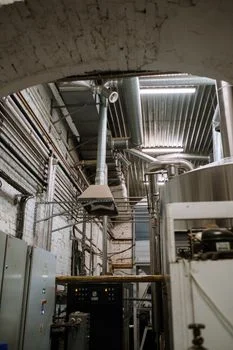
Selecting the appropriate wastewater treatment system requires a four-step engineering evaluation that balances influent variability against discharge limits and available plant footprint. A miscalculation at the selection stage can lead to permanent compliance failures or excessive OPEX that erodes manufacturing margins. Engineers should prioritize a data-driven approach, starting with a comprehensive effluent characterization.
Step 1: Influent Characterization. You must measure COD, BOD, SS, FOG, and pH over a minimum 7-day period to capture the variability of production cycles. Use composite sampling (EPA Method 1684) rather than grab samples, as packaging plants often have high-strength "dumps" during wash-down shifts. Step 2: Compliance Mapping. Compare your local discharge limits (e.g., GB 8978 or EU 91/271/EEC) against the proven removal efficiencies of each technology. If your target is COD <50 mg/L for water reuse, MBR is virtually the only viable option. For more on regional standards, see this guide to compliance-focused wastewater treatment for packaging plants.
Step 3: Evaluate Constraints. Footprint is often the deciding factor in urban packaging plants. MBR systems require 50–70% less space than SBRs because they eliminate the need for secondary clarifiers. However, if energy costs are the primary concern, SBRs or DAFs may be preferable. Step 4: Pilot Testing. Never commit to a full-scale installation without a 30–60 day pilot trial. Pilot units (1–5 m³/day) provide critical data on membrane fouling rates for MBRs or the specific chemical dosages required for DAF systems. This stage is crucial for ensuring the system can handle the specific adhesives or inks used in your facility, as seen in these food packaging wastewater treatment case studies.
| If your primary challenge is... | And your footprint is... | And your budget is... | Recommended Technology |
|---|---|---|---|
| High COD (>2,000 mg/L) & Reuse Goals | Very Limited | Flexible ($1M+) | MBR |
| High FOG/Oils (>500 mg/L) | Moderate | Conservative (<$1M) | DAF |
| Variable Organic Loads | Ample | Mid-range | SBR |
| High SS from Paper Fibers | Moderate | Conservative | DAF + SBR |
CAPEX and OPEX Breakdown: What to Budget for Packaging Wastewater Treatment
Total investment for industrial-scale packaging wastewater systems ranges from $50,000 for modular DAF units to over $5 million for large-scale, automated MBR plants processing 500 m³/day. Understanding the split between initial capital expenditure (CAPEX) and ongoing operational expenditure (OPEX) is vital for calculating the Total Cost of Ownership (TCO) and building a viable business case for procurement.
CAPEX includes the cost of the primary treatment units, equalization tanks, installation, and commissioning. For a 300 m³/day facility, an MBR system typically costs between $2.5M and $3.5M. In contrast, a DAF system for the same capacity might cost $1.2M to $1.8M. However, DAF systems require significant auxiliary equipment, such as chemical dosing for DAF and SBR systems, which can add $100K to the initial price. all systems require sludge management, often necessitating a sludge dewatering for packaging wastewater treatment to reduce disposal volumes and costs.
OPEX is driven by energy consumption, chemical usage, and maintenance. MBR systems have the highest energy demand (0.8–1.5 kWh/m³) due to the air scouring required to prevent membrane fouling. DAF systems have lower energy needs but high chemical costs (up to $0.60/m³ for polymers). SBRs generally offer the lowest OPEX ($0.40–$1.00/m³) but require more manual oversight. ROI can be achieved through water reuse savings and the avoidance of compliance fines, which can exceed $100,000 per year in strictly regulated zones. For example, a Zhejiang-based paper plant achieved a 3.5-year payback by switching to MBR and reusing 60% of their treated effluent (HydropureWater 2023 data).
| Cost Component (per m³) | MBR System | DAF System | SBR System |
|---|---|---|---|
| Energy Consumption | $0.40 – $0.70 | $0.15 – $0.30 | $0.20 – $0.40 |
| Chemical Dosing | $0.05 – $0.15 | $0.30 – $0.65 | $0.10 – $0.25 |
| Maintenance/Parts | $0.35 – $0.65 | $0.05 – $0.15 | $0.10 – $0.35 |
| Total OPEX/m³ | $0.80 – $1.50 | $0.50 – $1.10 | $0.40 – $1.00 |
Zero-Risk Procurement Checklist: 10 Steps to Avoid Costly Mistakes
Successful procurement of industrial wastewater systems hinges on 10 critical verification steps, including performance-based pilot testing and 3-year membrane integrity warranties. Because packaging wastewater is chemically complex, generic equipment often fails within the first six months of operation. Use this checklist to vet vendors and ensure long-term compliance.
- 1. Vendor Track Record: Request at least three references from packaging plants with similar effluent profiles (e.g., corrugated box vs. plastic film).
- 2. Performance Guarantees: Ensure the contract includes liquidated damages if the system fails to meet COD/BOD limits during the first year.
- 3. Pilot Testing: Mandate a 30-day on-site trial. Do not rely on lab-scale beaker tests.
- 4. Compliance Future-Proofing: Verify that the system can meet tighter future standards (e.g., shifting from GB 8978 Class 2 to Class 1).
- 5. Membrane Warranty (MBR): Require a minimum 3-year warranty against fouling and structural failure, including a cap on replacement costs.
- 6. Automation & IoT: Ensure the system uses PLC controls with remote monitoring capabilities to reduce on-site labor costs.
- 7. Chemical Optimization: For DAF systems, require the vendor to specify maximum chemical dosages (e.g., ≤0.8 kg/m³) to control OPEX.
- 8. Sludge Management: Confirm the system includes integrated dewatering, such as a filter press, to manage the 1-3% solids generated.
- 9. Operator Training: Demand a minimum of 5 days of on-site technical training for your plant's engineering team.
- 10. Spare Parts Availability: Secure a 10-year guarantee on the availability of critical components like pumps, sensors, and membranes.
Frequently Asked Questions
What is the best equipment for high-COD paper packaging wastewater?
A combination of DAF for primary solids removal followed by an MBR system is the most effective. This setup addresses both the high suspended solids from fibers and the dissolved organic loads from adhesives and starches, ensuring compliance with GB 8978-1996.
How often do MBR membranes need to be replaced in packaging plants?
With proper Clean-in-Place (CIP) protocols every 3–6 months, high-quality PVDF membranes in an MBR system typically last 5 to 7 years. Excessive FOG or harsh chemical dumps can shorten this lifespan significantly.
Can DAF systems alone meet discharge limits for food packaging?
Rarely. While DAF is excellent at removing FOG and SS, it typically only removes 70–85% of COD. In most cases, a biological secondary treatment like SBR or MBR is required to meet the <100 mg/L COD limit required by most environmental agencies.
What are the hidden costs of industrial wastewater systems?
The most common hidden costs are equalization tank construction ($50K–$200K), sludge disposal fees (which can double if dewatering is inefficient), and the cost of specialized labor for membrane maintenance.