How to Remove Phosphorus from Wastewater
Plants remove phosphorus from wastewater with chemical precipitation, enhanced biological phosphorus removal (EBPR), or hybrid trains that add filtration or membranes. Chemical dosing with alum or ferric salts routinely reaches effluent total phosphorus (TP) below 1.0 mg/L. EBPR typically removes 80–90% of TP when BOD:TP stays above 20:1. Combined chemical-biological systems regularly exceed 95% TP removal under stable load.
Two-point metal-salt dosing in primary and secondary clarification can cut chemical use by 20–30% on high-phosphate industrial streams while holding the same effluent target. This guide compares mechanisms, efficiency ranges, footprint, and design sequence for municipal and industrial plants that must meet permit limits.
Why Phosphorus Limits Drive Treatment Choice
Phosphorus fuels eutrophication in lakes and rivers, driving algal blooms that deplete dissolved oxygen and impair water quality. Anthropogenic sources account for over 40% of phosphorus discharged into watercourses, so treatment plants remain a primary control point. Effluent TP limits often sit below 1.0 mg/L, and some receiving waters demand still lower values under the EU Urban Waste Water Directive 91/271/EEC and U.S. Clean Water Act programs.
According to U.S. EPA NPDES nutrient training (2022), secondary treatment standards in 40 CFR Part 133 do not set a national technology-based TP limit for POTWs. Phosphorus limits in U.S. permits therefore come from water-quality-based requirements or state performance standards. Wisconsin, for example, applies a 1 mg/L monthly average TP performance standard for POTWs discharging more than 150 lb/month of TP. Food processing, chemical manufacturing, and municipal plants that miss these limits face fines, curtailment, and remediation cost.
Chemical Precipitation: Fast, Reliable Phosphorus Control
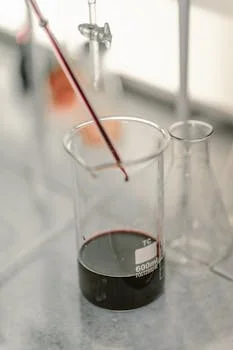
Chemical precipitation uses metal salts to form insoluble phosphate solids that clarifiers or filters then separate. Common coagulants include alum (aluminum sulfate), ferric chloride, ferrous sulfate, and lime, which react with orthophosphate to form aluminum phosphate or ferric phosphate. Alum can remove 90–95% of soluble phosphate at pH 5.5–6.5, while ferric chloride works across pH 4.5–7.0.
On high phosphate loads, dosing ahead of the primary clarifier and again before the secondary clarifier raises removal and can reduce overall chemical consumption by 20–30%. Overdosing raises OPEX and sludge mass, so plants rely on PLC-controlled chemical dosing for precise phosphorus precipitation to hold residual TP without excess sludge.
How much ferric chloride removes phosphorus?
Ferric chloride dose cannot be fixed from 3.89 mg of phosphorus alone; you need concentration, flow, and a design Fe:P ratio verified by jar tests. Plant engineers normally work in mg/L TP and m3/d (or US gpd), then convert the daily phosphorus mass to chemical mass after selecting a molar Fe:P ratio above the stoichiometric 1:1 FePO4 baseline.
How is ferric dose calculated from phosphorus data?
Ferric dose is calculated from measured TP (mg/L), treated flow (m3/d or US gpd), and a jar-tested Fe:P molar ratio above the 1:1 FePO4 stoichiometry. Multiply daily phosphorus mass by the chosen mass ratio, then adjust for orthophosphate fraction and competing demand. Online residual phosphate readings close the loop so operators trim dose without excess sludge.
Biological Phosphorus Removal: Lower Chemical Demand
Enhanced biological phosphorus removal (EBPR) uses phosphate-accumulating organisms (PAOs) cycled through anaerobic and aerobic zones. Under anaerobic conditions, PAOs release phosphorus while consuming volatile fatty acids (VFAs). In the following aerobic stage, the same organisms take up more phosphorus than they released and store it as intracellular polyphosphate.
EBPR systems typically achieve 80–90% phosphorus removal in municipal and selected industrial wastewaters when VFA supply stays stable. A BOD:TP ratio greater than 20:1 is the usual screening rule for carbon adequacy. EBPR weakens in high-toxicity streams or low-carbon effluents such as some pharmaceutical and textile wastes. Many BNR plants therefore keep a chemical trim ready, or move polishing into a compact MBR system for high-efficiency biological and physical phosphorus removal when space and reuse quality matter.
Advanced and Hybrid Phosphorus Removal Technologies
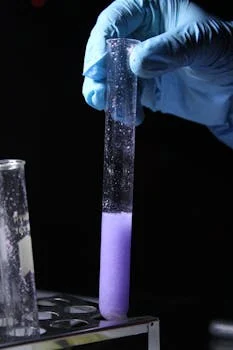
Membrane bioreactor (MBR) systems couple biological treatment with 0.1 μm PVDF ultrafiltration and can hold effluent TP below 0.1 mg/L when chemical assist is available. Dissolved air flotation (DAF) with coagulation removes colloidal and particulate phosphorus and achieves 92–97% TSS removal in food-processing and petrochemical pretreatment. Tertiary multi-media filters or lamella clarifiers after secondary treatment consistently reduce TP to below 0.3 mg/L. Reverse osmosis (RO) can reject 95–99% of dissolved phosphates for high-purity reuse, at higher energy cost.
| Technology | Primary Mechanism | Typical TP Removal Efficiency | Target Effluent TP (mg/L) | Key Application Benefits |
|---|---|---|---|---|
| MBR (with chemical assist) | Biological + Ultrafiltration | >98% | <0.1 | Small footprint, high effluent quality, robust for reuse |
| DAF (with coagulation) | Coagulation/Flocculation + Flotation | 80-90% (particulate P) | 0.5-1.0 (pre-treatment) | Effective for high TSS/FOG, industrial pretreatment |
| Tertiary Filtration (Multi-Media) | Physical Filtration | 50-70% (post-secondary) | <0.3 | Effluent polishing, removes fine particulates |
| Reverse Osmosis (RO) | Membrane Separation | 95-99% (dissolved P) | <0.01 | High-purity water for reuse, energy-intensive |
Comparison of Phosphorus Removal Methods
Method selection turns on influent TP speciation, permit target, CAPEX, OPEX, and available footprint. Chemical precipitation suits effluent TP goals below 1.0 mg/L, high phosphate spikes, and retrofit projects: CAPEX is relatively low, while chemical and sludge disposal dominate OPEX. EBPR lowers chemical spend when carbon and toxicity allow stable PAO activity, but it is less forgiving on variable industrial loads. Hybrid trains that combine chemical trim, EBPR, and MBR or DAF often exceed 95% TP removal and fit reuse or ultra-low permits. MBR layouts can cut overall plant footprint by up to 60% versus conventional activated sludge.
| Method | Typical TP Removal Efficiency | Effluent TP Goal (mg/L) | CAPEX (Relative) | OPEX (Relative) | Footprint (Relative) | Compliance Readiness | Key Considerations |
|---|---|---|---|---|---|---|---|
| Chemical Precipitation | 85-95% | <1.0 | Low-Medium | High (chemicals, sludge) | Medium | Good for <1.0 mg/L | Chemical storage, sludge handling, pH control |
| Enhanced Biological (EBPR) | 80-90% | 1.0-2.0 | Medium | Low (energy, less chemicals) | Medium-Large | Good for moderate limits | Influent BOD:TP ratio, toxicity sensitivity, stable operation |
| Hybrid (Chemical + EBPR + MBR/DAF) | >95% | <0.1 | High | Medium-High | Small (MBR) | Excellent for stringent limits | Complex integration, higher initial investment, skilled operation |
Designing a Complete Phosphorus Removal System
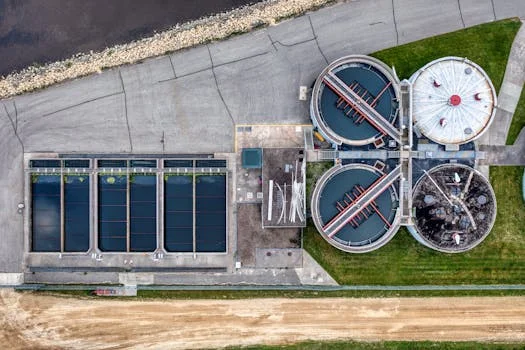
A reliable phosphorus train starts with fine screening so debris never reaches pumps or membranes. Removing solids and FOG early protects coagulation chemistry and cuts particulate phosphorus load. A GX Series rotary bar screen is a typical primary barrier before dosing and clarification.
Chemical dosing for phosphate precipitation can sit ahead of a DAF or clarifier. A DAF unit such as HydropureWater's then captures flocculated solids and FOG, removing much of the particulate phosphorus before the biological stage. Flow then enters EBPR basins or an MBR for soluble-P uptake and solids separation. Lamella clarification or multi-media filtration polishes residual particulates, and a chlorine dioxide generator disinfects without adding phosphorus to the effluent.
Selection checklist
- Confirm permit TP (mg/L), averaging period, and any seasonal or load-based triggers.
- Measure soluble orthophosphate versus particulate and organic phosphorus fractions.
- Check BOD:TP and available VFAs before committing to EBPR-only designs.
- Estimate sludge mass and disposal cost for the planned metal-salt dose.
- Match footprint and reuse goals to DAF, tertiary filters, or MBR polishing.
- Plan online TP or phosphate analyzers and jar-test protocols for dose control.
- Verify chemical storage, pH control, and redundancy for peak industrial loads.
Who this is for: municipal and industrial plants targeting TP at or below 1.0 mg/L, or reuse trains that need still lower residuals. Who should look elsewhere: sites whose only need is coarse solids removal with no phosphorus permit driver. Next step: share flow, influent TP speciation, and the permit limit when you Request a free quote so the process train and chemical trim can be sized to your data.
Frequently Asked Questions
What chemical removes phosphates from water?
Alum (aluminum sulfate), ferric chloride, and ferrous sulfate are the main chemicals used to remove phosphates from water. They form insoluble metal-phosphate precipitates that clarifiers, DAF units, or filters separate from the flow. Lime is an option when pH elevation fits the rest of the process. Dose control and sludge handling decide long-term cost more than the salt brand alone.
Does aeration remove phosphorus?
Aeration alone does not remove phosphorus from the liquid. Aerobic conditions support PAO growth and the luxury uptake step in EBPR, but phosphorus release and carbon uptake must occur first in an anaerobic zone. Without that anaerobic-aerobic cycle, or without chemical precipitation, air addition will not meet a TP permit by itself.
How to remove phosphorus from wastewater naturally?
EBPR is the main “natural” engineered route: anaerobic-aerobic cycling lets PAOs store phosphorus in biomass that leaves with waste sludge. The process needs a stable VFA or BOD supply, typically a BOD:TP ratio above 20:1, and low toxicity. Constructed wetlands can polish low loads, but most industrial and municipal permits still rely on EBPR, chemicals, or both.
What is the most efficient method to remove phosphorus?
Hybrid systems that combine chemical dosing with biological treatment and membrane or tertiary filtration are the most efficient for ultra-low targets. They routinely exceed 95% TP removal and can hold effluent below 0.1 mg/L when MBR or equivalent solids separation is included. Pure chemical or EBPR trains remain appropriate when the permit and influent allow simpler OPEX profiles.
Can DAF remove phosphorus?
Yes. DAF removes phosphorus when coagulation first binds orthophosphate and colloidal solids into floatable floc. With proper coagulant dose, DAF typically removes 80–90% of particulate and colloidal phosphorus and is widely used on high-TSS or high-FOG industrial pretreatment before biological stages. Soluble phosphorus still needs biological uptake or additional chemical trim downstream.