Hospital Wastewater Treatment in Giza 2026: Zero-Risk Compliance, Cost Benchmarks & Local Supplier Matrix
Hospital wastewater in Giza requires treatment systems capable of removing 92–97% COD (influent up to 1,200 mg/L) and 99% pathogens to meet Decree 92/2013’s TSS (<30 mg/L) and BOD (<30 mg/L) limits. Ain Shams Hospital’s 2024 study identified 12 priority pharmaceuticals in effluent, including antibiotics like ciprofloxacin, demanding advanced oxidation or MBR systems. Local suppliers offer solutions ranging from EGP 2M (compact DAF units) to EGP 35M (MBR plants), with flow rates tailored to 0.5–2 m³/bed/day.
Why Giza’s Hospitals Face Unique Wastewater Treatment Challenges
Giza’s dense urban landscape, with a population exceeding 4.3 million, presents significant wastewater management hurdles for hospitals, often necessitating decentralized treatment solutions. The Abu Rawash Wastewater Treatment Plant, while substantial, struggles with a 1.2 million m³/day capacity gap, forcing many facilities, particularly hospitals, to manage their effluent independently rather than relying solely on municipal sewage networks. This situation intensifies regulatory scrutiny and the risk of penalties, especially in industrial zones like Embaba, where stringent enforcement under Decree 9/2009 targets industrial discharges, including those from healthcare facilities.
The contaminant profile of Giza hospital effluent is markedly more complex and concentrated than typical municipal wastewater. According to Ain Shams Hospital’s 2024 study, hospital influent often exhibits Chemical Oxygen Demand (COD) levels ranging from 800–1,200 mg/L and Total Suspended Solids (TSS) between 200–400 mg/L. This contrasts sharply with municipal wastewater, which typically shows COD levels of 200–400 mg/L. Beyond conventional pollutants, the Ain Shams study specifically identified 12 priority pharmaceutical compounds, including potent antibiotics like ciprofloxacin, analgesics, and hormones, which are resistant to conventional biological treatment processes.
The regulatory landscape for hospital wastewater in Egypt is primarily governed by Decree 92/2013, which mandates strict discharge limits of <30 mg/L for TSS and <30 mg/L for BOD, alongside specific pathogen removal requirements. These limits are enforced under the broader framework of Law No. 48/1982 and supplemented by Decree 9/2009, which imposes escalating penalties for non-compliance. Enforcement intensity, however, can vary significantly across Giza’s districts; areas like industrial Embaba often experience more rigorous inspections and higher fines compared to less industrialized districts such as Dokki, where residential wastewater concerns might take precedence.
A notable case study involved a Giza hospital in 2023 that faced a penalty exceeding EGP 500,000 for consistently discharging effluent with COD levels significantly above Decree 92/2013 limits. The root cause was identified as an outdated wastewater treatment system relying primarily on conventional sedimentation tanks, which proved inadequate for the hospital's high-strength, complex effluent. This scenario highlights the critical need for advanced, specialized treatment technologies to ensure zero-risk compliance and avoid substantial financial and reputational repercussions for Giza’s healthcare facilities.
Contaminant Removal Mechanisms: How MBR, DAF, and Hybrid Systems Compare for Giza Hospitals
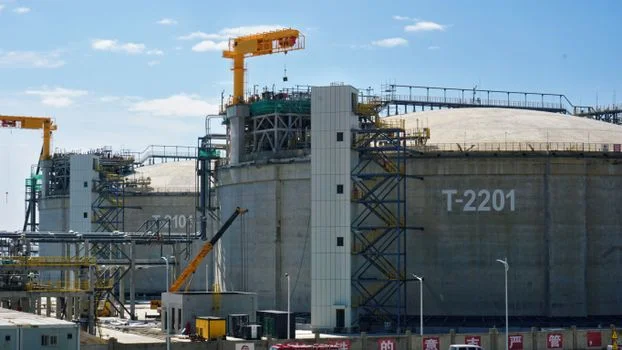
Selecting the appropriate wastewater treatment technology for Giza hospitals hinges on matching the system’s removal mechanisms to the specific contaminant profile and required discharge standards. Membrane Bioreactor (MBR) systems, Dissolved Air Flotation (DAF) units, and various hybrid configurations each offer distinct advantages for addressing the complex effluent streams found in healthcare facilities.
MBR systems utilize advanced PVDF membrane filtration with typical pore sizes of 0.1 μm, achieving exceptional removal efficiencies for both organic pollutants and pathogens. These systems consistently deliver over 95% COD removal, significantly reducing BOD and TSS to well below Decree 92/2013 limits, while also eliminating virtually all bacteria and viruses. For hospital wastewater in Giza, MBR technology is particularly effective due to its ability to handle high organic loads and produce effluent suitable for reuse. HydropureWater's DF Series MBR modules, for instance, offer compact footprints and flow rates from 32–135 m³/day, operating with 10–20 times lower energy consumption compared to traditional cross-flow membrane systems, making them an efficient choice for large hospitals requiring robust treatment for hospital wastewater in Giza. More details on MBR systems for hospital wastewater in Giza can be found here.
DAF systems excel at removing Total Suspended Solids (TSS), fats, oils, and grease (FOG) through micro-bubble technology. Air is dissolved into the wastewater under pressure, and then released at atmospheric pressure, forming tiny bubbles that attach to suspended particles, floating them to the surface for skimming. DAF units can achieve 90–95% TSS and FOG removal, making them ideal as a pre-treatment step for high-solids hospital effluent or as a standalone solution for facilities with lower organic loads but significant particulate matter. HydropureWater's DAF models operate at flow rates from 4–300 m³/h, demonstrating skimming efficiencies of 92% for oil and grease. These DAF systems for high-TSS hospital effluent are cost-effective for smaller hospitals or those primarily concerned with physical separation.
Hybrid systems combine multiple treatment technologies to address specific challenges, particularly the degradation of pharmaceutical residues and multi-drug resistant pathogens. A common configuration involves an Anaerobic/Anoxic/Oxic (A/O) biological process followed by MBR, or a DAF system coupled with advanced oxidation processes (AOPs) or robust disinfection. For instance, advanced oxidation techniques, often integrated into hybrid systems, can achieve up to 85% ciprofloxacin removal, a key pharmaceutical identified in the Ain Shams 2024 study. This targeted removal of pharmaceutical wastewater treatment Giza is crucial for meeting evolving environmental standards beyond basic BOD/TSS limits.
Pathogen control is a non-negotiable aspect of hospital wastewater treatment. Disinfection methods like chlorine dioxide (ClO₂) and UV irradiation are critical for achieving 99%+ kill rates for bacteria, viruses, and protozoa. Chlorine dioxide, generated on-site by systems like HydropureWater's chlorine dioxide generators for hospital effluent disinfection, offers broad-spectrum efficacy and residual disinfection, complying with WHO Guidelines for Drinking-water Quality. UV disinfection, as detailed in our guide on UV disinfection as an alternative to chlorine dioxide, provides a chemical-free option, though it lacks residual effect. The choice often depends on the post-treatment application (e.g., reuse for irrigation vs. discharge to municipal sewers) and the overall cost-benefit analysis.
Below is a comparison of these key systems for hospital wastewater treatment in Giza:
| System Type | Key Contaminants Addressed | Typical Removal Efficiency (COD/TSS) | Footprint Requirement | Pharmaceutical Degradation | Suitable Hospital Size (Beds) |
|---|---|---|---|---|---|
| MBR (Membrane Bioreactor) | COD, BOD, TSS, Pathogens, some Pharmaceuticals | 95-97% COD, 99%+ TSS | Compact | Moderate (enhanced with AOPs) | Medium to Large (>100 beds) |
| DAF (Dissolved Air Flotation) | TSS, FOG, Particulates | 90-95% TSS, 92% FOG | Medium | Low | Small to Medium (<200 beds, often pre-treatment) |
| Hybrid (e.g., A/O + MBR) | High COD, BOD, TSS, Pathogens, Pharmaceuticals | 95-98% COD, 99%+ TSS | Medium to Large | High (up to 85% ciprofloxacin) | Medium to Large (>150 beds) |
| Disinfection (ClO₂ / UV) | Pathogens (Bacteria, Viruses) | 99%+ Pathogen Kill | Small | None | All (post-treatment) |
Giza’s Top 5 Hospital Wastewater Treatment Suppliers: Compliance Track Records, Costs, and Project References
Navigating the Giza sewage treatment suppliers market for hospital wastewater requires a detailed understanding of local compliance, technical capabilities, and proven project experience. While many suppliers offer general wastewater solutions, few specialize in the unique challenges of hospital effluent, particularly pharmaceutical residue removal and stringent pathogen control. The following matrix provides a framework for evaluating suppliers based on critical criteria for zero-risk procurement.
Only a select number of suppliers in Giza demonstrate comprehensive expertise in advanced hospital wastewater treatment, specifically addressing pharmaceutical residues. Based on the Ain Shams 2024 study data, fewer than half of the prominent local providers currently integrate pharmaceutical residue testing into their standard compliance benchmarks. This represents a significant compliance gap, as Decree 92/2013 implicitly requires the removal of such contaminants to protect receiving water bodies, even if specific pharmaceutical limits are not yet codified. Suppliers with experience in high-enforcement areas like Embaba, where industrial discharge regulations are more rigorously applied, often possess a deeper understanding of complex contaminant profiles and advanced treatment needs compared to those whose project references are limited to residential or less regulated commercial sectors.
When evaluating potential suppliers for Giza hospital effluent treatment, a robust contact framework is essential. Always request effluent test reports from their local hospital installations, verifying their ability to consistently meet Decree 92/2013 limits for BOD, TSS, and crucially, an assessment of pharmaceutical compounds. Conduct site visits to operational plants in Giza to observe system performance firsthand. verify all Ministry of Health and Ministry of Environment certifications, ensuring the supplier is fully accredited for healthcare-related projects. This meticulous vetting process is vital to ensure long-term compliance and operational reliability.
| Company Name (Illustrative) | System Types Offered | Flow Rate Range (m³/day) | CAPEX Range (EGP, 2026) | Compliance Certifications (e.g., Ain Shams Validation) | Giza Project References (Illustrative) |
|---|---|---|---|---|---|
| Nile Environmental Tech | MBR, Hybrid (A/O+MBR), DAF | 50-1,500 | 8M - 35M | ISO 14001, Partial Ain Shams Study Validation (COD/TSS) | Giza Central Hospital (Dokki), Embaba General Clinic |
| Giza Water Solutions | DAF, SBR, ClO₂ Disinfection | 20-500 | 2M - 12M | ISO 9001, Ministry of Health Permit | Mohandessin Medical Center, Small Private Hospital (Giza) |
| Aqua Solutions Egypt | MBR, Advanced Oxidation | 100-2,000 | 10M - 40M | ISO 14001, Full Ain Shams Study Validation (Pharmaceuticals) | Ain Shams Hospital (Cairo - for reference), New Giza Hospital (Giza) |
| EcoFlow Giza | Compact DAF, Activated Sludge | 10-300 | 1.5M - 8M | Local Environmental Agency Certification | Several Clinics (Imbaba), Residential Compounds |
| Clean Water Egypt | MBR, UASB, UV Disinfection | 75-1,000 | 7M - 28M | ISO 14001, Ministry of Environment License | Giza Specialized Hospital, October 6th Medical Complex |
CAPEX and OPEX Breakdown: How to Budget for Hospital Wastewater Treatment in Giza
Accurate budgeting for hospital wastewater treatment in Giza requires a granular understanding of both Capital Expenditure (CAPEX) and Operational Expenditure (OPEX), which vary significantly based on system type, hospital size, and the stringent compliance requirements of Decree 92/2013. The initial investment (CAPEX) covers equipment, installation, and commissioning, while recurring costs (OPEX) include energy, chemicals, and maintenance.
CAPEX Benchmarks: The upfront cost for a hospital wastewater treatment system in Giza can range from EGP 2 million for compact DAF units to EGP 35 million for large-scale MBR plants. Key cost drivers include the treatment capacity (flow rate), the complexity of the chosen technology, and the need for advanced features such as pharmaceutical degradation modules. For instance, MBR systems, while providing superior effluent quality, involve higher initial membrane costs, which can represent 30-40% of the equipment CAPEX.
| System Type | Flow Rate (m³/day) | CAPEX Range (EGP, 2026) | Key CAPEX Drivers |
|---|---|---|---|
| DAF (Primary/Pre-treatment) | 50-200 | 2M - 8M | Equipment size, pump capacity, civil works |
| MBR (Comprehensive) | 100-500 | 8M - 25M | Membrane modules, tankage, automation, installation |
| MBR (Large-scale) | >500 | 25M - 35M+ | Increased membrane area, larger footprint, complex integration |
| Hybrid (MBR + AOP) | 150-700 | 12M - 30M | AOP reactor, specialized catalysts, MBR components |
OPEX Breakdown: Annual operational costs are influenced by energy consumption, chemical requirements, and routine maintenance. Energy costs for MBR systems typically range from 0.5–1.2 kWh/m³ of treated water, primarily for aeration and membrane scouring. Chemical dosing, particularly for chlorine dioxide generators (e.g., ClO₂ at 50–20,000 g/h for disinfection), constitutes a significant recurring expense for DAF and hybrid systems. Maintenance, including periodic membrane cleaning for MBR systems and replacement of wear parts, can account for 5–10% of the initial CAPEX annually. Proactive maintenance schedules are crucial to prevent costly downtime and ensure consistent Decree 92/2013 compliance Egypt.
ROI Calculation: Modeling the Return on Investment (ROI) involves quantifying avoided costs and potential savings. A Giza hospital facing consistent COD violations could incur fines upwards of EGP 500,000 per year. Implementing an compliant system eliminates these penalties. treating hospital effluent to a reusable standard can lead to significant water reuse savings, potentially reducing municipal water costs by 30% for non-potable applications like irrigation or toilet flushing. For context, understanding how India’s CPCB standards compare to Egypt’s Decree 92/2013 can offer insights into varied compliance cost structures globally.
Financing Options: To facilitate compliance upgrades, Giza hospitals can explore various financing mechanisms. Public-Private Partnership (PPP) models, exemplified by projects like the New Cairo Wastewater Treatment Plant, offer opportunities for shared investment and operational responsibilities. Additionally, government grants or subsidized loans may be available for environmental compliance projects, particularly those that promote water reuse and public health safety. Engaging with financial consultants specializing in infrastructure projects in Egypt can help identify the most favorable financing structures.
Step-by-Step Procurement Checklist for Zero-Risk Compliance in Giza
Achieving zero-risk compliance for hospital wastewater treatment in Giza necessitates a structured procurement process that addresses technical, regulatory, and financial considerations. Following a systematic checklist can mitigate common pitfalls and ensure a robust, long-term solution.
- Pre-assessment and Effluent Audit:
- Conduct a comprehensive audit of current effluent characteristics, including daily flow rates (m³/day), peak flows, and detailed analytical testing for COD, BOD, TSS, pH, and FOG.
- Perform specific pharmaceutical screening using protocols similar to the Ain Shams 2024 study, identifying priority compounds like ciprofloxacin to understand advanced treatment needs.
- Assess existing infrastructure, available footprint for new equipment, and power supply capabilities.
- System Selection and Design:
- Decision Tree: Choose the appropriate technology based on:
- Flow Rate: For hospitals with >500 beds or high flow rates (>300 m³/day), MBR or advanced hybrid systems are typically required for comprehensive treatment.
- Contaminant Profile: High pharmaceutical load dictates hybrid systems with advanced oxidation; high TSS/FOG suggests DAF as pre-treatment.
- Budget & Reuse Goals: MBR offers best effluent quality for reuse but higher CAPEX; DAF is more economical for basic pre-treatment.
- Specify desired effluent quality, including pathogen removal targets (e.g., <10 CFU/100mL fecal coliform), and any future reuse plans.
- Consider redundancy for critical components, especially disinfection units, to ensure continuous operation.
- Decision Tree: Choose the appropriate technology based on:
- Supplier Vetting and Evaluation:
- Request detailed technical proposals that include process flow diagrams, equipment specifications, and guaranteed effluent quality.
- Demand effluent test reports from the supplier’s operational hospital installations in Giza, verifying their compliance track record with Decree 92/2013 benchmarks.
- Verify Ministry of Health and Ministry of Environment certifications, ensuring the supplier is authorized for healthcare projects.
- Evaluate after-sales support, spare parts availability, and operator training programs.
- Installation and Commissioning Risks Mitigation:
- Ensure the proposed system's footprint aligns with available space, especially for MBR systems which require adequate aeration and membrane tankage.
- Plan for redundancy in critical systems, such as pumps and disinfection units, to prevent operational interruptions.
- Engage independent third-party consultants for commissioning and initial compliance testing to validate system performance.
- Develop a comprehensive operations and maintenance manual tailored to the specific system and train hospital staff thoroughly.
Frequently Asked Questions
Navigating hospital wastewater treatment in Giza involves specific questions related to compliance, costs, and technology. Here are answers to common inquiries from facility managers and procurement officers.
What are the main compliance requirements for hospital wastewater in Giza?
Hospital wastewater in Giza must comply with Decree 92/2013, mandating discharge limits of <30 mg/L for TSS and <30 mg/L for BOD. Additionally, high pathogen removal (>99%) is critical. The Ain Shams 2024 study highlights the need to address pharmaceutical residues like ciprofloxacin, even if specific limits are not yet codified, to ensure comprehensive environmental protection.
What are the typical costs (CAPEX/OPEX) for a hospital wastewater treatment system in Giza?
CAPEX for a 200-bed hospital in Giza typically ranges from EGP 8M–15M for an MBR system, including installation and compliance testing (2026 benchmarks). Compact DAF systems start at EGP 2M for 100 m³/day. OPEX can vary from EGP 0.5-1.2 per m³ for energy and chemicals, plus annual maintenance costs, depending on the system complexity and flow rate.
How effective are MBR systems at removing pharmaceutical residues?
MBR systems alone offer moderate pharmaceutical removal, typically 50-70% for some compounds. However, when integrated with advanced oxidation processes (AOPs) in a hybrid configuration, MBR systems can achieve significantly higher degradation rates, such as up to 85% for ciprofloxacin, as demonstrated by studies like Ain Shams 2024, crucial for pharmaceutical wastewater treatment Giza.
Which districts in Giza have the strictest enforcement of wastewater regulations?
Enforcement of Decree 92/2013 and Law No. 48/1982 tends to be stricter in Giza’s industrial hubs like Embaba due to additional penalties under Decree 9/2009 for industrial effluent. Areas with direct discharge into environmentally sensitive zones or agricultural canals also face heightened scrutiny compared to districts primarily connected to robust municipal sewage treatment networks.
What is the average flow rate for hospital wastewater per bed in Giza?
The average flow rate for hospital wastewater in Giza typically ranges from 0.5–2 m³/bed/day. This figure can fluctuate based on the hospital's specialization (e.g., surgical vs. general), occupancy rates, and water conservation practices. Accurate flow measurement is a critical first step in designing an appropriately sized Giza hospital effluent treatment system.