In 2026, Lima’s top sewage treatment equipment suppliers offer systems with 92–98% COD removal and 95–99% TSS reduction, meeting Peru’s DS 015-2015-MINAM discharge limits. For industrial buyers, CAPEX ranges from $50K (small DAF systems) to $5M (MBR plants for 5,000 m³/day), with OPEX varying by energy ($0.15–$0.40/m³) and chemical costs ($0.05–$0.20/m³). Local suppliers like AquaTec Peru and HidroTech provide turnkey solutions with 12–24 month warranties, while international players (e.g., ACCIONA) focus on large-scale municipal projects.
Why Lima’s Wastewater Treatment Market is Unique in 2026
Lima's wastewater treatment market is uniquely shaped by stringent environmental regulations and diverse industrial discharge profiles, demanding specialized equipment solutions. Peru’s regulatory landscape is primarily governed by DS 015-2015-MINAM, which establishes maximum permissible limits for 12 key parameters in treated wastewater, directly influencing the design and performance requirements for sewage treatment equipment suppliers in Lima. Additionally, Ley 28611, the General Environmental Law, imposes strict environmental liability, holding industries and municipalities accountable for pollution, while SUNASS (National Superintendency of Sanitation Services) provides oversight for municipal wastewater treatment plants, ensuring public health and environmental protection.
Industry-specific wastewater presents distinct challenges. Mining operations, prevalent in regions feeding Lima's water sources, often discharge effluent with heavy metals and extremely low pH levels (2–4), necessitating robust automatic pH adjustment for mining wastewater compliance and heavy metal precipitation. Textile factories, concentrated around Lima, produce wastewater with high COD (1,500–3,000 mg/L) and significant color contamination from dyes, requiring advanced oxidation or membrane filtration. Food processing plants generate high concentrations of FOG (fats, oils, and grease, 500–2,000 mg/L) and organic loads, best addressed by primary treatment like dissolved air flotation.
The scale of Lima’s wastewater treatment infrastructure is substantial, exemplified by the La Chira WWTP, which serves approximately 3 million people. This facility contributes to the 80% of municipal wastewater now treated in Lima, a significant increase from just 30% in 2010. This progress underscores the city's commitment to environmental stewardship. However, the ecosystem sensitivity of the Andes headwaters, which feed into the Amazon Basin, means that untreated discharge poses severe risks, including potential fines of up to $500K per year under DS 015-2015-MINAM for non-compliance, highlighting the imperative for zero-risk wastewater equipment selection.
How to Evaluate Sewage Treatment Equipment Suppliers in Lima: A 5-Step Framework
Selecting a sewage treatment equipment supplier in Lima requires a structured, data-driven approach to ensure compliance, cost-efficiency, and operational reliability for both industrial and municipal projects. This framework helps procurement managers and plant engineers assess options beyond initial price quotes.
- Step 1: Engineering Specifications Match. The first critical step involves matching the proposed system type (e.g., DAF, MBR, integrated plants) to the specific influent quality and effluent requirements. For instance, textile wastewater demands high-performance systems capable of 95%+ color removal and significant COD reduction. DAF systems for high-FOG wastewater in Lima excel in removing fats, oils, and grease, while MBR systems for space-constrained Lima factories offer superior effluent quality suitable for reuse or sensitive discharge points. Evaluate key metrics like COD/TSS removal rates, footprint requirements, and energy consumption (0.3–0.8 kWh/m³).
- Step 2: Compliance Verification. Verify that the supplier's proposed systems are explicitly designed and guaranteed to meet DS 015-2015-MINAM discharge limits. For municipal discharge, this typically means BOD less than 50 mg/L and TSS less than 30 mg/L. Request performance data and certifications from existing installations in Peru.
- Step 3: Local Support and Service. Assess the availability and responsiveness of local technical support. For critical infrastructure, especially mining sites in remote areas like Junín, 24/7 service availability and readily available spare parts are non-negotiable to minimize downtime.
- Step 4: Comprehensive Cost Structure. Understand the full financial commitment, including Capital Expenditure (CAPEX) per cubic meter of capacity and Operational Expenditure (OPEX) per cubic meter treated. This includes not just the equipment cost, but also energy consumption (ranging from $0.15–$0.40/m³), chemical costs ($0.05–$0.20/m³), labor, and maintenance.
- Step 5: Warranty and Guarantees. Demand clear warranties and performance guarantees. Industry standards typically require a minimum 12-month warranty for general equipment, extending to 24 months for specialized components like membrane systems.
| Evaluation Criterion | Key Questions for Suppliers | Benchmark/Target |
|---|---|---|
| Engineering Specs | What are the guaranteed COD/TSS removal rates? What is the system's energy consumption (kWh/m³)? What is the required footprint? | 92-98% COD, 95-99% TSS; 0.3-0.8 kWh/m³; tailored to site. |
| Compliance | Does the system guarantee DS 015-2015-MINAM limits (e.g., BOD <50 mg/L, TSS <30 mg/L)? Provide performance reports. | Full compliance with DS 015-2015-MINAM. |
| Local Support | Is 24/7 local service available in Lima? What is the typical response time? Are spare parts stocked locally? | 24/7 availability, <24h response, local spare parts. |
| Cost Structure | Provide a detailed CAPEX breakdown ($/m³ capacity) and OPEX estimate ($/m³ treated), including energy and chemicals. | Competitive CAPEX ($50K-$5M); OPEX ($0.15-$0.60/m³). |
| Warranty/Guarantees | What is the warranty period for equipment and specific components (e.g., membranes)? Are performance guarantees offered? | Min. 12 months equipment, 24 months membranes; effluent quality guarantees. |
Top 5 Sewage Treatment Equipment Suppliers in Lima: Engineering Specs & Cost Benchmarks
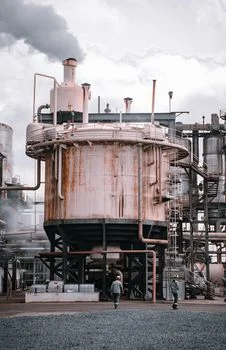
Lima’s leading sewage treatment equipment suppliers demonstrate distinct specializations in addressing specific industrial and municipal wastewater challenges with varied technological approaches. Evaluating these providers based on hard data—removal rates, CAPEX, OPEX, and compliance capabilities—is crucial for informed procurement decisions.
| Supplier | System Type Focus | COD Removal (%) | TSS Removal (%) | FOG Removal (%) | CAPEX Range (USD) | OPEX ($/m³) | Compliance (DS 015-2015-MINAM) | Local Support (Y/N) |
|---|---|---|---|---|---|---|---|---|
| AquaTec Peru | DAF for Food Processing | 85-90% | 90-95% | 98% | $80K–$500K | $0.10–$0.30 | Yes (Primary Treatment) | Y |
| HidroTech | MBR for Textiles | 95-98% | 99% | N/A (secondary treatment) | $200K–$2M | $0.30–$0.80 | Yes (Full Compliance) | Y |
| Sustenta Water Systems | Integrated Plants (Municipal) | 90-95% | 95-98% | N/A (municipal) | $100–$150 per capita | $0.15–$0.40 | Yes (SUNASS-approved) | Y |
| EcoPro Solutions | Chemical Dosing (Mining) | N/A (pre-treatment) | N/A (pre-treatment) | N/A (pre-treatment) | $50K–$300K | $0.05–$0.20 (chemicals) | pH adjustment to 6–9 | Y (24/7 remote) |
| Andes Environmental | Sludge Dewatering | N/A (solids) | N/A (solids) | N/A (solids) | $100K–$800K | $0.02–$0.08 (solids) | Sludge volume reduction | Y |
AquaTec Peru specializes in DAF systems for high-FOG wastewater in Lima, particularly for the food processing and slaughterhouse industries. Their systems achieve approximately 98% FOG removal and substantial TSS reduction, crucial for meeting primary treatment requirements. CAPEX for their DAF solutions typically ranges from $80,000 for smaller units to $500,000 for larger industrial applications, backed by an 18-month warranty.
HidroTech is a prominent provider of MBR systems for space-constrained Lima factories, notably for the textile sector. Their MBR technology achieves exceptional color removal (up to 95%) and high COD/TSS reduction, ensuring compliance with strict DS 015-2015-MINAM limits for industrial discharge. CAPEX for their MBR plants typically falls between $200,000 and $2 million, with a robust 24-month warranty specifically for membrane systems.
Sustenta Water Systems focuses on integrated sewage treatment plants for municipalities and large rural developments. These systems are often designed for decentralized treatment, achieving BOD levels below 20 mg/L, exceeding standard municipal discharge requirements. CAPEX for their municipal solutions is often benchmarked at $100–$150 per capita, and their systems are typically SUNASS-approved, streamlining permitting processes.
EcoPro Solutions specializes in automatic pH adjustment for mining wastewater compliance and other chemical dosing systems. For mining applications, their solutions effectively adjust highly acidic wastewater (pH 2–4) to the compliant range of pH 6–9, preventing environmental damage and fines. CAPEX for these systems ranges from $50,000 to $300,000, often including 24/7 remote monitoring capabilities for proactive management.
Andes Environmental is a key supplier for sludge dewatering for Lima’s municipal and industrial plants, offering various technologies, including plate-and-frame filter presses. Their systems achieve dry solids content of 20–30%, significantly reducing sludge volume and disposal costs. CAPEX for their dewatering solutions typically ranges from $100,000 to $800,000, depending on capacity and automation.
DAF vs. MBR vs. Integrated Plants: Which System Fits Your Lima Project?
The optimal selection among Dissolved Air Flotation (DAF), Membrane Bioreactor (MBR), and integrated sewage treatment plants in Lima hinges on a project's specific influent characteristics, available footprint, and desired effluent quality for DS 015-2015-MINAM compliance. Each technology offers distinct advantages and cost profiles.
Dissolved Air Flotation (DAF) Systems
DAF systems for high-FOG wastewater in Lima are most effective for primary treatment of industrial wastewater with high concentrations of fats, oils, grease (FOG), and suspended solids. This includes sectors like food processing, slaughterhouses, and dairy production. DAF systems typically achieve over 95% FOG removal and significant TSS reduction, preparing wastewater for subsequent biological treatment or direct discharge if primary limits are met. CAPEX for DAF systems ranges from $50,000 to $500,000, with OPEX generally between $0.10 and $0.30 per cubic meter, primarily driven by energy for air compressors and coagulant/flocculant costs.
Membrane Bioreactor (MBR) Systems
MBR systems for space-constrained Lima factories are ideal for sites with limited land availability, such as urban industrial facilities, hospitals, or hotels. MBR technology combines biological treatment with membrane filtration, producing exceptionally high-quality effluent, often suitable for reuse or discharge into sensitive receiving waters. These systems achieve over 99% TSS removal and can produce effluent with particles smaller than 1 µm. CAPEX for MBR systems is higher, typically ranging from $200,000 to $2 million, but they offer a smaller footprint (up to 50% less than conventional activated sludge) and superior effluent quality. OPEX is generally higher, from $0.30 to $0.80 per cubic meter, due to membrane aeration and replacement costs, which occur every 5–7 years.
Integrated Plants (WSZ Series)
Integrated plants, such as the WSZ series, are best suited for rural communities, small municipalities, resorts, or decentralized industrial applications where ease of operation and minimal operator intervention are priorities. These systems are often compact, modular, and can be installed underground, offering aesthetic and space-saving benefits. They are designed for fully automated operation, requiring minimal daily oversight. CAPEX for integrated plants is often calculated per capita, ranging from $100 to $150 per person served, making them cost-effective for smaller populations. OPEX typically falls between $0.15 and $0.40 per cubic meter, benefiting from lower labor and chemical requirements.
A notable case study involved a Lima textile factory that struggled to meet DS 015-2015-MINAM’s 50 mg/L BOD limit with their existing DAF and conventional biological system. By switching to an MBR system, they not only consistently achieved the required BOD limits but also reduced their wastewater treatment plant's overall footprint by 60%, allowing for factory expansion.
| System Type | Best For | Key Advantages | Typical CAPEX | Typical OPEX ($/m³) | Key Disadvantages |
|---|---|---|---|---|---|
| DAF | High-FOG industrial wastewater (food, slaughterhouses) | High FOG/TSS removal, robust pre-treatment | $50K–$500K | $0.10–$0.30 | Lower effluent quality than MBR, often needs secondary treatment |
| MBR | Space-constrained urban sites, high effluent quality demands (textiles, hospitals) | Smallest footprint, superior effluent quality (<1 µm), high removal rates | $200K–$2M | $0.30–$0.80 | Higher initial CAPEX, membrane replacement costs, higher energy for aeration |
| Integrated Plants (WSZ series) | Rural/municipal projects, resorts, decentralized treatment | Fully automated, minimal operator required, modular, often underground | $100–$150 per capita | $0.15–$0.40 | May not handle highly variable industrial loads without pre-treatment |
CAPEX and OPEX Breakdown for Lima Sewage Treatment Projects
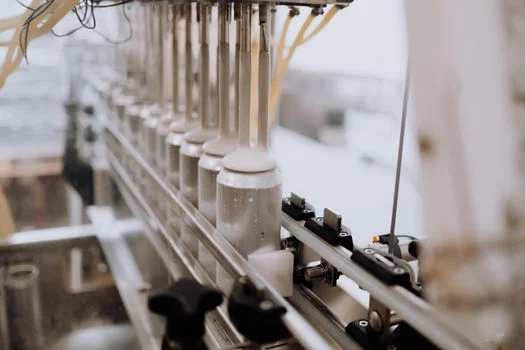
Accurate budgeting for Lima sewage treatment projects requires a detailed understanding of both Capital Expenditure (CAPEX) and Operational Expenditure (OPEX) components, which can vary significantly by technology and scale. This transparency is vital for procurement managers to compare supplier quotes effectively and ensure long-term financial viability.
Capital Expenditure (CAPEX) Components
For a typical 1,000 m³/day MBR system designed for a medium-sized industrial facility in Lima, the CAPEX breakdown might look like this:
- Equipment Costs: Approximately $800,000. This includes the MBR modules, aeration blowers, pumps, control panels, and auxiliary equipment.
- Civil Works: Around $300,000. This covers excavation, concrete foundations for tanks and equipment, building structures, and site preparation.
- Installation and Commissioning: Approximately $200,000. This encompasses labor for assembly, piping, electrical connections, and initial system startup and testing.
- Permitting and Engineering Design: Typically $50,000. This includes costs for detailed engineering plans, environmental impact assessments, and obtaining necessary permits from SUNASS and MINAM.
Total estimated CAPEX for this example MBR system would be around $1.35 million. For global benchmarks for municipal sewage treatment costs, these figures align with complex systems in emerging economies.
Operational Expenditure (OPEX) Components
OPEX represents the ongoing costs of running the wastewater treatment plant. For the same 1,000 m³/day MBR system, key OPEX components include:
- Energy Consumption: A significant factor. An MBR system might consume around 0.5 kWh/m³ of treated water. At an average electricity cost of $0.10/kWh in Lima, this translates to $0.05/m³. Energy costs can fluctuate based on local tariffs and system optimization.
- Chemical Costs: Ranging from $0.10–$0.20/m³. This includes coagulants, flocculants, pH adjustment chemicals, and disinfectants, which are often essential for meeting DS 015-2015-MINAM limits.
- Membrane Replacement: MBR membranes have a lifespan of 5–7 years. Amortized over this period, the cost of membrane replacement can add approximately $0.05/m³ to the OPEX.
- Labor and Maintenance: Includes operator salaries, routine inspections, preventive maintenance, and spare parts. This can vary widely but is a critical ongoing cost.
- Sludge Disposal: Costs associated with dewatering and disposing of solid waste generated by the treatment process, especially when using sludge dewatering for Lima’s municipal and industrial plants.
Local vs. International Suppliers and Financing
Peruvian suppliers often offer CAPEX that can be 20-30% lower than international counterparts due to reduced import duties and local labor costs. However, some local suppliers may lack specific international certifications like ISO 9001, which can be a consideration for high-tech industries (e.g., semiconductors) requiring stringent quality control. For municipal projects, SUNASS grants can provide significant funding, covering up to 70% of project costs. Large-scale public-private partnerships (PPPs) are facilitated by ProInversión, offering financing avenues for major infrastructure developments, similar to how other emerging markets handle industrial wastewater compliance.
| Cost Category | Example (1,000 m³/day MBR) | Typical Range/Factor |
|---|---|---|
| CAPEX | Equipment: $800K | Varies by technology (DAF, MBR, Integrated) and capacity |
| Civil Works: $300K | ~20-30% of equipment cost | |
| Installation: $200K | ~10-20% of equipment cost | |
| Permitting/Design: $50K | ~5% of equipment cost | |
| OPEX ($/m³) | Energy: $0.05/m³ (0.5 kWh/m³ @ $0.10/kWh) | 0.3-0.8 kWh/m³ for MBR; lower for DAF |
| Chemicals: $0.10–$0.20/m³ | Highly dependent on influent quality and treatment process | |
| Membrane Replacement: $0.05/m³ (amortized) | Specific to MBR systems, every 5-7 years | |
| Labor & Maintenance: Variable | Includes operator salaries, spare parts, routine service | |
| Sludge Disposal: Variable | Costs for dewatering and transport |
Zero-Risk Compliance: How to Avoid Fines and Permitting Delays in Lima
Achieving zero-risk compliance with Peruvian environmental regulations, particularly DS 015-2015-MINAM, is paramount for any sewage treatment project in Lima to avoid substantial fines and operational disruptions. A robust understanding of these regulations and careful supplier selection are critical components of a zero-risk wastewater equipment selection strategy.
DS 015-2015-MINAM Compliance Checklist
The core of Peru's wastewater discharge standards lies in DS 015-2015-MINAM, which sets maximum permissible limits (LMP) for various parameters. Key parameters to monitor rigorously include:
- Biochemical Oxygen Demand (BOD): <50 mg/L for municipal discharge.
- Total Suspended Solids (TSS): <30 mg/L for municipal discharge.
- pH: Must be maintained between 6 and 9.
- Oils and Greases: <50 mg/L for most discharges.
- Heavy Metals: Specific limits apply, e.g., Lead (Pb) <0.1 mg/L, Cadmium (Cd) <0.05 mg/L, depending on the industry and receiving body.
- Total Coliforms: <1,000 MPN/100 mL (for discharge to water bodies used for recreational purposes).
Beyond these, specific industries like mining and textiles have additional parameters to meet, making a comprehensive analysis of the influent crucial. Compliance with these limits requires reliable equipment and consistent monitoring, potentially using automatic pH adjustment for mining wastewater compliance and other real-time control systems.
Permitting Timeline and Risks
Navigating the permitting process is another critical aspect of Peru wastewater treatment regulations. For municipal projects, obtaining SUNASS wastewater permits in Peru can take 6–12 months, involving environmental impact assessments and public consultations. Industrial projects generally have a shorter timeline of 3–6 months, though this varies significantly by region and the project's complexity. Delays can result from incomplete documentation, non-compliant designs, or failure to address environmental concerns, leading to significant project cost overruns.
Supplier Red Flags
To ensure zero-risk procurement, be wary of suppliers exhibiting these red flags:
- No explicit DS 015-2015-MINAM certification or guaranteed compliance for their systems.
- Lack of a dedicated local service team in Lima or Peru, which can lead to extended downtime for repairs and maintenance.
- Absence of verifiable references from successful wastewater treatment projects in Lima or similar Peruvian industrial contexts.
- Unrealistic cost estimates that are significantly lower than market benchmarks, often indicating hidden costs or substandard equipment.
A recent case study highlighted a Lima mining company that faced a $250,000 fine for consistently discharging effluent with a pH of 4.5, violating DS 015-2015-MINAM limits. They subsequently switched to a supplier offering a comprehensive solution that included automatic chemical dosing systems with real-time pH monitoring, ensuring continuous compliance and avoiding future penalties.
Frequently Asked Questions
Understanding common challenges and solutions in Lima's sewage treatment sector is crucial for effective project planning and risk mitigation, especially when evaluating a sewage treatment equipment supplier in Lima.
What’s the typical CAPEX for a 500 m³/day DAF system in Lima?
The CAPEX for a 500 m³/day DAF system for high-FOG wastewater in Lima typically ranges from $150,000 to $300,000, including equipment, installation, and civil works.
What are the DS 015-2015-MINAM limits for textile wastewater?
For textile wastewater, DS 015-2015-MINAM generally requires BOD <50 mg/L, TSS <30 mg/L, pH 6-9, and specific limits for color and heavy metals, necessitating advanced treatment like MBR systems for space-constrained Lima factories.
Why does my DAF system have low FOG removal?
Low FOG removal in a DAF system is often due to insufficient chemical dosing, improper air saturation, or incorrect hydraulic loading, requiring optimization of these operational parameters.
How long does it take to get a wastewater permit in Lima?
Permitting timelines for wastewater treatment projects in Lima vary, typically ranging from 3-6 months for industrial projects and 6-12 months for municipal projects, depending on complexity and environmental impact assessment requirements.
Is an MBR system cost-effective for a small factory in Lima?
While MBR systems have higher CAPEX and OPEX compared to conventional systems, their small footprint and superior effluent quality often make them cost-effective for small, space-constrained factories in Lima needing to meet stringent discharge limits.
What are the main components of sewage treatment CAPEX in Peru?
The main components of sewage treatment CAPEX in Peru include equipment (50-60%), civil works (20-25%), installation (10-15%), and permitting/engineering design (5-10%).
What are the options for sludge dewatering in Lima?
Common options for sludge dewatering for Lima’s municipal and industrial plants include plate-and-frame filter presses, belt filter presses, and screw presses, chosen based on sludge volume and desired dry solids content.