Why Casablanca Factories Need Industrial Wastewater Treatment in 2026
Moroccan Law 10-95 and EU Directive 91/271/EEC mandate strict effluent discharge limits for Casablanca’s industrial sector, requiring Chemical Oxygen Demand (COD) levels below 125 mg/L and Total Suspended Solids (TSS) under 35 mg/L for direct environmental discharge. According to the Moroccan Ministry of Environment (2025), factories failing to meet these thresholds face administrative fines reaching MAD 500,000 and the potential for immediate production halts. As Casablanca’s industrial zones, including Ain Sebaa and Mohammedia, continue to expand, the local infrastructure generates approximately 1,500 m³/day of industrial wastewater, with 60% originating from the automotive and food processing sectors.
The economic risk of non-compliance has shifted from theoretical to immediate. In 2025, a Casablanca-based food processor was penalized MAD 300,000 for discharging effluent with a COD of 200 mg/L into the municipal sewer system. Had the facility invested in a DAF systems for FOG and TSS removal in Casablanca with an 8M MAD CAPEX, it would have reduced COD to 50 mg/L while achieving a return on investment within four years through water reuse and the avoidance of recurring penalties. Beyond direct fines, non-compliant factories risk losing critical contracts with European Union buyers who increasingly mandate ISO 14001 certification and verifiable sustainability metrics as prerequisites for procurement.
industrial plants in Casablanca are subject to rising insurance premiums and reputational damage that can jeopardize financing from local banks. With the 2026 regulatory window closing, implementing robust wastewater treatment is no longer a matter of corporate social responsibility but a core requirement for operational continuity and market access in the Mediterranean basin.
Casablanca’s Wastewater Regulations: What Industrial Plants Must Know
Moroccan Law 10-95, specifically Article 12, dictates that all industrial effluents must undergo treatment to meet a pH range of 6.5–8.5 and COD levels of ≤125 mg/L before entering surface waters or public sewage networks. These regulations, updated in the 2024 Moroccan Official Bulletin, are designed to protect Casablanca’s coastal ecosystem and groundwater reserves. For factories exporting products to the European market, compliance with EU Directive 91/271/EEC is often required by trade partners, which imposes even more stringent limits, including a COD maximum of 100 mg/L and nutrient removal targets such as Total Nitrogen (TN) ≤15 mg/L and Total Phosphorus (TP) ≤2 mg/L.
The Casablanca 2026 wastewater master plan introduces a strategic shift toward a circular economy, targeting 100% reuse of treated industrial effluent for non-potable applications. This means factories must transition from simple "treatment for discharge" to "treatment for recycling." Navigating the permitting process requires an Environmental Impact Assessment (EIA) submitted to the Moroccan Ministry of Environment and the Casablanca Water Authority (Lydec), a process that typically spans 6 to 12 months. Failure to secure these permits or exceeding discharge limits triggers penalties under Law 10-95, Article 45, which includes criminal liability for repeat offenders.
| Parameter | Moroccan Law 10-95 (Direct Discharge) | EU Directive 91/271/EEC (Strict Export Standard) | Typical Casablanca Industrial Raw Effluent |
|---|---|---|---|
| COD (mg/L) | ≤ 125 | ≤ 100 | 800 – 2,500 |
| TSS (mg/L) | ≤ 35 | ≤ 35 | 300 – 1,200 |
| pH | 6.5 – 8.5 | 6.0 – 9.0 | 4.0 – 11.0 |
| Fats, Oils, Grease (FOG) | ≤ 30 mg/L | ≤ 20 mg/L | 100 – 500 mg/L |
| Total Nitrogen (TN) | ≤ 30 mg/L | ≤ 15 mg/L | 50 – 150 mg/L |
Technology Comparison: DAF vs. MBR vs. Chemical Precipitation for Industrial Effluents
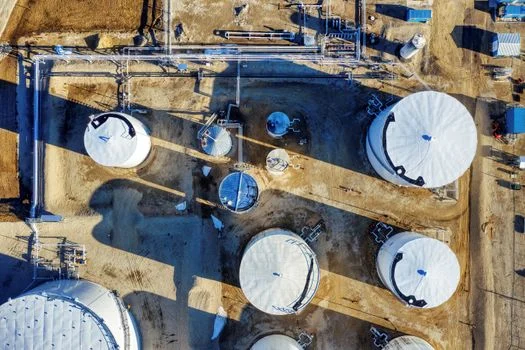
Dissolved Air Flotation (DAF) systems, such as HydropureWater’s, are the primary choice for Casablanca’s food processing and metalworking industries due to their ability to remove 92–97% of Fats, Oils, and Grease (FOG) and suspended solids. These systems operate with a hydraulic retention time (HRT) of only 20–40 minutes and maintain an energy efficiency profile of 0.3–0.5 kWh/m³, based on EPA 2024 benchmarks. DAF is particularly effective as a primary treatment stage to protect downstream biological processes or as a standalone solution for high-FOG effluents.
For facilities requiring high-purity water for industrial reuse, Membrane Bioreactor (MBR) systems provide superior performance by utilizing 0.1 μm PVDF membranes to achieve near-reuse-quality effluent. MBR systems for near-reuse-quality effluent in Casablanca can maintain COD levels ≤50 mg/L and TSS ≤5 mg/L. While MBR systems require a 30% higher CAPEX and higher energy consumption (0.8–1.2 kWh/m³) compared to DAF, they offer a significantly smaller footprint, requiring only 5–10 m² per 100 m³/day of capacity, making them ideal for space-constrained urban factories in Casablanca.
Chemical precipitation remains the standard for treating heavy metal-laden wastewater from Casablanca’s automotive and electroplating sectors. By utilizing automated chemical dosing for metal removal in Casablanca, plants can achieve 95% removal rates for chromium, nickel, and zinc. This process must be paired with a sludge dewatering solutions for Casablanca factories to handle the resulting chemical sludge. A notable example is Renault Group Maroc’s partnership with SUEZ, which utilizes chemical precipitation and sludge dewatering to treat 300 m³/day of automotive effluent, successfully reducing COD from 800 mg/L to 80 mg/L and ensuring safe discharge into the local network.
| Feature | DAF (Dissolved Air Flotation) | MBR (Membrane Bioreactor) | Chemical Precipitation |
|---|---|---|---|
| Primary Removal Target | FOG, TSS, Oil & Grease | BOD, COD, Bacteria | Heavy Metals, Phosphorus |
| Removal Efficiency | 92–97% (TSS/FOG) | 98%+ (COD/TSS) | 95% (Heavy Metals) |
| Energy Use (kWh/m³) | 0.3 – 0.5 | 0.8 – 1.2 | 0.2 – 0.4 |
| Footprint (m²/100m³/d) | 10 – 20 | 5 – 10 | 15 – 25 |
| Best Use Case | Food Processing, Dairy | Pharma, Water Reuse | Automotive, Electroplating |
2026 Cost Benchmarks for Industrial Wastewater Treatment in Casablanca
Capital expenditure (CAPEX) for industrial wastewater plants in Casablanca varies significantly based on technology and throughput, with DAF systems typically ranging from MAD 5M to 15M for capacities of 50–200 m³/day. In contrast, MBR systems for the same capacity range from MAD 20M to 50M due to the high cost of membrane modules and sophisticated aeration equipment. For smaller operations focusing solely on metal removal, chemical precipitation systems offer a lower entry point at MAD 1M–3M for a 50 m³/day installation. These figures include engineering, procurement, and local installation costs relevant to the Moroccan market.
Operating expenditure (OPEX) is primarily driven by energy consumption and chemical dosing. MBR systems incur the highest OPEX at MAD 1.5–3/m³, with energy costs accounting for 60–70% of the total. DAF systems are more economical to operate at MAD 0.8–1.5/m³. However, the return on investment (ROI) is increasingly favorable; water reuse saves factories MAD 5–10/m³ compared to purchasing municipal water. Additionally, the Moroccan Green Investment Plan offers a 30% tax credit for water recycling systems, which significantly accelerates the payback period for advanced treatment technologies.
| Investment Metric | DAF System (100 m³/day) | MBR System (100 m³/day) | Chemical Precipitation |
|---|---|---|---|
| Estimated CAPEX | MAD 8M – 12M | MAD 25M – 35M | MAD 2M – 5M |
| Estimated OPEX | MAD 1.2/m³ | MAD 2.5/m³ | MAD 1.8/m³ |
| ROI Period | 3 – 5 Years | 5 – 7 Years | 2 – 4 Years |
| Primary Savings Driver | Avoided Fines / Reuse | High-Quality Reuse | Regulatory Compliance |
Financing these projects in Casablanca is supported by several mechanisms, including 5-year leasing terms with interest rates near 8% and government grants through the Moroccan Agency for Energy Efficiency (AMEE). For large-scale industrial players, Public-Private Partnership (PPP) models, similar to those utilized by SUEZ, allow for the outsourcing of treatment operations, converting CAPEX into a predictable monthly service fee. A DAF system treating 100 m³/day of food processing effluent can generate MAD 2.5M in annual savings, resulting in a full payback in under 4 years when accounting for current water tariffs and the elimination of non-compliance surcharges.
Step-by-Step Compliance Blueprint for Casablanca Factories
The first step toward regulatory compliance is a comprehensive wastewater audit to establish a baseline for COD, TSS, pH, heavy metals, and FOG, which typically costs between MAD 10,000 and 30,000. For example, a Casablanca-based automotive plant identified chromium levels at 15 mg/L during an audit—significantly higher than the 0.5 mg/L limit—which dictated the immediate need for a chemical precipitation unit. This data is essential for selecting the correct technology from the comparison tables above, ensuring the system is neither under-engineered for the waste load nor over-engineered for the budget.
Once the technology is selected, the facility must navigate the permitting phase by submitting an Environmental Impact Assessment (EIA) to the Moroccan Ministry of Environment. This document must detail the system specifications, guaranteed treatment levels, and a comprehensive sludge management plan. Following permit approval, the installation and commissioning phase should involve specialized vendors to ensure the system integrates seamlessly with existing production lines. For instance, a food processor recently installed a DAF system and achieved a TSS reduction from 200 mg/L to 20 mg/L within three months of operation, meeting all requirements of Law 10-95, Article 12.
The final stage is continuous monitoring and reporting. Factories should install online sensors for real-time tracking of COD and pH, as the Casablanca Water Authority requires quarterly reports. Proactive monitoring prevents the "compliance drift" that often leads to unexpected fines. Utilizing advanced disinfection such as a chlorine dioxide generator for microbial control can also ensure that reused water meets safety standards for cooling towers or irrigation. For more information on specialized applications, engineers may reference chemical precipitation for electroplating effluents in Casablanca or look at global benchmarks for industrial wastewater treatment to compare local performance against international standards.
Case Study: Renault Group Maroc’s Zero-Risk Wastewater Management with SUEZ
Renault Group Maroc’s operations in Casablanca serve as a benchmark for industrial wastewater management, processing 300 m³/day of complex effluent characterized by high COD (800 mg/L) and heavy metal contamination (Chromium at 15 mg/L). To achieve zero-risk compliance, the facility implemented an integrated solution managed by SUEZ, focusing on both liquid effluent quality and solid waste recovery. The treatment train includes automated chemical dosing for metal removal in Casablanca followed by a sludge dewatering solutions for Casablanca factories and final chlorine dioxide disinfection.
The results of this structured approach are significant: COD is consistently reduced to 80 mg/L, and chromium levels are maintained at 0.3 mg/L, well below the Moroccan limit of 0.5 mg/L. A key innovation in this partnership is the circularity of the waste stream; 90% of the dewatered sludge is reused as alternative fuel for local cement kilns, eliminating landfill costs. Financially, the project involved a MAD 25M CAPEX with an annual OPEX of MAD 2.5M. The 5-year ROI was achieved through the avoidance of MAD 1.2M in annual fines and the recovery of MAD 800,000 worth of process water for reuse in non-critical plant operations.
This case study highlights that partnering with global technology providers like SUEZ or HydropureWater allows Casablanca factories to align with both Moroccan Law 10-95 and EU export standards. This dual-compliance strategy effectively de-risks the manufacturing process, ensuring that environmental regulations do not become a bottleneck for production growth or international trade.
Frequently Asked Questions

What are the COD and TSS limits for industrial wastewater discharge in Casablanca?Under Moroccan Law 10-95, the limits for direct discharge are COD ≤ 125 mg/L and TSS ≤ 35 mg/L. For factories exporting to the EU, Directive 91/271/EEC may apply, requiring stricter COD limits of ≤ 100 mg/L.
How much does an industrial wastewater treatment plant cost in Casablanca?CAPEX typically starts at MAD 5M for a 50 m³/day DAF system and can reach MAD 50M for a large-scale 200 m³/day MBR plant. OPEX generally ranges between MAD 0.8 and MAD 3.0 per cubic meter treated.
What are the best wastewater treatment technologies for food processing plants in Casablanca?DAF systems are highly recommended for food processing due to their 92–97% efficiency in removing Fats, Oils, and Grease (FOG). For plants aiming for water reuse, MBR systems are the preferred choice for producing high-clarity effluent.
How can factories in Casablanca reuse treated wastewater?Treated water can be utilized for cooling towers, floor washing, and irrigation. For high-grade reuse in industrial processes, water purification systems for industrial reuse in Casablanca including MBR or RO membranes are required to meet COD levels ≤ 50 mg/L.
What permits are required for industrial wastewater treatment in Casablanca?Factories must obtain an Environmental Impact Assessment (EIA) from the Moroccan Ministry of Environment and a specific discharge permit from the Casablanca Water Authority. The permitting process usually takes 6 to 12 months to complete.