Industrial Wastewater Treatment in Novosibirsk: 2026 Engineering Specs, Cost Models & Zero-Risk Compliance Blueprint
Industrial wastewater treatment in Novosibirsk requires systems tailored to high-strength effluents from chemical, nuclear, and food processing plants. For example, the Novosibirsk Chemical Concentrates Plant (NCCP) uses a modular evaporation-based system achieving 99.9% radionuclide removal, allowing treated water reuse or discharge to communal sewers per SanPiN 2.1.3684-21. Key challenges include compliance with Rosprirodnadzor’s COD (<150 mg/L) and TSS (<20 mg/L) limits, with CAPEX ranging from ₽50M for modular DAF systems to ₽1.2B for zero-liquid discharge (ZLD) plants handling 500 m³/h.
Why Novosibirsk’s Industrial Plants Need Specialized Wastewater Treatment
Novosibirsk’s diverse industrial base, comprising 32% chemical manufacturing, 18% nuclear, and 12% food processing sectors (2024 Rosstat data), generates complex wastewater streams demanding highly specialized treatment. These industrial effluents often contain contaminants far exceeding municipal treatment capabilities, necessitating robust on-site solutions. For instance, nuclear facilities like the NCCP produce wastewater with radionuclides, while chemical plants often discharge heavy metals and recalcitrant organic compounds. Food processing operations, conversely, are characterized by high concentrations of biochemical oxygen demand (BOD) and chemical oxygen demand (COD), along with fats, oils, and grease (FOG).
Failure to adequately treat these specific contaminants carries significant regulatory risks. Rosprirodnadzor, Russia's environmental oversight body, enforces strict discharge limits, with fines for non-compliance reaching up to ₽5M per violation. Adherence to federal standards like SanPiN 2.1.3684-21, which mandates COD below 150 mg/L and TSS below 20 mg/L for discharge to communal sewers, is non-negotiable. Proactive investment in advanced industrial wastewater treatment in Novosibirsk not only mitigates these financial penalties but also safeguards environmental health. A notable case example is the NCCP's implementation of a modular plant, which successfully reduced discharge violations by 95% post-installation, as reported in a 2023 Safe Technologies IG study, demonstrating the efficacy of tailored solutions for Novosibirsk industrial effluent treatment.
Engineering Specs for Novosibirsk’s Top 5 Industrial Wastewater Treatment Methods
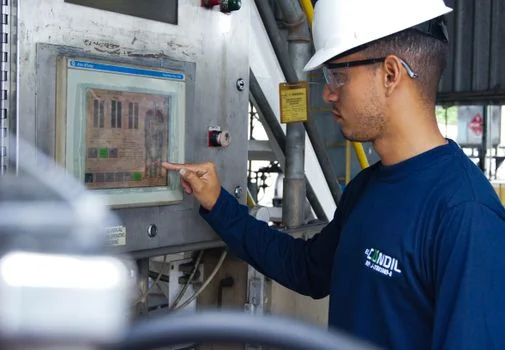
Effective industrial wastewater treatment in Novosibirsk hinges on selecting processes with proven removal efficiencies and operational parameters tailored to specific effluent characteristics. Understanding the engineering specifications of leading technologies is crucial for optimizing performance, minimizing footprint, and managing energy consumption. Each method offers distinct advantages for specific contaminant profiles, from heavy metals in chemical plant wastewater treatment to radionuclides in nuclear wastewater treatment Novosibirsk.
- Dissolved Air Flotation (DAF): This method excels in removing suspended solids, FOG, and light particles. High-efficiency DAF systems for Novosibirsk’s food processing plants typically achieve 92–97% TSS removal and 60–80% FOG removal. A DAF unit for flow rates up to 100 m³/h generally requires a compact footprint of 10–30 m². Pretreatment often involves screening and pH adjustment to optimize flocculation.
- Membrane Bioreactor (MBR): MBR technology integrates biological treatment with membrane filtration, producing high-quality effluent suitable for reuse. A compact MBR system for chemical plants in Novosibirsk, utilizing DF series membranes, can achieve COD levels below 50 mg/L and TSS below 5 mg/L. MBR systems offer a significantly smaller footprint, up to 60% less than conventional activated sludge plants, due to higher biomass concentrations and the elimination of secondary clarifiers.
- Evaporation (Multi-Effect Evaporator - MEE/Mechanical Vapor Recompression - MVR): Evaporation is critical for treating high-salinity or radionuclide-laden wastewater, enabling zero-liquid discharge plants Russia. The NCCP case study demonstrated 99.9% radionuclide removal and 95% water recovery. MVR systems are energy-efficient, typically consuming 0.05–0.1 kWh/kg of evaporated water. Pretreatment often includes filtration and softening to prevent scaling.
- Reverse Osmosis (RO): RO is ideal for advanced purification and water reuse applications, particularly for removing dissolved salts and micropollutants. Industrial RO systems, like those discussed for reverse osmosis for high-salinity industrial wastewater, achieve 98% salt rejection and 75–85% water recovery. Membrane lifespan typically ranges from 3–5 years, depending on feed water quality and effective pretreatment, such as ultrafiltration or activated carbon.
- Chemical Precipitation: This method is highly effective for removing heavy metals and certain inorganic pollutants. Using a precise chemical dosing for heavy metal removal in Novosibirsk, chemical precipitation can achieve 95% removal for metals like Chromium (Cr), Nickel (Ni), and Zinc (Zn). The process typically involves pH adjustment, coagulant/flocculant addition, and clarification, resulting in sludge volumes representing 10–15% of the influent volume.
| Treatment Method | Typical Application | TSS Removal | COD Removal | Footprint (m²/100 m³/h) | Energy Use (kWh/m³) |
|---|---|---|---|---|---|
| Dissolved Air Flotation (DAF) | Food Processing, Oil & Gas | 92–97% | 60–80% (FOG) | 10–30 | 0.05–0.2 |
| Membrane Bioreactor (MBR) | Chemical, Pharma, Municipal | >99% (<5 mg/L) | 90–98% (<50 mg/L) | 5–15 (compact) | 0.5–1.0 |
| Evaporation (MEE/MVR) | Nuclear, High Salinity, ZLD | N/A | N/A (Concentrates) | 50–100 (for ZLD) | 0.05–0.1 (kWh/kg evaporated) |
| Reverse Osmosis (RO) | Water Reuse, Desalination | >99% (dissolved solids) | N/A (dissolved solids) | 20–40 | 2.0–5.0 |
| Chemical Precipitation | Heavy Metal Removal | >95% (heavy metals) | N/A (specific ions) | 15–35 | 0.1–0.3 |
Cost Models: CAPEX and OPEX for Novosibirsk Wastewater Treatment Plants
Understanding the total cost of ownership (TCO) for industrial wastewater treatment systems in Novosibirsk requires a detailed breakdown of both Capital Expenditure (CAPEX) and Operational Expenditure (OPEX). These cost models provide crucial benchmarks for procurement teams evaluating the financial feasibility and return on investment (ROI) of various treatment solutions, particularly when comparing modular wastewater treatment systems versus custom-built plants.
CAPEX (Capital Expenditure):
- Modular Systems: For flow rates up to 500 m³/h, modular systems typically range from ₽50M to ₽300M. They offer a shorter lead time of 3–6 months from order to commissioning, making them attractive for urgent needs or phased expansions (2024 vendor surveys).
- Custom-Built Plants: Larger, bespoke industrial wastewater treatment plants, especially those handling complex effluents or high flow rates (>500 m³/h), incur higher CAPEX, ranging from ₽500M to ₽1.2B. These projects have a longer lead time of 12–18 months due to extensive design, civil works, and installation requirements, as seen in NCCP’s ₽900M evaporation plant.
OPEX (Operational Expenditure):
OPEX for wastewater treatment CAPEX Russia is a significant factor over a system's lifespan. Modular systems generally have 20–30% lower OPEX compared to custom-built plants due to standardized components and easier maintenance. A typical OPEX breakdown for industrial wastewater treatment (Alfa Laval 2023 data) includes: energy (40%), chemicals (25%), labor (15%), and maintenance (20%).
Cost per m³ Treated:
- DAF systems: ₽120–₽450 per m³
- MBR systems: ₽250–₽800 per m³
- Zero-liquid discharge plants Russia (evaporation/crystallization): ₽500–₽1,500 per m³
ROI Drivers:
Investing in advanced wastewater treatment yields significant ROI through several avenues:
- Water Reuse: Recovered water can save ₽300/m³ compared to purchasing municipal supply.
- Sludge Reduction: Efficient dewatering and minimization techniques reduce disposal costs, which can be ₽500/ton.
- Regulatory Fines Avoided: Preventing Rosprirodnadzor violations can save ₽1M–₽5M per incident, demonstrating the value of Rosprirodnadzor compliance.
| Cost Category | Modular Systems | Custom-Built Plants |
|---|---|---|
| CAPEX (typical range) | ₽50M–₽300M | ₽500M–₽1.2B |
| Lead Time | 3–6 months | 12–18 months |
| OPEX (vs. Custom-Built) | 20–30% lower | Baseline (higher) |
| Flexibility/Scalability | High | Moderate (expansion cost) |
| Complexity Handled | Moderate | High |
Compliance Blueprint: Navigating Russian and Novosibirsk Regulations
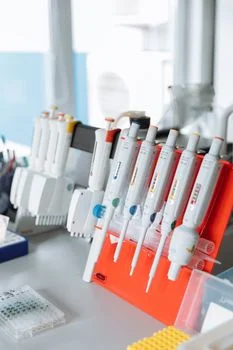
Achieving and maintaining compliance with Russian and Novosibirsk regional environmental regulations is paramount for industrial operations, with Rosprirodnadzor imposing strict discharge limits and significant penalties for violations. Navigating this regulatory landscape requires a comprehensive understanding of federal and local standards, as well as the permit acquisition process. This compliance blueprint for Russian regulations is designed to help facilities avoid approval delays and fines.
Federal Standards:
- SanPiN 2.1.3684-21: This key standard governs general wastewater discharge. For communal sewer discharge, it mandates COD below 150 mg/L, TSS below 20 mg/L, and a pH range of 6.5–8.5. For specific industrial effluents, such as those from nuclear facilities, it also sets limits for radionuclide concentrations.
- GOST R 58563-2019: This standard addresses limits for heavy metals and other specific pollutants in industrial wastewater.
Novosibirsk Regional Standards:
Local Rosprirodnadzor branches often impose stricter limits than federal guidelines, reflecting regional environmental sensitivities. In Novosibirsk (2024 Rosprirodnadzor data), specific stricter limits include Chromium (VI) <0.05 mg/L and Nickel <0.1 mg/L. Facilities must consult regional authorities for the most current and specific discharge requirements applicable to their industrial sector and discharge point.
Permit Process:
Obtaining Rosprirodnadzor compliance approval for new or upgraded wastewater treatment facilities typically takes 3–6 months. The process requires a detailed Environmental Impact Assessment (EIA) and, for new or innovative technologies, pilot testing to demonstrate efficacy and compliance with discharge standards. Early engagement with regulatory bodies is critical to streamline this process.
Discharge Options:
- Communal Sewer: Requires pre-treatment to meet municipal standards, which are often less stringent than direct surface water discharge but still adhere to SanPiN.
- Surface Water: Involves the strictest discharge limits due to direct environmental impact. Extensive treatment, often including advanced tertiary methods, is necessary.
- Reuse: Internal approval only, offering significant operational savings and reducing reliance on municipal water supplies. This is a key driver for zero-liquid discharge plants Russia.
The NCCP's modular evaporation plant achieved full compliance within 4 months of commissioning by specifically aligning its design and performance with the stringent SanPiN 2.1.3684-21 radionuclide limits, showcasing the importance of targeted treatment for nuclear wastewater treatment Novosibirsk.
Modular vs. Custom-Built Systems: Which is Right for Your Novosibirsk Plant?
The choice between modular and custom-built industrial wastewater treatment systems for a Novosibirsk plant hinges on several critical factors, including flow rate, effluent complexity, budget, and project timeline. Both approaches offer distinct advantages and disadvantages that must be carefully weighed by engineering managers and procurement teams. Selecting the appropriate system type is a strategic decision impacting long-term operational efficiency and compliance.
- Modular Systems: These pre-engineered, skid-mounted units are best suited for flow rates typically below 500 m³/h. They are ideal for facilities with tight timelines, as their rapid deployment (3–6 months lead time) significantly reduces project duration. Modular units also serve effectively as temporary solutions, pilot plants for new processes, or for phased expansions. Their standardized design often leads to lower CAPEX and OPEX, making them a cost-effective choice for many applications requiring modular wastewater treatment systems.
- Custom-Built Systems: These bespoke plants are designed from the ground up to meet highly specific requirements. They are the preferred choice for industrial facilities with flow rates exceeding 500 m³/h, complex contaminant profiles (e.g., specific radionuclide mixtures or unique chemical byproducts), or challenging site-specific constraints that preclude off-the-shelf solutions. While custom systems involve higher CAPEX and longer lead times (12–18 months), they offer unparalleled flexibility and optimization for long-term projects, ensuring maximal efficiency and Russian wastewater discharge standards compliance for unique industrial processes.
Vendor Selection Criteria: When choosing a system, consider vendors offering turn-key capability, robust local service support, clear compliance guarantees, and demonstrable case studies in Novosibirsk or similar industrial environments (e.g., Safe Technologies IG, HydropureWater). These factors are critical for minimizing project risks and ensuring long-term operational success.
| Feature | Modular Systems | Custom-Built Systems |
|---|---|---|
| CAPEX | Lower (₽50M–₽300M) | Higher (₽500M–₽1.2B) |
| OPEX | 20–30% lower than custom | Higher (bespoke engineering) |
| Lead Time | 3–6 months | 12–18 months |
| Flexibility | High (redeployable, expandable) | Low (site-specific design) |
| Scalability | Easier via additional modules | More complex, higher cost |
| Compliance Risk | Lower (proven designs) | Moderate (novel solutions) |
| Best For | Flow rates <500 m³/h, urgent needs | Flow rates >500 m³/h, complex effluents |
Frequently Asked Questions
Q: What are the primary contaminants of concern for industrial wastewater in Novosibirsk?
A: The main contaminants include radionuclides from nuclear plants, heavy metals (e.g., Cr, Ni, Zn) from chemical manufacturing, and high COD/BOD along with FOG from food processing, all requiring specific treatment technologies to meet Russian wastewater discharge standards.
Q: How long does it take to get Rosprirodnadzor approval for a new wastewater treatment plant in Novosibirsk?
A: The permit process for Rosprirodnadzor approval typically takes 3–6 months, requiring a comprehensive Environmental Impact Assessment (EIA) and potentially pilot testing for new technologies to ensure compliance with federal and regional standards.
Q: Can treated industrial wastewater be reused in Novosibirsk?
A: Yes, treated industrial wastewater can be reused internally within the plant, offering significant cost savings (up to ₽300/m³ vs. municipal supply) and reducing environmental impact, especially with advanced purification methods like RO or MBR.
Q: What is the typical CAPEX range for an industrial wastewater treatment plant in Novosibirsk?
A: CAPEX varies significantly: modular DAF systems can range from ₽50M–₽300M, while large-scale custom-built zero-liquid discharge plants Russia can cost ₽500M–₽1.2B, depending on flow rate and treatment complexity.
Q: What are the main components of OPEX for industrial wastewater treatment in Russia?
A: Operational expenditure (OPEX) is primarily driven by energy consumption (40%), chemical costs (25%), labor (15%), and maintenance (20%), with specific costs per m³ varying by technology (e.g., ₽120–₽450 for DAF, ₽500–₽1,500 for ZLD).