Sewage treatment equipment suppliers in Puebla Mexico face 2026 SEMARNAT limits of COD at or below 150 mg/L and TSS at or below 30 mg/L for industrial effluent. Correct selection spans MBR packages (0.5 m²/m³/day footprint), DAF units (92-97% TSS removal) and altitude-adjusted aeration at 2,200 m ASL.
Sewage Treatment Equipment Suppliers in Puebla Mexico: The Short Answer
Puebla buyers in 2026 choose between MBR (MXN 8-15M at 100 m³/h, COD removal ≥95%), DAF (MXN 6-10M, TSS removal 92-97%) and package plants for sewage duties. Altitude derating at 2,200 m ASL adds 25-30% air volume to aeration sizing. Local SEMARNAT-ready support within 4 hours separates workable suppliers from risky ones.
Puebla's Enforcement Squeeze: Why Equipment Selection Matters in 2026
A Tier-1 automotive supplier in the Finsa Industrial Park faced a MXN 1.2M fine in 2025 after a SEMARNAT inspection found Chemical Oxygen Demand (COD) exceeding 280 mg/L, nearly double the legal limit. That scenario is becoming routine as federal and state authorities tighten enforcement to protect the Atoyac River basin. The basin carries Puebla's discharge toward the Pacific through the Balsas system, and its condition is already poor nationwide context.
Puebla's industrial base explains the load profile. Industry accounts for 45% of the state's total wastewater generation across automotive, food processing and textiles, according to 2024 INEGI reports.
The 2026 updates to the General Law of Ecological Balance and Environmental Protection (LGEEPA) and NOM-001-SEMARNAT-2021 introduced significantly stricter limits for heavy metals and nutrients. Hexavalent Chromium (Cr(VI)) must now remain below 0.1 mg/L, while Total Nitrogen (TN) is capped at 15 mg/L for discharges into national water bodies. Failure to meet these specs can lead to immediate plant shutdowns and criminal liability for corporate officers under LGEEPA Article 171. For procurement managers, the risk is now operational and financial, not just environmental.
Altitude is the physical challenge that most coastal spec sheets ignore. At 2,200 meters above sea level (ASL), atmospheric pressure runs roughly 22% lower than at sea level, which directly cuts oxygen transfer efficiency (OTE) in biological systems. Standard aeration calculations used in coastal regions will undersize blowers in Puebla and push basins toward septic conditions. Field data suggests aeration systems in the Puebla valley require 25-30% more air volume to reach the same dissolved oxygen (DO) levels as sea-level installations (EPA 2024 benchmarks).
Puebla-Specific Compliance Blueprint: SEMARNAT Discharge Limits and Permitting
Compliance in Puebla runs through a tiered structure of SEMARNAT (federal), CONAGUA (water rights) and the Puebla State Secretariat of Environment. The primary benchmark is NOM-001-SEMARNAT-2021, which defines maximum permissible limits for pollutants in wastewater discharges. For industrial facilities in Puebla, meeting the stricter 2026 limits means moving from basic sedimentation to advanced filtration and biological processes.
| Parameter | Industrial Effluent (NOM-001) | Municipal Effluent (Puebla State) | Typical Raw Puebla Sewage |
|---|---|---|---|
| COD (Chemical Oxygen Demand) | ≤ 150 mg/L | ≤ 210 mg/L | 450–800 mg/L |
| BOD5 (Biochemical Oxygen Demand) | ≤ 30 mg/L | ≤ 75 mg/L | 250–400 mg/L |
| TSS (Total Suspended Solids) | ≤ 30 mg/L | ≤ 80 mg/L | 200–500 mg/L |
| Total Nitrogen (TN) | ≤ 15 mg/L | ≤ 25 mg/L | 40–60 mg/L |
| Total Phosphorus (TP) | ≤ 5 mg/L | ≤ 10 mg/L | 8–12 mg/L |
| pH Range | 6.5 – 8.5 | 6.0 – 9.0 | 5.5 – 9.5 |
The permitting process in Puebla typically spans 6 to 12 months. It begins with an Environmental Impact Assessment (MIA) and requires detailed engineering specifications proving the equipment can handle the specific effluent profile at 2,200 m ASL. A common reason for permit rejection by CONAGUA is the omission of altitude-adjusted aeration and blower calculations. Facilities must also secure a local "Permiso de Descarga" from the state, which may add color-removal requirements near textile clusters like Huejotzingo.
Penalties for non-compliance are severe. Fines range from MXN 50,000 to over MXN 5M per violation, and repeat offenders face permanent plant closure plus loss of ISO 14001 certification, which is critical for Puebla's automotive export contracts. Understanding how Estado de México's wastewater regulations compare to Puebla's can help regional managers standardize compliance strategies across Central Mexico.
Engineering Specs for Puebla's Three Core Treatment Systems
Aeration and separation technologies must match the industrial profile of each sub-region. High organic loads from food processing plants in Tehuacán need different specs than the heavy-metal-laden effluent from metalworking shops in Cholula. The three systems below cover most Puebla duties.
1. MBR Systems (Membrane Bioreactors)
MBR technology is the reference point for Puebla's automotive and food sectors because it achieves COD removal rates of 95% or better in a compact footprint. For local installations, Puebla-optimized MBR systems for high-altitude industrial wastewater carry altitude-adjusted membrane flux rates of 20-25 LMH (liters per square meter per hour). That margin keeps the vacuum pressure required for permeation from driving premature membrane fouling in the thinner air of the Puebla valley.
2. DAF Units for Puebla Food Processing Wastewater
DAF units for Puebla food processing wastewater deliver TSS removal of 92-97%, which matters for the region's extensive dairy and snack-food sector. DAF units for Puebla's food processing and textile wastewater must also account for the lower air solubility at 2,200 m ASL. Engineering specs for Puebla DAF installations usually require a 15% increase in the recycle ratio or larger saturation tanks to sustain adequate micro-bubble formation.
3. Automatic Chemical Dosing
Textile plants in the region struggle with color removal and pH swings. PLC-controlled chemical dosing for Puebla's textile and metalworking effluent allows precise injection of Polyaluminum Chloride (PAC) or ferric chloride. Industry benchmarks in Puebla show automated dosing cuts chemical consumption by 20% versus manual systems while holding pH inside the 6.5-8.5 SEMARNAT range.
| System Type | Influent Capacity | Removal Efficiency (COD/TSS) | Energy Use (kWh/m³) | Puebla Use Case |
|---|---|---|---|---|
| Integrated MBR | 10 – 500 m³/day | 95% / 99% | 0.8 – 1.4 | Automotive, Hospitals |
| Circular DAF | 50 – 300 m³/h | 70% / 95% | 0.4 – 0.6 | Food Processing, Dairy |
| Chemical Dosing | 1 – 20 L/h (pump) | N/A (Pre-treat) | 0.1 – 0.2 | Textiles, Metalworking |
For healthcare facilities, how Puebla's hospitals can adapt sewage treatment for medical effluent involves integrating MBR with UV disinfection to neutralize pathogens and pharmaceutical residues before discharge into municipal sewers. Where surface space is tight on campuses or industrial parks, the Underground Package Sewage Treatment Plant (WSZ Series) keeps the biological train below grade while targeting the same discharge limits.
Cost Benchmarks: CapEx, OPEX, and ROI for Puebla's Market
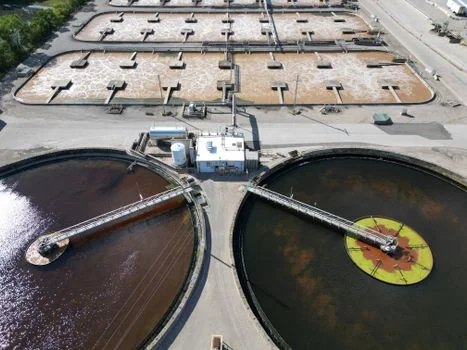
Budgeting for sewage treatment in Puebla requires a dual focus on initial Capital Expenditure (CapEx) and long-term Operational Expenditure (OpEx). For a standard 100 m³/h capacity, CapEx ranges from MXN 5M to 20M. MBR systems occupy the higher end due to membrane costs and advanced PLC automation, while DAF systems typically range between MXN 3.5M and 12M.
OpEx is driven by Puebla's utility rates and the altitude-related energy penalty. Energy costs average MXN 0.8-1.5 per cubic meter of treated water, and consumption often runs 20% higher than in coastal cities like Veracruz because blowers work harder in thinner air. Chemical costs (coagulants, flocculants, disinfectants) add another MXN 0.3-0.7/m³. Labor for a 24/7 industrial operation typically costs MXN 200,000-500,000 per year depending on automation level.
The Return on Investment (ROI) is driven by three factors:
- Water Reuse: With Puebla's water scarcity, treated effluent can be reused for cooling towers or irrigation, saving MXN 15-25/m³ in fresh water purchase costs.
- Fine Avoidance: Eliminating exposure to SEMARNAT fines (MXN 50K-5M) provides immediate "insurance" value.
- Incentives: Government programs sometimes offer accelerated depreciation for "green" equipment, improving the internal rate of return (IRR).
For a broader perspective on budgeting, consider global cost benchmarks for industrial wastewater treatment plants to see how Puebla's market pricing aligns with international standards.
Supplier Comparison Matrix: Puebla Sewage Treatment Equipment Providers
Selecting a supplier in Puebla requires more than comparing equipment prices. Local technical support and spare-parts availability are critical for minimizing downtime. In the Puebla valley, local support means technicians who can arrive on-site within 4 hours to troubleshoot blower failures or membrane fouling.
| Supplier | Key Products | Puebla Presence | Compliance Support | Spare Parts Lead Time |
|---|---|---|---|---|
| EcoMex | MBR, AI-Monitoring | Office in Puebla | Full SEMARNAT/CONAGUA | 24–48 Hours |
| SAVECO (WAM) | Screens, Sludge | Local Distributor | Technical Only | Ex-stock (Local) |
| ULTRAAQUA | UV Disinfection | Partner (AquaTech) | Limited | 1–2 Weeks |
| Local Fabricators | Tanks, Clarifiers | Direct (Puebla) | Variable | Immediate |
Red Flags for Puebla Buyers:
- Suppliers who cannot provide altitude-adjusted aeration calculations (OTE at 2,200 m).
- Lack of local references in the automotive or textile sectors.
- Vague performance commitments regarding 2026 SEMARNAT nitrogen and phosphorus limits.
- No inventory of critical spare parts (e.g., membrane modules, PLC cards) within Mexico.
A Low-Risk Selection Framework: 5 Steps to Choose the Right Equipment
This engineering-led sequence exists to avoid the compliance trap, where new equipment fails inspection within six months of startup. Each step produces a document your permitting authority or financier will ask for anyway.
Step 1: Characterize the Effluent
Conduct a 7-day composite sampling of your raw wastewater. Testing should cover COD, BOD, TSS, FOG, heavy metals, and nutrients. A certified lab test in Puebla typically costs MXN 5,000-20,000 but is essential for sizing.
Step 2: Match Technology to Limits
If your COD is above 500 mg/L, an MBR is likely necessary to meet the 150 mg/L SEMARNAT limit. If your primary concern is FOG from food processing, a DAF system is the more cost-effective primary treatment.
Step 3: Size for Peak Flow and Altitude
Puebla's rainy season can increase influent flow by 30-50% through storm-water infiltration in older industrial parks. Size the system for those peaks, and adjust all biological aeration for the 2,200 m altitude.
Step 4: Audit Supplier Compliance Documentation
Request a contracted compliance commitment in the agreement. The supplier should provide documentation showing their equipment has passed SEMARNAT inspections in similar Puebla-based facilities.
Step 5: Execute a Pilot Test
For complex industrial effluents, rent a mobile pilot system (10 m³/h) for 3 months. This costs MXN 200,000-500,000 but proves the technology works with your specific chemistry before you commit to a MXN 10M investment.
Next Step for Puebla Buyers
Comparing sewage treatment equipment suppliers in Puebla Mexico works best once your effluent data and target limits are on paper. Share your 7-day sampling results and flow profile through the request-a-quote page for an altitude-adjusted proposal. Procurement teams managing multiple regions can benchmark vendors against the Sewage Treatment Equipment Suppliers in Jharkhand 2026 guide, which applies the same spec-first screening method.
Frequently Asked Questions
Which MBR systems for high-altitude industrial wastewater Puebla plants should specify?
Puebla plants should specify MBR systems with altitude-adjusted flux of 20-25 LMH and COD removal of 95% or better. Integrated units cover 10-500 m³/day at 0.8-1.4 kWh/m³ and suit automotive, food and hospital duties. The 0.5 m²/m³/day footprint keeps package plants inside tight industrial lots. Ask every bidder to show the altitude correction behind their blower and membrane sizing before shortlisting.
What does SEMARNAT NOM-001 compliance for industrial effluent Puebla plants require?
Under NOM-001-SEMARNAT-2021, the 2026 limits for discharge into national water bodies include COD at or below 150 mg/L, TSS at or below 30 mg/L, and Total Nitrogen at or below 15 mg/L, with Hexavalent Chromium limited to 0.1 mg/L. Permitting needs a federal Environmental Impact Assessment (MIA), a CONAGUA discharge permit, and a state-level "Permiso de Descarga." The sequence usually takes 6 to 12 months.
Why does Puebla altitude adjusted aeration blower design wastewater treatment need 25-30% more air?
Atmospheric pressure at 2,200 m ASL is roughly 22% lower than at sea level, which cuts oxygen transfer efficiency in aeration basins. Field data indicates Puebla valley systems need 25-30% more air volume to hold the same dissolved oxygen as sea-level plants (EPA 2024 benchmarks). Blowers undersized on coastal calculations drift into septic conditions and failed inspections, so altitude-adjusted blower design is non-negotiable in every quotation.
How much does a 100 m³/h sewage treatment plant cost in Puebla?
A 100 m³/h MBR system typically costs between MXN 8M and 15M, while a DAF system for the same capacity ranges from MXN 6M to 10M. Those prices include equipment, basic installation, and initial permitting support. Across the wider market, standard plants at this size run MXN 5-20M, with DAF packages at MXN 3.5-12M and total projects spanning MXN 2M-50M.
Which sewage treatment system is best for Puebla's food processing plants?
DAF (Dissolved Air Flotation) systems are the recommended first stage because they remove up to 95% of fats, oils, and grease (FOG) prevalent in food processing, plus 92-97% of TSS. They are usually followed by an aerobic biological stage to reduce COD to limit. Choose suppliers offering 24/7 support, such as EcoMex or SAVECO distributors; smaller local fabricators often cover business hours only, which is a real risk for 3-shift operations.