Vermont’s Sewage Treatment Equipment Landscape: Key Suppliers and Technologies
Vermont’s sewage treatment equipment market is dominated by suppliers like SeptiTech, Champlin Associates, and P&H Senesac, but procurement teams need more than contact details—they require Vermont DEC-compliant specs, cost benchmarks, and a supplier decision framework. For example, municipal systems must achieve 85% BOD/TSS removal (EPA secondary treatment standards) while industrial facilities face stricter VT DEC permit limits (e.g., 30 mg/L TSS for food processing). This guide compares 5 top suppliers, including flow capacities (1–300 m³/h), energy efficiency (0.3–1.2 kWh/m³), and 2025 cost ranges ($12K–$250K for package plants), alongside a step-by-step procurement checklist.
In the Green Mountain State, the wastewater equipment landscape is bifurcated between high-density municipal centers like Burlington and the decentralized, rural infrastructure characteristic of the Northeast Kingdom. Facility managers often struggle with legacy systems that fail to meet the Phosphorus Total Maximum Daily Load (TMDL) requirements for the Lake Champlain basin. Selecting the right supplier depends heavily on the project scale: SeptiTech focuses on residential and small commercial STAAR® (Smart Treatment Aeration and Clarification) systems; Champlin Associates provides municipal-grade pumps, controls, and Algaewheel technologies; and P&H Senesac specializes in industrial dewatering and sludge management. For smaller-scale needs, Bundy’s Sewer and Drain and OnSite Septic Solutions provide essential localized septic and pump station equipment.
Vermont-specific challenges significantly influence equipment selection. The state's cold climate necessitates advanced freeze protection for outdoor tankage and biological processes that can maintain nitrification at temperatures below 5°C. Vermont’s regulatory framework is split: the Vermont Department of Environmental Conservation (VT DEC) oversees industrial discharge permits, often setting limits as low as 30 mg/L for Total Suspended Solids (TSS) in food processing, while the EPA mandates secondary treatment standards for municipal plants. Engineers must also account for nutrient-sensitive watersheds, where phosphorus removal technology is a non-negotiable requirement for any new installation or upgrade.
| Supplier | Primary Specialty | Scale Focus | Technology Focus |
|---|---|---|---|
| SeptiTech | Residential/Commercial Septic | Small (1–50 m³/h) | STAAR® Aeration Systems |
| Champlin Associates | Municipal/Industrial Pumps | Large (50–500+ m³/h) | Algaewheel, Pumps, Controls |
| P&H Senesac | Industrial Pretreatment | Medium to Large | DAF Systems, Dewatering |
| Bundy’s Sewer | Localized Septic Systems | Residential | Distribution Boxes, Tanks |
| OnSite Septic | Pump Stations | Small to Medium | Champion Pumps, Grease Traps |
Technical Specifications: Vermont DEC and EPA-Compliant Equipment Performance
Engineering a compliant system in Vermont requires strict adherence to the VT DEC Wastewater Management Regulations §5-401. For industrial facilities, particularly in the dairy and craft brewing sectors, discharge limits are often more stringent than federal secondary standards. A typical food processing permit in Vermont may cap TSS at 30 mg/L and BOD at 250 mg/L, whereas municipal systems are generally required to meet the EPA’s 85% removal rule (typically resulting in 30/30 mg/L limits). For medical facilities, compact medical wastewater treatment for Vermont clinics and hospitals must also address specific pathogens and ammonia levels, with VT DEC often requiring ammonia limits as low as 10 mg/L in sensitive trout streams.
Performance benchmarks vary significantly across supplier technologies. The SeptiTech STAAR® system is engineered for high-strength residential and commercial waste, achieving up to 92% TSS removal. For municipal upgrades, the Algaewheel systems distributed by Champlin Associates offer a low-energy biological solution capable of 95% BOD removal. In industrial settings, high-efficiency DAF systems for Vermont’s industrial pretreatment needs (4–300 m³/h) provided by firms like P&H Senesac are the industry standard for Fats, Oils, and Grease (FOG) removal, frequently reaching 97% efficiency. When high-purity effluent is required for direct discharge, Vermont-compliant underground sewage treatment plants (1–80 m³/h) utilizing Membrane Bioreactor (MBR) technology provide the highest level of treatment, though at a higher energy cost.
| Parameter | VT DEC Limit (Industrial) | EPA Standard (Municipal) | SeptiTech Performance | Champlin (Algaewheel) | P&H Senesac (DAF) |
|---|---|---|---|---|---|
| TSS (mg/L) | 30 mg/L | 30 mg/L (85% rem.) | <15 mg/L | <10 mg/L | <20 mg/L |
| BOD (mg/L) | 250 mg/L | 30 mg/L (85% rem.) | <20 mg/L | <10 mg/L | N/A (Pre-treat) |
| Ammonia (mg/L) | 10 mg/L | Site-specific | <5 mg/L | <2 mg/L | N/A |
| FOG (mg/L) | 100 mg/L | N/A | N/A | N/A | <10 mg/L |
Energy efficiency is a critical technical spec due to Vermont’s relatively high electricity costs, averaging $0.18/kWh. Conventional activated sludge systems typically consume 0.3–0.5 kWh/m³, while high-performance MBR systems range from 0.8–1.2 kWh/m³. Engineers must balance these operational costs against the footprint and effluent quality requirements. Understanding how Vermont’s industrial wastewater standards compare to Minnesota’s MPCA requirements can provide additional context for multi-state industrial operators looking to standardize their fleet of treatment equipment.
Cost Benchmarks for Vermont Sewage Treatment Projects: 2025 Data
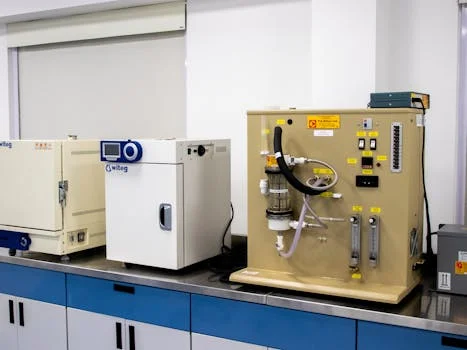
Budgeting for sewage treatment in Vermont requires accounting for the state’s unique economic drivers, including the 6% sales tax and prevailing wage requirements for municipal projects. In 2025, capital costs for residential package plants range from $12,000 to $50,000. Municipal-scale infrastructure projects frequently range from $250,000 for pump station upgrades to over $5 million for full plant rehabilitations. Industrial pretreatment systems, such as DAF units for food processors, typically fall between $80,000 and $1.2 million depending on flow capacity and the level of automation required (HydropureWater field data, 2025).
Installation costs in Vermont are significantly impacted by geography and climate. Remote installations in the Green Mountains can incur logistics premiums of 10–15%. More importantly, winter construction (November through April) typically adds a 15–20% premium due to the need for ground thawing, temporary heating, and specialized concrete curing protocols. VT DEC permit fees also add to the initial project cost, ranging from $500 for small residential systems to over $5,000 for large-scale industrial discharge permits. For a broader perspective on regional pricing, engineers can review the cost comparison for Vermont vs. Kansas wastewater projects.
| System Type | Flow Capacity (m³/h) | Capital Cost (2025) | Installation Cost | Annual O&M |
|---|---|---|---|---|
| Residential Septic | 1–5 | $15K–$35K | $10K–$20K | $500–$1,200 |
| Industrial DAF | 5–100 | $60K–$250K | $40K–$100K | $12K–$45K |
| Municipal Package | 50–200 | $300K–$950K | $150K–$400K | $50K–$120K |
| MBR Integrated | 10–80 | $120K–$450K | $80K–$200K | $25K–$70K |
Operation and Maintenance (O&M) costs are often overlooked during the procurement phase but represent the largest portion of the Total Cost of Ownership (TCO). In Vermont, certified wastewater operators command rates of $75–$120 per hour. Chemical costs for phosphorus precipitation, a common requirement in the Lake Champlain watershed, can add $0.05–$0.15 per cubic meter of treated water. For food processors, understanding how DAF systems solve Vermont’s food processing wastewater challenges is essential for calculating the ROI of high-efficiency solids removal versus municipal surcharges.
Supplier Comparison Matrix: Vermont’s Top 5 Sewage Treatment Equipment Providers
When evaluating suppliers, Vermont procurement teams must weigh local support against technological sophistication. Champlin Associates, for instance, maintains a significant advantage in municipal compliance due to their deep relationship with VT DEC and their local warehouse in Williston, which stocks critical pump and control components. Conversely, SeptiTech offers specialized expertise in decentralized "Innovative/Alternative" (I/A) systems, which are vital for rural Vermont developments where traditional leach fields are not feasible due to shallow bedrock or high water tables.
A significant limitation in the Vermont market is the lack of local manufacturers for specialized components like MBR membranes or large-scale DAF plates. Most of this equipment must be imported from out-of-state or international manufacturers, leading to lead times of 12–16 weeks for custom configurations. P&H Senesac mitigates this by offering rental units for dewatering and solids separation, providing a stop-gap for industrial facilities facing emergency permit violations or seasonal production spikes, such as those seen in Vermont's apple cider or dairy industries.
| Supplier | Compliance Expertise | Lead Time (Weeks) | Service Area | Decision Score (1-5) |
|---|---|---|---|---|
| Champlin Associates | VT DEC / EPA Municipal | 8–12 | Statewide | 4.8 (Support) |
| SeptiTech | I/A Septic Standards | 4–6 | Rural/Residential | 4.5 (Compliance) |
| P&H Senesac | Industrial Pretreatment | 10–14 | Chittenden/Addison | 4.2 (Scalability) |
| Bundy’s Sewer | Residential Code | 2–4 | Chittenden County | 3.5 (Cost) |
| OnSite Septic | Commercial Septic | 4–8 | Central Vermont | 3.8 (Support) |
The decision framework for procurement should be weighted based on project priorities. For a municipal upgrade in Burlington, "Compliance" and "Support" may be weighted at 40% each, favoring Champlin. For a private creamery in the Northeast Kingdom, "Capital Cost" and "Lead Time" might take priority, potentially favoring a modular package plant. It is also important to note that while some suppliers include installation in their quotes, others act strictly as equipment vendors, requiring the facility manager to hire a separate Vermont-licensed environmental contractor for the physical install.
Procurement Checklist: How to Select a Vermont Sewage Treatment Equipment Supplier
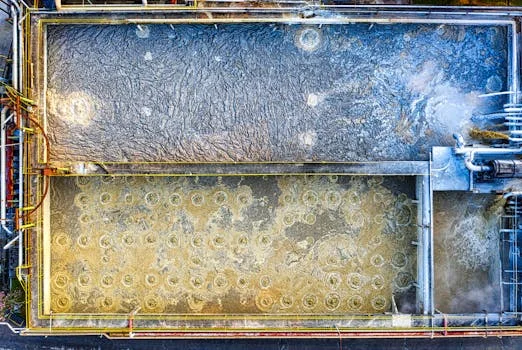
Selecting a supplier in Vermont requires a structured approach to ensure both technical performance and regulatory approval. Following this five-step framework will minimize the risk of permit violations and unforeseen construction costs.
- Step 1: Define Project Scope and Influent Characteristics. Before contacting suppliers, establish your average and peak flow rates (m³/h) and characterize your influent (BOD, TSS, FOG, pH). For example, a dairy processing plant in St. Albans needs 150 m³/h capacity with 30 mg/L TSS compliance to satisfy VT DEC Permit #WP-2025-045.
- Step 2: Request VT DEC-Compliant Specifications. Ask suppliers for documented proof that their equipment can meet Vermont’s specific discharge limits. Specifically, ask: "Has this system been approved by VT DEC for a similar application in Vermont within the last three years?"
- Step 3: Conduct a Total Cost of Ownership (TCO) Analysis. Do not select based on capital cost alone. Calculate the 10-year TCO including Vermont’s $0.18/kWh electricity rate, chemical consumption, and the cost of a VT-certified operator ($75–$120/hr).
- Step 4: Verify Local Service and Emergency Capabilities. Vermont winters can cause catastrophic equipment failure if freeze protection fails. Ensure the supplier has 24/7 emergency support and a local parts inventory (e.g., Champlin’s Williston warehouse). Ask about their response time for on-site technicians during a January "Polar Vortex" event.
- Step 5: Execute a Pilot Test or Site Visit. For industrial projects, request a 3-month pilot trial using rental equipment, such as P&H Senesac’s mobile DAF units. If a pilot isn't possible, visit a Vermont facility currently using the equipment to verify real-world performance under local climate conditions.
Frequently Asked Questions
What are the specific VT DEC discharge limits for food processing facilities?
Under Wastewater Management Regulations §5-401, most food processors are required to meet a TSS limit of 30 mg/L and a BOD limit of 250 mg/L for indirect discharge. Direct discharge to surface waters, especially in the Lake Champlain basin, may require phosphorus levels below 0.1 mg/L.
How does Vermont’s cold climate affect sewage treatment equipment?
Biological processes slow down significantly in cold weather. Suppliers must provide insulated tanks, heat tracing for exposed piping, and potentially larger reactor volumes to maintain the required Mean Cell Residence Time (MCRT) when water temperatures drop below 5°C.
Are there local Vermont suppliers for MBR membranes?
Currently, there are no primary manufacturers of MBR membranes located within Vermont. Suppliers like Champlin Associates distribute systems from national brands, but lead times for replacement membranes can range from 4 to 12 weeks depending on the manufacturer.
What is the typical lead time for a DAF system in Vermont?
For a custom-engineered Dissolved Air Flotation (DAF) system, Vermont facilities should budget 12 to 16 weeks from the time of submittal approval to delivery on-site. Rental units are often available within 1–2 weeks for emergency needs.