Industrial wastewater treatment for Nice's coastal discharge must hold effluent below 125 mg/L COD and 25 mg/L TSS under the permit regime built on EU Directive 91/271/EEC, and compliant systems in 2026 run €80,000–€400,000 in CAPEX depending on flow and technology.
Industrial Wastewater in Nice: Treatment Specs for Coastal Discharge
Nice sits on a sensitive stretch of the Mediterranean where industrial permits tighten well below the EU directive's coastal floor. Dischargers design for effluent below 125 mg/L COD and 25 mg/L TSS, influent chlorides up to 10,000 mg/L, and summer organic load spikes of 30% or more. Equipment in 316L stainless steel is standard practice here.
The core logic of industrial wastewater treatment applies anywhere in Europe, but three local constraints change the equipment list on this coast: sensitive-zone permit values, salinity from seawater intrusion, and a tourism-driven load swing. Each constraint is worked through below with the numbers that drive sizing and budget decisions.
According to Annex I of Directive 91/271/EEC, secondary treatment discharging to freshwater must reach 25 mg/L BOD₅, 125 mg/L COD and 35 mg/L TSS. Coastal discharges qualify for lighter EU minimums — BOD₅ 40 mg/L and TSS 35 mg/L above 10,000 PE — and no COD limit applies at directive level (Directive 91/271/EEC, Annex I). Permits on the Côte d'Azur go the other way. Nice Métropole writes sensitive-zone values into industrial consents: below 25 mg/L TSS and 125 mg/L COD, seasonal tightening from June to September for bathing waters, and salinity thresholds where sewers run near the sea. Inland consents in practice sit near 35 mg/L TSS and 150 mg/L COD (HydropureWater field data, 2025), which is why coastal projects carry heavier biology.
A recast Urban Wastewater Treatment Directive, (EU) 2024/3019, entered into force on 1 January 2025 and shifts obligations further (European Commission). For deadline-by-deadline planning, read EU Urban Wastewater Treatment Directive: Compliance, Deadlines & Tech.
Climate and geography compound the pressure. Saltwater intrusion into aging sewers pushes influent chlorides toward the 5,000–10,000 mg/L band, which is why 316L stainless is specified for tanks and piping. Tourism pushes organic strength about 30% higher in peak season, and the Haliotis plant already serves 470,000 PE across the metropole. One Nice hotel met the enforcement side in 2024: repeated FOG violations in coastal audits brought a €50,000 fine and a mandated DAF retrofit.
| Parameter | EU Directive 91/271/EEC Coastal Limit | Typical Inland EU Limit | Impact on Industrial Operations |
|---|---|---|---|
| TSS (Total Suspended Solids) | <25 mg/L | <35 mg/L | Requires advanced primary/secondary treatment |
| COD (Chemical Oxygen Demand) | <125 mg/L | <150 mg/L | Demands highly efficient biological treatment |
| BOD₅ (Biological Oxygen Demand) | <15 mg/L | <25 mg/L | Indicates stringent organic pollutant removal |
| Nitrogen (Total) | <10 mg/L (for >10,000 PE) | <15 mg/L (for >10,000 PE) | Requires nitrification/denitrification |
| Phosphorus (Total) | <1 mg/L (for >10,000 PE) | <2 mg/L (for >10,000 PE) | Requires chemical or biological P removal |
One nuance on the table above. The directive's own eutrophication table applies 10 mg/L nitrogen and 1 mg/L phosphorus to plants above 100,000 PE (Directive 91/271/EEC, Annex I, Table 2). Sensitive-zone consents around Nice apply the same values from 10,000 PE, so nutrient limits bite early here. Food and cosmetics plants end up installing chemical or biological phosphorus removal years before their inland peers do.
What Are Typical Influent Loads for Nice's Main Industries?
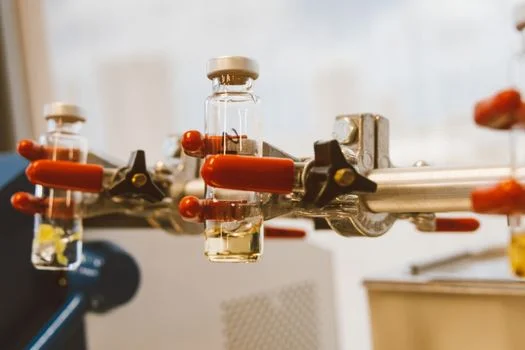
Food processing occupies the difficult end of the influent spectrum. Bakeries and seafood plants deliver COD of 1,500–3,000 mg/L with FOG at 300–800 mg/L, which points to DAF systems for high-FOG wastewater in Nice's food processing sector as the first treatment stage. Hospitality wastewater — hotels and restaurants across the city — typically runs COD 800–2,000 mg/L and TSS 200–500 mg/L, swinging with occupancy through the tourist season.
Seafood processing is the hardest profile on this coast: COD 2,000–4,000 mg/L, TSS 500–1,000 mg/L, and chlorides of 2,000–10,000 mg/L Cl⁻ from brine and marine inputs. Light manufacturing (cosmetics, plastics) is weaker organically, at COD 500–1,500 mg/L and TSS 100–300 mg/L, but swings pH across 3.0–11.0 and can carry chlorides to 10,000 mg/L from process water. Summer adds roughly 40% higher organic loads. Most sites we sample land mid-band in winter and near the top of the range in July and August, so equalization volume matters as much as reactor size.
| Industry | COD (mg/L) | TSS (mg/L) | FOG (mg/L) | Salinity (mg/L Cl⁻) | pH Range |
|---|---|---|---|---|---|
| Food Processing (e.g., bakeries, seafood) | 1,500–3,000 | 300–800 | 300–800 | 500–2,000 | 5.0–9.0 |
| Hospitality (e.g., hotels, restaurants) | 800–2,000 | 200–500 | 100–300 | 500–1,500 | 6.0–8.5 |
| Light Manufacturing (e.g., cosmetics, plastics) | 500–1,500 | 100–300 | <50 | 500–10,000 | 3.0–11.0 |
| Seafood Processing | 2,000–4,000 | 500–1,000 | 200–500 | 2,000–10,000 | 6.0–8.0 |
MBR System for Mediterranean Coastal Discharge Compliance
An MBR system for Mediterranean coastal discharge compliance pairs biological treatment with 0.1 μm PVDF membranes and consistently produces effluent below 10 mg/L TSS and 50 mg/L COD — comfortably inside Nice's permit values. The technology choice across DAF, MBR and chemical precipitation comes down to influent strength, available footprint, and whether water reuse is on the table.
- DAF systems: DAF systems for high-FOG wastewater in Nice's food processing sector use micro-bubble flotation to lift suspended solids, FOG and part of the COD. FOG removal reaches 90–95% with major TSS reduction (HydropureWater field data, 2025). DAF earns its place as the primary stage for food processing and hospitality loads. Industrial DAF CAPEX typically runs €150,000–€400,000, with OPEX of €0.50–€1.20/m³ driven by air compression and coagulants.
- MBR systems: MBR systems for Nice's coastal discharge compliance and water reuse combine biology with membrane filtration at 0.1 μm pore size and routinely deliver effluent below 10 mg/L TSS and 50 mg/L COD. Upfront cost runs about 20% above conventional activated sludge, but footprint drops by up to 60% — which matters on tight coastal sites. Industrial MBR CAPEX spans €200,000–€500,000 and OPEX €0.80–€1.50/m³, mostly aeration energy and membrane cleaning.
- Chemical precipitation: coagulants such as ferric chloride or aluminum sulfate strip heavy metals, phosphorus and suspended solids, with Automatic chemical dosing systems holding the dose stable. Alone, it rarely reaches coastal TSS and COD values, and high salinity reduces coagulant effectiveness. CAPEX sits lower at €50,000–€200,000 and OPEX at €0.30–€0.70/m³, mostly chemicals and sludge disposal. For dedicated phosphorus duty, chemical precipitation for phosphorus removal in Nice's industrial effluents is covered in a separate guide.
| Technology | Effluent Quality (TSS/COD) | Footprint | CAPEX (€) | OPEX (€/m³) | Best Use Case | Compliance Risk |
|---|---|---|---|---|---|---|
| Dissolved Air Flotation (DAF) | <50 mg/L TSS / <200 mg/L COD (Primary) | Medium | 150,000–400,000 | 0.50–1.20 | High FOG, suspended solids (pre-treatment) | Moderate (needs secondary for full compliance) |
| Membrane Bioreactor (MBR) | <10 mg/L TSS / <50 mg/L COD (Secondary/Tertiary) | Small (60% less than conventional) | 200,000–500,000 | 0.80–1.50 | Strict coastal limits, water reuse, limited space | Low (high-quality effluent) |
| Chemical Precipitation | Variable, often >50 mg/L TSS / >200 mg/L COD (Primary/Tertiary for specific pollutants) | Medium | 50,000–200,000 | 0.30–0.70 | Heavy metal removal, phosphorus removal, pH adjustment | High (alone for coastal limits) |
Industrial Wastewater CAPEX and OPEX in Nice, France: 2026 Cost Models
Industrial wastewater CAPEX and OPEX in Nice, France track capacity bands more than brand names in 2026. Small package plants (10–50 m³/h) cost €80,000–€250,000; medium systems (50–150 m³/h) run €250,000–€400,000; large installations (150–300 m³/h) reach €400,000–€700,000. Budget another 20–30% for civil works, installation and commissioning — the line first-time buyers most often underfund.
OPEX splits are stable across vendors. Energy takes 40–50%, chemicals 20–30%, labor 10–20% and maintenance 10–15%. DAF systems operate at €0.50–€1.20/m³, while MBR systems for Nice's coastal discharge compliance and water reuse run €0.80–€1.50/m³ because membrane aeration and cleaning add load. Influent strength and the effluent target set where you land inside those bands.
ROI comes from three directions: reuse savings of €0.30–€0.50/m³, avoided fines of €5,000–€50,000 per violation, and sewer-discharge fee savings of €0.20–€0.40/m³ on improved effluent. One Nice food plant cut OPEX 30% and reached payback in 18 months after replacing basic chemical precipitation with a DAF system for high-FOG wastewater in Nice's food processing sector, mostly through lower chemical consumption and steadier compliance. When we model industrial wastewater treatment against Nice coastal discharge permits at that scale, the reuse line usually decides the DAF-versus-MBR question.
The reuse upside is municipal as well as industrial. The €700M Haliotis 2 project will recycle 5 million m³ of treated wastewater per year for cleaning and watering Nice's public spaces (Haliotis 2 project site). The plant is also designed to produce four times more energy than it consumes. Industrial sites that treat to reuse grade plug into the same framework — irrigation, street cleaning, cooling make-up.
| Cost Category | Small System (10-50 m³/h) | Medium System (50-150 m³/h) | Large System (150-300 m³/h) |
|---|---|---|---|
| CAPEX (Equipment Only) | €80,000 – €250,000 | €250,000 – €400,000 | €400,000 – €700,000 |
| Civil Works & Installation (20-30% of CAPEX) | €16,000 – €75,000 | €50,000 – €120,000 | €80,000 – €210,000 |
| Total Project CAPEX (Estimate) | €96,000 – €325,000 | €300,000 – €520,000 | €480,000 – €910,000 |
| OPEX (per m³) | €0.50 – €1.50 (DAF/MBR dependent) | €0.50 – €1.50 (DAF/MBR dependent) | €0.50 – €1.50 (DAF/MBR dependent) |
| Energy (% of OPEX) | 40-50% | 40-50% | 40-50% |
| Chemicals (% of OPEX) | 20-30% | 20-30% | 20-30% |
| Labor & Maintenance (% of OPEX) | 20-35% | 20-35% | 20-35% |
High Salinity Industrial Wastewater in Nice: Treatment and Materials
High salinity industrial wastewater in Nice — chlorides of 5,000–10,000 mg/L from seawater intrusion, brine and seafood processing — sets the materials bill before any process choice is made. Carbon steel is off the table. Plants here specify 316L stainless steel for tanks, piping and wetted components, HDPE or PVC for chemical lines, and coated concrete for channels and sumps. Longevity on this coast is a materials decision first and a process decision second.
Salinity reaches into the biology as well. Chloride above roughly 5,000 mg/L suppresses microbial activity, so we derate organic loading on salty streams and use equalization to dilute peaks before the bioreactor. Membrane suppliers must sign off on the chloride band of your influent, since standard membranes foul faster and lose flux in salty service. For the concentrate end of the train, RO systems for high-salinity wastewater in Nice's coastal industries cover energy costs and fouling-resistant design in detail.
A Compliance-Ready Framework for Meeting Nice's Coastal Discharge Limits
Nice's coastal discharge limits are met as a staged chain: screen, float, oxidize, disinfect, monitor, document. Each stage below carries the specification we would put in a tender document.
- Pre-treatment: GX Series Rotary Mechanical Bar Screens remove solids larger than 5 mm before they reach pumps and valves. Flow equalization tanks absorb summer flow and load spikes, feeding downstream stages a steady rate.
- Primary treatment: for high-FOG loads, a DAF system for high-FOG wastewater in Nice's food processing sector removes 90–95% of FOG and 60–80% of TSS. On lighter effluents, conventional sedimentation reaches similar TSS cuts at lower cost.
- Secondary treatment: MBR systems for Nice's coastal discharge compliance and water reuse hold effluent below 25 mg/L TSS and 125 mg/L COD, usually well below. Conventional activated sludge with secondary clarification also meets the limits where footprint allows.
- Tertiary treatment: disinfection uses EU-compliant ClO₂ generators for Nice's tertiary wastewater treatment aligned with EU Directive 98/83/EC, or UV. Advanced filtration or RO covers high-salinity streams and reuse duties, specified as in RO systems for high-salinity wastewater in Nice's coastal industries.
- Monitoring: real-time pH, TSS and COD sensors with automatic alerts on limit breaches. Typical accuracy is ±0.1 pH, ±5% TSS and ±10% COD — tight enough to trust the compliance record.
- Documentation: monthly effluent test results, maintenance logs, chemical consumption records and an emergency response plan form the standing set Nice Métropole expects.
Next Steps: Sizing and Budgeting a Coastal Discharge System in Nice
Food processors, hotels, seafood plants and light manufacturers within the metropole all fit the profiles above. The fastest route to a number is a sizing pass against your actual consent values. Send the influent profile and permit limits through our coastal discharge sizing and budget request and receive a DAF/MBR shortlist with an OPEX split. Teams also running Gulf projects can compare permit regimes in the Ajman Industrial Effluent Guide: 2026 Specs and Compliance.
Frequently Asked Questions
What is the DAF system cost for industrial wastewater in France?
Industrial DAF systems in France typically cost €150,000–€400,000 in CAPEX for 100–300 m³/h duties, with OPEX of €0.50–€1.20/m³ for energy and coagulants. Package plants at 10–50 m³/h start nearer €80,000. Most food-processing sites we quote pair the DAF with downstream biology, so budget it as pre-treatment rather than the complete system.
How does Nice's water reuse policy affect treatment ROI?
Treating to reuse grade cuts potable-water purchases by €0.30–€0.50/m³ and shortens MBR payback, often decisively at flows above 100 m³/h. The Haliotis 2 program will reuse 5 million m³ of treated wastewater per year for cleaning and irrigation of public spaces (Haliotis 2 project site). The plant is designed to export four times the energy it consumes. Industrial sites gain the same levers: irrigation, street cleaning and cooling make-up.
What are the most common reasons for failed coastal discharge audits in Nice?
Failed audits trace mainly to FOG, TSS and COD exceedances, usually from missing DAF pre-treatment, undersized or poorly maintained biology, or absent tertiary stages. Summer load swings expose the undersizing. pH excursions and accidental heavy-metal discharges complete the picture. A €50,000 fine plus a mandated DAF retrofit hit one Nice hotel in 2024 after repeated FOG violations — the typical enforcement path.
Are there material requirements for treatment equipment in Nice due to salinity?
Yes — chloride levels up to 10,000 mg/L rule out plain carbon steel. Specify 316L stainless steel for tanks, piping and wetted rotating parts, HDPE or PVC for chemical lines, and coated concrete for channels. Biology also needs derating on salty streams. Equipment and membrane suppliers should confirm suitability for your chloride band before order placement.
What is the difference between DAF and MBR for coastal discharge compliance?
DAF removes suspended solids, FOG and part of the COD physically, reaching 90–95% FOG removal, and works best as pre-treatment ahead of biology. MBR combines biological treatment with 0.1 μm membrane filtration and delivers effluent below 10 mg/L TSS and 50 mg/L COD in a single stage, at up to 60% less footprint than conventional activated sludge. Most compliant Nice designs with reuse goals run DAF ahead of MBR.