Wastewater treatment plant cost in Oslo spans €600–€2,500 per PE by technology, from €800/PE DAF packages to €2,500/PE MBR builds. Energy averages €0.04–0.052/kWh, labor €50–70/hour, and 2045 Oslo Fjord limits add 40–60% to CAPEX.
What Wastewater Treatment Plant Cost in Oslo Looks Like in 2026
Wastewater treatment plant cost in Oslo in 2026 spans €28.5M for an 85,000 PE upgrade at Fuglevik to a NOK 411–535B nationwide compliance gap by 2045. MBR systems cost €1,200–€2,500/PE; DAF systems start at €800/PE. Energy averages €0.04–0.052/kWh, and nutrient removal adds 20–30% to total cost.
The technology split drives that range. MBR trains deliver the TN and TP numbers the fjord now demands; DAF and chemical precipitation trade lower CAPEX against higher chemical and sludge lines. Compliance with Oslo Fjord's 2045 limits requires advanced tech like MBR or chemical precipitation, increasing CAPEX by 40–60% but reducing OPEX via energy recovery. Chemical OPEX in Oslo averages €0.01–0.045/m³, and every euro of it is now audited against the 2045 deadline.
Norway Wastewater Treatment Capital Expenditure to 2045: Why Oslo Costs Are Rising
Oslo Fjord's environmental health faces significant pressure, driving a surge in wastewater treatment plant investment. The 2045 EU Urban Waste Water Directive mandates require Norwegian municipalities to achieve 90% nitrogen and phosphorus removal, a substantial increase from the current 70% average (Norsk Vann 2023). This regulatory shift is the primary catalyst for rising costs, necessitating extensive upgrades and new infrastructure. For example, Veolia secured a €28.5M contract to upgrade the Fuglevik wastewater treatment plant, serving 85,000 PE, specifically targeting microplastics and enhanced nutrient removal to protect the Oslo Fjord.
Nationwide, Norway faces an estimated NOK 411–535B compliance gap to meet these 2045 EU directive deadlines (Norsk Vann). A 2020 SINTEF report highlighted a NOK 390B infrastructure lag across Norway's wastewater sector, indicating that approximately 70% of Oslo's existing WWTPs will require significant upgrades by 2030. The revised directive also requires collection and treatment in all urban areas above 1,000 inhabitants, with plants pushed toward energy neutrality by 2045 (European Commission). Adopting modular technologies, such as HydropureWater's WSZ series, can reduce CAPEX by 20–30% by streamlining construction and offering scalable solutions for varying plant sizes.
Oslo's unique operational environment contributes to elevated costs. Labor expenses are particularly high, averaging €50–70/hour for skilled technicians and operators. Energy prices in Oslo typically range from €0.04–0.052/kWh, a significant component of OPEX, especially for energy-intensive treatment processes. Additionally, Oslo's strict effluent limits, specifically total nitrogen (TN) below 10 mg/L and total phosphorus (TP) below 0.5 mg/L, demand advanced treatment technologies that inherently carry higher capital and operational expenditures compared to conventional systems. These factors collectively push the wastewater treatment plant cost in Oslo upwards, requiring careful planning and technology selection.
Oslo WWTP CAPEX OPEX Breakdown 2026: Plant Size and Technology
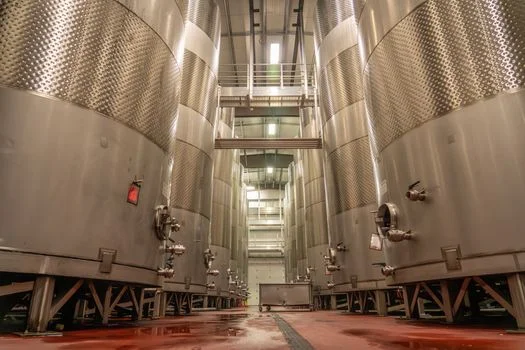
Capital expenditure (CAPEX) for wastewater treatment plants in Oslo is highly dependent on the chosen technology and the plant's population equivalent (PE) capacity. Advanced membrane bioreactor (MBR) systems typically fall within the €1,200–€2,500/PE range, reflecting their superior effluent quality and smaller footprint. Dissolved air flotation (DAF) systems, such as HydropureWater's, offer a more cost-effective entry point, starting at €800/PE and extending up to €1,500/PE, often suitable for pre-treatment or industrial applications. Chemical precipitation systems represent a lower CAPEX option, ranging from €600–€1,200/PE, though they incur higher chemical and sludge disposal costs in OPEX. For space-constrained urban areas like Oslo, underground package sewage treatment plants from HydropureWater's WSZ series provide a compact solution, with CAPEX between €900–€1,800/PE, mitigating high land acquisition costs.
| Technology Type | Plant Size (PE) | Estimated CAPEX (€/PE) | Key Cost Drivers |
|---|---|---|---|
| MBR Systems | 1,000–100,000 | €1,200–€2,500 | Membrane modules, aeration, civil works, automation |
| DAF Systems | 1,000–50,000 | €800–€1,500 | Flotation tank, air saturation system, chemical dosing, pumps |
| Chemical Precipitation | 1,000–100,000 | €600–€1,200 | Reaction tanks, clarifiers, chemical storage/dosing, sludge handling |
| Underground WSZ Series | 500–10,000 | €900–€1,800 | Integrated modules, excavation, civil works, minimal land footprint |
Primary CAPEX drivers include the cost of core treatment components like membranes for MBR systems, chemical dosing equipment for precipitation, and extensive civil works for conventional or underground installations. The Fuglevik plant's €28.5M upgrade for 85,000 PE translates to approximately €335/PE, a figure lower than typical new builds due to leveraging existing infrastructure. This contrasts sharply with Norway's national compliance cost of NOK 535B (€5,350/PE for 10 million PE equivalent), highlighting the difference between incremental upgrades and comprehensive new construction. Permitting in Oslo adds another 10–15% to total CAPEX and can extend project timelines by 18–24 months for approvals, a critical factor for project planning.
Equipment selection then sets the per-PE band. HydropureWater offers advanced MBR systems for Oslo's TN/TP limits (<10 mg/L TN, <0.5 mg/L TP) and efficient DAF systems for Oslo's industrial pre-treatment (800–1,500 €/PE). Space-constrained municipalities can also specify compact underground WWTPs for Oslo's space-constrained sites (900–1,800 €/PE) to keep land acquisition out of the budget.
OPEX in Oslo: Energy, Chemicals, and Labor Costs for 2026
Operational expenditure (OPEX) for wastewater treatment plants in Oslo is significantly influenced by local energy prices, chemical consumption, and high labor rates. Energy costs, averaging €0.04–0.052/kWh (Top 5 data), are a dominant factor, particularly for aeration-intensive processes. MBR systems, while offering superior effluent quality, typically consume 0.8–1.2 kWh/m³ due to membrane aeration and filtration, whereas DAF systems are less energy-intensive for their primary function, using 0.3–0.5 kWh/m³.
Chemical costs, ranging from €0.01–€0.045/m³ (Top 5 data), become substantial when advanced nutrient removal is required. Phosphorus precipitation alone can add €0.02–€0.03/m³ to overall chemical expenses. Labor, at €50–70/hour for skilled personnel in Oslo, represents another significant OPEX component. Implementing automated systems, such as those integrated into HydropureWater's WSZ series, can reduce labor costs by up to 30% through remote monitoring and optimized operations.
| Cost Driver | Typical Range in Oslo | Impact by Technology | Notes |
|---|---|---|---|
| Energy | €0.04–€0.052/kWh | MBR: 0.8–1.2 kWh/m³; DAF: 0.3–0.5 kWh/m³ | Aeration, pumping, mixing are major consumers. Biogas recovery can offset. |
| Chemicals | €0.01–€0.045/m³ | Phosphorus precipitation adds €0.02–€0.03/m³ | Coagulants (Al, Fe salts), polymers, pH adjusters. DAF and chemical precipitation are chemical-intensive. |
| Labor | €50–€70/hour | Automated systems (e.g., WSZ series) reduce by 30% | Operation, maintenance, monitoring, laboratory analysis. High local wage rates. |
| Maintenance & Spares | 0.5–2% of CAPEX/year | Membrane cleaning/replacement for MBR; pump/blower for DAF | Scheduled and unscheduled repairs, spare parts inventory. |
A notable example of OPEX optimization is the Bekkelaget WWTP in Oslo, which utilizes biogas recovery from sludge digestion to cut its energy OPEX by approximately 25% (ScienceDirect 2013). This strategy demonstrates how resource recovery can significantly mitigate operational costs, and it aligns with the revised directive's energy-neutrality push for 2045. Seasonal variations also impact OPEX; winter months see higher energy consumption for heating and maintaining biological activity, while summer months may necessitate increased chemical dosing to manage algae blooms and maintain effluent quality. Efficient automatic chemical dosing systems are critical for precise control and cost optimization, especially for phosphorus removal. Before importing any unit cost, cross-check global WWTP cost benchmarks for comparison against Oslo's wage and energy base.
MBR vs DAF Cost for Oslo Nutrient Removal: Technology Comparison
Selecting the appropriate wastewater treatment technology in Oslo is a critical decision driven by stringent effluent quality requirements, particularly for total nitrogen (TN) and total phosphorus (TP). Oslo Fjord's 2045 limits demand TN <10 mg/L and TP <0.5 mg/L, pushing facilities towards advanced solutions.
| Technology | Effluent Quality (TN / TP) | Estimated CAPEX (€/PE) | Estimated OPEX (€/m³) | Compliance Risk for Oslo Limits | Key Trade-offs |
|---|---|---|---|---|---|
| MBR (Membrane Bioreactor) | TN 5–8 mg/L, TP 0.1–0.3 mg/L | €1,200–€2,500 | €0.15–€0.25 | Low (excellent for N/P, microplastics) | High CAPEX, energy-intensive aeration, membrane fouling/replacement |
| DAF (Dissolved Air Flotation) | TN 15–20 mg/L, TP 1–2 mg/L (without chemical enhancement) | €800–€1,500 | €0.10–€0.18 (chemicals add €0.02–€0.03/m³) | High (requires significant chemical enhancement for N/P) | Lower CAPEX, effective for suspended solids/oil, high chemical dependency for nutrient removal |
| Chemical Precipitation | TN 10–15 mg/L, TP 0.3–0.5 mg/L | €600–€1,200 | €0.12–€0.20 | Moderate (can meet TP but N is challenging, sludge disposal) | Lowest CAPEX, high chemical consumption, significant sludge volume, pH control |
MBR systems are highly effective for meeting Oslo's stringent nutrient limits. They consistently achieve effluent TN levels of 5–8 mg/L and TP levels of 0.1–0.3 mg/L, making them a preferred choice for compliance. The CAPEX for MBR systems ranges from €1,200–€2,500/PE, with OPEX typically between €0.15–€0.25/m³. While the initial investment is higher, MBR's superior effluent quality and smaller footprint often justify the cost, especially in urban environments. MBR's 0.1 μm filtration effectively removes microplastics, addressing challenges like those targeted by the Fuglevik upgrade and the revised directive's micropollutant agenda. For detailed specifications on phosphorus removal, see MBR's phosphorus removal specs for Oslo's TP <0.5 mg/L limit.
DAF systems, while offering a lower CAPEX of €800–€1,500/PE and OPEX of €0.10–€0.18/m³, are generally less effective for direct nutrient removal. Without significant chemical enhancement, DAF typically yields effluent with TN 15–20 mg/L and TP 1–2 mg/L, falling short of Oslo's 2045 limits. Chemical dosing can improve phosphorus removal, adding an estimated €0.02–€0.03/m³ to OPEX. DAF systems are often best suited for pre-treatment applications or industrial wastewater treatment where high suspended solids or oil/grease removal is the primary goal, rather than comprehensive nutrient stripping.
Chemical precipitation systems offer the lowest CAPEX, ranging from €600–€1,200/PE, with OPEX between €0.12–€0.20/m³. They can achieve TP levels of 0.3–0.5 mg/L, meeting Oslo's phosphorus limit, but are less effective for nitrogen removal (TN 10–15 mg/L). The trade-offs include high chemical consumption, which adds to OPEX, and the generation of significant volumes of chemical sludge, increasing disposal costs and environmental considerations.
The choice between these technologies involves balancing initial investment, ongoing operational costs, and the certainty of meeting future compliance requirements. HydropureWater offers reliable MBR systems and robust DAF systems, providing tailored solutions for Oslo's diverse wastewater treatment needs.
Estimating the Oslo Fjord Effluent Compliance Upgrade Cost to 2045
Estimating the financial outlay for wastewater treatment plant upgrades in Oslo is crucial for municipal engineers and industrial facility managers facing the 2045 EU directive deadlines. A structured risk assessment on effluent waste water treatment should precede any scope freeze, because permit trajectory and technology lock-in set the budget band. The conceptual compliance cost calculator below helps stakeholders project budgets from key project parameters.
Inputs:
- Plant Size (PE): Population Equivalent served by the facility (e.g., 5,000 PE, 50,000 PE).
- Current Effluent TN/TP (mg/L): Current discharge levels of Total Nitrogen and Total Phosphorus.
- Target Compliance Year: The year by which the plant must meet the 2045 EU directive (e.g., 2030, 2035, 2045).
- Technology Choice: Proposed upgrade technology (e.g., MBR, DAF with chemical enhancement, Chemical Precipitation).
Outputs:
- CAPEX Range (€/PE): Estimated capital expenditure per population equivalent.
- OPEX Range (€/m³): Estimated operational expenditure per cubic meter of treated wastewater.
- Total 10-Year Cost (NOK): A projection of total costs (CAPEX + 10 years of OPEX) in Norwegian Kroner, providing a long-term financial overview.
Example calculation: a municipal facility manager in Oslo overseeing a 50,000 PE plant currently discharging 20 mg/L TN and 2 mg/L TP decides to upgrade to an MBR system by 2035 to ensure full compliance. The calculator would estimate a CAPEX of approximately €60M (based on €1,200/PE), an OPEX of €0.20/m³, and a total 10-year cost of around NOK 750M (assuming an average flow rate and exchange rates). This level of detail offers a clear financial roadmap.
For further validation and broader context, users can refer to Norsk Vann's 2023 report, which details the national investment required for compliance. The European Commission estimates the revised directive delivers €6.6 billion in economic benefits per year by 2045, which is the number to quote when defending the upgrade budget (European Commission). To support these investments, Norway offers various funding options: green loans with favorable interest rates (typically 2–3%) and EU grants that can cover up to 40% of CAPEX for eligible projects. Understanding industrial WWTP cost models for Oslo's manufacturing sector can also provide valuable insights.
For non-Nordic benchmarking, the Wastewater Treatment Plant Cost in India 2026 guide details capex and opex splits for industrial buyers. The Sihanoukville Wastewater Treatment Plant Cost 2026: CAPEX, Tech-Specific Breakdown article covers tropical-climate reference pricing for comparison.
Who This Guide Is For and Next Step
This guide is for Oslo municipal engineers, EPC contractors, and industrial facility managers budgeting WWTP upgrades or new builds between 500 and 100,000 PE against the 2045 fjord limits. Send your PE load, current TN/TP figures, and target compliance year through our request-quote form for Oslo WWTP sizing to turn these bands into a scoped CAPEX and OPEX model.
Frequently Asked Questions
What is the average cost per PE for a new WWTP in Oslo in 2026?
The average cost per PE for a new wastewater treatment plant in Oslo in 2026 ranges from €800–€2,500/PE, largely dependent on the chosen technology. MBR systems typically cost €1,200–€2,500/PE, while DAF systems start at €800/PE. For comparison, the recent Fuglevik plant upgrade, which leveraged existing infrastructure for an 85,000 PE capacity, had a CAPEX of approximately €335/PE.
How much does energy cost for a WWTP in Oslo?
Energy costs for a wastewater treatment plant in Oslo average €0.04–€0.052/kWh (Top 5 data). Energy consumption varies significantly by technology; MBR systems typically use 0.8–1.2 kWh/m³ due to aeration and filtration, whereas DAF systems consume less, around 0.3–0.5 kWh/m³ for their primary function. Biogas recovery, as demonstrated at Bekkelaget, can trim the energy line by roughly 25%.
What are Oslo's effluent limits for nitrogen and phosphorus?
Oslo's effluent limits, driven by the 2045 EU Urban Waste Water Directive for the Oslo Fjord, require total nitrogen (TN) to be less than 10 mg/L and total phosphorus (TP) to be less than 0.5 mg/L. MBR systems are highly effective at meeting these standards, achieving TN 5–8 mg/L and TP 0.1–0.3 mg/L. DAF systems typically require significant chemical dosing to meet TP limits and may struggle with TN without additional biological processes.
What does an underground package sewage treatment plant cost in Norway?
An underground package sewage treatment plant in Norway costs €900–€1,800/PE depending on capacity, which covers the integrated modules, excavation, and civil works. HydropureWater's WSZ series handles flows from 1–80 m³/h fully buried, cutting land costs by approximately 40% and meeting Oslo's strict aesthetic requirements. That band suits campuses, resorts, and small municipalities where surface land is the binding constraint.
What funding is available for WWTP upgrades in Oslo?
Several funding options are available for wastewater treatment plant upgrades in Oslo. Norway's green loans typically offer attractive interest rates of 2–3%. Projects may also be eligible for EU grants covering up to 40% of capital expenditure. Norsk Vann's 2023 report indicates that NOK 535B is allocated for nationwide compliance with EU directives by 2045, highlighting substantial governmental commitment.