Why Ipoh’s Sewage Treatment Needs Are Unique in 2025
Ipoh’s industrial output grew 8% YoY in 2024, significantly increasing the volume of complex effluent entering the city’s aging sewerage infrastructure. This growth, particularly in sectors like food processing, electronics, and metal finishing, has placed immense pressure on existing treatment systems. According to the Perak State Economic Report 2024, the rapid expansion of industrial parks such as Meru Raya and Tasek has outpaced municipal upgrades, forcing many factories to implement decentralized on-site treatment solutions to maintain operations.
The Department of Environment (DOE) has responded to this industrial surge with heightened enforcement. In 2023, the DOE issued 42 non-compliance notices to Ipoh-based factories, a 15% increase from the previous year, as documented in the DOE Annual Enforcement Report. These notices often stem from outdated treatment technologies that cannot handle fluctuating organic loads or high concentrations of suspended solids. For plant engineers, the risk is no longer just a fine; it is the potential for total operational shutdowns during peak production cycles.
Climatic factors in Perak introduce additional engineering constraints. The monsoon season, typically spanning October to March, creates high flood risks that can inundate low-lying treatment plants. Equipment in this region requires IP68-rated submersible pumps and elevated control panels to prevent catastrophic electrical failure during heavy rainfall. Ipoh’s average relative humidity of 80% creates a highly corrosive environment, making standard carbon steel components obsolete within 3 to 5 years. For long-term reliability, a compact underground sewage treatment system for Ipoh’s limited land availability constructed from fiberglass-reinforced plastic (FRP) or stainless steel 316L is now considered the engineering standard.
Common pain points for Ipoh procurement managers include escalating odor complaints from encroaching residential developments and the prohibitive costs of sludge disposal. As land prices in Kinta Valley rise, the footprint of the treatment plant becomes a critical financial variable. Traditional lagoons are being replaced by high-efficiency mechanical systems that offer 70-80% land savings while meeting the stringent discharge limits required by the Perak DOE.
Key Malaysian Wastewater Standards and Ipoh-Specific Compliance
DOE Class IIB discharge limits for industrial effluent mandate BOD levels below 20 mg/L, COD below 120 mg/L, and suspended solids below 50 mg/L. These standards, governed by the Environmental Quality (Sewage) Regulations 2009, are the baseline for any equipment evaluation in Ipoh. However, the Perak State DOE often applies more rigorous monitoring for heavy metals in specific industrial zones. For instance, facilities in Meru Raya may face limits as strict as Pb < 0.1 mg/L and Cr < 0.05 mg/L to protect local groundwater resources.
New 2025 DOE guidelines have introduced a mandate for real-time online monitoring for all plants with a capacity exceeding 50 m³/h. This requires the integration of IoT-enabled sensors for pH, dissolved oxygen (DO), turbidity, and flow rates. Suppliers must now provide detailed engineering specs for underground sewage treatment systems that include SCADA compatibility to ensure data is transmitted directly to regulatory dashboards. Failure to provide real-time data can result in immediate non-compliance status, regardless of actual water quality.
The permit application process in Perak typically spans 3 to 6 months. It requires a comprehensive Environmental Impact Assessment (EIA), detailed plant layouts, and a process flow diagram (PFD) certified by a Professional Engineer (PE). Common reasons for permit rejection in Ipoh include inadequate sludge handling capacity and the lack of a redundant power supply for aeration systems. To avoid these delays, procurement managers should verify that their chosen integrated wastewater treatment plant specifications 2025 engineering data standards align with both national and state-specific requirements.
| Requirement | DOE Class IIB Limit | Recommended Equipment Feature | Compliance Pass/Fail Criteria |
|---|---|---|---|
| Biological Oxygen Demand (BOD) | < 20 mg/L | Fine bubble diffusers / MBR membranes | 90%+ removal efficiency |
| Chemical Oxygen Demand (COD) | < 120 mg/L | Advanced oxidation or DAF pretreatment | 85%+ removal efficiency |
| Suspended Solids (SS) | < 50 mg/L | MBR or Polymer-assisted DAF | 95%+ removal efficiency |
| pH Range | 5.5 – 9.0 | Automated acid/alkali dosing pumps | Continuous 24/7 monitoring |
| Oil & Grease | < 5.0 mg/L | DAF system with surface skimmers | Visual inspection + Lab test |
| Ammoniacal Nitrogen | < 10.0 mg/L | Nitrification/Denitrification zones | Monthly effluent sampling |
| Heavy Metals (Perak Zone) | < 0.05 - 0.5 mg/L | Ion exchange or specific precipitation | Quarterly heavy metal audit |
| Sludge Management | Mandatory | Filter press or centrifuge dewatering | Sludge moisture < 80% |
| Real-time Monitoring | Mandatory (>50m³/h) | IoT gateway + Digital sensors | Uptime > 98% |
| Odor Control | Mandatory (Near Urban) | Bio-filters or activated carbon scrubbers | Zero community complaints |
Top 5 Sewage Treatment Equipment Suppliers in Ipoh: Technical Specs Compared
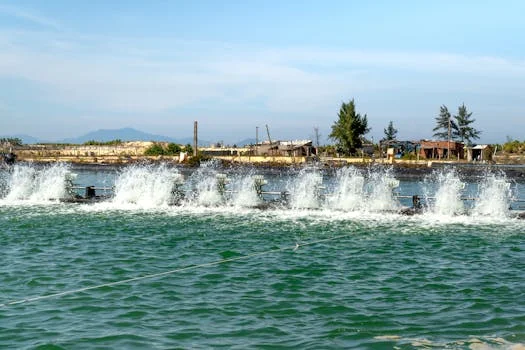
Leading sewage treatment suppliers in Ipoh offer system capacities ranging from 1 m³/h to over 500 m³/h, utilizing a variety of biological and physical-chemical technologies. When evaluating these providers, it is essential to compare not just the initial price, but the removal efficiency and footprint requirements of their flagship systems. For instance, an MBR system for water reuse in Ipoh’s industrial parks offers significantly higher effluent quality than a standard activated sludge plant but requires a higher degree of technical oversight.
The following table compares the five primary equipment types available through local suppliers in the Perak region. This data is compiled based on 2025 engineering benchmarks for the Ipoh market.
| Supplier Type | Primary Technology | Flow Range (m³/h) | BOD Removal (%) | Footprint | Automation | Construction | Lead Time |
|---|---|---|---|---|---|---|---|
| FRP Specialist | WSZ Underground | 1 – 80 | 90% | Ultra-Compact | Full (PLC) | FRP / SS304 | 12 Weeks |
| Industrial DAF Provider | Dissolved Air Flotation | 4 – 200 | 70% (95% TSS) | Medium | Manual/Semi | SS304 | 8 Weeks |
| Pump & Component Dealer | Submersible Systems | < 10 | Variable | Small | Basic | Cast Iron/SS | 2-4 Weeks |
| MBR Systems Expert | Membrane Bioreactor | 10 – 500 | 98% | Compact | Full (Remote) | SS316L | 16 Weeks |
| Modular RO/Bio Provider | Hybrid Skid-Mount | 20 – 300 | 97% | Medium | Full (PLC) | Coated Steel | 10 Weeks |
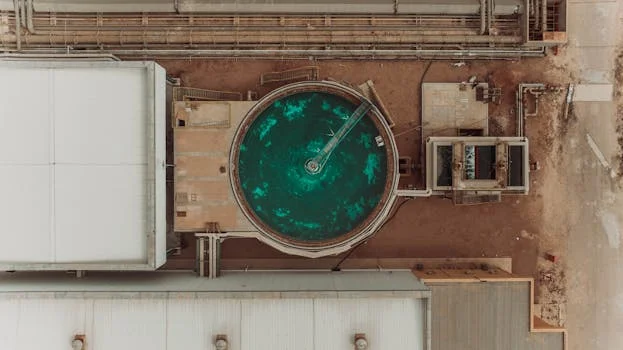
For projects where land is at a premium, the FRP Specialist’s WSZ series is the optimal choice. It utilizes a multi-stage biological contact oxidation process housed entirely underground, making it ideal for Ipoh’s urban industrial sites. Conversely, for high-solid effluent like that found in Ipoh’s food processing sector, a high-efficiency DAF system for industrial wastewater in Ipoh is superior due to its ability to remove fats, oils, and greases (FOG) that would otherwise foul biological membranes. You can find more technical specifications for DAF systems in industrial applications to compare hydraulic loading rates and air-to-solid ratios.
Cost Breakdown: Sewage Treatment Equipment in Ipoh (2025 Data)
Capital expenditure for a 50 m³/h sewage treatment plant in Ipoh starts at approximately MYR 350,000 for basic underground systems and can exceed MYR 2.5M for high-capacity MBR plants. These figures are influenced by the choice of materials, the level of automation required by the DOE, and the complexity of the influent. In the Ipoh market, the "hidden" costs of installation—such as dewatering during the monsoon season and Perak-specific permit fees—can add 15-25% to the total project budget.
Operating expenses (OPEX) are primarily driven by energy consumption and chemical dosing. A high-efficiency DAF system for industrial wastewater in Ipoh typically consumes 0.5–1.2 kWh/m³, while MBR systems range from 1.0–2.0 kWh/m³ due to membrane scouring requirements. Sludge disposal remains a major cost factor in Perak, with licensed contractors charging between MYR 200 and MYR 500 per ton for transport and treatment at scheduled waste facilities.
| System Type | Capacity (m³/h) | CAPEX (MYR) | Annual OPEX (MYR) | Payback Period |
|---|---|---|---|---|
| Underground WSZ | 50 | 350,000 – 500,000 | 45,000 | 3.5 Years |
| Industrial DAF | 100 | 450,000 – 750,000 | 85,000 | 4.2 Years |
| MBR (Reuse Grade) | 100 | 1,200,000 – 1,800,000 | 160,000 | 5.8 Years |
| Package Plant (FRP) | 200 | 800,000 – 1,200,000 | 110,000 | 4.5 Years |
To justify these costs to stakeholders, engineers should utilize an ROI calculator for wastewater treatment plant investments. For example, a 100 m³/h underground system costing MYR 700,000 can offset potential DOE fines of MYR 10,000 per month and save an additional MYR 5,000 per month through water reuse for non-potable applications like cooling tower make-up or floor washing. This results in a break-even point in under five years, excluding the intangible benefits of brand reputation and environmental compliance.
How to Choose the Right Sewage Treatment System for Your Ipoh Project
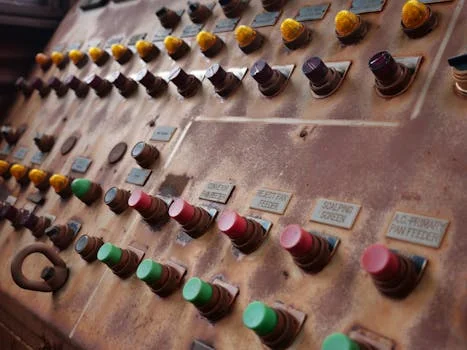
Selecting a sewage treatment system in Ipoh requires a multi-stage evaluation of influent chemistry, site topology, and discharge compliance. The first step is to define the influent characteristics: flow rate, peak loading times, and concentrations of BOD, COD, and TSS. Food processing plants in the Kinta district often deal with BOD levels exceeding 1,000 mg/L, which necessitates a robust anaerobic or DAF pretreatment stage before secondary biological treatment.
Site constraints are the second major consideration. Ipoh’s soil conditions can vary from stable limestone-based ground to soft, water-logged clays near former mining pools. If land area is limited, an underground system is often the only viable option. However, these systems require careful engineering to manage buoyancy forces during the monsoon season. For factories looking to achieve "Green Building" status or LEED certification, an MBR system for water reuse in Ipoh’s industrial parks provides the highest quality effluent, suitable for irrigation or industrial recycling.
The decision framework for Ipoh projects can be summarized as follows:
- Step 1: Analyze Influent. If FOG is high, add DAF. If BOD/COD ratio is low (<0.3), consider chemical-physical treatment.
- Step 2: Evaluate Site. Use underground FRP tanks if space is < 200m². Ensure all electrical panels are elevated > 1.5m above ground level for flood protection.
- Step 3: Set Discharge Goals. Aim for Class IIB for standard discharge. Aim for Class A or Ultra-filtration if water reuse is planned.
- Step 4: Automation Level. Select PLC-controlled systems with remote monitoring to meet the 2025 DOE real-time data mandate.
- Step 5: Compare Total Cost of Ownership (TCO). Factor in energy, chemicals, and sludge disposal over a 10-year horizon.
"If your flow rate is < 10 m³/h and space is limited, choose an underground WSZ system. If BOD > 500 mg/L or water reuse is a priority, an MBR or DAF-integrated system is mandatory for compliance."
Maintenance and Troubleshooting for Ipoh’s Tropical Climate
High humidity levels in Ipoh, averaging 80% relative humidity, accelerate the corrosion of carbon steel components and can cause electrical shorts in control panels. To mitigate this, engineers should specify stainless steel 316L or FRP for all wetted parts. Electrical cabinets must be fitted with desiccant dehumidifiers and anti-condensation heaters to protect sensitive PLC components and sensors. Monthly calibration of pH and DO probes is essential, as tropical temperatures can cause significant sensor drift.
Monsoon season preparation is critical for Ipoh-based plants. High rainfall can lead to hydraulic surges that wash out the biomass in biological reactors. To prevent this, install a rotary mechanical bar screen to prevent large debris from entering the system during storm events. Sump pumps should be tested weekly during the wet season, and bar screens must be cleaned daily to prevent overflow. If foaming occurs in the aeration tanks—a common issue during temperature shifts—operators should reduce the Mixed Liquor Suspended Solids (MLSS) concentration or apply a silicone-based antifoam agent.
Common failures in tropical sewage plants often include membrane fouling in MBR systems due to high ambient temperatures accelerating biological growth. This can be managed by increasing the aeration rate or performing a chemically enhanced backwash (CEB) with citric acid or sodium hypochlorite. For systems utilizing mechanical aeration, check aerator diffusers every six months for mineral scale buildup, which can reduce oxygen transfer efficiency by up to 30%.
Frequently Asked Questions
What is the typical timeline for DOE approval in Perak?
In Ipoh, the approval process for a new sewage treatment plant typically takes 3 to 6 months. This includes the submission of the Written Notification (WN) and the subsequent Approval to Construct (ATC). Delays are often caused by incomplete process flow diagrams or failure to meet the new 2025 online monitoring requirements.
Can I reuse treated sewage water for industrial processes in Ipoh?
Yes, provided the water is treated to Class A standards or higher. Most industrial parks in Ipoh encourage water reuse for cooling towers, boiler feed (after RO), and irrigation. An MBR system for water reuse in Ipoh’s industrial parks is the most reliable way to achieve the required clarity and pathogen reduction for these applications.
How much does a 50 m³/h underground system cost in Ipoh?
A 50 m³/h underground package plant (WSZ Series) generally costs between MYR 350,000 and MYR 500,000. This price includes the FRP tanks, internal piping, aeration systems, and basic PLC controls. It does not include civil works like excavation or the specialized dewatering required if installing during the monsoon season.
What are the maintenance requirements for DAF systems in tropical climates?
DAF systems require daily inspection of the surface skimmer and chemical dosing pumps. In Ipoh’s high humidity, the air compressor and saturation tank should be checked weekly for condensation buildup. Annual maintenance should include a full inspection of the stainless steel tank for any signs of pitting or localized corrosion.
Is real-time monitoring mandatory for all sewage plants in Perak?
As of 2025, the DOE mandates real-time online monitoring for all plants with a capacity greater than 50 m³/h or those discharging into sensitive water catchments. This requires sensors for pH, Turbidity, DO, and Flow, with data logged directly to the DOE’s central monitoring system.
Related Equipment
- compact underground sewage treatment system for Ipoh’s limited land availability — view specifications, capacity range, and technical data
- high-efficiency DAF system for industrial wastewater in Ipoh — view specifications, capacity range, and technical data
- MBR system for water reuse in Ipoh’s industrial parks — view specifications, capacity range, and technical data
Need a customized solution? Request a free quote with your specific flow rate and pollutant parameters.