Industrial wastewater treatment in Long Beach requires tailored engineering to meet EPA and California Water Boards’ 2026 discharge limits (e.g., COD ≤ 200 mg/L, TSS ≤ 30 mg/L). Local manufacturers—especially in food processing, metal finishing, and petrochemicals—face influent COD levels of 500–5,000 mg/L and TSS of 200–1,500 mg/L. Dissolved Air Flotation (DAF) systems remove 90–98% of FOG and TSS, while Membrane Bioreactors (MBRs) achieve near-reuse-quality effluent (COD < 50 mg/L) for water recycling. CAPEX ranges from $2M for small DAF systems to $50M for full-scale MBR plants, with OPEX varying by energy and chemical consumption, offering clear cost benchmarks for industrial wastewater treatment in Long Beach.
Long Beach Industrial Wastewater: Effluent Characteristics and Treatment Challenges
Long Beach industrial facilities frequently encounter influent COD levels ranging from 500 mg/L to 5,000 mg/L, significantly exceeding municipal treatment plant capabilities. Food processing plants, a prominent sector in Long Beach, typically generate wastewater with COD between 1,000–5,000 mg/L, TSS from 300–1,500 mg/L, and FOG (Fats, Oils, and Grease) at 200–800 mg/L. Metal finishing operations, another key industry, discharge wastewater containing heavy metals such as chromium (10–100 mg/L) and nickel (5–50 mg/L). Petrochemical facilities often present challenges with BOD levels of 500–3,000 mg/L and oil concentrations of 100–500 mg/L.
Municipal treatment plants, such as the Long Beach Water Reclamation Plant, are designed primarily for domestic sewage and are not equipped to handle the high pollutant concentrations, toxic metals, or shock loads characteristic of industrial discharges. Without adequate industrial effluent treatment Long Beach facilities must implement robust pretreatment systems. The 2026 EPA and California Water Boards limits for industrial discharge are stringent, requiring COD ≤ 200 mg/L, TSS ≤ 30 mg/L, chromium ≤ 1.0 mg/L, and FOG ≤ 15 mg/L. Non-compliance can result in substantial fines and operational disruptions.
Effective pretreatment involves several critical process parameters. pH adjustment is fundamental, typically targeting a range of 6.5–8.5 to optimize subsequent treatment steps and prevent corrosion. Equalization tanks, designed for 6–12 hours of retention, are crucial for buffering influent flow and contaminant concentration fluctuations, ensuring a consistent stream for downstream processes. Initial screening with 1–3 mm bar spacing is also vital for removing large solids, protecting pumps and other equipment from damage and blockages.
| Industry Sector (Long Beach) | Typical Influent Characteristics | 2026 Discharge Limits (EPA/CA Water Boards) |
|---|---|---|
| Food Processing | COD: 1,000–5,000 mg/L TSS: 300–1,500 mg/L FOG: 200–800 mg/L |
COD ≤ 200 mg/L TSS ≤ 30 mg/L FOG ≤ 15 mg/L |
| Metal Finishing | Chromium: 10–100 mg/L Nickel: 5–50 mg/L TSS: 100–500 mg/L |
Chromium ≤ 1.0 mg/L Nickel ≤ 2.0 mg/L TSS ≤ 30 mg/L |
| Petrochemicals | BOD: 500–3,000 mg/L Oil & Grease: 100–500 mg/L TSS: 200–800 mg/L |
BOD ≤ 50 mg/L Oil & Grease ≤ 10 mg/L TSS ≤ 30 mg/L |
Treatment Technology Comparison: DAF vs. MBR vs. Chemical Dosing for Long Beach Industries
Selecting the optimal industrial wastewater treatment technology in Long Beach hinges on matching specific effluent profiles to a system's contaminant removal efficacy and operational parameters. A strategic wastewater treatment technology comparison is essential for facilities evaluating solutions for 2026 projects.
Dissolved Air Flotation (DAF) Systems
DAF systems for FOG and TSS removal in Long Beach industrial applications excel at removing suspended solids, fats, oils, and grease. They achieve 90–98% FOG and TSS removal, along with 30–60% COD reduction. Typical CAPEX ranges from $500K to $5M, with OPEX at $0.10–$0.30/m³ (primarily for chemicals and energy). DAF is ideal for food processing, rendering, and certain metal finishing operations where FOG and high TSS are primary concerns. Key process parameters include an air-to-solids ratio of 0.02–0.06 and a hydraulic loading rate of 5–15 m/h.
Membrane Bioreactor (MBR) Systems
MBR systems for high-COD wastewater and water reuse in Long Beach offer superior effluent quality, achieving 95–99% COD and TSS removal. Effluent COD can be reduced to below 50 mg/L, making it suitable for direct discharge or even water reuse applications, aligning with increasing sustainability goals in Long Beach. MBR systems represent a higher initial investment, with CAPEX ranging from $10M to $50M, and OPEX at $0.50–$1.20/m³ due to higher energy consumption and membrane replacement costs. They are ideal for facilities with high-COD streams or those pursuing aggressive water recycling targets. Critical MBR process parameters include an MLSS (Mixed Liquor Suspended Solids) concentration of 8,000–12,000 mg/L and a typical flux rate of 15–25 LMH (liters per square meter per hour).
Chemical Dosing (Coagulation/Flocculation)
Chemical dosing systems for metals removal in Long Beach industrial wastewater, often involving coagulation and flocculation, are highly effective for heavy metal precipitation and significant COD reduction. These systems achieve 90–95% metals removal and 50–70% COD reduction, making them ideal as a robust pretreatment step before DAF or MBR. CAPEX typically ranges from $200K to $2M, with OPEX at $0.20–$0.50/m³ (primarily for chemicals). This technology is particularly beneficial for metal finishing industries. Optimal process parameters include maintaining a pH of 7–9 and a coagulant dose of 50–200 mg/L, depending on the specific contaminants and influent characteristics.
| Technology | Primary Contaminants Targeted | Removal Efficiency (Key Contaminants) | Typical CAPEX Range | Typical OPEX Range (per m³) | Ideal Long Beach Industries |
|---|---|---|---|---|---|
| DAF System | FOG, TSS, Particulate COD | 90–98% FOG/TSS 30–60% COD |
$500K – $5M | $0.10 – $0.30 | Food Processing, Rendering, Metal Finishing (pre-treatment) |
| MBR System | BOD, COD, TSS, Pathogens | 95–99% COD/TSS Effluent COD < 50 mg/L |
$10M – $50M | $0.50 – $1.20 | High-COD industries, Water Reuse applications |
| Chemical Dosing | Heavy Metals, Particulate COD, TSS | 90–95% Metals 50–70% COD 60–80% TSS |
$200K – $2M | $0.20 – $0.50 | Metal Finishing, Petrochemicals (pre-treatment for DAF/MBR) |
Cost Breakdown: CAPEX, OPEX, and ROI for Industrial Wastewater Treatment in Long Beach
Industrial wastewater treatment projects in Long Beach require comprehensive financial planning, with CAPEX ranging from $200,000 for chemical dosing systems to $50 million for advanced MBR plants. Understanding these cost benchmarks for industrial wastewater treatment plants in 2026 is crucial for effective budgeting and project evaluation.
CAPEX (Capital Expenditure) for DAF systems typically falls between $500K and $5M, influenced by factors such as system capacity (e.g., 50 m³/h vs. 500 m³/h), level of automation, materials of construction (e.g., stainless steel for corrosive environments), and auxiliary equipment like sludge dewatering units. MBR systems, offering higher treatment levels, command CAPEX from $10M to $50M, with cost drivers including membrane type, plant footprint, and the complexity of integration for water reuse. Chemical dosing systems, often used for pretreatment, have a lower CAPEX of $200K to $2M, depending on chemical storage, pumping, and automated control requirements.
OPEX (Operational Expenditure) varies significantly by technology and facility specifics. Energy consumption is a major component, typically ranging from 0.5–1.2 kWh/m³ for DAF and MBR systems, driven by pumps, blowers, and mixers. Chemical costs can range from $0.10–$0.50/m³, covering coagulants, flocculants, pH adjusters, and disinfectants. Labor costs for operations and maintenance are estimated at $50–$150/hour for skilled operators. For MBR systems, membrane replacement is a significant OPEX factor, typically adding $0.10–$0.30/m³ over the membrane's lifespan (5–10 years). Sludge disposal costs also contribute, often at $50–$150 per wet ton, requiring efficient sludge dewatering in Long Beach to minimize volume.
ROI (Return on Investment) Calculation Example: A Long Beach food processing plant discharging 100,000 gallons/day (approx. 378 m³/day) with high TSS (e.g., 500 mg/L) faces significant sewer surcharges. Long Beach’s municipal sewer fees can include surcharges for TSS exceeding 300 mg/L, potentially costing $0.50 per 1,000 gallons for excess pollutants. By investing $2M in a DAF system that reduces TSS to below 30 mg/L, the plant can save approximately $300K/year in avoided surcharges and potential fines. This yields a simple payback period of under 7 years ($2M / $300K/year). Additional ROI comes from reduced water consumption through potential water reuse (with MBR) and enhanced brand reputation for environmental stewardship.
Financing options for industrial wastewater treatment in Long Beach include traditional bank loans, equipment leasing, and potential municipal or state grants. California's Industrial General Permit (IGP) program, for example, occasionally offers incentives for facilities implementing advanced stormwater and wastewater treatment solutions. Payback periods for these investments typically range from 3–7 years for DAF systems and 7–15 years for more capital-intensive MBR plants, depending on the scale of operations and the magnitude of avoided costs.
| Cost Category | DAF Systems | MBR Systems | Chemical Dosing Systems |
|---|---|---|---|
| CAPEX Range | $500K – $5M | $10M – $50M | $200K – $2M |
| OPEX Range (per m³) | $0.10 – $0.30 | $0.50 – $1.20 | $0.20 – $0.50 |
| Key OPEX Drivers | Chemicals, Energy, Sludge Disposal | Energy, Membrane Replacement, Sludge Disposal | Chemicals, Sludge Disposal |
| Typical Payback Period | 3 – 7 years | 7 – 15 years | 2 – 5 years |
Compliance Roadmap: EPA, California Water Boards, and Long Beach Local Ordinances
Achieving zero-risk compliance for industrial wastewater discharge in Long Beach necessitates adherence to a multi-layered regulatory framework encompassing EPA, California Water Boards, and specific Long Beach Municipal Code requirements. The EPA’s 2026 limits for industrial discharge are stringent: COD ≤ 200 mg/L, TSS ≤ 30 mg/L, chromium ≤ 1.0 mg/L, and FOG ≤ 15 mg/L. Facilities deemed high-risk or with significant discharge volumes may face daily sampling frequency requirements, while others typically report weekly or monthly. Regular sampling and analysis are non-negotiable for demonstrating adherence to these federal standards.
The California Water Boards' Industrial General Permit (IGP) is another critical component for facilities with industrial activities that expose stormwater to pollutants. The IGP requires annual reporting, the development and implementation of a comprehensive Stormwater Pollution Prevention Plan (SWPPP), and adherence to Numeric Action Levels (NALs) for specific metals and other pollutants in stormwater runoff. Compliance with the IGP is distinct from, but often complementary to, direct process wastewater discharge permits.
At the local level, Long Beach Municipal Code Chapter 14.28 mandates pretreatment permits for all industrial dischargers to the city’s sewer system. This local ordinance outlines specific discharge prohibitions, local limits, and monitoring requirements designed to protect the municipal infrastructure and the Long Beach Water Reclamation Plant. The permit application process can take 6–12 months, involving detailed engineering plans, effluent characterization, and operational protocols. Non-compliance with these local ordinances can result in severe penalties, with fines potentially reaching up to $25,000 per day for each violation, alongside enforcement actions such as cease and desist orders or facility closures.
Effective compliance strategies include implementing real-time monitoring systems for key parameters like pH, TSS, and COD, allowing for immediate process adjustments. Automated chemical dosing systems, such as an automatic chemical dosing system, ensure precise and consistent treatment, minimizing excursions outside permit limits. Building redundancy into critical treatment components, such as dual DAF systems for high-risk streams, provides operational resilience during maintenance or unexpected upsets. Additionally, integrating advanced disinfection technologies like a chlorine dioxide generator can further enhance effluent quality and meet stringent bacterial limits, particularly for discharge to sensitive receiving waters or for water reuse applications.
Case Study: Food Processing Plant in Long Beach Achieves 98% FOG Removal with DAF System
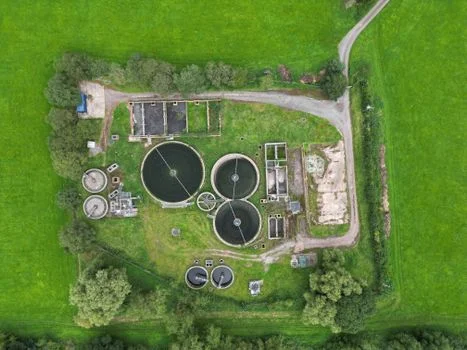
A Long Beach food processing plant successfully reduced its FOG discharge from 800 mg/L to 12 mg/L, achieving 98% removal using a tailored Dissolved Air Flotation (DAF) system. This facility, processing approximately 100,000 gallons/day of wastewater, faced recurring EPA inspection failures due to FOG levels significantly exceeding the 15 mg/L discharge limit.
The problem stemmed from the high organic and fat content inherent in their daily operations, which overwhelmed their existing, rudimentary screening system. This led to persistent sewer line blockages, municipal surcharges, and the threat of severe regulatory fines. The plant recognized the urgent need for a robust industrial wastewater treatment solution capable of handling high FOG and TSS loads.
The solution involved installing a DAF system (DAF-50, 50 m³/h capacity), integrated with upstream pH adjustment and polymer dosing. The CAPEX for this comprehensive system was $1.2M, with an estimated OPEX of $0.15/m³. The DAF system utilized micro-bubbles to lift suspended solids, fats, oils, and greases to the surface for mechanical skimming, effectively separating these contaminants from the water stream.
The results were transformative. Post-installation and commissioning, the plant’s FOG levels consistently measured 10–12 mg/L, representing a 98% removal efficiency and comfortably meeting discharge limits. TSS was reduced from an average of 1,200 mg/L to 25 mg/L (98% removal), and COD saw a significant reduction from 3,500 mg/L to approximately 200 mg/L (94% removal). This not only brought the facility into compliance but also drastically reduced their sewer surcharges.
Key lessons learned from this project highlighted the importance of an adequately sized equalization tank (8 hours retention) to manage the fluctuating influent characteristics typical of food processing, ensuring consistent performance of the DAF unit. the implementation of automatic skimming mechanisms significantly reduced labor costs associated with manual sludge removal by an estimated 40%, demonstrating the long-term operational benefits of thoughtful system design.
Frequently Asked Questions
Industrial facility managers in Long Beach frequently ask about 2026 EPA discharge limits, DAF system costs, and local permitting requirements for wastewater treatment.
What are the 2026 EPA limits for industrial wastewater discharge in Long Beach?
The 2026 EPA and California Water Boards limits for industrial wastewater discharge in Long Beach include COD ≤ 200 mg/L, TSS ≤ 30 mg/L, chromium ≤ 1.0 mg/L, and FOG ≤ 15 mg/L. These limits are critical for compliance and avoiding fines.
How much does a DAF system cost for a 50,000-gallon/day food processing plant?
For a 50,000-gallon/day (approximately 190 m³/day) food processing plant in Long Beach, the CAPEX for a DAF system typically ranges from $1M–$2M, depending on automation, materials, and auxiliary equipment. OPEX is estimated at $0.10–$0.30/m³, primarily for chemicals and energy.
What permits are required for industrial wastewater discharge in Long Beach?
Industrial dischargers in Long Beach must obtain a pretreatment permit under Long Beach Municipal Code Chapter 14.28. Additionally, facilities may need to comply with the California Water Boards' Industrial General Permit (IGP) for stormwater runoff and are subject to annual reporting requirements to both local and state authorities.
Can MBR systems be used for water reuse in Long Beach?
Yes, MBR systems are highly effective for water reuse in Long Beach. They produce effluent with COD < 50 mg/L and TSS < 1 mg/L, meeting stringent quality standards for non-potable applications like irrigation, cooling tower make-up, and process water. Local regulations and specific reuse guidelines must be followed for implementation.
What are the penalties for non-compliance with Long Beach wastewater ordinances?
Non-compliance with Long Beach wastewater ordinances, including exceeding discharge limits or failing to obtain a pretreatment permit, can result in significant fines of up to $25,000 per day per violation. Enforcement actions may also include cease and desist orders, mandated facility upgrades, or ultimately, operational suspension.