Why Ras Al Khaimah’s Industrial Wastewater Regulations Are Tightening in 2026
Industrial wastewater treatment in Ras Al Khaimah requires systems that meet RAK Municipality’s strict discharge limits (e.g., COD ≤ 150 mg/L, TSS ≤ 30 mg/L, pH 6–9) while handling high organic loads from food processing, metalworking, and petrochemical plants. In 2026, dissolved air flotation (DAF) systems achieve 92–97% TSS removal for influent up to 500 mg/L, while membrane bioreactors (MBRs) deliver near-reuse-quality effluent (COD ≤ 50 mg/L) but at 2–3× higher CAPEX (AED 3M–5M for 100 m³/h). The Rakwa project’s 2025 completion will tighten enforcement, making compliance a top priority for RAK’s 1,200+ industrial facilities.
RAK Municipality’s Environmental Regulations 2025 mandate stringent discharge limits for industrial wastewater, including Chemical Oxygen Demand (COD) ≤ 150 mg/L, Total Suspended Solids (TSS) ≤ 30 mg/L, a pH range of 6–9, and oil & grease ≤ 10 mg/L. The impending completion of the Rakwa project in 2025 signifies a significant shift towards centralized monitoring and significantly increased enforcement. This will likely result in penalties of up to AED 50,000 per month for non-compliant facilities, as indicated by recent municipal policy updates. Industries such as food processing, characterized by high BOD/COD loads (typically BOD 1,000–3,000 mg/L, TSS 500–1,500 mg/L), metalworking with potential heavy metal contamination, and petrochemical plants with significant oil and grease content, face heightened scrutiny. A prominent example involved a food processing plant in Ras Al Khaimah that incurred AED 300,000 in fines during 2024 due to exceeding COD limits. Following an upgrade to a DAF and MBR combined system, their COD levels were reduced to 45 mg/L, resulting in a 90% reduction in fines.
Industrial Wastewater Treatment Technologies for RAK: Process Parameters and Removal Rates
Selecting the appropriate wastewater treatment technology for industrial facilities in Ras Al Khaimah necessitates a deep understanding of process parameters and achievable removal rates. Dissolved Air Flotation (DAF) systems, for instance, are highly effective for pre-treatment, offering TSS removal rates of 92–97% and oil and grease removal of 95–99%. These systems typically operate with a hydraulic retention time (HRT) of 20–40 minutes. For food processing wastewater in RAK with an influent TSS of 500 mg/L, a DAF system can effectively reduce it to approximately 15 mg/L. Membrane Bioreactor (MBR) systems, on the other hand, are capable of achieving superior effluent quality, with COD removal rates of 95–99% and TSS levels below 1 mg/L. These systems utilize membranes with flux rates typically between 15–25 LMH (liters per square meter per hour). Given RAK’s high salinity water, MBRs may experience fouling, necessitating regular cleaning; for example, PVDF membranes can maintain performance for 5–7 years with monthly clean-in-place (CIP) procedures. Chemical dosing plays a crucial role in both primary and secondary treatment stages. Coagulants like Polyaluminum Chloride (PAC) are dosed at rates of 50–200 mg/L for TSS removal, while flocculants such as polyacrylamide are used at 1–5 mg/L, as per RAK Municipality’s 2025 guidelines. pH adjustment is also critical; for instance, food processing wastewater with a pH of 4–6 often requires neutralization to 7–8 using sodium hydroxide. Anaerobic digestion, or bio-methanation, offers significant COD reduction of 70–85% and can yield biogas at a rate of 0.3–0.5 m³ per kg of COD removed. RAK’s ambient temperature range of 30–45°C is conducive to efficient anaerobic digestion, though variations can impact performance.
| Technology | Typical Influent Characteristics (RAK Industries) | Typical Effluent Quality | Key Parameters | Approx. Footprint (m²/m³/h) | Primary Application |
|---|---|---|---|---|---|
| DAF | Food Processing: TSS 500–1,500 mg/L, FOG 100–500 mg/L Metalworking: TSS 100–300 mg/L |
TSS < 30 mg/L, FOG < 10 mg/L | HRT: 20–40 min TSS Removal: 92–97% FOG Removal: 95–99% |
0.5–1.0 | Pre-treatment, FOG/TSS removal |
| MBR | Petrochemical: COD 500–2,000 mg/L, TSS 50–200 mg/L Pharmaceutical: COD 1,000–5,000 mg/L |
TSS < 1 mg/L, COD < 50 mg/L (near reuse quality) | Membrane Flux: 15–25 LMH COD Removal: 95–99% TSS Removal: >99% |
0.2–0.4 | High-quality effluent, water reuse |
| Chemical Dosing | Varies widely based on pollutant | TSS reduction, pH adjustment | PAC: 50–200 mg/L Flocculant: 1–5 mg/L pH Adjustment: NaOH/H₂SO₄ |
0.1–0.3 (for dosing skids) | Primary/secondary treatment enhancement, pH control |
| Anaerobic Digestion | Food Processing: High BOD/COD | COD Reduction: 70–85% | Temperature: 30–45°C Biogas Yield: 0.3–0.5 m³/kg COD removed |
1.0–2.0 (for digester tanks) | High-strength organic waste treatment, biogas production |
DAF vs. MBR for RAK Industrial Wastewater: Removal Rates, Footprint, and CAPEX Comparison
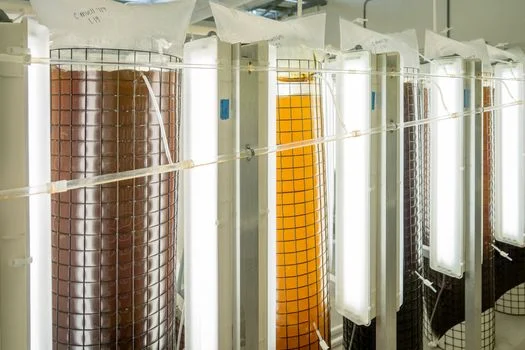
For Ras Al Khaimah’s industrial facilities grappling with the 2026 discharge limits, the choice between Dissolved Air Flotation (DAF) and Membrane Bioreactor (MBR) systems presents a critical decision point. DAF systems offer robust removal rates for suspended solids and fats, oils, and greases (FOG), typically achieving 92–97% TSS removal and 95–99% FOG removal, making them suitable for meeting RAK’s TSS limit of 30 mg/L for industries like food processing and metalworking. However, their COD removal is generally lower, in the range of 60–80%. In contrast, MBR systems provide significantly higher performance, removing over 99% of TSS and 95–99% of COD, delivering effluent quality often below 50 mg/L COD, which is ideal for pharmaceutical applications or direct water reuse initiatives. This superior performance comes with a higher capital expenditure; for a 50–200 m³/h capacity, DAF systems range from AED 800,000 to AED 2 million, whereas MBR systems can cost AED 3 million to AED 5 million. In terms of footprint, MBRs are more compact, requiring 0.2–0.4 m²/m³/h compared to DAF’s 0.5–1 m²/m³/h, a crucial consideration for land-constrained industrial zones like Al Hamra. Installation times also differ, with DAF typically taking 6–8 weeks and MBRs requiring 12–16 weeks. Operational expenditures (OPEX) for DAF are generally lower, around AED 0.5–1 per cubic meter, primarily driven by chemical costs, while MBR OPEX can range from AED 1.5–3 per cubic meter, including membrane replacement every 5–7 years and higher energy consumption. Considering RAK’s labor costs of AED 50–80 per hour for skilled operators, the complexity and maintenance requirements of each system become significant factors in the overall cost-benefit analysis. For achieving RAK’s 2026 COD ≤ 150 mg/L and TSS ≤ 30 mg/L, a DAF system is often sufficient for many industries, but for stricter requirements or reuse, an MBR is indispensable.
| Feature | DAF System | MBR System | Suitability for RAK Industries (2026 Limits) |
|---|---|---|---|
| TSS Removal Rate | 92–97% | >99% | DAF meets TSS ≤ 30 mg/L; MBR exceeds it. |
| COD Removal Rate | 60–80% | 95–99% | DAF may require post-treatment for COD ≤ 150 mg/L; MBR easily meets it. |
| Footprint (m²/m³/h) | 0.5–1.0 | 0.2–0.4 | MBR preferred for space-constrained industrial zones. |
| CAPEX (AED 50–200 m³/h) | 800K–2M | 3M–5M | DAF offers lower initial investment. |
| OPEX (AED/m³) | 0.5–1.0 | 1.5–3.0 | DAF generally has lower operating costs. |
| Installation Time (Weeks) | 6–8 | 12–16 | DAF offers faster deployment. |
| Primary Application | Food Processing, Metalworking (Pre-treatment) | Pharmaceutical, Petrochemical (High-Quality Effluent/Reuse) | Choice depends on specific industry effluent and reuse goals. |
2026 Cost Benchmarks for Industrial Wastewater Treatment in RAK: CAPEX, OPEX, and ROI Calculations
Budgeting for industrial wastewater treatment upgrades in Ras Al Khaimah requires accurate cost benchmarks for 2026. Capital expenditure (CAPEX) for DAF systems in the 50–200 m³/h range is estimated between AED 800,000 and AED 2 million. MBR systems of similar capacity can range from AED 3 million to AED 5 million. Chemical dosing systems, typically including tanks, pumps, and controllers, will fall between AED 200,000 and AED 500,000. Anaerobic digestion plants, depending on scale and complexity, can cost AED 1.5 million to AED 3 million. Opting for prefabricated ETPs can reduce CAPEX by 20–30% compared to custom-built solutions. Operational expenditure (OPEX) benchmarks vary significantly: DAF systems typically incur AED 0.5–1 per cubic meter, MBRs AED 1.5–3 per cubic meter, and chemical dosing AED 0.2–0.5 per cubic meter. RAK’s electricity costs, ranging from AED 0.30–0.45/kWh, are a significant contributor to the OPEX of energy-intensive processes like MBRs and aeration systems.
Calculating the return on investment (ROI) is crucial for justifying these expenditures. A step-by-step approach for RAK facilities involves quantifying avoided fines: if a plant faces AED 50,000/month in fines and an upgrade reduces this to AED 5,000/month, the annual savings are AED 540,000. This allows for a payback period calculation, often falling between 3–5 years for DAF upgrades. For MBR systems, the potential for water reuse can significantly impact ROI. For example, reusing treated effluent for irrigation could cut water purchase costs by 40%. A RAK-based metalworking plant successfully reduced its OPEX by 30%, from AED 1.2/m³ to AED 0.8/m³, by transitioning from a chemical dosing-only system to a DAF unit combined with a filter press for sludge dewatering, thereby reducing sludge disposal volumes and associated costs.
| Technology | CAPEX Benchmark (AED 50–200 m³/h) | OPEX Benchmark (AED/m³) | Key Cost Drivers |
|---|---|---|---|
| DAF System | 800,000–2,000,000 | 0.5–1.0 | Chemicals (coagulants, flocculants), energy, sludge disposal |
| MBR System | 3,000,000–5,000,000 | 1.5–3.0 | Membrane replacement, energy (aeration, pumping), chemicals (CIP) |
| Chemical Dosing System | 200,000–500,000 | 0.2–0.5 | Chemicals, maintenance of dosing pumps |
| Anaerobic Digestion | 1,500,000–3,000,000 | 0.3–0.8 | Energy (heating, mixing), maintenance, sludge disposal |
| Prefabs ETPs | -20–30% CAPEX reduction | N/A | Faster installation, modular design |
Step-by-Step Compliance Checklist for RAK Industrial Wastewater Treatment in 2026
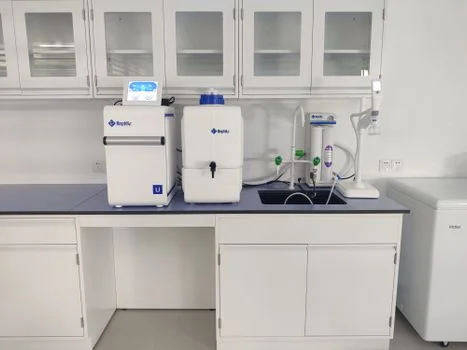
Ensuring compliance with RAK Municipality’s 2026 discharge limits requires a systematic approach to industrial wastewater treatment. The process begins with pre-treatment, where installing rotary bar screens, such as those in the GX Series, is essential to remove solids larger than 6 mm, aligning with RAK Municipality’s 2025 guidelines. Typical influent in RAK’s industrial zones often contains rags, plastics, and organic solids that must be screened out. Primary treatment then focuses on removing settleable solids, typically using DAF or sedimentation to achieve TSS levels below 100 mg/L, serving as a prerequisite for secondary treatment stages. For DAF, this involves a hydraulic retention time of 20–40 minutes. Secondary treatment employs biological processes like Activated Sludge, Anoxic/Oxic (A/O) systems, or MBRs, or advanced chemical oxidation like Fenton processes, to reduce COD to below 150 mg/L. RAK’s ambient temperature range of 30–45°C is generally favorable for biological processes, but temperature fluctuations need to be managed. Tertiary treatment, often involving advanced filtration (multi-media or MBR membranes) and disinfection (using chlorine dioxide or ozone), is critical to meet the stringent TSS ≤ 30 mg/L and microbial compliance requirements. For chlorine dioxide disinfection, dosing rates of 5–10 mg/L with a 30-minute contact time are typically employed. Sludge management is a vital component, with dewatering using filter presses to achieve 20–30% dry solids content being standard practice. RAK’s sludge disposal costs range from AED 200–400 per ton. Finally, continuous monitoring is paramount; installing online COD, TSS, and pH meters with data logging capabilities is essential for RAK Municipality audits. Calibration of pH meters, for example, should be performed weekly using buffers at pH 4, 7, and 10.
Frequently Asked Questions
What are RAK Municipality’s 2026 discharge limits for industrial wastewater?
RAK Municipality’s 2026 discharge limits, as per the Environmental Regulations 2025, are: COD ≤ 150 mg/L, TSS ≤ 30 mg/L, pH 6–9, and oil & grease ≤ 10 mg/L.
How much does an industrial wastewater treatment plant cost in Ras Al Khaimah?
CAPEX for industrial wastewater treatment plants in Ras Al Khaimah in 2026 ranges from approximately AED 800,000 for a 50 m³/h DAF system to AED 5 million for a 200 m³/h MBR system. OPEX is generally between AED 0.5–3 per cubic meter, depending heavily on the chosen technology and operational efficiency.
Which wastewater treatment technology is best for food processing plants in RAK?
For food processing plants in RAK, DAF systems are highly cost-effective for initial removal of TSS and FOG, achieving 95–99% efficiency. If the goal is to meet stricter COD limits (≤ 50 mg/L) or to enable water reuse, an MBR system would be necessary, potentially in conjunction with DAF.
What are the penalties for non-compliance with RAK’s wastewater regulations?
Penalties for non-compliance with RAK’s wastewater regulations can include fines of up to AED 50,000 per month. Repeated or severe violations may lead to operational shutdowns of the industrial facility, as outlined in the RAK Municipality’s 2025 enforcement policy.
How can I reduce OPEX for my RAK wastewater treatment plant?
OPEX can be reduced by selecting prefabricated ETPs which offer lower CAPEX (around 20% less), optimizing chemical dosing rates (e.g., PAC at 50–200 mg/L), and implementing sludge dewatering using a filter press, which can cut disposal costs by up to 50%. Additionally, energy efficiency measures and water reuse strategies can further lower operational expenses.
Related Equipment
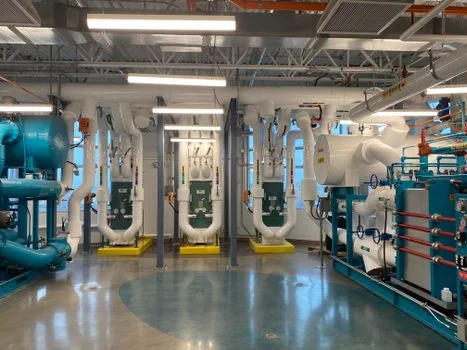
The following HydropureWater products are engineered for the wastewater challenges discussed above:
- DAF system for RAK industrial wastewater — view specifications, capacity range, and technical data
- Integrated MBR system for RAK pharmaceutical and reuse applications — view specifications, capacity range, and technical data
- PLC-controlled chemical dosing for RAK’s pH adjustment and coagulation needs — view specifications, capacity range, and technical data
- Filter press for RAK sludge dewatering to 20–30% dry solids — view specifications, capacity range, and technical data
Need a customized solution? Request a free quote with your specific flow rate and pollutant parameters.