London hospitals must treat wastewater to meet strict Environment Agency discharge limits (e.g., ≤10 mg/L BOD, ≤250 CFU/100mL E. coli) and Thames Water sewer acceptance criteria. Hospital effluent contains 5–15× higher toxicity than domestic sewage, including pharmaceuticals (e.g., 10–500 μg/L carbamazepine), antimicrobial resistance (AMR) genes, and pathogens (e.g., 10^4–10^6 CFU/mL Pseudomonas). Zero-risk systems combine pretreatment (DAF for TSS removal), biological treatment (MBR for COD/BOD), and advanced disinfection (ClO₂ or ozone at CT ≥15 mg·min/L) to achieve 99.99% pathogen kill and 95%+ pharmaceutical degradation. CAPEX ranges from £250K (small clinics) to £2M (500-bed hospitals), with OPEX of £0.80–£2.50/m³ treated.
Why London Hospitals Need Specialized Wastewater Treatment
A London hospital, such as a fictionalized St. Thomas' facility, can face significant penalties, including an Environment Agency enforcement notice, for exceeding wastewater discharge limits, exemplified by a scenario where BOD levels reached 150 mg/L against a strict 10 mg/L limit. This highlights the critical necessity for specialized treatment beyond standard municipal systems, as hospital wastewater's intrinsic toxicity is 5–15 times greater than typical domestic sewage (per UKWIR 2023). Regulatory drivers include the Environment Agency’s ‘Water Industry National Environment Programme’ (WINEP), which mandates improvements in water quality, and Thames Water’s stringent sewer acceptance criteria, requiring effluent to meet parameters like ≤1,000 mg/L COD and pH 6–10 before discharge. The NHS Sustainable Development Unit also provides guidelines that push for enhanced environmental performance across healthcare trusts.
London presents unique challenges due to its aging infrastructure and susceptibility to combined sewer overflows (CSOs) during heavy rainfall, which can lead to untreated wastewater entering waterways. These CSOs further pressure hospitals to ensure their effluent is as clean as possible to mitigate environmental impact. Thames Water enforces strict trade effluent charges, currently around £2.10/m³ for high-strength industrial waste, making efficient on-site treatment a financial imperative. Hospital wastewater is a complex cocktail containing pharmaceuticals (e.g., 10–500 μg/L carbamazepine, 5–200 μg/L diclofenac), antimicrobial resistance (AMR) genes, and a high load of pathogens (e.g., 10^4–10^6 CFU/mL Pseudomonas, 10^3–10^5 CFU/mL E. coli), all of which require targeted removal strategies that conventional municipal plants are not designed to handle effectively.
London’s Regulatory Requirements for Hospital Wastewater
Meeting London's regulatory requirements for hospital wastewater necessitates adherence to specific discharge limits set by the Environment Agency and Thames Water, alongside compliance with NHS trust guidelines. The Environment Agency mandates strict discharge limits for hospitals releasing directly to surface waters or groundwater, generally requiring BOD ≤10 mg/L, COD ≤125 mg/L, TSS ≤30 mg/L, E. coli ≤250 CFU/100mL, and pH between 6–9, as stipulated by ‘The Urban Waste Water Treatment (England and Wales) Regulations 1994’ and site-specific permits.
For discharge into the public sewer system, Thames Water imposes its own set of sewer acceptance criteria, which are typically less stringent than direct discharge limits but still require significant pretreatment. These include COD ≤1,000 mg/L, TSS ≤600 mg/L, and FOG (Fats, Oils, and Grease) ≤100 mg/L, with pH remaining within 6–10. Non-compliance can result in substantial trade effluent charges, currently around £2.10/m³ for high-strength wastewater. NHS trust requirements, influenced by the NHS SDU’s ‘Delivering a Net Zero NHS’ report, often mandate pre-treatment for hospitals larger than 200 beds and emphasize AMR gene monitoring in accordance with UK Health Security Agency guidelines.
The permit application process involves several critical steps: 1) A pre-application consultation with the Environment Agency to discuss specific site conditions and proposed treatment plans; 2) Submission of a formal discharge consent application, which incurs a fee typically ranging from £1,500 to £5,000; and 3) An approval timeline that can span 3–6 months, necessitating early planning for any new or upgraded treatment facility.
| Parameter | Environment Agency Discharge Limit (Direct Discharge) | Thames Water Sewer Acceptance Criteria (Trade Effluent) |
|---|---|---|
| BOD₅ | ≤10 mg/L | N/A (covered by COD) |
| COD | ≤125 mg/L | ≤1,000 mg/L |
| TSS | ≤30 mg/L | ≤600 mg/L |
| E. coli | ≤250 CFU/100mL | N/A |
| pH | 6–9 | 6–10 |
| FOG | N/A | ≤100 mg/L |
Contaminant Profile: What’s in London Hospital Wastewater?
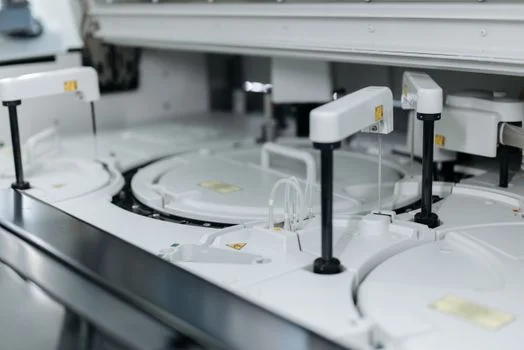
London hospital wastewater is characterized by a complex array of contaminants that pose unique treatment challenges, distinguishing it significantly from municipal sewage. Key contaminants and their typical concentrations include pharmaceuticals like carbamazepine (10–500 μg/L), diclofenac (5–200 μg/L), and ibuprofen (20–400 μg/L), which are often recalcitrant to conventional biological treatment. Antimicrobial resistance (AMR) genes, such as blaCTX-M and mecA, are present and can propagate resistance within the environment, with concentrations often detected in the range of 10³–10⁵ gene copies/mL. Pathogens are abundant, including Pseudomonas aeruginosa (10^4–10^6 CFU/mL), Escherichia coli (10^3–10^5 CFU/mL), and various viruses (e.g., norovirus), posing direct public health risks.
Sources of these contaminants are diverse within a healthcare facility. Patient wards contribute pharmaceuticals, metabolites, and a high load of pathogens from human waste. Laboratories generate heavy metals (e.g., 0.1–1 mg/L mercury from dental amalgam, trace amounts of silver from photographic processing), solvents, and chemical reagents. Radiology departments discharge contrast agents like gadolinium, which are persistent in the environment. Laundry facilities contribute detergents, disinfectants, and significant amounts of Fats, Oils, and Grease (FOG).
The environmental risks associated with these discharges are substantial. Pharmaceuticals can act as endocrine disruptors in aquatic life, leading to observed effects such as the feminization of fish populations. The release of AMR genes into natural water bodies accelerates the spread of antibiotic resistance, a global public health crisis. Untreated pathogens pose a direct threat of waterborne disease outbreaks (e.g., cholera, norovirus) if discharged into receiving waters. London-specific data from Thames Water’s 2023 report indicated that 12 of 15 surveyed London hospitals exceeded pharmaceutical discharge limits, with diclofenac levels reaching 300 μg/L, significantly above the proposed EU limit of 10 μg/L, underscoring the urgency for advanced treatment.
| Contaminant Category | Specific Contaminant | Typical Concentration Range (Hospital Effluent) | Key Source(s) |
|---|---|---|---|
| Pharmaceuticals | Carbamazepine | 10–500 μg/L | Patient Wards, Excretions |
| Diclofenac | 5–200 μg/L | Patient Wards, Excretions | |
| Ibuprofen | 20–400 μg/L | Patient Wards, Excretions | |
| Microorganisms | Pseudomonas aeruginosa | 10⁴–10⁶ CFU/mL | Patient Wards, Clinical Waste |
| E. coli | 10³–10⁵ CFU/mL | Patient Wards, Domestic Sewage | |
| AMR Genes (e.g., blaCTX-M) | 10³–10⁵ gene copies/mL | Patient Wards, Clinical Waste | |
| Heavy Metals | Mercury | 0.1–1 mg/L | Dental Offices, Laboratories |
| Gadolinium | 0.01–0.1 mg/L | Radiology Departments (Contrast Agents) | |
| Organic Load | COD | 500–1500 mg/L | General Hospital Activities |
| BOD₅ | 200–600 mg/L | General Hospital Activities | |
| Suspended Solids | TSS | 150–400 mg/L | General Hospital Activities |
Treatment Process Deep Dive: How to Achieve Zero-Risk Compliance
Achieving zero-risk compliance for London hospital wastewater requires a multi-stage treatment approach, each engineered to target specific contaminant profiles with high efficiency. The initial stage focuses on robust physical separation, followed by advanced biological degradation and culminating in potent disinfection.
Stage 1: Pretreatment (DAF or Rotary Screen)
Pretreatment systems, such as a high-efficiency DAF system for hospital wastewater pretreatment or rotary screens, are crucial for removing gross solids, suspended solids (TSS), and Fats, Oils, and Grease (FOG). DAF systems typically achieve 92–97% efficiency for TSS removal and 95–99% for FOG. Key engineering specs for DAF include a hydraulic loading rate of 4–8 m/h and an air-to-solids ratio of 0.02–0.04. Rotary screens are effective for larger debris, protecting downstream equipment from clogging and damage.
Stage 2: Biological Treatment (MBR or A/O)
Biological treatment is essential for reducing the high organic load (COD and BOD) characteristic of hospital effluent. Membrane Bioreactor (MBR) systems or Anaerobic/Oxic (A/O) systems are preferred due to their high performance. MBR systems consistently achieve 90–95% efficiency for COD reduction and 95–98% for BOD, producing a high-quality effluent suitable for advanced disinfection. Typical MBR specs include a membrane flux of 15–25 LMH (liters per square meter per hour), a Mixed Liquor Suspended Solids (MLSS) concentration of 8,000–12,000 mg/L, and a Hydraulic Retention Time (HRT) of 6–12 hours. A/O systems, while effective, generally require a 20–30% larger footprint compared to compact MBR units.
Stage 3: Disinfection (ClO₂, Ozone, or UV)
Advanced disinfection is critical for achieving 99.99% pathogen kill and significant pharmaceutical degradation, typically 95%+ for many compounds. Chlorine dioxide (ClO₂), ozone, or UV irradiation are the most effective options. For on-site ClO₂ generator for hospital wastewater disinfection, a CT value (concentration × contact time) of ≥15 mg·min/L is required to ensure comprehensive pathogen inactivation. Ozone systems demand a CT value of ≥0.48 mg·min/L (per EPA Long Term 2 Enhanced Surface Water Treatment Rule) for equivalent efficacy. UV disinfection typically requires a dose of 40–80 mJ/cm² for hospital-grade effluent, with careful consideration for water clarity to prevent shadowing. This stage is crucial for managing AMR genes and preventing their environmental dissemination.
Sludge Management
Sludge generated from the treatment process requires proper management. A plate-and-frame filter press is commonly used for dewatering, producing sludge with 20–30% dry solids content. Given the presence of pharmaceuticals and potentially hazardous biological waste, this sludge often requires specialized hazardous waste disposal, costing approximately £200–£500/tonne, depending on its classification and volume.
| Treatment Stage | Key Technology | Performance Metric | Typical Efficiency / Spec |
|---|---|---|---|
| Pretreatment | DAF (Dissolved Air Flotation) | TSS Removal | 92–97% |
| FOG Removal | 95–99% | ||
| Hydraulic Loading Rate | 4–8 m/h | ||
| Air-to-Solids Ratio | 0.02–0.04 | ||
| Biological Treatment | MBR (Membrane Bioreactor) | COD Reduction | 90–95% |
| BOD Reduction | 95–98% | ||
| Membrane Flux | 15–25 LMH | ||
| MLSS Concentration | 8,000–12,000 mg/L | ||
| HRT | 6–12 hours | ||
| Disinfection | Chlorine Dioxide (ClO₂) | Pathogen Kill | ≥99.99% |
| CT Value | ≥15 mg·min/L | ||
| Ozone | Pathogen Kill | ≥99.99% | |
| CT Value | ≥0.48 mg·min/L | ||
| UV | Pathogen Kill | ≥99.99% | |
| UV Dose | 40–80 mJ/cm² |
Technology Comparison: MBR vs. Electrocoagulation vs. DAF + Disinfection

Selecting the optimal wastewater treatment technology for a London hospital depends on factors such as facility size, budget, specific contaminant profile, and available footprint. Three primary advanced technologies stand out: Membrane Bioreactors (MBR), Electrocoagulation (EC), and a combined Dissolved Air Flotation (DAF) with advanced disinfection.
A compact MBR system for hospital wastewater treatment offers superior effluent quality, particularly for complex organic compounds and pathogens. Electrocoagulation provides an effective alternative for specific contaminant challenges, while a DAF + Disinfection setup serves as a robust solution for initial high-load reduction and pathogen control, often used as a pretreatment for more advanced systems or for smaller facilities.
| Technology | CAPEX (£/m³/day) | OPEX (£/m³) | Footprint (m²/100 m³/day) | Effluent Quality (COD, BOD, E. coli) | Pharmaceutical Removal (%) | AMR Gene Removal (%) | Best For |
|---|---|---|---|---|---|---|---|
| MBR (Membrane Bioreactor) | £1,200–£1,800 | £1.20–£2.00 | 0.5–0.8 | COD ≤50 mg/L, BOD ≤5 mg/L, E. coli <10 CFU/100mL | 95%+ | 99%+ | Large hospitals (200+ beds) with strict discharge limits and space constraints. |
| Electrocoagulation (EC) | £800–£1,500 | £0.80–£1.50 | 0.3–0.5 | COD ≤100 mg/L, BOD ≤20 mg/L, E. coli <100 CFU/100mL | 80–90% | 90%+ | Medium hospitals (50–200 beds) with high metal, FOG, or specific pharmaceutical loads. |
| DAF + Disinfection | £600–£1,200 | £0.50–£1.20 | 0.8–1.2 | COD ≤125 mg/L, BOD ≤30 mg/L, E. coli <250 CFU/100mL (post-disinfection) | 70–85% (for some) | 99.9% (pathogen kill) | Small clinics (<50 beds) or as robust pretreatment for MBR/EC systems to reduce initial load. |
Cost Breakdown: CAPEX, OPEX, and ROI for London Hospitals
Investing in a specialized hospital wastewater treatment system in London involves significant capital expenditure (CAPEX) and ongoing operational expenditure (OPEX), but offers a strong return on investment (ROI) through avoided fines and reduced trade effluent charges. For a typical 500-bed hospital generating approximately 250 m³/day of wastewater, the total CAPEX ranges from £1.2M to £2M. This includes major components such as £300K–£500K for a robust DAF pretreatment system, £600K–£1M for a high-performance MBR biological treatment unit, £200K–£400K for advanced ClO₂ or ozone disinfection, and an additional £100K–£200K for sludge dewatering and handling equipment.
Operational expenditure (OPEX) for such a system typically falls between £0.80–£2.50/m³ treated. This breaks down into £0.30–£0.80/m³ for energy consumption (pumps, blowers, membrane aeration), £0.20–£0.50/m³ for chemicals (coagulants, flocculants, disinfectants), £0.10–£0.30/m³ for routine maintenance and spare parts, and a significant £0.20–£0.90/m³ for sludge disposal, especially given the hazardous nature of some hospital waste. To understand 12 ways to cut hospital wastewater treatment OPEX by 30–50%, facility managers should explore energy optimization and chemical reduction strategies.
The ROI for these systems is compelling. A 500-bed hospital can realistically save £150K–£300K/year by reducing high-strength trade effluent charges from Thames Water, which otherwise accrue at £2.10/m³. avoiding Environment Agency enforcement notices and fines, which can range from £50K to £200K per incident, provides substantial financial protection. This combination of savings and avoided costs typically results in a payback period of 4–7 years. Funding options are available, including NHS ‘Greener NHS’ grants (up to £500K), Environment Agency Water Environment Grant (up to £1M), and low-interest loans from the UK Infrastructure Bank, offering financial assistance for sustainable infrastructure projects. For a broader perspective on how hospital wastewater treatment costs compare in Kuwait vs. London, further analysis of regional regulations and economic factors is needed.
| Cost Category | Component | Estimated Cost (500-bed Hospital, 250 m³/day) |
|---|---|---|
| CAPEX (£) | DAF Pretreatment System | £300,000–£500,000 |
| MBR Biological Treatment System | £600,000–£1,000,000 | |
| ClO₂ / Ozone Disinfection System | £200,000–£400,000 | |
| Sludge Dewatering & Handling | £100,000–£200,000 | |
| OPEX (£/m³) | Energy Consumption | £0.30–£0.80 |
| Chemicals (Coagulants, Disinfectants) | £0.20–£0.50 | |
| Maintenance & Spares | £0.10–£0.30 | |
| Sludge Disposal (Hazardous) | £0.20–£0.90 | |
| Annual Savings / Avoided Costs | Reduced Thames Water Trade Effluent Charges | £150,000–£300,000 |
| Avoided Environment Agency Fines | £50,000–£200,000 |
Step-by-Step: Selecting the Right System for Your London Hospital
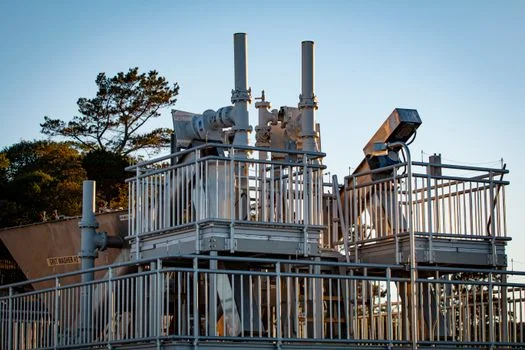
Selecting the appropriate wastewater treatment system for a London hospital is a methodical process that ensures compliance, cost-effectiveness, and operational efficiency. This framework guides facility managers and engineers through the critical decision points.
- Step 1: Assess Wastewater Volume and Quality. Begin by installing flow meters and composite samplers for a minimum of 30 days to accurately characterize your hospital's effluent. Measure critical parameters such as flow rate, COD, BOD, TSS, pH, and specific contaminants like pharmaceuticals and pathogens. For instance, a 200-bed hospital typically generates 100–150 m³/day of wastewater with COD levels ranging from 500–1,500 mg/L, significantly higher than domestic sewage.
- Step 2: Determine Discharge Route. Clarify whether the treated wastewater will be discharged directly to the Thames Water public sewer or directly to a local watercourse (e.g., river, stream). Discharge to the sewer requires pretreatment to meet Thames Water's acceptance criteria, while direct discharge to the environment demands full treatment to the more stringent Environment Agency limits.
- Step 3: Match Technology to Contaminant Profile. Utilize the detailed comparison table from the previous section to select the most suitable technology based on your specific wastewater profile. Choose a compact MBR system if high pharmaceutical removal and a small footprint are priorities, an Electrocoagulation system for high metal or FOG loads, or a all-in-one medical wastewater treatment system for small clinics or as robust pretreatment for less complex requirements.
- Step 4: Size the System. Based on the assessed wastewater volume and chosen technology, calculate the required system capacity and footprint. For DAF systems, hydraulic loading rates of 4–8 m/h are critical. For MBRs, organic loading rates of 0.1–0.3 kg BOD/kg MLSS/day will determine the bioreactor volume and membrane area needed to achieve desired effluent quality.
- Step 5: Request Quotes. Prepare a comprehensive Request for Proposal (RFP) for vendors. This should include your 30-day flow and composition data, the determined discharge route, specific effluent quality targets, and any site-specific space constraints. A detailed RFP ensures accurate proposals and facilitates a true comparison of vendor offerings.
Frequently Asked Questions
Understanding the intricacies of hospital wastewater treatment in London often leads to specific questions from facility managers, procurement officers, and consulting engineers.
Q: What are the Environment Agency limits for hospital wastewater?
A: The Environment Agency sets strict limits for direct discharge, including BOD ≤10 mg/L, COD ≤125 mg/L, TSS ≤30 mg/L, E. coli ≤250 CFU/100mL, and pH 6–9 (per The Urban Waste Water Treatment Regulations 1994). Site-specific permits may vary slightly.
Q: How do Thames Water trade effluent charges impact hospital budgets?
A: Thames Water charges for high-strength trade effluent, currently around £2.10/m³, can significantly increase operating costs for hospitals. On-site treatment to reduce COD, TSS, and FOG below acceptance criteria can lead to substantial savings.
Q: Is AMR gene removal from hospital wastewater mandatory in London?
A: While direct mandatory discharge limits for AMR genes are not yet universally implemented, NHS trust requirements and UK Health Security Agency guidelines increasingly recommend monitoring and highly effective removal strategies due to public health concerns.
Q: What is the typical CAPEX for a hospital wastewater treatment system in London?
A: CAPEX varies significantly by hospital size and technology, ranging from £250K for small clinics to £2M for 500-bed hospitals, including DAF, MBR, and disinfection units.
Q: What are the main contaminants in London hospital wastewater?
A: Key contaminants include pharmaceuticals (e.g., carbamazepine, diclofenac), antimicrobial resistance (AMR) genes, high concentrations of pathogens (e.g., Pseudomonas, E. coli), and heavy metals from labs (e.g., mercury).
Q: How does MBR technology compare to electrocoagulation for hospital wastewater?
A: MBR offers superior removal of BOD, COD, and pharmaceuticals (95%+) with a smaller footprint, ideal for large hospitals. Electrocoagulation is effective for high metal/FOG loads and offers 80-90% pharmaceutical removal, suitable for medium-sized facilities, as detailed in AMR compliance strategies for UK hospitals outside London.