In Fukuoka, hospital wastewater treatment must achieve >99.99% inactivation of antimicrobial-resistant bacteria (ARB) like ESBL-producing Enterobacterales to comply with Japan’s 2025 AMR Action Plan. Ozone + UV-LED systems, proven in a 2024 Fukuoka City pilot, reduce ARB by 2 log10 (>99%) at the DNA level while removing 95% of residual antimicrobials (e.g., ciprofloxacin, vancomycin). Local ordinances require effluent COD <20 mg/L and TSS <10 mg/L, with permitting timelines of 6–12 months. Budget $150K–$1.2M for systems serving 50–500 beds.
Why Fukuoka’s Hospitals Face Urgent Wastewater Treatment Upgrades in 2025
Fukuoka’s healthcare infrastructure is currently undergoing a regulatory shift necessitated by the 2021 Osaka University hospital case, where 30 years of misusing treated toilet water for drinking exposed over 10,000 patients to potential pathogens. This high-profile failure highlighted the critical risks of inadequate medical effluent management and accelerated the implementation of Japan’s 2025 AMR Action Plan. This federal mandate requires hospitals to implement advanced treatment protocols to curb the environmental spread of antimicrobial-resistant bacteria (ARB), which have been detected at alarming concentrations in urban Japanese waterways.
The "silent pandemic" of ARB in hospital effluent is no longer a theoretical risk; data from 2024 surveillance indicates that traditional chlorine-based disinfection is insufficient for modern medical pathogens. Engineering benchmarks now require that 99% of Gram-negative rods and >99.99% of ESBL-producing Enterobacterales must be inactivated before discharge. Fukuoka City has responded by enforcing local ordinances that are significantly stricter than national standards, such as a Chemical Oxygen Demand (COD) limit of <20 mg/L, compared to the national requirement of 30 mg/L. This local rigor aims to protect the Hakata Bay ecosystem and ensure the safety of municipal water sources.
Technological trends in the region further signal a move toward chemical-free, high-intensity disinfection. Fukuoka’s advanced water purification facilities already utilize ozone treatment and granular activated carbon, setting a precedent that private and public hospitals are expected to follow. For facility engineers, this means moving beyond simple septic systems toward integrated plants capable of removing 95% of residual antimicrobials like ciprofloxacin and vancomycin, which otherwise act as selective pressures for resistance in the environment. Failure to upgrade systems by 2025 risks not only public health but also severe legal and financial penalties under the Fukuoka City Environmental Ordinance.
Fukuoka’s 2025 Hospital Wastewater Treatment Standards: What You Must Achieve
Fukuoka City’s 2025 effluent standards mandate a COD threshold of <20 mg/L and a Total Suspended Solids (TSS) limit of <10 mg/L for all medical facilities with more than 20 beds. These requirements, overseen by the Fukuoka City Waterworks Bureau, are designed to integrate with the 2025 AMR Action Plan, which adds a biological layer to traditional chemical compliance. Engineers must now account for the inactivation of carbapenem-resistant organisms (CRO) and ESBL-producing Enterobacterales, ensuring a >99.99% reduction at the point of discharge.
| Parameter | National Standard (Japan) | Fukuoka City Standard (2025) | AMR Target Reduction |
|---|---|---|---|
| COD (Chemical Oxygen Demand) | 30 mg/L | <20 mg/L | N/A |
| BOD (Biochemical Oxygen Demand) | 20 mg/L | <10 mg/L | N/A |
| TSS (Total Suspended Solids) | 50 mg/L | <10 mg/L | N/A |
| E. coli Count | 3,000 CFU/L | <10 CFU/100 mL | >99.99% |
| Residual Chlorine | <0.4 mg/L | <0.1 mg/L | N/A |
| ESBL-Enterobacterales | Monitoring only | >4 log10 reduction | >99.99% |
The permitting process in Fukuoka is notably rigorous, often requiring 6 to 12 months from initial design submission to final operation. The workflow begins with a pre-application meeting with the Waterworks Bureau to establish baseline influent characteristics. Following this, a detailed design review is conducted to ensure the proposed technology—whether ozone-based or membrane-driven—can consistently meet the <20 mg/L COD limit. Once a construction permit is issued and the system is installed, a final inspection including a 72-hour performance test is mandatory before the facility is granted a discharge license.
Non-compliance carries heavy consequences under the Fukuoka City Environmental Ordinance of 2023. Fines for exceeding effluent limits can reach ¥5M ($35,000) per occurrence, but the more significant risk is the issuance of a "Mandatory Improvement Order." This order can force a hospital to suspend certain surgical or laboratory activities if the wastewater system cannot safely process the resulting effluent. quarterly lab testing reports must be submitted to the city, documenting both chemical parameters and ARB inactivation rates to maintain operational status.
Treatment Technologies for Hospital Wastewater: How Ozone, UV, and MBR Compare for AMR Reduction
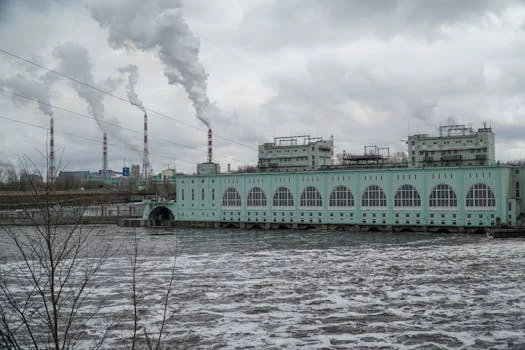
Ozone + UV-LED systems represent the current gold standard for AMR mitigation in Fukuoka, achieving >99.99% ARB inactivation while maintaining a low chemical footprint. In this process, ozone acts as a powerful oxidant that breaks down complex organic molecules and pharmaceutical residues, while subsequent UV-LED irradiation at specific wavelengths (265-275 nm) disrupts the DNA and RNA of resistant bacteria, preventing repair and replication. Data from a 2024 Fukuoka pilot study confirmed that this combination removes 95% of ciprofloxacin and vancomycin, with energy costs ranging from ¥12 to ¥18 per cubic meter of treated water. This makes it an ideal choice for hospitals seeking to avoid the corrosive effects of high-dose chlorine.
For facilities with limited space or those aiming for water reuse, a MBR system for large hospitals with high AMR risks offers a robust alternative. Membrane Bioreactors utilize 0.1 μm ultrafiltration membranes to physically strain out bacteria, viruses, and micro-plastics. HydropureWater MBR units typically achieve COD removal rates of 95–98%, producing effluent that often exceeds municipal requirements for non-potable reuse (e.g., cooling towers or irrigation). While the capital investment for MBR is higher than traditional activated sludge, its footprint is approximately 60% smaller, which is a critical factor for urban hospitals in Fukuoka’s Chuo or Hakata wards where land value is at a premium.
While Chlorine Dioxide (ClO₂) remains a common secondary disinfectant, its efficacy against AMR is lower compared to advanced oxidation processes. ClO₂ is effective for general pathogen control, but it requires careful monitoring to ensure residual levels remain below 0.8 mg/L to prevent piping corrosion, per Fukuoka City guidelines. For a more comprehensive look at how these methods stack up, engineers should consult a detailed comparison of ozone vs. UV vs. chlorine dioxide for AMR reduction, which highlights the trade-offs between operating complexity and disinfection depth.
| Technology | AMR Reduction Rate | COD Removal | Footprint | OpEx (per m³) |
|---|---|---|---|---|
| Ozone + UV-LED | >99.99% | 85–90% | Medium | ¥12–¥18 |
| MBR (Membrane) | >99.9% (Physical) | 95–98% | Small | ¥15–¥22 |
| Chlorine Dioxide | >90% | <10% | Very Small | ¥8–¥12 |
| Adv. Oxidation | >99.999% | >95% | Large | ¥25–¥40 |
It is important to note the limitations of each technology. Ozone/UV systems require effective pre-treatment if the influent TSS exceeds 200 mg/L, as particles can "shield" bacteria from UV light. Conversely, MBR systems require a disciplined maintenance schedule, including weekly backwashing and semi-annual chemical cleaning of the membranes to prevent fouling caused by the high protein and lipid content often found in medical wastewater. Understanding these technical nuances is essential for aligning with Taiwan’s approach to AMR in industrial wastewater, which mirrors many of the high-standard protocols being adopted in Fukuoka.
Budgeting for Compliance: Cost Breakdown for Small, Medium, and Large Hospitals in Fukuoka
Capital expenditure (CAPEX) for hospital wastewater systems in Fukuoka has risen by approximately 15% since 2023 due to the integration of AMR-specific disinfection modules. For a small hospital or specialized clinic with 50 beds, a compact system typically ranges from ¥20M to ¥50M ($150K–$350K). Medium-sized facilities (200 beds) requiring more sophisticated automation and MBR technology should budget between ¥70M and ¥120M ($500K–$850K). Large teaching hospitals or regional medical centers with 500+ beds will likely face costs between ¥150M and ¥170M ($1.1M–$1.2M), particularly if they incorporate full redundancy and advanced oxidation stages.
| Hospital Size | Avg. Daily Flow | CAPEX (Est.) | Annual OpEx (Est.) | Maintenance Focus |
|---|---|---|---|---|
| Small (50 beds) | 25–40 m³ | ¥20M–¥50M | ¥1.5M–¥2.5M | Ozone Generator Cells |
| Medium (200 beds) | 100–160 m³ | ¥70M–¥120M | ¥4M–¥7M | UV Lamp Replacement |
| Large (500+ beds) | 250–400 m³ | ¥150M–¥170M | ¥10M–¥15M | Membrane Replacement |
Operating expenses (OpEx) are driven primarily by energy consumption and consumables. Ozone and UV systems average ¥12–¥18 per cubic meter, while MBR systems are slightly higher at ¥15–¥22 per cubic meter due to the aeration required for membrane scouring. Procurement managers must also account for the cost of membrane replacement every 5 to 7 years, which can represent 15% of the initial CAPEX. These figures are comparable to international benchmarks, such as how Munich’s hospital wastewater standards compare to Fukuoka’s, where high energy costs also drive technology selection.
Beyond equipment, "hidden" costs can impact the total project budget. Permitting and engineering consultancy fees in Fukuoka generally range from ¥2M to ¥5M, depending on the complexity of the site’s hydrogeology. Quarterly laboratory testing for AMR markers and standard effluent parameters adds an annual burden of approximately ¥1M. However, the Return on Investment (ROI) is realized through the avoidance of ¥5M non-compliance fines and the potential for water reuse. By utilizing treated effluent for graywater applications, hospitals can reduce their municipal water consumption by up to 30%, according to 2024 Fukuoka City Waterworks Bureau data, providing a hedge against rising utility rates.
Step-by-Step Equipment Selection Checklist for Fukuoka Hospitals
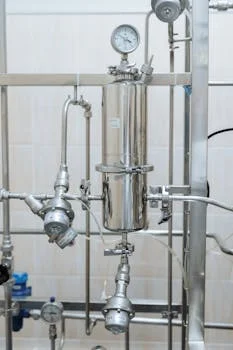
Selecting the right equipment requires a systematic evaluation of influent chemistry and local discharge requirements. The first step is a comprehensive influent assessment. Facility engineers must measure TSS, COD, and specifically check for high concentrations of antimicrobial residues. If ciprofloxacin or other fluoroquinolones exceed 100 μg/L, standard biological treatment will be inhibited, necessitating a pre-treatment DAF system for high-TSS hospital wastewater to remove solids that might interfere with advanced oxidation.
The second step is matching technology to the hospital’s scale and risk profile. For smaller clinics, a compact ozone-based hospital wastewater treatment system is often the most cost-effective solution due to its integrated design and ease of operation. Medium and large hospitals should prioritize MBR or combined Ozone/UV systems to ensure they meet the <20 mg/L COD limit even during peak flow periods. During vendor evaluations, engineers should ask: "Does your system meet Fukuoka’s 2025 COD <20 mg/L limit?" and "Can you provide a 2024 pilot report or case study from a Japanese medical facility?"
Redundancy planning is the final, critical step. Fukuoka’s regulations do not allow for "bypass" events during equipment failure. Therefore, systems should include a backup disinfection stage, such as a chlorine dioxide generator, which can be activated if the primary ozone or UV system goes offline for maintenance. Establishing a quarterly maintenance contract that includes UV lamp replacement and sensor calibration is essential for maintaining the >99.99% ARB inactivation rate required for compliance.
- Conduct Influent Characterization: Test for pharmaceuticals, lipids (from kitchens), and TSS.
- Define Target Effluent: Confirm if the facility must meet the Fukuoka <20 mg/L COD or <10 mg/L BOD standard.
- Evaluate Footprint: Determine if an integrated MBR is required for space savings.
- Verify AMR Inactivation: Ensure the vendor guarantees >4 log10 reduction for ESBL-producing bacteria.
- Assess Lifecycle Costs: Include membrane replacement and energy consumption in the 10-year budget.
Frequently Asked Questions
Q: How is hospital wastewater treated in Fukuoka?
A: Most Fukuoka hospitals utilize a multi-stage process including primary clarification, biological treatment (often MBR), and advanced disinfection via ozone or UV-LED. This combination is necessary to meet the local COD <20 mg/L limit and the >99.99% ARB inactivation mandate of the 2025 AMR Action Plan.
Q: What is the cost of hospital wastewater treatment in Fukuoka in 2025?
A: Total CAPEX typically ranges from ¥20M ($150K) for small clinics to over ¥170M ($1.2M) for large hospitals. Operating costs fluctuate between ¥12 and ¥22 per cubic meter, depending on whether ozone or MBR technology is employed.
Q: What are Fukuoka’s 2025 hospital wastewater standards?
A: The standards require COD <20 mg/L, BOD <10 mg/L, TSS <10 mg/L, and E. coli <10 CFU/100 mL. Critically, there is a new focus on achieving >99.99% reduction in ESBL-producing and carbapenem-resistant bacteria.
Q: What is an STP plant in a hospital?
A: A Sewage Treatment Plant (STP) in a hospital is a specialized facility designed to remove medical-specific contaminants, including pathogens, pharmaceutical residues, and organic matter. In Fukuoka, these plants must incorporate advanced oxidation or ultrafiltration to comply with AMR regulations.
Q: How does Japan treat wastewater differently from other countries?
A: Japan, and Fukuoka specifically, prioritizes the removal of antimicrobial-resistant bacteria at the DNA level. While many countries rely on chlorine, Japan is shifting toward ozone and UV-LED to avoid toxic disinfection byproducts and ensure higher inactivation rates of resistant strains.
Further Reading
Explore these in-depth articles on related wastewater treatment topics: