Surabaya Hospital Wastewater Compliance: 2025 Standards Checklist
Surabaya hospitals must treat wastewater to meet Indonesia’s Minister of Environment Regulation No. 5/2014 and local Surabaya Environmental Agency (DLH) standards, including COD < 100 mg/L, BOD < 30 mg/L, and fecal coliform < 1,000 MPN/100mL. Dr. Soetomo General Hospital’s WWTP achieves 92–97% COD removal using a three-unit system (primary sedimentation, biological treatment, disinfection). For new projects, costs range from $80K for small clinics (50 m³/day) to $1.2M for 500 m³/day hospitals, with payback periods of 3–7 years via avoided fines and water reuse savings.
Compliance in East Java is governed by a dual-layered regulatory framework. While national standards provide the baseline, the Surabaya Environmental Agency (DLH) often enforces stricter monitoring due to the high density of the Brantas River basin. Non-compliance triggers a tiered enforcement protocol: initial administrative warnings, followed by fines ranging from IDR 50 million to 500 million, and potentially the suspension of operational permits. As a benchmark, the effectiveness of the WWTP at Dr. Soetomo General Hospital demonstrates that achieving 95% removal efficiency is not only a regulatory requirement but a technical baseline for large-scale urban facilities.
The following table outlines the 2025 discharge limits for hospital effluent in Surabaya compared to international benchmarks:
| Parameter | Surabaya DLH / Reg 5/2014 | WHO Guidelines (2022) | EU Directive 91/271/EEC |
|---|---|---|---|
| COD (Chemical Oxygen Demand) | < 100 mg/L | < 150 mg/L | < 125 mg/L |
| BOD (Biochemical Oxygen Demand) | < 30 mg/L | < 30 mg/L | < 25 mg/L |
| TSS (Total Suspended Solids) | < 30 mg/L | < 50 mg/L | < 35 mg/L |
| Fecal Coliform | < 1,000 MPN/100mL | < 1,000 MPN/100mL | < 500 MPN/100mL* |
| pH | 6.0 – 9.0 | 6.5 – 8.5 | 6.0 – 9.0 |
| Oil & Grease | < 5 mg/L | N/A | N/A |
| NH3-N (Ammonia) | < 0.1 mg/L | N/A | N/A |
Surabaya presents unique engineering challenges, particularly the high rainfall dilution during the monsoon season which can hydraulicly overload poorly designed systems. land scarcity in central Surabaya necessitates compact treatment footprints. Facilities must also account for seasonal spikes in occupancy, such as during regional dengue or respiratory outbreaks, which can increase organic loading by 20-30% above the annual average.
Hospital Wastewater Characteristics: What Your Treatment System Must Handle
Hospital effluent is significantly more complex than municipal sewage due to the presence of recalcitrant organic compounds and hazardous biological agents. In Surabaya, influent parameters typically show COD levels between 300–1,200 mg/L and BOD levels of 150–600 mg/L. TSS concentrations range from 100–400 mg/L, but the most critical concern is the pathogen load, with fecal coliform counts often reaching 10^6–10^8 MPN/100mL before treatment.
Beyond standard organic matter, hospital waste contains pharmaceutical residues including antibiotics, hormones, and cytostatic drugs used in oncology. Disinfectants like glutaraldehyde and chlorine-based cleaners, common in surgical units, can inhibit the biological activity of standard activated sludge plants if not properly managed. This chemical complexity requires a robust primary treatment phase to prevent toxicity in the secondary biological stage.
Flow rate variability is another critical design factor. Small clinics in Surabaya may generate 50–500 m³/day, whereas major regional centers like Dr. Soetomo handle upwards of 3,000 m³/day. Engineering teams must design for a "peaking factor" of at least 2.5x the average hourly flow to account for laundry cycles and sterilization procedures that occur in concentrated bursts. Temperature and pH fluctuations are also prevalent, driven by high-temperature discharge from industrial-scale laundry facilities and acidic waste from pathology laboratories.
Treatment Technology Comparison: DAF vs MBR vs Chlorine Dioxide for Hospital Effluent
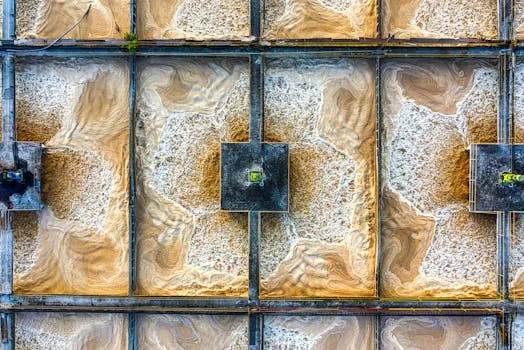
Selecting the appropriate technology depends on the hospital’s specific footprint constraints, budget, and desired effluent quality. While traditional activated sludge systems are common, many Surabaya facilities are upgrading to Membrane Bioreactors (MBR) or Dissolved Air Flotation (DAF) systems to ensure compliance with tightening DLH standards.
An integrated MBR system for compact, high-efficiency hospital wastewater treatment is often the preferred choice for urban hospitals with limited land. MBR combines biological treatment with membrane filtration, effectively replacing the secondary clarifier and tertiary sand filter. This results in an effluent with near-zero TSS and significant pathogen reduction even before disinfection.
| Technology | COD Removal (%) | BOD Removal (%) | Pathogen Kill Rate (%) | Footprint (m²/100 m³) | O&M Cost ($/m³) | Surabaya Suitability |
|---|---|---|---|---|---|---|
| DAF (Dissolved Air Flotation) | 60–70% | 50–60% | 90% | Medium | $0.15–$0.30 | 4/5 (Pre-treatment) |
| MBR (Membrane Bioreactor) | 95–99% | 98–99% | 99.9% | Small | $0.25–$0.50 | 5/5 (High Compliance) |
| Chlorine Dioxide | N/A | N/A | 99.99% | Very Small | $0.10–$0.20 | 5/5 (Disinfection) |
For pre-treatment of high-TSS waste, a DAF system for hospital wastewater pre-treatment utilizes micro-bubble technology to float fats, oils, and suspended solids to the surface for mechanical removal. This is particularly effective for hospitals with large cafeteria and laundry operations. Following biological treatment, a compact medical wastewater treatment system with ozone disinfection or chlorine dioxide is essential. When evaluating disinfection, refer to this chlorine dioxide vs ozone for hospital wastewater disinfection guide; chlorine dioxide is often favored in Surabaya for its residual protection within the plumbing system, preventing biofilm regrowth without forming harmful Trihalomethanes (THMs).
In comparison to Denpasar’s hospital wastewater treatment standards and costs, Surabaya’s facilities often require more robust primary treatment units due to the higher industrial/urban sediment load in the municipal intake water.
Step-by-Step System Design: From Flow Rate to Equipment Selection
Engineering a hospital WWTP in Surabaya requires a systematic approach to ensure the system remains functional during both peak loads and maintenance periods. The following steps outline the design process:
Step 1: Calculate Daily Flow Rate (m³/day). Design should be based on the number of beds and specific department water usage. As a benchmark, Dr. Soetomo General Hospital processes approximately 3,000 m³/day for 1,500 beds (roughly 2 m³ per bed per day). For smaller private hospitals, a figure of 0.8–1.2 m³ per bed is more typical, plus additional volume for outpatient clinics.
Step 2: Determine Influent Loading. Conduct a 24-hour composite sampling to establish baseline COD, BOD, and TSS. If the hospital is in the planning phase, use conservative estimates: 800 mg/L COD for facilities with high surgical volumes and 400 mg/L for general clinics.
Step 3: Select the Treatment Train. A typical robust process flow for a Surabaya hospital includes:
- Mechanical Screening (to remove medical plastics and textiles)
- Equalization Tank (to stabilize pH and flow)
- DAF Unit (for oil, grease, and TSS removal)
- Anoxic/Aerobic Biological Stage (MBR or Moving Bed Biofilm Reactor)
- Disinfection Stage (Chlorine Dioxide or UV)
Step 4: Size Equipment for Removal Efficiency. If using an MBR system, size the membrane surface area based on a flux rate of 15–25 Liters per Square Meter per Hour (LMH). Ensure the aeration blowers are sized to maintain a Dissolved Oxygen (DO) level of 2.0 mg/L in the aerobic zone to support nitrifying bacteria.
Step 5: Add Redundancy for Monsoon Variability. Surabaya’s heavy rains can lead to groundwater infiltration. Design the equalization tank with at least 8–12 hours of hydraulic retention time (HRT) and install dual-pump configurations (lead/lag) for all critical transfer points to ensure 100% uptime.
Cost Breakdown: 2025 Budget for Hospital WWTPs in Surabaya
Budgeting for a WWTP in Surabaya must account for high equipment import duties, local civil construction costs, and long-term operational expenses. Capital expenditure (CapEx) varies significantly by technology. A standard DAF + biological system ranges from $1,500–$3,000 per m³/day of capacity. In contrast, high-performance MBR systems range from $2,500–$4,500 per m³/day due to the cost of membranes and advanced automation.
| Facility Size | Capacity (m³/day) | Estimated CapEx (USD) | Annual OpEx (USD) |
|---|---|---|---|
| Clinic / Specialist Center | 50 | $80,000 – $120,000 | $8,000 |
| Medium Private Hospital | 250 | $450,000 – $650,000 | $35,000 |
| Large Regional Hospital | 1,000 | $2,200,000 – $3,500,000 | $120,000 |
Operational expenditure (OpEx) is typically dominated by energy consumption (45%), chemical reagents (25%), and maintenance/labor (30%). While MBR systems have higher energy requirements for membrane scouring, they significantly reduce the cost of sludge disposal. For a broader view of regional economic factors, see Indonesia’s industrial wastewater treatment standards and costs.
The Return on Investment (ROI) is realized through the avoidance of DLH fines and the potential for water reuse. In Surabaya, treated effluent can be repurposed for cooling towers or landscape irrigation, saving approximately IDR 15,000 per m³ compared to municipal water rates. Most hospitals achieve a full payback on the system within 3 to 7 years.
Surabaya Supplier Checklist: How to Evaluate Vendors for Your Project
Choosing a vendor in Surabaya requires more than comparing price quotes. Because hospital wastewater is hazardous, the technical competency of the supplier is paramount. Use the following checklist during your procurement process:
- Local Experience: Can the vendor provide references for at least three operational hospital WWTPs in East Java? Request a site visit to a benchmark facility like Dr. Soetomo to see the equipment in a real-world setting.
- Regulatory Expertise: Does the vendor assist with the DLH permit application (IPLAL)? A qualified supplier should provide the necessary engineering drawings and calculations required for environmental impact assessments (UKL-UPL).
- After-Sales Support: Does the vendor have a service center in Surabaya? Hospital systems cannot afford 48-hour downtimes while waiting for parts from Jakarta or overseas. Ensure spare parts like membrane modules and dosing pumps are stocked locally.
- Staff Training: Does the proposal include comprehensive training for hospital facility managers? This should cover biological process monitoring, chemical safety, and emergency shutdown protocols.
- Warranty Terms: Demand a minimum 2-year warranty on mechanical equipment and a 1-year performance guarantee on membrane flux rates and effluent quality.
Frequently Asked Questions
What is the most effective way to remove antibiotics from hospital wastewater in Surabaya?
Advanced Oxidation Processes (AOP) or Membrane Bioreactors (MBR) are the most effective. MBR systems provide a high sludge age (SRT), which allows specialized bacteria to develop that can break down complex pharmaceutical molecules. For complete removal, tertiary treatment with ozone or activated carbon is recommended.
How does the Surabaya DLH monitor hospital effluent?
Monitoring is conducted through periodic manual sampling (usually monthly) and, for larger hospitals, mandatory continuous online monitoring systems (SPARING) that transmit real-time data for pH, COD, TSS, and flow rate directly to the Ministry of Environment servers.
Can we reuse treated hospital wastewater for irrigation?
Yes, provided the effluent meets the Class 4 water quality standards set by Government Regulation No. 22/2021. This requires high-level disinfection to ensure fecal coliform levels are well below 1,000 MPN/100mL to prevent public health risks.
What is the typical footprint for a 500 m³/day MBR system?
An integrated MBR system for this capacity typically requires approximately 150–200 square meters. This is roughly 40% smaller than a conventional activated sludge plant, making it ideal for the land-constrained hospital districts in central Surabaya.
Is chlorine or ozone better for disinfection in Surabaya hospitals?
While ozone is a stronger oxidant, chlorine dioxide is often preferred for Surabaya hospitals because it provides a stable residual. This prevents bacteria from regrowing in the effluent storage tanks, which is a common issue in East Java’s warm climate.