Why Disinfection Choice Impacts Industrial Wastewater Compliance
For industrial wastewater treatment, chlorine dioxide (ClO₂) and ozone (O₃) are both powerful oxidants, but ClO₂ offers superior material compatibility, lower residual toxicity, and a broader pH operating range (2–10 vs O₃’s 6–9). Ozone has a higher oxidation potential (2.07 V vs ClO₂’s 0.95 V) but requires costly on-site generation and poses safety risks. EPA data shows ClO₂ achieves 99.99% pathogen kill at 1–2 mg/L, while O₃ requires 3–5 mg/L for equivalent efficacy. Cost per kg of active disinfectant: ClO₂ $1.20–$2.50, O₃ $3.00–$6.00 (2025 industry benchmarks).
Regulatory compliance for industrial discharge is governed by strict microbial limits, such as those defined in EPA 40 CFR Part 133 and the EU Urban Waste Water Directive 91/271/EEC. These standards typically mandate that secondary treatment effluent must maintain E. coli levels below 126 CFU/100 mL and total coliform counts under 1,000 CFU/100 mL for sensitive discharge zones. Failure to meet these metrics results in severe financial penalties and operational shutdowns. For example, a food processing plant in Ohio recently faced $250,000 in fines after 2023 EPA enforcement data revealed consistent coliform limit violations caused by ineffective ozone dosing in a high-turbidity effluent stream (EPA Enforcement & Compliance History Online, 2023).
Disinfection failure extends beyond regulatory fines; it introduces the risk of biofilm regrowth in downstream conveyance piping and cooling towers. Biofilms protect pathogens like Legionella and can lead to significant microbially induced corrosion (MIC). In industrial settings with high influent variability—where pH swings and Total Suspended Solids (TSS) fluctuate—the choice of disinfectant becomes a matter of process stability. Ozone efficacy is highly sensitive to pH and organic loading, often decomposing before reaching target pathogens. In contrast, chlorine dioxide maintains its molecular integrity across a wide pH spectrum, ensuring that the disinfectant remains active even when upstream biological processes or chemical precipitation stages experience upsets.
Engineering teams must also consider the impact of disinfection on sludge dewatering technologies for industrial wastewater. Residual oxidants can interact with polymer flocculants, potentially reducing dewatering efficiency in the final solids handling stage. Selecting a disinfectant with a manageable residual, such as ClO₂, allows for more precise control over the entire treatment train from influent to discharge.
Oxidation Potential and Pathogen Kill Rates: The Core Metrics
Oxidation-reduction potential (ORP) measures the tendency of a chemical species to acquire electrons, but in wastewater disinfection, a higher voltage does not always equate to higher efficacy. Ozone possesses one of the highest oxidation potentials at 2.07 V, allowing it to rapidly lyse cell walls. However, this high reactivity makes ozone indiscriminate; it reacts immediately with any reduced species, including dissolved organic carbon (DOC) and metal ions, which "scavenges" the disinfectant before it can neutralize pathogens. Chlorine dioxide, with an oxidation potential of 0.95 V, operates via a five-electron transfer mechanism that is highly selective for electron-rich centers such as those found in the amino acids of viral capsids and bacterial membranes.
The Concentration x Time (CT) value is the standard engineering metric for determining disinfection efficacy. According to the EPA Long Term 2 Enhanced Surface Water Treatment Rule (LT2ESWTR 2024), ClO₂ demonstrates superior performance against chlorine-resistant pathogens. For a 4-log (99.99%) inactivation of Cryptosporidium in water at 20°C, ClO₂ requires a CT of approximately 15–20 mg·min/L, whereas ozone requires significantly lower contact time but much higher energy input to maintain the necessary concentration in the presence of high Chemical Oxygen Demand (COD).
pH sensitivity is a critical differentiator for plant managers operating in heavy industrial sectors like textiles or mining. Ozone decomposes rapidly into hydroxyl radicals at pH levels above 9.0, losing its primary disinfecting power. Chlorine dioxide remains a dissolved gas in water and does not hydrolyze; it retains its full biocidal efficacy from pH 2 to pH 10. This makes ClO₂ the technically superior choice for alkaline wastewater streams where acidification would be cost-prohibitive.
| Pathogen | ClO₂ CT (mg·min/L) | O₃ CT (mg·min/L) | Source / Conditions |
|---|---|---|---|
| E. coli | 0.4 – 0.75 | 0.02 – 0.1 | EPA Disinfection Manual (20°C) |
| Giardia lamblia | 10 – 15 | 0.5 – 2.0 | EPA LT2ESWTR (15°C, pH 6-9) |
| Cryptosporidium | 15 – 25 | 3.0 – 5.0 | EPA LT2ESWTR (20°C) |
| Viruses (Poliovirus) | 0.2 – 2.1 | 0.1 – 1.0 | WHO Guidelines (20°C) |
In high-COD industrial wastewater, the "disinfectant demand" of ozone can be 3 to 5 times higher than that of chlorine dioxide. Because ClO₂ does not react with many common organic compounds (like alkanes or alcohols), a much higher percentage of the dosed chemical is available for pathogen inactivation. This selectivity ensures that the Chlorine Dioxide Generator for industrial wastewater disinfection provides consistent results even during peak organic loading events.
Material Compatibility and Safety: What Your Equipment Can Handle

Infrastructure longevity is a primary concern for procurement teams, as the corrosive nature of strong oxidants can drastically shorten the mean time between failures (MTBF) for pumps, seals, and piping. Ozone is a highly aggressive gas that attacks natural rubber, neoprene, and non-passivated metals. At concentrations exceeding 0.1 mg/L, ozone will cause rapid embrittlement of gaskets and can corrode copper and brass fittings. Chlorine dioxide, while still a strong oxidant, is significantly more compatible with common industrial materials, including 316L stainless steel, PVC, CPVC, and high-density polyethylene (HDPE), provided that the concentrations remain within standard disinfection ranges (AWWA 2023).
For facilities utilizing advanced filtration, membrane compatibility is a deal-breaker. Ozone is known to degrade polyamide reverse osmosis (RO) membranes at concentrations as low as 0.05 mg/L, leading to increased salt passage and membrane failure. In contrast, chlorine dioxide is generally considered safe for PVDF and PTFE membranes used in Membrane Bioreactors (MBR) and ultrafiltration (UF) systems. According to Dow Filmtec 2024 guidelines, ClO₂ can be used for biofouling control without the immediate oxidative damage associated with free chlorine or ozone, provided residual monitoring is in place.
Safety protocols for both gases are rigorous. The OSHA Permissible Exposure Limit (PEL) for both ozone and chlorine dioxide is 0.1 ppm as an 8-hour time-weighted average (TWA). However, the physical risks differ: ozone must be generated on-site at high concentrations (often 10–14% by weight), which introduces an explosion risk if not managed with proper dilution and destruct units. Chlorine dioxide generators, such as the Chlorine Dioxide Generator for industrial wastewater disinfection, produce the gas in a vacuum or submerged aqueous environment, significantly reducing the risk of ambient gas release.
| Material | ClO₂ Compatibility | O₃ Compatibility | Notes |
|---|---|---|---|
| 316 Stainless Steel | Excellent | Good | O₃ requires high-grade passivation. |
| PVC / CPVC | Excellent | Fair | O₃ can cause long-term brittleness. |
| EPDM / Neoprene | Good | Poor | O₃ causes rapid cracking/failure. |
| PTFE (Teflon) | Excellent | Excellent | Standard for both systems. |
| Copper / Brass | Fair | Poor | Avoid with O₃ due to oxidation. |
Residual management is the final safety consideration. Ozone decomposes naturally into oxygen, leaving no residual—a benefit for discharge but a drawback for preventing regrowth in pipes. Chlorine dioxide leaves a chlorite (ClO₂⁻) residual. While the EPA Maximum Contaminant Level (MCL) for chlorite is 1.0 mg/L in drinking water, industrial discharge permits may require lower levels. This is easily mitigated using sodium bisulfite or ferrous sulfate dosing, which rapidly reduces chlorite to chloride ions before the water leaves the facility.
Cost per kg and System Economics: CAPEX vs OPEX Breakdown
Total Cost of Ownership (TCO) for disinfection systems is divided between the initial capital expenditure (CAPEX) and the ongoing operational costs (OPEX), which include chemicals, electricity, and specialized maintenance. For most industrial applications, chlorine dioxide offers a more favorable economic profile. The cost per kg of active ClO₂ typically ranges from $1.20 to $2.50, depending on the precursor chemicals used (usually sodium chlorite and hydrochloric acid). Ozone generation, while appearing "free" because it uses air or oxygen, actually costs between $3.00 and $6.00 per kg when accounting for the massive electrical demand and the maintenance of oxygen concentrators.
CAPEX for chlorine dioxide generators is generally lower, ranging from $15,000 for small-scale units to $200,000 for large industrial systems capable of 20,000 g/h. Ozone systems require more complex peripheral equipment, including air dryers, high-frequency power supplies, and ozone destruct units to manage off-gas, pushing CAPEX into the $50,000 to $500,000 range for equivalent disinfection capacity. wastewater treatment cost per gallon benchmarks for 2025 indicate that energy consumption is the fastest-growing OPEX component. Ozone systems require 10–15 kWh per kg of gas produced, whereas ClO₂ generators require only 2–5 kWh per kg to drive the dosing pumps and control systems (AWWA 2024).
A 2023 case study from a pulp and paper mill in Sweden illustrates the ROI potential. The facility transitioned from a legacy corona-discharge ozone system to a chlorine dioxide generator for their final effluent disinfection. By switching, the plant reduced its annual energy consumption by 65% and eliminated the need for quarterly high-voltage transformer maintenance, resulting in an annual OPEX saving of $85,000. The payback period for the new ClO₂ system was less than 18 months.
| Cost Factor | Chlorine Dioxide (ClO₂) | Ozone (O₃) | Engineering Notes |
|---|---|---|---|
| CAPEX (Relative) | Low to Moderate | High | O₃ needs destruct & drying units. |
| Energy (kWh/kg) | 2 – 5 kWh | 10 – 15 kWh | O₃ is highly energy intensive. |
| Chemical Cost | Precursor chemicals needed | None (if using air) | ClO₂ uses chlorite/acid. |
| Maintenance | Standard pump/sensor care | Specialized HV/O₂ service | O₃ maintenance requires specialists. |
| Total OPEX/kg | $1.20 – $2.50 | $3.00 – $6.00 | 2025 Industry Benchmarks. |
Hidden costs often overlooked by procurement teams include the floor space requirements. Ozone systems have a much larger footprint due to the cooling requirements and gas preparation skids. In contrast, a compact Chlorine Dioxide Generator for industrial wastewater disinfection can often be integrated into existing chemical feed rooms with minimal modifications.
Regulatory Compliance: Meeting EPA, EU, and Local Standards
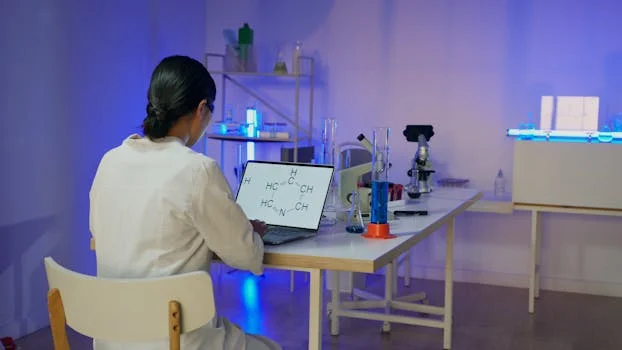
Compliance strategies must account for both the efficacy of pathogen removal and the concentration of disinfection byproducts (DBPs). Under EPA 40 CFR Part 133, both ClO₂ and O₃ are recognized as Best Available Technology (BAT) for secondary treatment disinfection. However, ClO₂ users must monitor for chlorite residuals, which are typically capped at 1.0 mg/L at the point of discharge to prevent aquatic toxicity. Ozone, while leaving no chemical residual, can form bromate (BrO₃⁻) if the influent contains high levels of bromide, a common occurrence in coastal facilities or certain chemical manufacturing wastes.
In the European Union, the Urban Waste Water Directive 91/271/EEC emphasizes the protection of "sensitive areas." While ozone is often preferred for municipal reuse in these areas due to its oxygen-enriching effect, chlorine dioxide is widely permitted for industrial discharge provided that the facility documents compliance with Environmental Quality Standards (EQS). For medical facilities, the Medical Wastewater Treatment System with ozone disinfection is specifically designed to meet hospital-specific microbial standards that require the destruction of pharmaceutical residuals—a task where ozone’s high oxidation potential excels.
Local regulations can be even more stringent. California Title 22 requires a 5-log virus inactivation for recycled water applications, often necessitating a combination of UV and chemical disinfection. In China, the GB 18918-2002 standard for Class IA effluent allows the use of ozone to meet the strict total coliform limit of <1,000 CFU/L. Regardless of the geography, engineering teams must maintain "CT Logs"—continuous records of disinfectant concentration and contact time—to prove compliance during regulatory audits. Automated sensors integrated into modern generators facilitate this by providing real-time data logging and remote monitoring capabilities.
Decision Framework: When to Use ClO₂ vs O₃ for Your Plant
Selecting the optimal disinfection technology requires a systematic evaluation of the wastewater matrix and the plant’s operational constraints. Follow this five-step decision framework to determine the best fit for your facility:
- Analyze Influent Parameters: Measure pH, TSS, and COD. If the pH is consistently above 9.0 or if TSS exceeds 50 mg/L, chlorine dioxide is the technically superior choice. Ozone efficacy will be severely compromised by rapid decomposition and scavenging in these conditions.
- Evaluate Material Compatibility: Audit your downstream infrastructure. If the system includes RO membranes, EPDM gaskets, or copper heat exchangers, ozone will likely cause premature failure. ClO₂ is the safer alternative for infrastructure protection.
- Compare CAPEX/OPEX Constraints: For plants with a flow rate below 5 MGD, ClO₂ almost always provides a lower TCO. For massive installations (>10 MGD), the lack of chemical transport for ozone may begin to offset its higher CAPEX, though energy costs remain a factor.
- Assess Regulatory Residual Limits: If your discharge permit has a zero-tolerance policy for chlorite and you lack the space for a bisulfite quenching system, ozone’s residual-free nature is an advantage. Conversely, if you need a persistent residual to prevent biofouling in long discharge pipes, ClO₂ is required.
- Conduct a Pilot Test: The EPA recommends a 30-day pilot for any new disinfection system. Use a mobile unit to dose both ClO₂ and O₃ into a side-stream of your actual effluent. Monitor CT values and pathogen kill rates to determine the "real-world" demand and ensure you aren't over-designing the full-scale system.
Engineering Decision Logic: [High pH/High TSS] → Use ClO₂
[Sensitive to Membranes/Corrosion] → Use ClO₂
[Strict Chlorite Limits/High Bromide] → Use O₃
[Limited CAPEX/High Energy Costs] → Use ClO₂
Frequently Asked Questions
Q: Is chlorine dioxide safer than ozone for industrial wastewater?
A: From an operational standpoint, yes. While both have an OSHA PEL of 0.1 ppm, ozone requires high-concentration gas generation (10%+) which carries an explosion risk and requires complex destruct systems. ClO₂ is generated in an aqueous solution or under vacuum, making ambient leaks less likely and easier to manage.
Q: How effective is ozone at killing mold in wastewater?
A: Ozone is highly effective at killing mold and fungi, achieving a 99.9% kill rate at 3–5 mg/L with a 10-minute contact time. However, in industrial wastewater with high organic loads, ClO₂ often performs better because it does not get "used up" by the surrounding organic matter before it can reach the mold spores.
Q: What’s better than an ozone machine for industrial disinfection?
A: For wastewater with high turbidity or TSS, chlorine dioxide generators are superior because ClO₂ is a dissolved gas that can penetrate particles. For very clean, low-turbidity water where no chemical residuals are allowed, UV disinfection is often the preferred alternative.
Q: Can I use chlorine dioxide and ozone together?
A: It is generally not recommended to dose them simultaneously, as ozone can oxidize chlorine dioxide into chlorate, reducing the efficacy of both. However, they can be used sequentially: ozone for pre-oxidation of micro-pollutants and ClO₂ for final disinfection and residual control.
Q: What’s the difference between chlorine dioxide and ozone generators?
A: Chlorine dioxide generators produce the disinfectant through a chemical reaction (typically sodium chlorite + hydrochloric acid). Ozone generators produce gas through an electrical process (corona discharge or UV) that splits oxygen molecules (O₂) into individual atoms that then reform as O₃.