Hospital Wastewater Treatment in Cardiff: 2026 Engineering Specs, AMR Compliance & Zero-Risk Equipment Guide
Hospital wastewater in Cardiff must meet Welsh Water’s stringent discharge limits (e.g., COD ≤ 125 mg/L, BOD ≤ 25 mg/L) and NHS antimicrobial resistance (AMR) targets, including ≥99% removal of priority pathogens like *E. coli* and *Pseudomonas aeruginosa*. A 2025 ORCA study found 12 AMR genes in 87% of Cardiff hospital effluent samples, driving demand for advanced systems like MBR (95%+ COD removal) or electrocoagulation (99% pathogen reduction). This guide provides Cardiff-specific engineering specs, compliance frameworks, and cost-optimized equipment solutions for NHS trusts and private hospitals.Why Cardiff Hospitals Need Advanced Wastewater Treatment in 2026
Cardiff’s seven major hospitals collectively generate approximately 1,200 m³/day of wastewater, containing antibiotic residues 3-5 times higher than typical municipal effluent, as identified by the ORCA 2025 study. This elevated concentration of pharmaceuticals and pathogens, particularly antimicrobial-resistant strains, poses a significant public health risk if not adequately treated before discharge. In response, Welsh Water’s 2026 AMR Action Plan now imposes quarterly metagenomic sequencing requirements for hospitals discharging more than 50 m³/day, with non-compliance fines potentially reaching £250,000 per violation. NHS Wales’ 2025-2030 Sustainability Strategy mandates that all hospitals achieve zero liquid discharge (ZLD) for hazardous pharmaceuticals by 2028, pushing for comprehensive treatment solutions beyond basic municipal standards. Cardiff presents unique challenges for hospital wastewater treatment. The city’s aging sewage infrastructure, designed primarily for domestic waste, is often not equipped to handle the complex contaminants found in hospital effluent, leading to potential system overloads and inefficient removal of critical pollutants. Seasonal tourist spikes, particularly during major events, further strain municipal wastewater treatment plants, increasing the risk of discharge violations. Cardiff’s proximity to protected waterways, such as the River Taff and the Severn Estuary, necessitates exceptionally high treatment standards to prevent ecological damage and safeguard biodiversity. These factors combined underscore the urgent need for advanced, dedicated hospital wastewater treatment in Cardiff to mitigate AMR, ensure regulatory compliance, and meet environmental sustainability goals.Cardiff-Specific Wastewater Treatment Benchmarks: What Your System Must Achieve
| Parameter | Welsh Water Limit (2026) | NHS Target (2025) | Typical Influent Concentration |
|---|---|---|---|
| Chemical Oxygen Demand (COD) | ≤ 125 mg/L | — | 500-1500 mg/L |
| Biochemical Oxygen Demand (BOD) | ≤ 25 mg/L | — | 200-600 mg/L |
| Total Suspended Solids (TSS) | ≤ 35 mg/L | — | 100-300 mg/L |
| E. coli | ≤ 100 CFU/100mL | ≥99% removal | >105 CFU/100mL |
| Pseudomonas aeruginosa | — | ≥99% removal | Detectable |
| Enterococcus faecium | — | ≥99% removal | Detectable |
| Priority AMR Genes (e.g., blaCTX-M, mecA) | — | ≥95% reduction | Detectable |
| Temperature | ≤ 30°C | — | Often >30°C |
| pH | 6-9 | — | Variable (5-10) |
Treatment Technologies Compared: MBR vs. Electrocoagulation vs. DAF + ClO₂ for Cardiff Hospitals
Selecting the optimal hospital wastewater treatment technology for Cardiff involves balancing high removal efficiencies for chemical pollutants and antimicrobial resistance (AMR) with capital and operational costs, footprint, and specific Welsh Water compliance requirements. Each technology offers distinct advantages and trade-offs. Membrane Bioreactor (MBR) systems are highly effective, offering greater than 95% Chemical Oxygen Demand (COD) removal and ultrafiltration down to <1 μm, making them ideal for removing suspended solids, bacteria, and viruses (Encyclopedia MDPI). MBR systems for hospital wastewater treatment in Cardiff are particularly suitable for large hospitals (over 100 beds) with stringent discharge requirements and limited space, as they offer a compact footprint of approximately 1.2 m²/m³/day. However, MBR systems typically have a 40% higher Capital Expenditure (CAPEX) compared to electrocoagulation due to the cost of membranes and advanced controls. Electrocoagulation (EC) technology demonstrates 85-92% removal of pharmaceutical compounds and effective pathogen reduction through the destabilization of contaminants by electrochemically generated coagulants (Genesis Water Technologies). This method often boasts a 30% lower CAPEX than MBR systems and a smaller footprint of about 0.8 m²/m³/day, making it an attractive option for hospitals seeking cost-effective solutions. However, electrocoagulation often requires pre- or post-treatment pH adjustment to ensure Welsh Water compliance, which can add to operational complexity. Dissolved Air Flotation (DAF) + Chlorine Dioxide (ClO₂) combines physical separation with powerful disinfection. DAF systems for pre-treatment of hospital wastewater in Cardiff achieve significant removal of fats, oils, greases, and suspended solids, preparing the effluent for subsequent disinfection. Following DAF, ClO₂ generators for AMR pathogen control in Cardiff hospital effluent can achieve a 99% pathogen kill rate, effectively targeting bacteria, viruses, and some antibiotic-resistant strains. This combined approach has a CAPEX that is approximately 22% lower than MBR systems. However, DAF + ClO₂ typically incurs higher Operational Expenditure (OPEX) due to the continuous chemical dosing required for disinfection and the need to manage chemical precursors. The overall footprint for a DAF + ClO₂ system is around 1.5 m²/m³/day.| Technology | COD Removal | AMR Reduction | CAPEX (£/m³) | OPEX (£/m³/year) | Footprint (m²/m³/day) | Compliance Risk |
|---|---|---|---|---|---|---|
| MBR (Membrane Bioreactor) | >95% | >99% (pathogens, some genes) | £500-£1200 | £0.80-£1.50 | 1.2 | Low |
| Electrocoagulation | 70-85% | >90% (pharmaceuticals, pathogens) | £300-£800 | £0.60-£1.20 | 0.8 | Medium (pH adjustment needed) |
| DAF + ClO₂ | 60-80% (DAF) + Disinfection (ClO₂) | >99% (pathogens) | £400-£900 | £1.00-£1.80 | 1.5 | Medium (less organic removal than MBR) |
Step-by-Step Compliance Framework for Cardiff Hospitals
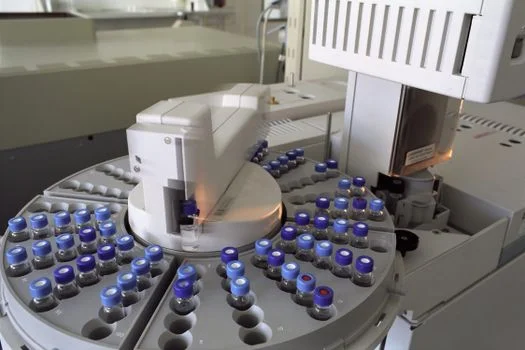
- Step 1: Conduct a Metagenomic Baseline Study. The initial phase involves a comprehensive study, estimated to cost between £12,000 and £25,000, to identify the specific antimicrobial resistance genes (AMR genes) present in your hospital’s effluent (ORCA 2025 methodology). This baseline data is crucial for understanding your specific AMR profile and informing treatment decisions.
- Step 2: Select Treatment Technology. Based on the detailed AMR baseline data and the comparative analysis of treatment options (referencing the 'Cardiff Hospital Wastewater Treatment Technology Comparison' table from the previous section), select the most appropriate and cost-effective technology or combination of technologies. Factors such as removal efficiency, footprint, CAPEX, OPEX, and long-term compliance risk should drive this decision.
- Step 3: Install Real-Time Monitoring. Implement continuous, real-time monitoring for key parameters such as COD, BOD, TSS, and pathogens using Welsh Water-approved sensors from reputable manufacturers like Hach or Endress+Hauser. Integrating an automatic chemical dosing system can ensure precise chemical addition and optimize treatment efficiency based on real-time data, preventing costly over-dosing or under-treatment.
- Step 4: Submit Quarterly Reports. Establish a robust data collection and reporting system to meet Welsh Water’s requirements. Quarterly reports, detailing metagenomic sequencing results and operational performance, must be submitted to Welsh Water’s AMR Monitoring Portal. The NHS Wales Technical Memorandum 2025 provides a standardized template for these submissions.
- Step 5: Schedule Annual Third-Party Audits. To verify ongoing compliance and ensure system integrity, schedule annual third-party audits. These audits, costing approximately £8,000-£15,000, provide an independent assessment of your treatment system's performance against all regulatory benchmarks and offer recommendations for continuous improvement.
Cost Breakdown: CAPEX, OPEX, and ROI for Cardiff Hospital Wastewater Systems
The financial investment for advanced hospital wastewater treatment systems in Cardiff varies significantly by technology and facility size, with Capital Expenditure (CAPEX) ranging from £150,000 to over £1.2 million for hospitals treating 50-500 m³/day (HydropureWater 2025 cost models). Understanding these costs, alongside operational expenses (OPEX) and potential return on investment (ROI), is critical for procurement teams and facility managers. For a hospital in Cardiff, MBR systems typically represent the higher end of the CAPEX spectrum, ranging from £250,000 to £1.2 million, largely due to membrane costs and advanced control requirements. Operational expenses for MBR average £0.80-£1.50/m³, covering energy for aeration, membrane cleaning, and routine maintenance. Electrocoagulation systems offer a more moderate CAPEX of £150,000-£800,000, with OPEX ranging from £0.60-£1.20/m³, primarily for electricity and electrode replacement. DAF + ClO₂ systems fall within a CAPEX range of £200,000-£900,000, but their OPEX can be higher, at £1.00-£1.80/m³, due to continuous chemical consumption for disinfection. The Return on Investment (ROI) for these systems is driven by several factors beyond mere operational cost. Avoiding Welsh Water fines, which can reach up to £250,000 per year for non-compliance, is a significant financial incentive. NHS Wales offers sustainability incentives, potentially up to £50,000 per year for achieving Zero Liquid Discharge (ZLD) compliance for hazardous pharmaceuticals. Additional savings can be realized through water reuse initiatives, estimated at £0.30/m³ for treated effluent used in non-potable applications. These financial drivers demonstrate that investing in advanced hospital wastewater treatment in Cardiff is not just a regulatory obligation but also a financially sound decision.| System Type | CAPEX (£) (50-500 m³/day) | OPEX (£/year) (per m³) | ROI (years) | Welsh Water Compliance Risk |
|---|---|---|---|---|
| MBR | £250,000 - £1,200,000 | £0.80 - £1.50 | 3-6 | Low |
| Electrocoagulation | £150,000 - £800,000 | £0.60 - £1.20 | 2-5 | Medium |
| DAF + ClO₂ | £200,000 - £900,000 | £1.00 - £1.80 | 3-7 | Medium |
Frequently Asked Questions
What are the primary drivers for advanced hospital wastewater treatment in Cardiff?
The main drivers are Welsh Water’s stringent 2026 discharge limits, the Welsh Government’s 2025/142 Statutory Instrument, and NHS Wales’ 2025-2030 Sustainability Strategy which mandates zero liquid discharge for hazardous pharmaceuticals by 2028. Additionally, the prevalence of AMR genes in Cardiff hospital effluent, as highlighted by the ORCA 2025 study, necessitates advanced treatment to mitigate public health risks and avoid substantial fines up to £250,000 for non-compliance.
How does Cardiff-specific AMR data influence treatment technology selection?
The ORCA 2025 study identified 12 specific AMR genes, including *blaCTX-M* and *mecA*, prevalent in Cardiff hospital effluent. This data directly informs the selection of technologies capable of achieving ≥95% reduction for these priority genes. For instance, MBR systems offer high pathogen and gene removal, while electrocoagulation effectively targets pharmaceuticals that contribute to AMR development. Understanding the specific AMR profile allows for a tailored, more effective treatment strategy.
What are the key differences in compliance requirements between Welsh Water and NHS Wales?
Welsh Water focuses on general discharge parameters like COD, BOD, TSS, and *E. coli* limits, along with quarterly metagenomic sequencing for larger discharges. NHS Wales, conversely, sets specific AMR reduction targets (e.g., ≥99% for *E. coli*, *Pseudomonas aeruginosa*, *Enterococcus faecium*) and mandates ZLD for hazardous pharmaceuticals. Both sets of regulations must be met concurrently, requiring a comprehensive treatment approach.
Can existing hospital wastewater infrastructure in Cardiff be upgraded, or is full replacement necessary?
The feasibility of upgrading existing infrastructure depends on its age, current capacity, and the specific contaminants present. Many older systems are not designed for the complex matrix of hospital effluent, especially concerning pharmaceuticals and AMR genes. While some pre-treatment stages might be retained, integrating advanced technologies like MBR or electrocoagulation often requires significant modifications or new dedicated systems to meet the stringent 2026 Welsh Water and NHS Wales compliance targets. A detailed site assessment is essential.
What are the long-term benefits of investing in advanced hospital wastewater treatment beyond compliance?
Beyond avoiding regulatory fines and meeting compliance, advanced treatment systems offer significant long-term benefits. These include enhanced public health protection by reducing AMR spread, improved environmental stewardship for Cardiff’s waterways, and potential for water reuse, which can generate substantial savings (£0.30/m³). achieving NHS Wales' ZLD targets can unlock sustainability incentives. Investing in robust treatment also future-proofs facilities against evolving environmental regulations, providing greater operational stability and a positive public image.
Related Equipment
- MBR systems for hospital wastewater treatment in Cardiff — view specifications, capacity range, and technical data
- DAF systems for pre-treatment of hospital wastewater in Cardiff — view specifications, capacity range, and technical data
- ClO₂ generators for AMR pathogen control in Cardiff hospital effluent — view specifications, capacity range, and technical data
Need a customized solution? Request a free quote with your specific flow rate and pollutant parameters.