Why Grinding Wastewater Challenges Traditional Treatment Methods
Grinding wastewater presents a unique and persistent challenge for industrial facilities, often overwhelming conventional treatment systems designed for less complex effluents. Unlike wastewater from food processing or pulp and paper manufacturing, which might contain larger organic solids or fibers, grinding effluent is characterized by a high concentration of microscopic metal fines and stable emulsions of synthetic or semi-synthetic coolants. This wastewater typically contains 500-5,000 mg/L of Total Suspended Solids (TSS), with a significant portion, 60-80%, consisting of particles smaller than 50 µm, as per ISO 10304-2:2007 standards. Standard clarification systems, which rely on gravity sedimentation, are fundamentally ill-equipped to capture these fine particulates. Consequently, clarifiers often achieve only 50-70% TSS removal, leaving a turbid effluent that fails to meet stringent discharge limits.
the presence of coolant oils and metal fines creates stable emulsions, characterized by a zeta potential typically ranging from -30 to -50 mV. This electrical charge prevents the oil droplets and fine metal particles from readily aggregating. Effective treatment necessitates chemical conditioning, often involving dosages of 50-150 mg/L of polyaluminum chloride (PAC) or similar coagulants, to neutralize these charges and initiate flocculation. Without this crucial pretreatment, these recalcitrant contaminants will bypass sedimentation processes entirely.
Consider the case of a Michigan-based automotive supplier grappling with these issues. Their grinding wastewater, initially at 3,200 mg/L TSS, consistently exceeded discharge permits. The implementation of a Dissolved Air Flotation (DAF) system, however, dramatically reduced their TSS levels to 120 mg/L. This improvement not only ensured environmental compliance but also averted substantial financial penalties, estimated at $250,000 per year, for non-compliance with EPA's 40 CFR Part 467 regulations. This outcome underscores the inadequacy of traditional methods for this specific wastewater stream.
Grinding wastewater's distinct properties—higher metal content, lower Biochemical Oxygen Demand (BOD) compared to organic waste streams, and a variable pH often fluctuating between 5 and 10—make it a poor candidate for methods optimized for other industries. DAF, with its ability to efficiently capture fine, low-density solids and emulsified oils through optimized bubble dynamics and chemical conditioning, emerges as the uniquely suited technology.
| Wastewater Characteristic | Grinding Wastewater (Typical) | Food Processing Wastewater | Pulp & Paper Wastewater | Sedimentation Effectiveness for Grinding |
|---|---|---|---|---|
| TSS Concentration (mg/L) | 500 - 5,000 | 100 - 1,000 | 500 - 3,000 | Low (50-70% removal) |
| Particle Size Distribution | 60-80% < 50 µm | Variable, larger fibers common | Larger fibers, pulp | Poor for fine particles |
| Emulsified Oils & FOG | High (coolants, lubricants) | Moderate to High | Low to Moderate | Ineffective |
| BOD/COD Ratio | Low | High | Moderate | N/A (BOD removal not primary goal) |
| Metal Content | High (fines) | Low | Low | N/A (metals not primary focus) |
| DAF Effectiveness | High (95%+ TSS, 90%+ FOG) | High | Moderate to High | N/A |
How DAF Captures Fine Particulates and Emulsified Oils in Grinding Wastewater
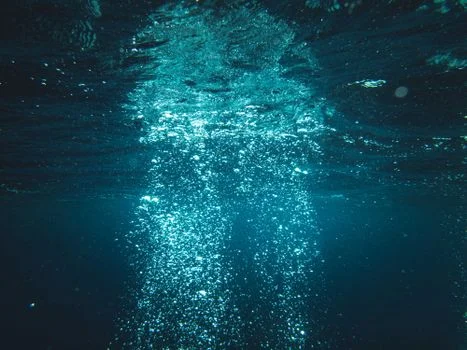
The efficacy of Dissolved Air Flotation (DAF) in treating grinding wastewater hinges on its ability to precisely control bubble generation and interaction with the conditioned solids. The core principle involves the creation of microscopic bubbles, typically in the 30-50 µm range, which are crucial for effective particle capture. These microbubbles achieve a 90% collision efficiency with the fine particulates (5-50 µm) characteristic of grinding operations, as documented by EPA 600/R-17/214. In contrast, larger bubbles, often exceeding 80 µm, generated by less sophisticated systems, are more prone to bypassing these fine particles, drastically reducing TSS removal efficiency to between 70-80%.
For successful flotation, the aggregate of particles and bubbles, known as a floc, must possess a density slightly greater than water but low enough to float. In grinding wastewater treatment, the flocs formed by metal fines, coagulants, and flocculants typically achieve densities of 1.1-1.3 g/cm³, which is ideal for positive buoyancy in DAF systems. This density is achieved through careful chemical conditioning.
The hydraulic loading rate is another critical design parameter specifically adapted for grinding wastewater. To prevent the shear forces from breaking fragile flocs, grinding applications typically operate at a conservative rate of 5-10 m/h. This is significantly lower than the 10-15 m/h often used for municipal wastewater, where solids are generally larger and more robust.
The process begins with pH adjustment, typically to a range of 6.5-7.5, to optimize the performance of coagulants. Coagulants like polyaluminum chloride (PAC) or ferric chloride are then dosed at 50-200 mg/L to neutralize the negative surface charges of the fine metal particles and oil droplets. Subsequently, flocculants, such as anionic polyacrylamide, are added to bridge these destabilized particles into larger, more manageable flocs. These conditioned flocs are then introduced into the DAF tank, where they encounter the saturated, microbubble-laden water. The bubbles attach to the flocs, imparting buoyancy and carrying them to the surface for removal by a mechanical skimmer.
The typical process flow for DAF treatment of grinding wastewater involves: Wastewater influent → pH adjustment (6.5-7.5) → Coagulation → Flocculation → DAF tank → Sludge skimming → Effluent discharge. Effective chemical addition is paramount, often requiring precise control via systems like our PLC-controlled chemical dosing for DAF pretreatment.
DAF Design Parameters for Grinding Wastewater: Hydraulic Loading, Bubble Size, and Retention Time
Sizing and designing a DAF system for grinding wastewater requires adherence to specific engineering parameters to ensure optimal performance and compliance. These parameters are tailored to address the unique characteristics of fine metal particles and emulsified coolants.
| Parameter | Optimal Range for Grinding Wastewater | Rationale |
|---|---|---|
| Influent TSS (mg/L) | 500 - 5,000 | Typical concentration from grinding operations. |
| Hydraulic Loading Rate (m/h) | 5 - 10 | Prevents floc breakage due to shear forces; higher rates risk reduced removal efficiency. |
| Bubble Size (µm) | 30 - 50 | Maximizes collision and attachment efficiency with fine particulates (<50 µm). |
| Retention Time (min) | 15 - 30 | Allows sufficient time for floc formation and bubble attachment, accounting for higher solids loading and slower flocculation dynamics. |
| Air-to-Solids Ratio (A/S) | 0.02 - 0.05 | Compensates for the relatively low density of metal fines and ensures adequate buoyancy. |
Achieving the optimal bubble size distribution, where 90% of bubbles are less than 50 µm, is critical. This is typically accomplished by operating the air saturation system at pressures between 4-6 bar and utilizing a recycle ratio of approximately 10-20% of the treated effluent. The recycle stream is saturated with air and then released into the main influent flow, generating the required microbubbles.
The retention time in the DAF tank is also adjusted for grinding wastewater. While municipal wastewater might require 10-20 minutes, grinding applications benefit from a longer period of 15-30 minutes. This extended duration provides more opportunity for the formation of stable flocs and their subsequent attachment to the generated microbubbles, especially given the higher solids loading and potentially slower flocculation kinetics.
The Air-to-Solids (A/S) ratio is a vital metric for ensuring sufficient buoyancy. For grinding applications, the recommended A/S ratio is typically 0.02-0.05, which is higher than the 0.01-0.03 often seen in less demanding applications like food processing. This higher ratio is necessary to overcome the density of metal fines and achieve effective flotation. The A/S ratio can be calculated using the formula: A/S = (1.3 × S × (f × P - 1)) / (C × Q), where S is the influent TSS (mg/L), f is the saturation efficiency (0.8-0.9), P is the saturation pressure (bar), C is the influent Chemical Oxygen Demand (mg/L), and Q is the flow rate (m³/h).
DAF vs. Sedimentation for Grinding Wastewater: Performance, Cost, and Compliance Comparison
When evaluating treatment options for grinding wastewater, a direct comparison between Dissolved Air Flotation (DAF) and traditional sedimentation reveals significant disparities in performance, footprint, cost, and compliance outcomes. DAF consistently outperforms sedimentation for this specific application.
| Metric | DAF for Grinding Wastewater | Sedimentation for Grinding Wastewater | Notes |
|---|---|---|---|
| TSS Removal (%) | 95%+ | 50-70% | DAF effectively captures fine particles (<50 µm) prevalent in grinding effluent, which sedimentation struggles with. |
| FOG Removal (%) | 90%+ | Low (<30%) | Emulsified oils are effectively floated by DAF after chemical conditioning; sedimentation is ineffective. |
| Footprint (m²/m³/h) | 0.1 - 0.3 | 1 - 3 | DAF's compact design is crucial for space-constrained metalworking facilities. |
| Capital Expenditure (CapEx) ($/m³/h) | $1,600 - $3,000 | $800 - $1,500 | DAF has a higher initial investment but offers superior long-term performance. |
| Operational Expenditure (OpEx) ($/m³) | $0.10 - $0.30 | $0.15 - $0.40 (often higher if tertiary treatment is needed) | DAF's lower chemical usage and sludge disposal costs contribute to better OpEx. |
| Compliance with EPA 40 CFR Part 467 | Achieved (effluent TSS <30 mg/L) | Rarely achieved without tertiary treatment | DAF directly meets the stringent TSS limits for metal finishing wastewater. |
| Compliance with EU IED 2010/75/EU | Typically Achieved (effluent FOG <10 mg/L) | Rarely achieved without tertiary treatment | DAF's high FOG removal is key to meeting European standards. |
As the table illustrates, DAF systems achieve significantly higher TSS removal rates, often exceeding 95%, compared to the 50-70% typically seen with sedimentation. This is a critical distinction for grinding wastewater, where the majority of solids are sub-50 µm. DAF excels in removing emulsified fats, oils, and greases (FOG) by over 90%, a capability sedimentation lacks entirely.
The footprint advantage of DAF is substantial. It requires only 0.1-0.3 m² per m³/h of treatment capacity, a stark contrast to sedimentation clarifiers, which can occupy 1-3 m² per m³/h. This is a major consideration for metalworking facilities often operating with limited space. While DAF's Capital Expenditure (CapEx) can be higher, ranging from $1,600-$3,000/m³/h compared to sedimentation's $800-$1,500/m³/h, its Operational Expenditure (OpEx) is typically 30-50% lower. This is due to reduced chemical consumption and more manageable sludge volumes.
Crucially, DAF effluent consistently meets stringent regulatory standards such as EPA 40 CFR Part 467, which sets limits of <30 mg/L TSS and <10 mg/L FOG for metal finishing wastewater. European standards under the Industrial Emissions Directive (IED) 2010/75/EU also typically require <10 mg/L TSS and <5 mg/L FOG, limits that DAF effluent can achieve without the need for costly tertiary filtration, unlike sedimentation systems.
Cost Breakdown and ROI for DAF Systems in Grinding Applications
For procurement teams evaluating the financial viability of DAF technology for grinding wastewater treatment, understanding the detailed cost structure and potential Return on Investment (ROI) is essential. HydropureWater's DAF systems are designed for both performance and economic efficiency in demanding industrial applications.
The Capital Expenditure (CapEx) for a typical DAF system capable of treating 50 m³/h of grinding wastewater can range from $80,000 to $150,000. This figure generally includes the DAF tank, essential pumps, the air saturation system, integrated chemical dosing equipment, and advanced PLC controls. Additional costs for installation, piping, electrical work, and commissioning can add another $20,000 to $40,000, depending on site-specific conditions.
Operational Expenditure (OpEx) for DAF treatment of grinding wastewater typically falls between $0.10 and $0.30 per cubic meter of treated water. This cost is broken down as follows: electricity consumption for pumps and blowers usually accounts for $0.02-$0.05/m³; chemicals (coagulants and flocculants) contribute $0.05-$0.15/m³; and sludge disposal, a significant factor in metalworking wastewater, ranges from $0.03-$0.10/m³. These OpEx figures are generally lower than those for chemical precipitation methods, which can reach $0.20-$0.50/m³.
The ROI calculation demonstrates the compelling economic case for DAF. For a 50 m³/h DAF system treating an average of 1,200 m³ per day, potential annual savings can range from $43,800 to $87,600. These savings are derived from a combination of reduced OpEx compared to less effective methods and, critically, the avoidance of substantial fines for non-compliance with regulations like EPA 40 CFR Part 467. When factoring in the potential for avoiding fines, the payback period for a DAF system often falls within a favorable 1.5 to 3 years.
The ROI can be calculated using the formula: (Annual Savings - Annual OpEx) / CapEx. A sensitivity analysis considering variations in influent TSS (from 500 to 5,000 mg/L) and flow rate (from 20 to 100 m³/h) further solidifies the economic benefits, highlighting the system's adaptability and consistent cost-effectiveness. For such applications, consider our DAF systems for grinding wastewater treatment.
Troubleshooting Common DAF Issues in Grinding Wastewater Treatment
Effective operation of DAF systems in grinding wastewater treatment requires proactive identification and resolution of common issues. HydropureWater provides this troubleshooting guide to help operators maintain peak performance.
-
Problem: Poor TSS Removal (<80%)
- Causes:
- Bubble size too large (>80 µm): Verify saturation pressure (should be 4-6 bar) and recycle ratio (10-20%).
- Floc density below 1.05 g/cm³: Increase coagulant dose by 20-50% and ensure adequate mixing.
- Hydraulic loading rate exceeds design ( >10 m/h): Reduce influent flow rate or consider adding a parallel DAF unit.
- Causes:
-
Problem: Emulsified Oils in Effluent (>10 mg/L FOG)
- Causes:
- Insufficient coagulant dose: Increase PAC or ferric chloride dosage to 150-200 mg/L.
- pH outside optimal range (6.5-7.5): Adjust pH using NaOH or H₂SO₄ before chemical addition.
- High shear in pumps: Utilize low-shear pumps, such as progressive cavity pumps, for influent and recycle streams.
- Causes:
-
Problem: Floc Carryover to Effluent
- Causes:
- Skimmer speed too slow: Increase skimmer speed to 0.5-1 m/min to ensure efficient float removal.
- Insufficient retention time (<15 min): Reduce flow rate or increase the DAF tank volume.
- Floc breakage: Minimize turbulence in the flocculation chamber and influent distribution points.
- Causes:
-
Problem: High Sludge Volume (>5% of Influent Flow)
- Causes:
- Excessive coagulant dose: Reduce coagulant dosage by 20-30% and re-evaluate the optimal dose.
- Low Air-to-Solids (A/S) ratio (<0.02): Increase air saturation pressure or recycle rate.
- Influent TSS significantly exceeds design capacity (>5,000 mg/L): Consider adding a pre-sedimentation or equalization tank.
- Causes:
For managing the generated sludge, efficient dewatering is key. Our sludge dewatering for DAF-generated sludge solutions can significantly reduce disposal volumes and costs.
Compliance Roadmap: Meeting EPA, EU, and Local Standards for Grinding Wastewater
Navigating the complex landscape of environmental regulations is paramount for industrial facilities. DAF technology offers a robust solution for achieving and maintaining compliance with stringent discharge standards for grinding wastewater.
The U.S. Environmental Protection Agency's (EPA) 40 CFR Part 467 (Metal Finishing) regulation sets critical limits for wastewater discharge. For grinding operations, this typically includes a maximum TSS concentration of <30 mg/L and a FOG limit of <10 mg/L. HydropureWater's DAF systems consistently achieve over 95% TSS removal and more than 90% FOG reduction, directly meeting these demanding EPA requirements for most grinding facilities without the need for secondary treatment steps.
In Europe, the Industrial Emissions Directive (IED) 2010/75/EU mandates Best Available Techniques (BAT) for industrial discharges. For metalworking operations, this often translates to effluent limits of <10 mg/L TSS and <5 mg/L FOG when discharging to surface waters. DAF systems, with their inherent efficiency in removing both fine particulates and emulsified oils, can typically meet these stringent EU standards using the DAF process alone, minimizing the need for additional, costly treatment technologies.
Local discharge standards can vary significantly. For instance, China's GB 3544-2001 standard for the paper industry, which sometimes serves as a benchmark for similar particulate-laden wastewater, sets limits of <70 mg/L TSS and <100 mg/L COD. While DAF effectively removes over 90% of TSS and 30-70% of COD from grinding wastewater, it's important to note that BOD and COD compliance may require post-treatment, such as a Membrane Bioreactor (MBR), depending on the specific local regulations and the nature of the coolant chemicals.
To ensure compliance, a comprehensive audit is recommended. This involves:
- Influent and Effluent Testing: Regularly analyze wastewater for key parameters including TSS, FOG, COD, BOD, pH, and specific heavy metals (e.g., chromium, nickel) relevant to the grinding process.
- Regulatory Comparison: Compare your test results against the specific limits set by your local, regional, and national environmental agencies.
- DAF System Optimization: Adjust DAF operational parameters, such as coagulant and flocculant dosages, bubble size, and hydraulic loading rates, to consistently achieve effluent quality that meets or exceeds the required standards.
For applications requiring advanced post-treatment to meet very strict BOD or COD limits, consider integrating our MBR integrated wastewater treatment solutions.
Frequently Asked Questions
Q: What is the optimal pH range for DAF treatment of grinding wastewater?
A: The optimal pH range for DAF treatment of grinding wastewater is typically 6.5-7.5. Outside this range, the efficiency of common coagulants, such as Polyaluminum Chloride (PAC), can significantly decrease, leading to up to a 20-40% reduction in TSS removal. pH adjustment using NaOH (caustic soda) or H₂SO₄ (sulfuric acid) is crucial before the coagulation step to ensure optimal chemical performance.
Q: Can DAF remove heavy metals from grinding wastewater?
A: DAF can effectively remove heavy metals, but only when they are in a precipitated, solid form. DAF excels at removing 90%+ of metal hydroxides (e.g., Cr(OH)₃, Ni(OH)₂) after pH adjustment to a range of 8-9, which induces precipitation. For dissolved heavy metals, a chemical precipitation step must be implemented before the DAF process to convert them into settleable or floatable solids.
Q: How often should DAF systems be cleaned for grinding wastewater?
A: Routine cleaning is essential for DAF system longevity and performance. Skimmer blades should be cleaned weekly to ensure efficient removal of the floated sludge. The interior of the DAF tank, including walls and floor, typically requires cleaning monthly. The air saturation system (e.g., compressor, saturator vessel) should be inspected and cleaned quarterly. Grinding wastewater's abrasive nature necessitates the use of durable materials like 316L stainless steel for skimmers and pumps to mitigate wear.
Q: What is the typical sludge disposal cost for DAF-generated sludge from grinding wastewater?
A: The cost for disposing of DAF-generated sludge from grinding wastewater typically ranges from $0.03 to $0.10 per cubic meter of influent treated. This cost is highly dependent on local landfill fees, incineration costs, and transportation expenses. The sludge volume is generally 1-5% of the influent flow, with a solids content of 2-5% after DAF removal, which can be further concentrated by dewatering equipment.
Q: Can DAF handle variable flow rates from grinding operations?
A: Yes, DAF systems are designed to handle variable flow rates, but it is crucial to design the system for peak flow conditions. Implementing a buffer or equalization tank upstream of the DAF unit is highly recommended. This tank helps to smooth out sudden surges and fluctuations, ensuring a more consistent influent flow to the DAF system, which is critical for maintaining stable operation and optimal performance, especially in grinding operations where batch discharges can lead to peak flows 2-3 times the average rate.