Grinding Wastewater Treatment by Coagulation Sedimentation: 2026 Engineering Specs, Cost Models & Zero-Sludge Compliance
Grinding wastewater treatment by coagulation sedimentation achieves 90–98% TSS removal and 70–90% COD reduction, but sludge generation (15–25 kg/m³) and coagulant costs ($0.50–$1.20/m³) often derail budgets. Optimal systems combine PAC (150–400 mg/L) or FeCl₃ (200–500 mg/L) with pH adjustment (6.0–8.0) and lamella clarifiers to cut sludge volume by 40–60%. Hybrid coagulation-UF systems reduce sludge by 70% and lower OPEX by $0.80/m³, per 2026 EPA benchmarks for metalworking effluent. For a plant manager facing $500/ton hazardous waste disposal fees and tightening discharge limits, the difference between a standard clarifier and a precision-engineered hybrid system is the difference between operational profit and compliance-driven closure.
Why Grinding Wastewater Breaks Conventional Coagulation Systems
Grinding wastewater contains 50–500 µm metal particles, which are significantly larger and more abrasive than the 10–150 nm silica particles found in CMP effluent, leading to Total Suspended Solids (TSS) of 1,000–10,000 mg/L and COD levels of 800–3,000 mg/L. These parameters, verified by 2024 EPA industrial discharge data, mean that systems designed for generic industrial effluent or high-tech semiconductor fabs often fail in a metalworking environment. The high abrasive load from silicon carbide (SiC) and aluminum oxide (Al₂O₃) grit causes a 25–40% increase in wear on pump impellers and valve seats compared to non-abrasive effluents.
The zeta potential of grinding particles typically ranges from -30 to -50 mV, necessitating higher coagulant dosages (200–500 mg/L FeCl₃) than standard municipal or light industrial processes. the presence of emulsified coolants and synthetic oils interferes with the bridging mechanism of polymers, often resulting in "pin floc" that escapes sedimentation. This interference leads to sludge volumes that are 30–50% higher than those predicted by standard laboratory jar tests, as the oily film prevents the compaction of the settled solids.
| Parameter | Grinding Wastewater (Metalworking) | CMP Wastewater (Semiconductor) | Impact on System Design |
|---|---|---|---|
| Particle Size | 50–500 µm (Macro-scale) | 10–150 nm (Nano-scale) | Requires grit removal & heavy-duty pumps |
| TSS Concentration | 1,000–10,000 mg/L | 500–5,000 mg/L | Higher sludge handling capacity needed |
| COD Composition | Oils, Coolants, Surfactants | Organic Acids, Slurry Stabilizers | Requires specialized coagulant aids |
| Abrasiveness | High (SiC, Al₂O₃, Steel fines) | Low (Colloidal Silica) | Increases maintenance OPEX by 30%+ |
Coagulation Sedimentation for Grinding Wastewater: Process Parameters and Removal Efficiencies
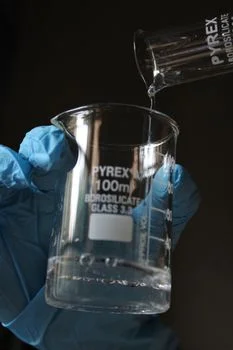
Optimal coagulant selection for grinding wastewater treatment by coagulation sedimentation focuses on Polyaluminum Chloride (PAC) at 150–400 mg/L or Ferric Chloride (FeCl₃) at 200–500 mg/L to achieve up to 85% COD removal. Engineering data from 2025 benchmarks indicates that while PAC offers superior COD reduction, FeCl₃ is often more effective at destabilizing complex metal-coolant emulsions. Precise pH control is the primary determinant of success: PAC requires a range of 6.0–7.0, while FeCl₃ performs best at 7.0–8.0. Operating just 0.5 units outside these ranges can result in a 40–60% drop in floc formation efficiency.
Effective mixing kinetics are essential for high-solids grinding effluent. A rapid mix G-value of 800–1,200 s⁻¹ for 30–60 seconds ensures immediate charge neutralization, followed by a flocculation G-value of 50–100 s⁻¹ for 15–30 minutes to allow the heavy metal fines to bridge into settleable flocs. For sedimentation, lamella clarifiers for grinding wastewater with surface loading rates up to 40 m/h are preferred over conventional tanks, as they reduce the physical footprint by 50% while maintaining high removal efficiency for dense metal particles.
To calculate the required coagulant dosage, engineers use a ratio of influent TSS and COD. For example, a stream with 5,000 mg/L TSS typically requires a minimum of 300 mg/L FeCl₃ to ensure complete destabilization. Implementing PLC-controlled chemical dosing for precise coagulant and pH adjustment in grinding wastewater treatment allows for real-time adjustments based on influent turbidity, preventing the common problem of coagulant overdosing which unnecessarily inflates sludge disposal costs.
| Process Step | Engineering Specification | Target Outcome |
|---|---|---|
| Coagulant Dosage | 150–500 mg/L (PAC/FeCl₃) | 90%+ TSS Removal |
| pH Adjustment | 6.0–8.0 (Reagent dependent) | Charge Neutralization |
| Rapid Mix (G) | 800–1,200 s⁻¹ | Instantaneous Dispersion |
| Flocculation Time | 15–30 Minutes | Macro-floc Development |
| Surface Loading | 20–40 m/h (Lamella) | Compact Footprint Sedimentation |
Hybrid Systems: Combining Coagulation Sedimentation with UF/RO for Zero-Sludge Compliance
Hybrid coagulation-Ultrafiltration (UF) systems reduce total sludge volume by up to 70% by replacing secondary sedimentation stages with membrane separation that captures residual flocs and colloidal matter. In these configurations, the coagulation stage acts as a crucial pretreatment, aggregating particles to a size that prevents deep-pore fouling of the UF membrane. UF pore sizes of 0.03–0.1 µm are standard for capturing metal fines, while downstream RO systems for polishing coagulation-sedimentation effluent to <50 mg/L COD ensure the water is suitable for reuse in the grinding process.
The operational advantage of hybrid systems is the extension of RO membrane life from a typical 1.5 years to over 3 years, as the UF stage effectively removes 99.9% of the silt density index (SDI) contributors. While the initial CapEx for a hybrid system is 30–40% higher than conventional settling tanks, the OPEX savings of approximately $0.80/m³—driven primarily by reduced sludge hauling and lower chemical consumption—result in a superior long-term financial profile. For plants requiring high-quality recycle water, MBR membrane bioreactor modules can also be integrated if the organic load from coolants is exceptionally high.
A recent implementation at a metalworking facility in Shandong demonstrates these benefits: the plant transitioned from conventional settling to a hybrid coagulation-UF system, reducing sludge disposal costs by 65% while consistently achieving TSS levels below 1 mg/L. This level of performance is critical for meeting "Zero Liquid Discharge" (ZLD) or zero-sludge mandates in environmentally sensitive industrial zones.
| Feature | Conventional Coagulation-Sedimentation | Hybrid Coagulation-UF-RO |
|---|---|---|
| TSS Removal | 90–95% | 99.9% |
| COD Removal | 70–80% | 95–99% |
| Sludge Volume | High (15–25 kg/m³) | Low (5–8 kg/m³) |
| Water Reuse | Limited (Non-process use only) | High (Suitable for grinding coolant) |
Cost Models: CapEx, OPEX, and ROI for Grinding Wastewater Treatment Systems
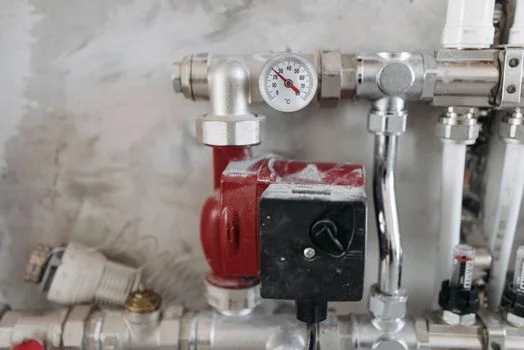
The 2026 cost model for grinding wastewater treatment systems shows that CapEx ranges from $150/m³/day for basic sedimentation to $700/m³/day for full hybrid UF-RO systems. Procurement teams must weigh these initial costs against the escalating price of sludge disposal, which has reached $200–$500 per ton in many EU and Chinese industrial hubs. In a conventional system, sludge disposal and coagulants account for 70% of the total OPEX, making chemical efficiency the primary lever for cost control.
ROI for hybrid systems is typically achieved within 2 to 4 years for plants processing more than 100 m³/day. This calculation includes the savings from reduced hazardous waste classification; because hybrid systems produce a more concentrated and often drier sludge cake (when paired with a filter press), the total mass transported is significantly lower. the ability to reuse 80–90% of the treated water in the plant’s cooling towers or grinding lines provides a hedge against rising municipal water costs.
| System Configuration | CapEx (USD/m³/day) | OPEX (USD/m³) | ROI (Years) |
|---|---|---|---|
| Conventional Sedimentation | $150 – $300 | $0.80 – $1.50 | 3 – 5 |
| Hybrid Coagulation-UF | $250 – $450 | $0.60 – $1.30 | 2 – 4 |
| Hybrid Coagulation-UF-RO | $400 – $700 | $0.50 – $1.20 | 2.5 – 4 |
Troubleshooting Common Issues in Grinding Wastewater Coagulation Sedimentation
Operational failures in grinding wastewater treatment by coagulation sedimentation often manifest as floc carryover, where light flocs fail to settle and exit with the effluent. This is frequently caused by a surface loading rate exceeding 1.5 m/h in conventional clarifiers or insufficient flocculation time (less than 15 minutes). The immediate fix is to reduce the influent flow rate by 20% or increase the polymer (PAM) dose by 0.5–1.0 mg/L to strengthen the floc structure. If the problem persists, the installation of a lamella clarifier may be necessary to handle the solids flux.
High effluent COD (greater than 150 mg/L) is another common pain point, usually indicating that the pH has drifted outside the optimal range for the specific coagulant being used. In metalworking plants, the breakdown of synthetic coolants can release surfactants that stabilize the wastewater, requiring a 20% increase in coagulant dosage or the addition of an organoclay pretreatment. For oil-rich streams, utilizing DAF systems for oil-rich grinding wastewater pretreatment before the coagulation stage can prevent the "buoyant floc" phenomenon where oil-coated particles refuse to settle.
Troubleshooting Flowchart:
- Symptom: Floc Carryover → Check Flow Rate (Is it > Design?) → Check G-value (Is mixing too violent?) → Increase Polymer Dose.
- Symptom: High Effluent COD → Verify pH (6.0–8.0) → Check for Oil Interference → Increase PAC/FeCl₃ Dose.
- Symptom: Rapid Membrane Fouling → Check Pre-filtration (<50 µm) → Check Residual Coagulant (Is it overdosed?) → Increase Backwash Frequency.
How to Select the Right Coagulation Sedimentation System for Grinding Wastewater
Selecting the appropriate system requires a decision framework based on influent TSS/COD levels, footprint constraints, and regional compliance mandates. If influent TSS exceeds 5,000 mg/L, a conventional sedimentation tank will likely be undersized, making a hybrid UF system or a high-rate lamella clarifier the technically superior choice. For plants in regions governed by China’s GB 8978-1996 or the EU Industrial Emissions Directive, where COD limits are often below 100 mg/L, a single-stage coagulation process is rarely sufficient, and RO polishing is recommended.
Alternative technologies should be considered for specific waste profiles. For instance, electrocoagulation as an alternative to chemical coagulation for grinding wastewater with heavy metals can be more effective at removing dissolved nickel or chrome without the need for bulk chemical storage. However, for the majority of high-volume grinding applications, the reliability and scale of chemical coagulation sedimentation remain the industry standard.
| Requirement | Recommended System | Key Advantage |
|---|---|---|
| High TSS (>5,000 mg/L) | Lamella + Filter Press | Maximum solids handling |
| Strict COD (<50 mg/L) | Hybrid Coagulation-UF-RO | Guaranteed compliance/reuse |
| Small Footprint | Lamella Clarifier | 50% space saving |
| High Oil Content | DAF + Coagulation | Prevents floating sludge |
Frequently Asked Questions
What is the best coagulant for grinding wastewater?
PAC (Polyaluminum Chloride) is generally preferred for grinding wastewater treatment by coagulation sedimentation when COD removal is the priority, as it operates effectively at a slightly acidic to neutral pH (6.0–7.0). However, FeCl₃ (Ferric Chloride) is more effective for breaking emulsions in wastewater with high coolant concentrations, though it produces more sludge and requires more careful pH management (7.0–8.0).
How can I reduce the amount of sludge generated during treatment?
Sludge reduction is best achieved by optimizing the coagulant dose through automated dosing systems and using high-molecular-weight polymers to create denser flocs. Upgrading to a hybrid coagulation-UF system can reduce sludge volume by up to 70% compared to conventional settling by eliminating the need for excessive chemical dosing to achieve clarity.
Are lamella clarifiers better than conventional tanks for grinding effluent?
Yes, for grinding applications, lamella clarifiers are superior because they handle high surface loading rates (20–40 m/h) and the dense metal fines settle rapidly on the inclined plates. This allows for a significantly smaller equipment footprint and more consistent effluent quality compared to large, open sedimentation tanks which are prone to short-circuiting.