CMP Wastewater Reverse Osmosis Treatment: Why Conventional Systems Fail
CMP wastewater reverse osmosis treatment pairs UF or ceramic MF pre-treatment with RO to remove sub-200 nm polishing particles, colloidal silica, and metals. Recovery is set from a silica mass balance, typically 75–95%, with antiscalant dosing above 70% recovery in most fab designs.
Reverse osmosis achieves 95%+ water recovery in CMP wastewater treatment by forcing pre-treated effluent through semi-permeable membranes at 15–30 bar, rejecting >99% of silica (SiO₂) and heavy metals. However, CMP particles <200 nm and colloidal silica require ultrafiltration (UF) or ceramic microfiltration (MF) pre-treatment to prevent irreversible RO fouling. A 2025 pilot study (IWA Publishing) demonstrated 92% COD removal and 97% silica rejection using a UF-RO system, meeting semiconductor discharge limits (EPA 40 CFR Part 469) with zero chemical sludge.
Chemical Mechanical Polishing (CMP) effluent presents a unique challenge to semiconductor fab engineers because it contains engineered nanoparticles that behave as stable colloids. These particles, typically ranging from 10 nm to 200 nm, possess a zeta potential often exceeding 30 mV, which provides sufficient electrostatic repulsion to prevent natural agglomeration. Consequently, conventional gravity-based systems like Dissolved Air Flotation (DAF) or standard clarifiers are fundamentally ill-equipped to handle this stream, often achieving less than 30% Total Suspended Solids (TSS) removal. For a fab to meet EPA 40 CFR Part 469 limits of <10 mg/L TSS, these particles must be removed via high-energy membrane separation or advanced coagulation.
The invisible challenge of CMP wastewater lies in its optical clarity versus its fouling potential. Effluent may appear clear to the naked eye but contains high concentrations of colloidal silica and copper-specific inhibitors like benzotriazole (BTA). Without specialized pre-treatment, these components form a dense, gelatinous fouling layer on RO membranes, capable of reducing permeate flux by 50% within a single 24-hour operating cycle (per 2024 IWA study). This fouling is often irreversible if the silica dehydrates on the membrane surface, leading to premature membrane replacement and significant operational downtime.
The chemical complexity of Cu CMP and oxide CMP streams—containing oxidizers, surfactants, and complexing agents—alters the solubility of silica. At a neutral pH, silica solubility is approximately 120 mg/L. As water is recovered through an RO system, the concentration of silica in the brine can quickly exceed this limit, leading to rapid scaling. Understanding these physical and chemical hurdles is the first step in moving toward a high-recovery membrane-based solution.
According to the EPA category page for the Electrical and Electronic Components effluent guidelines (last updated March 17, 2026), 40 CFR Part 469 was promulgated in 1983 and covers both direct and indirect dischargers, including semiconductor facilities. EPA’s review of monitoring data from these facilities does not demonstrate a need to revise the existing regulation at this time. A permit remains the controlling document for a specific discharge.
Ultrafiltration Pretreatment for CMP Wastewater
Ultrafiltration pretreatment for CMP wastewater is the main barrier against sub-micron solids reaching the RO stage, and the design target is a Silt Density Index (SDI15) of <3.0 before the RO membranes. The success of the treatment train depends on the actual particle-size distribution, dissolved silica, metals, organics, temperature, pH, and shock loads rather than on a nominal membrane rating.
Ultrafiltration modules, such as UF pre-treatment modules for CMP wastewater, utilize a pore size of 0.01–0.1 µm. This is sufficient to remove >99% of CMP particles and a significant portion of colloidal silica. However, the high surface area and tight pores of UF membranes necessitate a rigorous maintenance schedule, including backwashing every 30–60 minutes and chemically enhanced backwashes (CEB) using NaOH and citric acid to maintain flux. Typical flux rates for UF in CMP applications range from 40 to 80 LMH (liters per square meter per hour), with a transmembrane pressure (TMP) maintained below 1 bar to prevent cake layer compaction.
UF should be tested with representative slurry, not only clarified grab samples. Most plants we size for run at the lower end of the 40 to 80 LMH range when solids loading is variable. A pilot should record turbidity, SDI15, normalized flux, TMP, backwash recovery, and cleaning response across both normal production and polishing-tool changeover events.
Ceramic Microfiltration vs Ultrafiltration CMP
Ceramic microfiltration vs ultrafiltration CMP selection is a solids-handling decision: ceramic MF tolerates abrasive slurry and aggressive cleaning, while polymeric UF offers tighter separation and usually greater colloidal-silica removal. The correct choice depends on whether the plant values chemical resilience, compactness, silica rejection, or a lower initial membrane cost.
Ceramic microfiltration (MF) offers a more robust alternative, particularly for abrasive CMP slurries. With a slightly larger pore size (0.1–0.5 µm), ceramic MF provides lower initial silica rejection (~80% compared to UF’s >95%) but offers a significantly longer operational lifespan of 5–10 years. Ceramic membranes can handle higher flux rates (100–200 LMH) and tolerate aggressive cleaning chemistries that would degrade polymeric UF fibers. For organic-heavy CMP streams, carbon adsorption (activated carbon or ion exchange) must be integrated after the MF/UF stage to remove BTA and other organic inhibitors, protecting the downstream RO polyamide layer from degradation.
| Parameter | Ultrafiltration (UF) | Ceramic Microfiltration (MF) |
|---|---|---|
| Pore Size (µm) | 0.01 – 0.1 | 0.1 – 0.5 |
| Typical Flux (LMH) | 40 – 80 | 100 – 200 |
| Membrane Lifespan | 3 – 5 Years | 5 – 10 Years |
| Silica Rejection | >95% | ~80% |
| Cleaning Frequency | High (Every 30-60 min backwash) | Moderate |
In a standard high-performance configuration, the process flow follows a specific sequence: ceramic MF → carbon adsorption → 5 µm cartridge filter → RO. This multi-barrier approach ensures that the RO system receives a consistent feed quality, regardless of fluctuations in the fab's CMP polishing schedule. For plants looking for a lower-cost entry point, coagulation-sedimentation as an alternative pre-treatment for CMP wastewater can be used, though it significantly increases chemical sludge volume compared to direct membrane filtration.
When the design includes a ceramic stage, the owner should define a separate solids-management route for backwash and concentrate. When polymeric UF is selected, the specification should state allowable oxidant exposure, CEB chemistry, replacement intervals, and the maximum feed solids that the pilot has demonstrated.
RO System Design for Semiconductor CMP Effluent
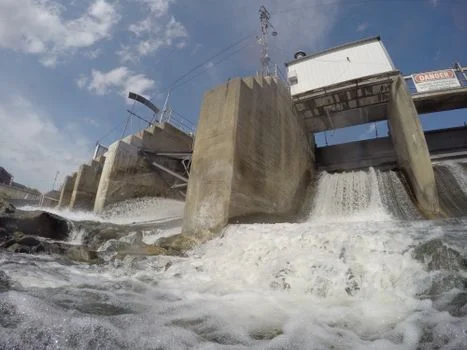
RO system design for semiconductor CMP effluent requires precise engineering to balance high water recovery with the risk of silica scaling. Standard brackish water RO design rules do not apply here due to the unique fouling characteristics of CMP nanoparticles. Thin-Film Composite (TFC) polyamide membranes, such as Dow Filmtec BW30-400, are used in the existing design basis because they offer high silica rejection—often exceeding 99%—and tolerate the pH fluctuations common in CMP cleaning cycles.
Operating pressure is a critical variable, typically ranging from 15 to 30 bar. Higher pressures are required as the silica concentration in the brine increases, but this must be balanced against the flux rate. Engineering data from 2025 Kemco Systems indicates that maintaining a conservative flux of 15–25 LMH is essential; exceeding 30 LMH leads to rapid silica scale formation that cannot be easily removed by standard Clean-In-Place (CIP) protocols. To offset the energy costs of these higher pressures, energy recovery devices (ERDs) should be integrated, which can reduce total system energy consumption by 30–50%.
The RO feed specification should include temperature, conductivity, TDS, dissolved silica, colloidal silica, calcium, magnesium, iron, aluminum, copper, BTA, TOC, turbidity, SDI15, pH, and flow variability. A single daily average can conceal a short polishing campaign that determines membrane life. Use at least normal, peak, and upset cases when sizing feed pumps, cartridge filters, CIP volume, and concentrate handling.
Silica Removal by Reverse Osmosis Semiconductor Design
Silica removal by reverse osmosis semiconductor design is governed by the difference between feed silica, permeate silica, and concentrate silica, not by a generic RO rejection percentage. RO can reject dissolved silica, but colloidal silica must be controlled before the membrane, and the concentrate must be checked for polymerization and scale risk.
Recovery rates are usually targeted between 75% and 95%. The ceiling for recovery is dictated by the silica concentration in the concentrate stream. Since silica solubility is roughly 120 mg/L at pH 7, an automated antiscalant dosing for RO systems is mandatory for any recovery target above 70%. Dosing 2–5 mg/L of a specialized polyacrylate antiscalant (e.g., Nalco PC-191) can effectively inhibit silica polymerization, allowing the system to operate at supersaturated levels without immediate scaling.
The word "rejection" should be tied to an analytical method and a sampling location. A permeate result can look acceptable while the concentrate approaches a scaling limit. The engineer should trend normalized permeate flux, salt passage, silica in both streams, antiscalant residual where applicable, and CIP response before increasing recovery.
High Recovery RO for CMP Slurry Wastewater
High recovery RO for CMP slurry wastewater is a controlled optimization problem: water recovery rises as concentrate volume falls, but silica, metals, and organics become more concentrated. A 95% recovery target should therefore be treated as a project hypothesis until a mass balance, concentrate analysis, and pilot or validated projection show stable operation.
| Design Parameter | Specification Range | Engineering Rationale |
|---|---|---|
| Membrane Type | TFC Polyamide (High Rejection) | Maximizes silica and metal rejection (>99%) |
| Operating Pressure | 15 – 30 Bar | Overcomes osmotic pressure of concentrated brine |
| Design Flux | 15 – 25 LMH | Prevents concentration polarization and scaling |
| Recovery Rate | 75% – 95% | Optimized for water reuse vs. scaling risk |
| Antiscalant Dosage | 2 – 5 mg/L | Inhibits silica scaling at high recovery |
| CIP Frequency | Every 1 – 4 Weeks | Maintains flux and prevents irreversible fouling |
The cleaning protocol (CIP) for a CMP-focused RO system must be dual-staged. An acidic wash (citric acid, pH 2–3) is used to dissolve inorganic scales and metal hydroxides, followed by an alkaline wash (NaOH, pH 11–12) to remove organic foulants and residual silica. Monitoring the normalized permeate flux and salt passage is vital; a 10% decline in flux or a 15% increase in salt passage should trigger an immediate CIP cycle.
High recovery also shifts the burden to the concentrate line. Confirm tank volume, dewatering, metal precipitation, off-site disposal, or a downstream evaporation step before selecting the final recovery set point. A recovery increase is acceptable only when permeate quality, membrane stability, concentrate compliance, and cleaning frequency remain inside the approved operating envelope.
RO vs. Nanofiltration for CMP Wastewater: A Cost-Benefit Comparison
When evaluating CMP wastewater reverse osmosis treatment, procurement teams often consider Nanofiltration (NF) as a lower-energy alternative. While NF membranes operate at significantly lower pressures (5–15 bar), reducing energy consumption by 40–60%, they offer lower rejection for monovalent ions and silica. For semiconductor fabs, the choice between RO and NF is driven by the final use of the treated water.
RO is the "gold standard" for water reuse. It achieves >99% silica rejection, which is necessary if the permeate is to be recycled into cooling towers or used as feed for Ultrapure Water (UPW) systems. NF, by comparison, typically rejects only 80–90% of silica. If the goal is simply to meet discharge limits (EPA 40 CFR Part 469), NF may be sufficient and more cost-effective. However, for fabs pursuing Zero Liquid Discharge (ZLD) or high-efficiency water reuse, the higher CapEx of RO is justified by the superior effluent quality.
Economically, for a 50 m³/h system, the initial CapEx for an RO system ranges from $800,000 to $1.2 million, whereas an NF system might cost between $500,000 and $800,000. However, when factoring in the cost of water procurement and discharge fees, the ROI for RO is often superior in regions with high water costs. Detailed cost comparison of RO and UF for industrial wastewater shows that while OPEX for RO is higher ($0.80–$1.50/m³ vs. NF’s $0.50–$1.00/m³), the ability to reuse the water provides a significant net gain.
| Metric | Reverse Osmosis (RO) | Nanofiltration (NF) |
|---|---|---|
| Silica Rejection | >99% | 80% – 90% |
| Operating Pressure | 15 – 30 Bar | 5 – 15 Bar |
| Energy Cost | Higher ($0.40–$0.70/m³) | Lower ($0.15–$0.30/m³) |
| Reuse Potential | High (UPW Feed, Cooling) | Moderate (General Irrigation/Discharge) |
| CapEx (50 m³/h) | $800K – $1.2M | $500K – $800K |
Decision Framework: If your facility requires water reuse for cooling towers or UPW feed, RO is the mandatory choice. If the requirement is solely for discharge compliance with minimal budget for energy, NF may be considered, provided that heavy metal concentrations in the permeate meet local limits. For broader fab treatment context, see MBR Effluent Quality: Specs, Removal Rates and Selection Guide.
Compliance and Water Reuse: Meeting Semiconductor Discharge Limits
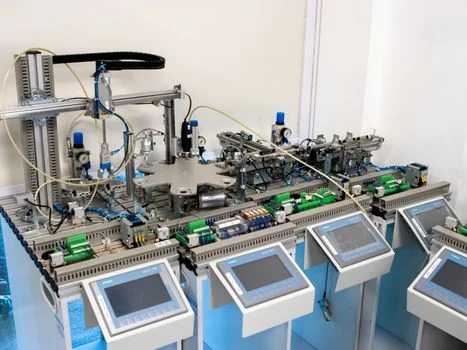
Compliance for semiconductor fabs is governed strictly by EPA 40 CFR Part 469, which mandates limits of <10 mg/L for TSS, <5 mg/L for copper, and <0.1 mg/L for lead. RO systems typically exceed these requirements by a wide margin, often producing effluent with TSS levels below the detection limit and copper concentrations <0.1 mg/L. This high level of purity makes RO permeate an ideal candidate for internal reuse, significantly reducing the environmental footprint of the fab.
The current EPA category page confirms that Part 469 applies to direct and indirect dischargers and that its requirements are incorporated into NPDES permits or indirect-discharge control mechanisms. The page also states that EPA’s latest detailed-study review did not demonstrate a need to revise the existing regulation. Engineers should still check the actual subpart, permit, local sewer limits, analytical method, and point of compliance before claiming compliance.
For water reuse, engineers must look beyond basic discharge limits to the SEMI F63-0706 standard for UPW. While RO permeate is exceptionally clean, it requires post-treatment if it is to be returned to the UPW loop. This typically involves ion exchange (IX) to remove residual trace ions and UV disinfection to ensure zero microbial activity. For cooling tower make-up, the primary concern is silica, which must be kept <50 µg/L to prevent scaling on heat exchangers. RO systems consistently meet this, whereas other technologies often require additional polishing.
Some CMP designs also need a separate organic-control step. BTA can act as an organic foulant, so activated carbon or specialized ion exchange may be installed before RO when feed testing confirms the load. Do not assume that a clean permeate proves that the concentrate is acceptable; metals and rejected organics must be tracked through the full mass balance.
Compliance Checklist for Fab Engineers:
- Influent Analysis: Regularly test influent silica levels; if they exceed 120 mg/L, verify that antiscalant dosing is adjusted to prevent RO scaling.
- Permeate Monitoring: Monitor RO permeate for TSS and conductivity. A rise in conductivity is the first sign of membrane compromise or scaling.
- Antiscalant Verification: Ensure the automated dosing system is delivering 2–5 mg/L based on real-time flow rates.
- Heavy Metal Tracking: Verify that copper and lead levels in the concentrate (brine) are handled by a dedicated heavy metal precipitation system if they exceed local sewer limits.
A procurement package should require the supplier to state feed assumptions, recovery, permeate quality commitments, concentrate quality, membrane-area basis, CIP chemicals, electrical load, instrument list, and acceptance-test methods. The Industrial Reverse Osmosis (RO) Water Treatment System should be evaluated against those site-specific inputs, not selected from recovery alone.
For readers comparing adjacent applications, Chip Fab Wastewater Treatment: 2026 Engineering Specs, Zero-Fouling Design, 5M-50M CapEx Benchmarks gives the wider fab-wide treatment picture, while High-Strength Organic Wastewater Treatment by Reverse Osmosis: 2026 Engineering Specs, Zero-Fouling Design & Cost Benchmarks extends the same RO logic to high-organic industrial streams. Adjacent semiconductor streams use separate pages: ceramic membrane water treatment for dicing wastewater has its own guide, and mbr followed by reverse osmosis plant layouts are costed in the India wastewater plant benchmark.
For a project screen, send the flow range, CMP chemistry split, silica and metal results, required reuse point, discharge permit, and concentrate route through the project inquiry form.
Frequently Asked Questions
What is the maximum silica concentration an RO system can handle in CMP wastewater?
With proper antiscalant dosing (2–5 mg/L) and pH adjustment to 6.5–7.0, RO systems can handle silica concentrations up to 400–500 mg/L in the concentrate stream. Without antiscalants, the limit is governed by the natural solubility of silica, which is approximately 120 mg/L at 25°C. Confirm the value with a concentrate projection and pilot test before fixing the recovery set point.
How often do RO membranes need to be replaced in a CMP application?
With high-quality UF or ceramic MF pre-treatment, RO membranes typically last 3 to 5 years. However, if pre-treatment is inadequate and the membranes are subjected to frequent aggressive CIP cycles, the lifespan can drop to 1–2 years. Replacement planning should use normalized permeate flux, salt passage, cleaning frequency, and autopsy results rather than calendar age alone.
Can RO remove benzotriazole (BTA) from Cu CMP wastewater?
RO membranes have a high rejection rate for BTA (often >95%), but BTA can act as an organic foulant. It is technically best practice to remove BTA using activated carbon or specialized ion exchange resins prior to the RO stage to maintain stable flux and protect the membrane surface. Confirm the choice with TOC, BTA, and cleaning-response data from the actual CMP stream.
What is the typical energy consumption for a CMP RO system?
Energy consumption generally ranges from 1.5 to 3.0 kWh/m³ of treated water. This varies based on the feed TDS, required recovery rate, and whether an energy recovery device (ERD) is utilized in the system design. The supplier should provide an electrical-load basis that includes high-pressure pumps, pretreatment, instruments, cleaning, and the selected concentrate operating case.
Does RO effluent meet EPA 40 CFR Part 469 without additional treatment?
RO permeate may meet site discharge criteria for TSS and heavy metals, but the answer depends on the permit, subcategory, feed variability, analytical method, and concentrate controls. The primary compliance challenge usually lies in managing the RO concentrate (brine), which contains the rejected contaminants at high concentrations. Validate permeate and brine with the facility’s approved sampling plan.
Related Equipment
The following HydropureWater products are engineered for the wastewater challenges discussed above:
- HydropureWater’s RO systems for semiconductor wastewater — view specifications, capacity range, and technical data
Need a customized solution? Request a free quote with your specific flow rate and pollutant parameters.