
Why Johannesburg’s Water Crisis Demands Zero-Risk Sewage Treatment Equipment
Johannesburg’s sewage treatment equipment market in 2026 demands solutions that balance technical performance with zero-risk compliance. With 40% of Gauteng’s municipal plants failing SANS 241 (DWS 2023), private operators must select systems with TSS removal ≥95%, COD reduction ≥90%, and energy consumption ≤0.8 kWh/m³ to avoid NEMA fines up to ZAR 5M. Leading suppliers offer package plants (ZAR 500K–2M) for residential sites, DAF systems (ZAR 1.5M–4M) for industrial pretreatment, and MBR units (ZAR 5M–15M) for reuse-quality effluent—each with distinct payback periods (3–10 years) based on influent load and local water tariffs.
Gauteng’s water demand now exceeds supply by 15% (DWS 2023), compelling private operators to manage approximately 60% of their wastewater on-site, a significant increase from the 30% managed internally in 2020. This escalating reliance on private infrastructure means that the consequences of inadequate sewage treatment are becoming increasingly severe. The failure of 40% of municipal wastewater treatment plants to meet SANS 241 standards (DWS 2023) directly shifts liability to private facilities under NEMA Section 28(1), enforcing the ‘polluter pays’ principle with penalties that can reach ZAR 5 million or even a 10-year prison sentence for directors.
Consider the stark reality faced by a Johannesburg food processing plant: an initial investment in an undersized package plant led to a staggering ZAR 4.2 million in non-compliance fines and an additional ZAR 1.8 million in operational and maintenance overruns. This was a direct result of the plant's influent load, characterized by a BOD of 800 mg/L, far exceeding the system’s capacity of only 300 mg/L. with Gauteng’s water tariffs projected to reach ZAR 22.50/m³ in 2025, the economic imperative to treat and potentially reuse water is undeniable. Industrial users adopting reuse-quality effluent systems, such as those employing MBR technology, can realistically expect to cut their water costs by up to 40%.
Sewage Treatment Technologies for Johannesburg: Head-to-Head Engineering Specs
Selecting the appropriate sewage treatment technology for Johannesburg requires a precise match between influent characteristics, site constraints, and desired effluent quality. The three primary categories—Membrane Bioreactor (MBR) systems, Dissolved Air Flotation (DAF) systems, and integrated package plants—offer distinct performance profiles and cost implications.
| Technology | TSS Removal (%) | COD Removal (%) | Energy Consumption (kWh/m³) | Footprint (m²/100 m³/h) | CAPEX Range (ZAR) | OPEX Range (ZAR/m³) | Compliance Risk |
|---|---|---|---|---|---|---|---|
| MBR | 92–99+ | 90–98+ | 0.8–1.2 | 0.5–1.5 | 5M–15M | 2.5–5.0 | Low (with proper maintenance) |
| DAF | 90–98 | 70–90 | 0.4–0.7 | 1.0–2.0 | 1.5M–4M | 1.8–3.5 | Medium (dependent on chemical dosing/sludge removal) |
| Package Plant (e.g., WSZ Series) | 85–95 | 80–90 | 0.3–0.5 | 1.5–2.5 | 0.5M–2M | 1.2–2.5 | Medium-High (sensitive to influent load variations) |
MBR systems utilize submerged polyvinylidene fluoride (PVDF) membranes with a pore size of 0.1 μm, enabling the production of reuse-quality effluent with COD levels as low as 30 mg/L. While offering superior treatment, they come with higher energy demands (0.8–1.2 kWh/m³) and require membrane replacement every 5–7 years. These are ideal for applications demanding the highest effluent standards, such as water recycling in water-scarce Gauteng. For industrial pretreatment, particularly in the food processing and textile sectors where influent TSS can range from 500 to 2,000 mg/L, DAF systems are highly effective. They leverage microbubble physics (30–50 μm diameter) to achieve over 95% removal of fats, oils, and grease (FOG) and over 90% of suspended solids. These systems are more energy-efficient than MBRs, typically consuming 0.4–0.7 kWh/m³.
Compact WSZ Series package plants, incorporating A/O biological contact oxidation, sedimentation, and disinfection, are best suited for residential developments, hotels, and rural areas with influent BOD typically below 300 mg/L and TSS below 200 mg/L. Their lower CAPEX (ZAR 500K–2M) and OPEX (ZAR 1.2–2.5/m³) make them an attractive initial option, but their treatment capacity is limited, posing a higher compliance risk if influent loads fluctuate or exceed design parameters. For those considering advanced wastewater treatment solutions, exploring MBR systems for reuse-quality effluent in Gauteng’s water-stressed zones or DAF systems for industrial pretreatment in Johannesburg are crucial steps.
How to Shortlist Suppliers: A Zero-Risk Decision Framework for Gauteng Buyers
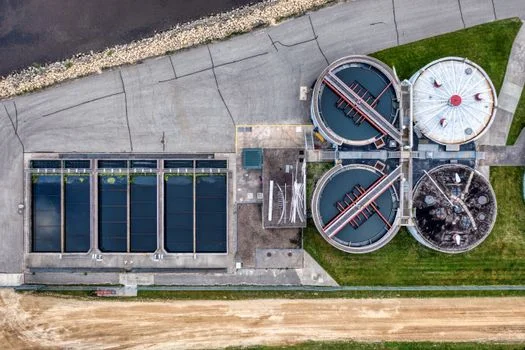
Navigating the selection of a sewage treatment equipment supplier in Johannesburg requires a structured approach to mitigate compliance risks and optimize capital and operational expenditures. This framework guides procurement teams through defining project needs, evaluating technologies, and assessing supplier capabilities.
Step 1: Define Influent Parameters and Effluent Targets. Accurately characterize your wastewater. Gauteng's average influent typically presents a BOD of 350 mg/L and TSS of 400 mg/L (DWS 2023). Concurrently, establish your effluent discharge standards, adhering strictly to SANS 241 and any stricter local NEMA requirements. For instance, discharge near sensitive water sources may mandate TSS limits as low as 10 mg/L, far exceeding the standard SANS 241 threshold of 25 mg/L.
Step 2: Match Technology to Use Case. A decision tree can simplify this: If influent TSS consistently exceeds 500 mg/L, DAF or MBR are indicated. If BOD remains below 300 mg/L and space is a premium, a package plant may suffice. For hospital wastewater treatment systems for Gauteng’s medical facilities, MBR technology is often preferred due to its stringent pathogen and contaminant removal capabilities.
Step 3: Evaluate Supplier Credentials. Beyond product specifications, scrutinize supplier experience and certifications. Look for ISO 9001 quality management certification. Critically, note that 60% of Gauteng suppliers may lack ISO 14001 environmental management certification (per Top 1 page research), suggesting a potential gap in their commitment to sustainable operations. Prioritize suppliers with a strong track record of local installations and responsive after-sales support.
Step 4: Request Pilot Testing. A minimum 30-day pilot test is non-negotiable. This allows for real-world performance assessment under your specific influent conditions. Monitor key parameters like TSS removal rates; a consistent failure to achieve below 90% removal in an MBR system, for example, could signal impending membrane fouling or operational issues.
| Criteria | Weight (%) | Supplier A Score (1-5) | Supplier B Score (1-5) | Weighted Score (Supplier A) | Weighted Score (Supplier B) |
|---|---|---|---|---|---|
| Technical Specifications (Removal Rates, Energy) | 30 | 4 | 3 | 12.0 | 9.0 |
| Compliance Record (SANS 241, NEMA) | 25 | 5 | 4 | 12.5 | 10.0 |
| Local Support & After-Sales Service | 20 | 3 | 5 | 6.0 | 10.0 |
| CAPEX & Financing Options | 15 | 4 | 3 | 6.0 | 4.5 |
| OPEX & Maintenance Costs | 10 | 3 | 4 | 3.0 | 4.0 |
| Total Score | 100 | 39.5 | 37.5 |
This scorecard provides a quantitative method for comparing suppliers, ensuring that technical performance, compliance assurance, and long-term operational viability are prioritized over initial cost alone. Understanding cost benchmarks for Gauteng’s neighboring provinces can also provide valuable context for your budget planning.
Cost Breakdown: CAPEX, OPEX, and ROI for Johannesburg’s Top 3 Systems
A comprehensive financial assessment of sewage treatment equipment involves dissecting both the upfront capital expenditure (CAPEX) and the ongoing operational expenditure (OPEX). For Johannesburg’s market, these costs vary significantly by technology and scale, directly impacting the return on investment (ROI).
CAPEX benchmarks for typical installations in Johannesburg are as follows: compact package plants range from ZAR 500,000 to ZAR 2 million; DAF systems are typically between ZAR 1.5 million and ZAR 4 million; and MBR systems represent the highest investment, ranging from ZAR 5 million to ZAR 15 million. These figures often exclude site preparation, which can add 10–20% to the CAPEX, and essential civil works like concrete tank construction, particularly for MBR installations.
OPEX, expressed in ZAR per cubic meter, also shows considerable variation. Package plants generally fall between ZAR 1.2 and ZAR 2.5/m³, DAF systems between ZAR 1.8 and ZAR 3.5/m³, and MBR systems between ZAR 2.5 and ZAR 5.0/m³. Energy consumption is a significant OPEX driver, accounting for up to 50% of the total for MBR systems due to aeration and pumping requirements. Chemical dosing, essential for DAF systems (e.g., coagulants at ZAR 0.30/m³), also contributes substantially.
The ROI calculation is critical for justifying these investments. The formula is: ROI = (Annual Savings – Annual OPEX) / CAPEX. For a 100 m³/h MBR system with an estimated CAPEX of ZAR 8 million and annual OPEX of ZAR 2.5 million, if water savings (through reuse) amount to ZAR 3.8 million annually, the payback period is approximately 3.2 years. However, it is crucial to account for hidden costs. These include sludge disposal, which can range from ZAR 800 to ZAR 1,500 per ton, and periodic membrane replacement for MBR systems, costing ZAR 200,000 to ZAR 500,000 every 5–7 years. Annual NEMA compliance testing can also add ZAR 50,000 to ZAR 100,000 to operational budgets. Proper sludge management often requires equipment such as plate-frame filter presses, and precise chemical application is facilitated by automatic chemical dosing systems.
SANS 241 and NEMA Compliance: A Step-by-Step Testing and Approval Blueprint
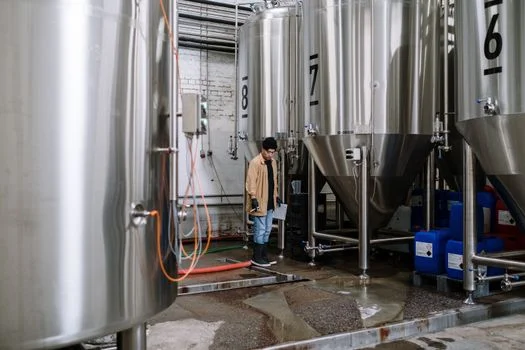
Achieving and maintaining compliance with SANS 241 and NEMA standards is paramount for any sewage treatment operation in Johannesburg. This blueprint outlines the essential testing protocols, documentation requirements, and municipal approval processes to avoid costly penalties.
SANS 241 thresholds for treated effluent typically include: pH between 6 and 9, Total Suspended Solids (TSS) not exceeding 25 mg/L, Chemical Oxygen Demand (COD) below 75 mg/L, and E. coli levels of less than 1,000 CFU/100mL. It is vital to recognize that NEMA often enforces stricter limits, particularly in ‘sensitive areas’ or for specific discharge points, potentially mandating TSS levels as low as 10 mg/L.
The testing protocol requires meticulous execution. A minimum of 24-hour composite sampling, with at least four samples collected per hour, is standard practice. Laboratory analysis must be performed by an ISO 17025 accredited facility. All results must be documented on the DWS Form WW-01. To ensure sample integrity and prevent biodegradation, it is recommended to use a refrigerated autosampler during collection.
Securing municipal approval involves submitting a ‘Wastewater Discharge Permit Application’ (DWS Form WW-02). This application must be accompanied by detailed system specifications, comprehensive testing results, and a robust Operations and Maintenance (O&M) plan. The average processing time for these applications can range from 6 to 12 weeks, and common reasons for rejection include inadequate sludge handling strategies or insufficient system capacity to meet effluent targets.
Understanding the NEMA fine structure is critical for risk assessment. A first offense for non-compliance can result in fines from ZAR 500,000 to ZAR 2 million. Repeat offenses escalate significantly, with penalties ranging from ZAR 2 million to ZAR 5 million, or even a 10-year prison sentence for individuals. A cautionary tale from Johannesburg involves a textile factory fined ZAR 3.7 million for consistently exceeding TSS limits, discharging effluent with 120 mg/L when the standard was 25 mg/L. For those managing hospital wastewater, understanding specific regulatory nuances is as critical as for industrial operations, similar to insights found in hospital wastewater treatment systems for Gauteng’s medical facilities.
| Parameter | SANS 241 Limit | NEMA Sensitive Area Limit (Example) | Typical Influent (Johannesburg Industrial) | Typical Effluent (MBR) | Typical Effluent (DAF) | Typical Effluent (Package Plant) |
|---|---|---|---|---|---|---|
| TSS (mg/L) | ≤ 25 | ≤ 10 | 400–2000+ | ≤ 5 | ≤ 15 | ≤ 20 |
| COD (mg/L) | ≤ 75 | ≤ 50 | 800–3000+ | ≤ 30 | ≤ 50 | ≤ 60 |
| BOD (mg/L) | ≤ 50 | ≤ 30 | 350–1000+ | ≤ 10 | ≤ 20 | ≤ 25 |
| pH | 6–9 | 6–9 | 5–10 | 6.5–8.5 | 6.5–8.5 | 6.5–8.5 |
| E. coli (CFU/100mL) | ≤ 1000 | ≤ 100 | Variable (High) | ≤ 10 | ≤ 50 | ≤ 200 |
Frequently Asked Questions
What are the primary compliance standards for sewage treatment in Johannesburg?
The primary compliance standards are SANS 241 for potable water quality and the National Environmental Management Act (NEMA) for wastewater discharge. SANS 241 sets general limits (e.g., TSS ≤25 mg/L), while NEMA can impose stricter requirements based on environmental sensitivity, potentially mandating TSS as low as 10 mg/L.
How does water scarcity in Gauteng affect sewage treatment equipment choices?
Water scarcity in Gauteng drives a demand for high-efficiency treatment systems, particularly those capable of producing reuse-quality effluent. Technologies like MBRs are favoured for their ability to achieve stringent quality standards, enabling water recycling and reducing reliance on municipal potable water supplies.
What is the typical CAPEX range for a sewage treatment plant in Johannesburg?
The CAPEX for sewage treatment equipment in Johannesburg typically ranges from ZAR 500,000 for compact package plants to ZAR 15 million for advanced MBR systems, depending on the technology, capacity, and site-specific requirements.
How can I calculate the Return on Investment (ROI) for a new sewage treatment system?
ROI is calculated by dividing the annual savings (e.g., from water reuse or avoided fines) minus annual OPEX by the initial CAPEX. A payback period of 3–10 years is common, heavily influenced by local water tariffs and operational efficiencies.
What are the main operational costs (OPEX) associated with different sewage treatment technologies?
OPEX is primarily driven by energy consumption, chemical dosing, sludge disposal, and maintenance. MBR systems have higher OPEX due to energy use (0.8–1.2 kWh/m³), while DAF systems incur costs for chemicals and sludge removal. Package plants generally offer the lowest OPEX (1.2–2.5 ZAR/m³).
What is the risk of NEMA fines for non-compliant wastewater discharge in Gauteng?
NEMA fines for non-compliant discharge in Gauteng can be severe, ranging from ZAR 500,000 to ZAR 5 million for repeat offences, with potential imprisonment for directors. This underscores the critical need for robust and reliable treatment equipment.
When should I consider a Dissolved Air Flotation (DAF) system versus an MBR system?
Consider a DAF system for industrial pretreatment, especially in sectors like food processing with high FOG and TSS loads (influent TSS >500 mg/L). Opt for an MBR system when reuse-quality effluent is required, or for applications with highly variable or challenging influent parameters where superior removal efficiency is paramount.
Related Equipment
The following HydropureWater products are engineered for the wastewater challenges discussed above:
- compact WSZ Series package plants for residential sites in Gauteng — view specifications, capacity range, and technical data
Need a customized solution? Request a free quote with your specific flow rate and pollutant parameters.


