
Wastewater Treatment Plant Cost in Gujarat 2025: CAPEX, OPEX & Tech-Specific Breakdown for Industrial Buyers
In Gujarat, a 100 KLD industrial wastewater treatment plant costs ₹45–₹75 lakhs in CAPEX (2025), with OPEX ranging from ₹1.2–₹3.5/m³ treated. Costs vary by technology—MBR systems (₹60–₹90L) deliver near-reuse quality (COD ≤ 50 mg/L) but require higher OPEX (₹2.5–₹4/m³), while conventional activated sludge (₹30–₹50L) meets GPCB discharge limits (COD ≤ 250 mg/L) at lower costs (₹0.8–₹2/m³). Compliance with GPCB’s 2025 standards adds 15–25% to CAPEX for advanced tertiary treatment.Why Gujarat’s Wastewater Treatment Costs Are Higher Than National Averages
Gujarat’s industrial wastewater treatment costs are typically 15–25% higher than national averages due to stringent regulatory standards, high industrial density, and prevailing water scarcity. The Gujarat Pollution Control Board (GPCB) has implemented 2025 discharge standards that are 20–30% stricter than the Central Pollution Control Board (CPCB) norms, particularly for parameters like Chemical Oxygen Demand (COD) and Biological Oxygen Demand (BOD). For instance, GPCB mandates COD levels of ≤ 250 mg/L for general industrial discharge, whereas CPCB allows 250–500 mg/L for certain categories, compelling industries in Gujarat to invest in advanced tertiary treatment stages.High industrial density in key regions like Ahmedabad, Surat, and Vadodara intensifies competition among engineering, procurement, and construction (EPC) contractors, leading to a 10–15% inflation in CAPEX compared to other states, as observed in 2024 Gujarat Industrial Development Corporation data. This competitive environment also impacts labor and material costs. Gujarat faces significant water scarcity, with per capita water availability at approximately 800 m³/year, markedly lower than India’s average of 1,500 m³/year. This scarcity drives a strong demand for industrial water reuse systems and Zero Liquid Discharge (ZLD) solutions, adding 25–40% to the CAPEX for integrating advanced technologies like Reverse Osmosis (RO) and evaporators. Influent variability, especially in sectors such as textiles with complex dye effluents and pharmaceuticals with active pharmaceutical ingredients (APIs), necessitates customized and robust pretreatment solutions, increasing overall costs by 15–30% for specialized chemical dosing and biological treatment stages.
| Parameter | GPCB 2025 Standards (mg/L, unless specified) | CPCB General Standards (mg/L, unless specified) |
|---|---|---|
| pH | 6.5 – 8.5 | 6.5 – 9.0 |
| BOD (3 days at 27°C) | ≤ 30 | ≤ 30 |
| COD | ≤ 250 | ≤ 250 – 500 (industry specific) |
| TSS | ≤ 100 | ≤ 100 |
| Oil & Grease | ≤ 10 | ≤ 10 |
| Total Dissolved Solids (TDS) | ≤ 2100 (industry specific) | ≤ 2100 (industry specific) |
CAPEX Breakdown: How Capacity and Technology Impact Your Budget
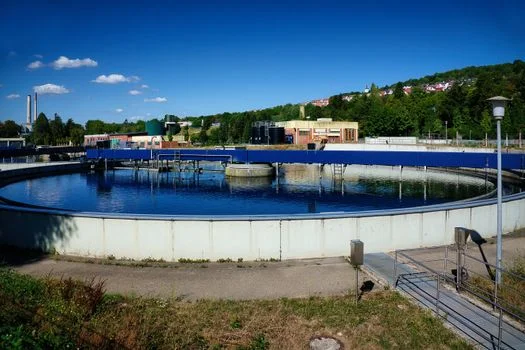
MBR systems, while delivering superior effluent quality suitable for near-reuse applications, incur higher CAPEX primarily due to the cost of membranes, which typically require replacement every 5–7 years at an expense of ₹8–₹12 lakhs per 100 KLD. Dissolved Air Flotation (DAF) systems, often paired with biological treatment, are effective for high-TSS effluents but involve costs for chemical storage and dosing equipment. Conventional activated sludge systems have the lowest CAPEX but require larger land footprints and include costs for sludge handling equipment, approximately ₹2–₹4 lakhs per 100 KLD for initial setup. Zero Liquid Discharge (ZLD) and Reverse Osmosis (RO) integrated systems represent the highest CAPEX due to the complex array of filtration, membrane, and evaporation technologies required for maximum water recovery.
Hidden costs often overlooked in initial estimates can significantly impact the final budget. Land acquisition in Gujarat’s industrial zones can add ₹5–₹15 lakhs per acre, a critical factor for conventional systems requiring larger footprints. GPCB approvals and environmental impact assessments typically range from ₹1–₹3 lakhs. Civil works, especially for underground wastewater treatment systems for space-constrained sites, can account for 20–30% of the total CAPEX due to specialized excavation and waterproofing requirements. Companies can reduce CAPEX by 15–20% for capacities under 200 KLD by opting for modular integrated sewage treatment plants, such as HydropureWater’s WSZ series underground integrated wastewater treatment plants, compared to custom-built plants. For high-TSS effluents, high-efficiency DAF systems are a cost-effective primary treatment, while MBR systems provide advanced treatment for stringent discharge or reuse goals.
| Capacity (KLD) | Conventional Activated Sludge (₹ Lakhs) | MBR (₹ Lakhs) | DAF + Biological (₹ Lakhs) | ZLD/RO Integration (₹ Lakhs) |
|---|---|---|---|---|
| 1 | ₹3 – ₹6 | ₹7 – ₹12 | ₹5 – ₹9 | ₹10 – ₹20 |
| 10 | ₹12 – ₹20 | ₹25 – ₹40 | ₹20 – ₹35 | ₹40 – ₹70 |
| 50 | ₹25 – ₹45 | ₹50 – ₹75 | ₹40 – ₹65 | ₹80 – ₹130 |
| 100 | ₹30 – ₹50 | ₹60 – ₹90 | ₹45 – ₹75 | ₹100 – ₹180 |
| 1000 | ₹200 – ₹350 | ₹400 – ₹600 | ₹300 – ₹500 | ₹800 – ₹1500 |
OPEX Deep Dive: Energy, Chemicals, and Sludge Disposal Costs in Gujarat
Operational expenditure (OPEX) for industrial wastewater treatment in Gujarat typically ranges from ₹0.8 to ₹4.0 per cubic meter (₹/m³), with energy consumption often dominating these costs, accounting for 40–60% of the total. Gujarat’s industrial electricity tariffs, averaging ₹7.5–₹8.5/kWh, directly influence these figures, making energy efficiency a critical factor in long-term cost management.MBR systems, due to their aeration and membrane scouring requirements, have the highest energy consumption at 0.8–1.2 kWh/m³, leading to higher OPEX. DAF systems consume less energy at 0.3–0.5 kWh/m³, while conventional activated sludge systems fall in the middle with 0.4–0.7 kWh/m³. Integrating solar power can yield substantial OPEX savings, with plants exceeding 50 KLD capacity potentially reducing energy costs by 30–40% and achieving an ROI of 3–5 years. Chemical costs contribute ₹0.2–₹0.8/m³, with higher concentrations needed for complex textile dyes or pharmaceutical effluents requiring coagulants and flocculants. Disinfection, using chlorine or chlorine dioxide (ClO₂), adds another ₹0.1–₹0.3/m³. Implementing PLC-controlled chemical dosing systems can reduce chemical consumption by 15–20% by optimizing dosage based on real-time influent quality.
Sludge disposal is a significant and often underestimated OPEX component, costing ₹1,500–₹3,000 per ton in Gujarat for landfill disposal. Co-processing in cement kilns offers a more economical option at ₹800–₹1,500 per ton. Investing in sludge dewatering systems, such as a plate-and-frame filter press, can reduce sludge volume by 30–50% for plants above 100 KLD, resulting in substantial disposal cost savings and a typical ROI of 1–2 years. Labor costs, including skilled operators and maintenance personnel, generally range from ₹0.2–₹0.5/m³, depending on the system’s complexity and level of automation.
| Capacity (KLD) | Energy (₹/m³) | Chemicals (₹/m³) | Labor (₹/m³) | Sludge Disposal (₹/m³) | Total OPEX (₹/m³) |
|---|---|---|---|---|---|
| 10 (Conventional) | ₹0.5 – ₹0.9 | ₹0.2 – ₹0.6 | ₹0.4 – ₹0.8 | ₹0.3 – ₹0.6 | ₹1.4 – ₹2.9 |
| 50 (DAF + Biological) | ₹0.3 – ₹0.6 | ₹0.4 – ₹0.8 | ₹0.3 – ₹0.6 | ₹0.2 – ₹0.5 | ₹1.2 – ₹2.5 |
| 100 (MBR) | ₹0.8 – ₹1.2 | ₹0.5 – ₹1.0 | ₹0.3 – ₹0.6 | ₹0.4 – ₹0.8 | ₹2.0 – ₹3.6 |
| 500 (MBR + RO) | ₹1.2 – ₹1.8 | ₹0.6 – ₹1.2 | ₹0.2 – ₹0.5 | ₹0.5 – ₹1.0 | ₹2.5 – ₹4.5 |
Technology Face-Off: MBR vs. DAF vs. Conventional Systems for Gujarat’s Industries
MBR systems are highly effective for achieving near-reuse quality effluent (COD ≤ 50 mg/L, BOD ≤ 5 mg/L, TSS < 1 mg/L) and are ideal for space-constrained sites, requiring up to 60% less footprint than conventional systems. However, their CAPEX is 2–3 times higher, and they carry risks of membrane fouling, necessitating regular chemical cleaning protocols. MBR systems are particularly suited for pharmaceutical and food processing industries aiming for water reuse or stringent discharge standards.
DAF systems, typically combined with biological treatment (e.g., MBBR), excel at removing high concentrations of Total Suspended Solids (TSS) and oil & grease, achieving 90–95% TSS removal. They are ideal for industries like textiles and paper, which generate high-TSS wastewater. However, DAF requires consistent pH adjustment, adding ₹0.2–₹0.4/m³ to OPEX, and is less effective at removing soluble COD without subsequent biological stages. HydropureWater’s high-efficiency DAF systems can be integrated into hybrid solutions for enhanced performance. Conventional activated sludge systems offer the lowest CAPEX (₹30–₹50 lakhs for 100 KLD) but demand the largest footprint (200–300 m²/100 KLD). They are generally limited to meeting basic GPCB discharge limits (COD ≤ 250 mg/L) without tertiary treatment. Upgrading effluent to reuse standards often requires adding tertiary filtration (e.g., sand/activated carbon filters), which can increase CAPEX by ₹5–₹10 lakhs per 100 KLD. For industries with limited space, underground wastewater treatment systems offer a compact solution.
A use-case matching decision tree can guide selection: if a textile industry has space constraints and aims for water reuse, MBR or DAF + MBBR is suitable. A pharmaceutical industry focused on high-quality water for process reuse would benefit most from MBR combined with industrial reverse osmosis (RO) water treatment systems. For general industrial discharge with ample land, conventional systems with tertiary upgrades might suffice.
| Technology | CAPEX (100 KLD) | OPEX (₹/m³) | Footprint (m²/100 KLD) | Effluent Quality (COD/BOD/TSS) | Maintenance Complexity | GPCB Compliance Ease |
|---|---|---|---|---|---|---|
| MBR | ₹60 – ₹90L | ₹2.5 – ₹4.0 | 80 – 120 | COD ≤ 50, BOD ≤ 5, TSS < 1 | Medium (membrane cleaning) | High (reuse quality) |
| DAF + Biological | ₹45 – ₹75L | ₹1.8 – ₹3.0 | 120 – 180 | COD ≤ 100, BOD ≤ 20, TSS < 10 | Medium (chemical dosing, sludge) | Medium to High (with polishing) |
| Conventional Activated Sludge | ₹30 – ₹50L | ₹0.8 – ₹2.0 | 200 – 300 | COD ≤ 250, BOD ≤ 30, TSS ≤ 100 | Low (aeration, sludge) | Basic (requires tertiary for reuse) |
Compliance Costs: Meeting GPCB’s 2025 Standards Without Budget Overruns
Meeting the Gujarat Pollution Control Board’s (GPCB) 2025 discharge standards requires careful planning and can add 15–25% to the CAPEX and 10–20% to the OPEX of a wastewater treatment plant. GPCB’s stringent limits aim to minimize environmental impact and promote water reuse across industrial sectors.Key GPCB 2025 standards include COD ≤ 250 mg/L, BOD ≤ 30 mg/L, TSS ≤ 100 mg/L, and pH between 6.5–8.5. Specific industries face additional parameters; for instance, textile plants must achieve color ≤ 300 Pt-Co, while pharmaceutical effluents often have limits on Total Dissolved Solids (TDS ≤ 2,100 mg/L). Compliance cost drivers include tertiary treatment, typically adding ₹5–₹15 lakhs per 100 KLD for advanced sand or activated carbon filters to polish effluent. Disinfection systems, crucial for pathogen removal, can add ₹2–₹5 lakhs per 100 KLD for on-site ClO₂ generators. Ongoing monitoring, including online sensors for critical parameters, incurs ₹1–₹3 lakhs annually.
GPCB imposes significant penalties for non-compliance, ranging from ₹1–₹5 lakhs per month, alongside potential plant shutdowns and legal action, making proactive investment in compliance a financial imperative. Modular systems, such as HydropureWater’s WSZ series, offer flexibility by allowing incremental upgrades to meet evolving standards, thereby reducing the immediate financial burden and minimizing compliance risk. Understanding these costs is crucial for making zero-risk procurement decisions. For a broader perspective on compliance strategies, consider reviewing compliance strategies for high-risk wastewater streams.
| Parameter | GPCB 2025 Standard | Compliance Cost Driver | Additional CAPEX (100 KLD) | Additional OPEX (₹/m³) |
|---|---|---|---|---|
| COD | ≤ 250 mg/L | Advanced Biological / Tertiary Filtration | ₹5 – ₹10L | ₹0.2 – ₹0.5 |
| BOD | ≤ 30 mg/L | Enhanced Aeration / MBR | ₹8 – ₹15L | ₹0.3 – ₹0.7 |
| TSS | ≤ 100 mg/L | Clarifiers / Filtration | ₹3 – ₹8L | ₹0.1 – ₹0.3 |
| Color (Textile) | ≤ 300 Pt-Co | Activated Carbon / Ozonation | ₹10 – ₹15L | ₹0.5 – ₹1.0 |
| TDS (Pharma) | ≤ 2100 mg/L | RO / Evaporators | ₹20 – ₹40L | ₹1.0 – ₹2.0 |
ROI Framework: How to Justify Your Wastewater Treatment Investment
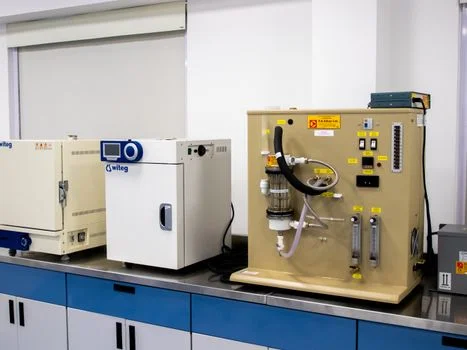
A robust ROI calculation follows a 5-step template: 1) Calculate total CAPEX (from earlier tables), including hidden costs. 2) Project annual OPEX (₹/m³ multiplied by annual treated volume). 3) Quantify water reuse savings, which can be substantial given industrial water tariffs in Gujarat typically range from ₹20–₹50/m³. 4) Estimate compliance penalty avoidance, which can be ₹1–₹5 lakhs per month. 5) Determine the payback period, which is the time until cumulative savings equal initial CAPEX. For example, a 100 KLD textile plant investing ₹60 lakhs in an MBR system with an OPEX of ₹2.5/m³ and achieving ₹15/m³ in water reuse savings could see a payback period of approximately 4.2 years.
Zero Liquid Discharge (ZLD) systems, often incorporating industrial reverse osmosis (RO) water treatment systems, can achieve 90–95% water recovery, drastically reducing freshwater intake costs by ₹5–₹15/m³. For high-water-use industries, ZLD systems can achieve an ROI of 2–4 years. the Gujarat government actively promotes water conservation through various schemes, offering 30–50% CAPEX subsidies for ZLD systems under initiatives like the ‘Water Conservation Scheme,’ with a projected 2025 budget of ₹500 crores. These subsidies significantly enhance the financial viability and accelerate the ROI for advanced wastewater treatment and reuse projects. For more insights on water reuse systems, refer to water reuse and ZLD system selection guides.
Frequently Asked Questions
What’s the cheapest wastewater treatment technology for Gujarat’s textile industry?
For Gujarat’s textile industry, DAF + biological systems (₹25–₹40 lakhs/100 KLD) offer the lowest CAPEX for treating high-TSS effluents. However, to meet GPCB COD/BOD compliance (COD ≤ 250 mg/L), MBR systems (₹60–₹90 lakhs/100 KLD) are often required for higher quality effluent.
How much does sludge disposal cost in Gujarat?
Sludge disposal in Gujarat typically costs ₹1,500–₹3,000 per ton for landfill disposal. Alternatively, co-processing in cement kilns offers a more economical option at ₹800–₹1,500 per ton. Investing in sludge dewatering systems, such as plate-and-frame filter presses, can reduce disposal costs by 30–50%.
Can I install a wastewater treatment plant underground in Gujarat?
Yes, underground wastewater treatment systems, like HydropureWater’s WSZ series, are approved by GPCB for capacities up to 500 KLD. These systems save 60–70% of land area but require specialized civil works and waterproofing, which can add 5–10% to the CAPEX.
What are the hidden costs of wastewater treatment plants in Gujarat?
Hidden costs in Gujarat include land acquisition (₹5–₹15 lakhs/acre in industrial zones), GPCB approvals (₹1–₹3 lakhs), civil works (20–30% of CAPEX for underground plants), and membrane replacement (₹8–₹12 lakhs/100 KLD every 5–7 years for MBR systems).
How do I reduce OPEX for my wastewater treatment plant in Gujarat?
To reduce OPEX in Gujarat, consider solar integration (30–40% energy savings), implementing automatic chemical dosing systems (15–20% chemical savings), and investing in sludge dewatering equipment (30–50% disposal savings). Combined, these measures can cut overall OPEX by 25–40%.


