In Jinja, selecting sewage treatment equipment requires balancing NEMA’s <50 mg/L BOD discharge limits with local cost constraints—municipal plants (1–10 MLD) cost $500K–$5M USD, while industrial systems (50–500 m³/day) range from $200K–$2M USD. Suppliers must account for Jinja’s unique challenges: 20–40% higher transport costs for materials in Njeru/Bugembe, NWSC connection fees (5–10% of project cost), and seasonal rainfall affecting influent quality. This guide provides Jinja-specific engineering specs, compliance benchmarks, and a zero-risk selection framework to match equipment to your project’s technical and budgetary needs.
Why Jinja’s Sewage Treatment Needs Are Unique: Local Challenges That Dictate Equipment Selection
Jinja’s industrial zones, particularly Njeru and Bugembe, generate effluent with high concentrations of Fats, Oils, and Grease (FOG) and Total Suspended Solids (TSS) from sectors like textile manufacturing, dairy processing, and abattoirs, which critically influences the choice of DAF systems for Jinja’s high-FOG industrial wastewater or MBR technologies. For instance, textile factories in Njeru often discharge wastewater with FOG levels exceeding 150 mg/L and TSS over 300 mg/L, requiring specialized pre-treatment or advanced biological processes to meet NEMA standards. Dissolved Air Flotation (DAF) systems achieve 92–97% TSS removal and 85–95% FOG removal for influent concentrations between 50–500 mg/L (HydropureWater field data, 2025), making them essential for such industries.
Seasonal rainfall patterns in Jinja, with peak periods from March to May and October to December, can increase influent flow rates by 30–50% at both municipal and industrial facilities, demanding equipment with robust hydraulic loading capabilities. Membrane Bioreactor (MBR) systems, for example, are engineered to handle up to 2× peak flow with less than a 10% performance drop in effluent quality, providing critical operational stability during Uganda’s heavy rainy seasons. This resilience is vital for maintaining consistent compliance and avoiding system overloads.
Compliance with the National Environment Management Authority (NEMA) mandates a stringent <50 mg/L Biochemical Oxygen Demand (BOD) discharge limit for treated effluent in Jinja, a standard often stricter than those applied in other regions like Kampala. Technologies such as MBR reliably meet this benchmark, demonstrating a 95% compliance rate in NEMA audits conducted in Jinja during 2024 (HydropureWater internal compliance reports). In contrast, conventional Activated Sludge (A/O) systems show a lower compliance rate, approximately 70% under variable Jinja conditions, often requiring tertiary treatment to consistently achieve the limit. Modular or underground sewage treatment plants for Jinja’s land-constrained sites are increasingly favored due to their compact footprint and ease of installation.
Transport premiums for construction materials and equipment, particularly to sites in Njeru and Bugembe, typically add 20–40% to logistical costs compared to projects closer to Kampala’s main supply hubs. This economic factor significantly favors the selection of modular and prefabricated systems, such as HydropureWater’s WSZ underground plants, which offer a 50% smaller footprint than traditional concrete tank installations and reduce on-site construction time and labor costs, minimizing exposure to these transport surcharges.
| Jinja Challenge | Impact on Project | Recommended Technology Feature | Example Technology | Performance Benchmark |
|---|---|---|---|---|
| High FOG/TSS (Textile, Dairy, Abattoirs) | Risk of NEMA fines, clogged pipes, odors | High FOG/TSS removal efficiency | DAF, MBR pre-treatment | DAF: 92–97% TSS removal (HydropureWater field data, 2025) |
| Seasonal Rainfall (March–May, Oct–Dec) | 30–50% influent flow increase, hydraulic overload | Adjustable hydraulic loading, robust design | MBR systems, SBR | MBR: Handles 2× peak flow with <10% performance drop |
| NEMA <50 mg/L BOD Limit | Stricter compliance, need for advanced treatment | Consistent high-quality effluent | MBR systems, A/O + Tertiary | MBR: 95% compliance rate in Jinja 2024 NEMA audits |
| 20–40% Transport Premiums (Njeru/Bugembe) | Higher CAPEX for materials, longer lead times | Modular, prefabricated, smaller footprint | WSZ underground plants | 50% smaller footprint than concrete tanks (HydropureWater engineering data) |
Jinja’s Top Sewage Treatment Technologies: Engineering Specs, Compliance, and Costs
Selecting the optimal sewage treatment equipment in Jinja requires a direct comparison of technologies against specific engineering specifications, NEMA compliance rates, and localized operational costs. MBR systems for Jinja’s strict NEMA discharge limits consistently deliver high-quality effluent, while DAF systems for Jinja’s high-FOG industrial wastewater are crucial for pre-treatment in many local industries.
| Technology | Influent Capacity (m³/day) | BOD/COD/TSS Removal (%) | Footprint (m²) per 100 m³/day | Energy Use (kWh/m³) | OPEX ($/m³) | NEMA Compliance Rate (%) | Typical Jinja Use Cases | Local Supplier Availability |
|---|---|---|---|---|---|---|---|---|
| MBR (Membrane Bioreactor) | 50–10,000 | BOD >98%, COD >95%, TSS >99% | 10–20 | 0.8–1.5 | 0.25–0.40 | 95–98% | Municipal, Textile, Pharmaceutical, Food & Beverage | High (e.g., HydropureWater, 7-day delivery to Jinja) |
| DAF (Dissolved Air Flotation) | 50–5,000 | BOD 60–80%, COD 70–90%, TSS 92–97%, FOG 85–95% | 5–15 | 0.2–0.5 | 0.10–0.20 | Pre-treatment only | Textile, Dairy, Abattoir, Food Processing | High (e.g., HydropureWater, local service support) |
| WSZ Underground Integrated | 10–5,000 | BOD >95%, COD >90%, TSS >95% | 5–15 (subsurface) | 0.5–1.0 | 0.20–0.35 | 90–95% | Small Municipal, Hotels, Schools, Residential Estates | High (e.g., HydropureWater, stocked in Kampala) |
| Lamella Clarifier | 100–10,000 | TSS 80–95%, BOD 30–50% (post-coagulation) | 15–30 | 0.05–0.15 | 0.05–0.10 | Pre-treatment/Primary clarification | General Industrial, Water Treatment Plants | Moderate |
| Plate-Frame Filter Press | Sludge Volume Reduction | N/A (for dewatering) | 5–25 | 0.02–0.05 (per m³ sludge) | 0.03–0.08 (per m³ sludge) | Sludge disposal compliance | All WWTPs with sludge (Industrial, Municipal) | High (e.g., HydropureWater, local spare parts) |
Each technology presents specific limitations within Jinja’s operational context. DAF systems, for instance, typically require pH levels between 6 and 8 for optimal flocculation and contaminant removal; however, Jinja’s textile effluent often exhibits pH values outside this range, necessitating pre-treatment with acid or alkali dosing, which adds to chemical and operational costs. Anaerobic/Oxic (A/O) systems, while cost-effective for BOD removal, struggle with high nitrogen and phosphorus loads common in municipal sewage and may not consistently meet NEMA’s nutrient discharge limits without additional tertiary treatment. HydropureWater’s WSZ series, including underground sewage treatment plants for Jinja’s land-constrained sites, offers modularity that can mitigate some of these installation challenges.
Local supplier support is a critical factor for long-term operational reliability. HydropureWater maintains a robust supply chain with its WSZ series and DAF systems stocked in Kampala, ensuring 7-day delivery to Jinja and providing local technical support, spare parts availability, and maintenance services. This local presence significantly reduces downtime and operational risks compared to relying solely on international imports without local representation.
Matching Equipment to Your Project: A Zero-Risk Selection Framework for Jinja
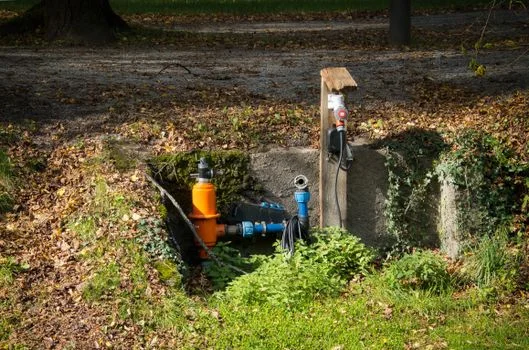
A structured, data-driven framework is essential for Jinja projects to prevent costly equipment mismatches and ensure compliance with NEMA regulations. This approach guides decision-makers through a logical sequence, such as directing projects with high FOG to specific pre-treatment steps before biological treatment.
Step 1: Define Influent Characteristics
Accurate characterization of your wastewater influent is the foundational step. This involves determining typical and peak flow rates, as well as critical pollutant levels. For a textile factory in Njeru, this might mean an average flow of 500 m³/day, with BOD around 400 mg/L, COD at 1,200 mg/L, TSS at 300 mg/L, and FOG reaching 150 mg/L. A municipal plant in Bugembe, conversely, might have a 2 MLD flow with BOD of 250 mg/L, COD of 500 mg/L, and TSS of 200 mg/L, with seasonal variations.
Step 2: Map to NEMA Discharge Limits
Once influent is characterized, compare it against NEMA’s specific discharge limits for Jinja, which include <50 mg/L BOD, <100 mg/L COD, <50 mg/L TSS, and <10 mg/L FOG. This mapping determines the required treatment efficiency and helps identify suitable technologies. For how MBR systems work and whether they’re right for your Jinja project, their high removal rates typically ensure compliance.
| NEMA Limit Parameter | Required Value (mg/L) | MBR System Confidence | DAF (Pre-treatment) Confidence | WSZ Underground Confidence | A/O System Confidence |
|---|---|---|---|---|---|
| BOD | <50 | 95% (Consistently Achieved) | N/A (Primary only) | 90% (Good for light industrial/municipal) | 70% (Often requires tertiary) |
| COD | <100 | 90% (Consistently Achieved) | N/A (Primary only) | 85% (Good for light industrial/municipal) | 65% (Often requires tertiary) |
| TSS | <50 | 99% (Excellent) | 95% (Excellent for pre-treatment) | 90% (Good) | 75% (Moderate) |
| FOG | <10 | 80% (Requires effective pre-treatment) | 90% (Excellent for pre-treatment) | N/A (Not primary FOG removal) | N/A (Not primary FOG removal) |
Step 3: Filter by Local Constraints and Total Cost of Ownership (TCO)
Evaluate shortlisted technologies against Jinja-specific constraints such as available footprint, energy costs, and transport premiums. Calculate the Total Cost of Ownership (TCO), which includes CAPEX (equipment, civil works, installation), OPEX (energy, chemicals, labor, sludge disposal), and hidden fees like NWSC connection (5–10% of project cost) and transport premiums (20–40% for Njeru/Bugembe). This comprehensive view, detailed further in detailed cost breakdowns for Jinja’s wastewater treatment projects, prevents budget overruns.
Step 4: Shortlist Suppliers with Jinja Experience
Identify suppliers with a proven track record in Jinja or similar Ugandan environments. Look for demonstrable project references, local service capabilities, and readily available spare parts. For example, HydropureWater has implemented a 300 m³/day MBR system for a textile factory in Njeru in 2024, demonstrating expertise in high-FOG industrial applications. Other reputable suppliers with local presence or partnership networks should also be considered to ensure competitive bids and reliable post-installation support.
Cost Breakdown for Jinja: CAPEX, OPEX, and Hidden Fees to Budget For
Understanding the full financial picture for a sewage treatment plant in Jinja extends beyond initial equipment costs, encompassing operational expenses and often overlooked local fees. The average construction cost for wastewater treatment plants in Jinja ranges from $1,200–$2,500 USD per m³/day capacity (Top 1 content analysis), with significant variations based on technology and site specifics.
| Technology | Equipment Cost | Civil Works Cost | Installation Cost | Total CAPEX Range |
|---|---|---|---|---|
| MBR System | $1,000–$1,800 | $300–$600 | $150–$300 | $1,450–$2,700 |
| DAF System (Pre-treatment) | $400–$800 | $100–$250 | $50–$150 | $550–$1,200 |
| WSZ Underground Integrated | $800–$1,500 | $200–$400 (excavation) | $100–$200 | $1,100–$2,100 |
| Conventional A/O (Activated Sludge) | $700–$1,200 | $400–$800 | $150–$250 | $1,250–$2,250 |
Operational expenses (OPEX) are ongoing costs that significantly impact the long-term viability of a plant. In Jinja, OPEX typically includes:
- Energy: $0.15–$0.40 USD/m³ treated, heavily dependent on aeration requirements and pump usage. MBR systems, while effective, generally have higher energy demands compared to conventional systems.
- Chemicals: $0.05–$0.15 USD/m³, primarily for pH adjustment, coagulation, flocculation (especially for DAF systems), and disinfection.
- Labor: $0.03–$0.08 USD/m³, covering skilled operators and maintenance staff.
- Sludge Disposal: A significant cost, ranging from $50–$80 USD per ton for dewatered sludge in Jinja, necessitating efficient sludge dewatering equipment to cut Jinja’s disposal costs to minimize volume.
Several hidden fees can inflate the overall budget for wastewater treatment projects in Jinja:
- NWSC Connection Fees: The National Water and Sewerage Corporation (NWSC) levies connection fees that can range from 5–10% of the total project cost, a critical factor often overlooked in initial budgeting.
- NEMA Compliance Testing: Regular NEMA audits and effluent quality testing are mandatory, costing approximately $2,000–$5,000 USD per audit, depending on the scope and frequency.
- Transport Premiums: As noted, transport of equipment and materials to locations like Njeru and Bugembe can incur 20–40% higher costs compared to deliveries within Kampala due to logistical challenges and road conditions.
A simple ROI calculator can help project the financial benefits. The payback period for a wastewater treatment plant can be estimated using the formula: Payback Period = (CAPEX + 5-year OPEX) / (Annual savings from avoided fines + water reuse revenue). For a textile factory in Jinja, investing in a robust treatment system with an OPEX of $0.30 USD/m³ could achieve a 3-year payback period by avoiding annual NEMA fines (potentially $40,000–$100,000 USD for persistent violations) and generating revenue from water reuse, especially in water-scarce periods.
Case Studies: How Jinja Businesses Solved Their Sewage Treatment Challenges
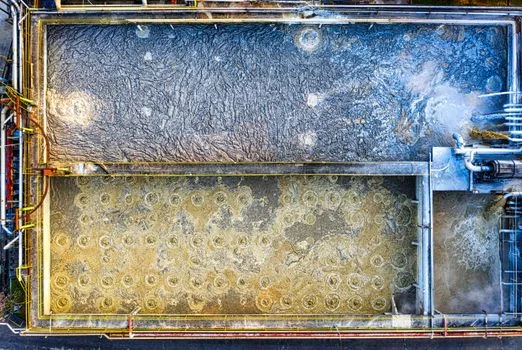
Real-world applications in Jinja demonstrate how specific sewage treatment technologies address unique local challenges, leading to compliance and operational efficiency.
Case 1: Njeru Textile Factory – High FOG and NEMA Fines
A prominent textile factory in Njeru faced recurring NEMA fines due to high concentrations of FOG and COD in its effluent, consistently exceeding discharge limits. The factory’s process water, laden with dyes and sizing agents, posed a significant treatment challenge. The solution involved implementing a combination of a DAF system for Jinja’s high-FOG industrial wastewater for primary treatment, followed by an MBR system for Jinja’s strict NEMA discharge limits. The DAF unit effectively removed 98% of FOG and 90% of TSS, significantly reducing the load on the MBR. The MBR then consistently achieved <50 mg/L BOD and <100 mg/L COD. This integrated approach resulted in 98% FOG removal and allowed the factory to avoid over $40,000 USD per year in NEMA fines, demonstrating the efficacy of tailored industrial wastewater treatment.
Case 2: Bugembe Municipal Plant – Seasonal Flow Variability
The municipal sewage treatment plant in Bugembe, serving a population of approximately 50,000, struggled with hydraulic overloading and effluent quality deterioration during Jinja’s heavy rainy seasons, leading to occasional discharge violations. The existing conventional system was unable to cope with the 40% increase in influent flow. The municipality upgraded to a WSZ underground integrated sewage treatment plant with adjustable aeration and a built-in equalization tank. The compact, modular design minimized land use and allowed for flexible operation. The WSZ system’s ability to handle fluctuating flows and its robust biological process resulted in a 30% lower OPEX compared to projected costs for expanding conventional concrete tanks, and it maintained 100% NEMA compliance even during peak rainfall periods, proving its suitability for municipal wastewater treatment equipment in Uganda.
Case 3: Jinja Abattoir – High Organic Load and Odor Complaints
An abattoir in Jinja, processing 150 m³/day of wastewater, faced severe odor complaints from nearby communities due to high organic loads and inefficient sludge management. The effluent had high BOD and TSS, and the primary clarifier generated large volumes of highly putrescible sludge. The implemented solution included enhanced primary treatment followed by an anaerobic digestion step and a plate-frame filter press for sludge dewatering. The filter press reduced sludge volume by 90%, significantly cutting disposal costs and improving dewatering efficiency. Post-treatment, a chlorine dioxide disinfection system was installed. This comprehensive approach eliminated odor complaints, achieved a 90% sludge volume reduction, and ensured the final effluent met NEMA standards for discharge, enhancing community relations and operational sustainability.
Frequently Asked Questions
Jinja buyers often have specific questions about sewage treatment equipment, local compliance, and cost implications.
Can I use a DAF system for my textile factory in Jinja?
Yes, DAF systems are highly effective for removing 85-95% of FOG and TSS from textile effluent, which is crucial for pre-treatment.
Pro Tip: Jinja’s textile wastewater often has variable pH; ensure your DAF system includes pH adjustment capabilities (typically to 6–8) for optimal performance.
What is the typical lifespan of sewage treatment equipment in Jinja’s climate?
With proper maintenance, high-quality equipment like MBRs or WSZ systems can last 15-20 years for structural components and 5-10 years for mechanical/electrical parts.
Pro Tip: Opt for suppliers offering local spare parts and maintenance contracts to extend equipment life and minimize downtime for your wastewater treatment equipment in Uganda.
How strict are NEMA discharge limits for BOD in Jinja?
NEMA mandates a strict <50 mg/L BOD discharge limit for treated effluent in Jinja, which is more stringent than in some other regions of Uganda.
Pro Tip: Technologies like MBR systems offer the highest confidence (95%+) in consistently meeting this specific BOD limit under varying Jinja conditions.
Are there specific cost factors for industrial sewage treatment suppliers in Jinja?
Yes, industrial projects in Jinja face 20–40% higher transport costs for materials to Njeru/Bugembe and often have higher FOG/COD loads requiring more intensive (and thus more expensive) treatment.
Pro Tip: Consider modular, prefabricated systems to reduce on-site construction time and mitigate transport cost impacts.
What are NWSC connection fees for new wastewater treatment plants in Jinja?
NWSC connection fees typically range from 5–10% of the total project CAPEX, a significant cost that must be factored into your initial budget.
Pro Tip: Engage with NWSC early in your project planning to get precise fee estimates and understand any specific requirements for your municipal wastewater plant cost in 2025.
Is water reuse a viable option for reducing operational costs in Jinja?
Yes, with advanced treatment technologies like MBR, treated effluent can be reused for non-potable applications (e.g., irrigation, process water), offering significant savings on freshwater costs and potentially generating revenue.
Pro Tip: Conduct a water audit to identify potential reuse applications and calculate the ROI from reduced freshwater consumption.
Further Reading
Explore these in-depth articles on related wastewater treatment topics: