When ozone generator troubleshooting starts on an industrial water line, the usual failures are low ozone output, overheating, and gas leaks. A 30% output drop often traces to wet feed gas (dew point > -40°C) or oxygen concentrator failure. Overheating typically follows blocked cooling channels or fan failure. Check vacuum switches, filters, and corona cells every 6 months to cut unplanned downtime.
Ozone Generator Troubleshooting: Why Industrial Units Fail
Industrial ozone generators fail most often from wet feed gas, heat buildup, and leaks at fittings. Continuous-duty corona cells commonly last 15,000–20,000 hours before major replacement. High-frequency electrical stress and thermal cycling wear dielectrics faster than light-duty units. HydropureWater field data (2025) links nearly 45% of premature failures to environmental factors rather than mechanical defects.
Feed gas quality sets system life more than any other single variable. Moisture that raises dew point above -40°C can cut ozone yield by up to 50% in corona discharge cells. Water vapor reacts with nitrogen to form nitric acid (HNO₃), which etches “nitric acid tracks” on the dielectric, causes arcing, and can puncture the cell. Industry dew-point guidance commonly targets −60 °C to −80 °C for air-fed systems; this article keeps < −60°C as the optimal plant check and > −40°C as the dryer-failure trigger (Shaw Moisture Meters). A stable oxygen concentrator for ozone generator duty keeps oxygen purity high and the feed stream dry.
Nitrogen oxide buildup and particulate fouling in the discharge gap raise resistance, force the transformer harder, and add heat. Ambient temperatures above 35°C raise component-failure risk by about 40% in high-load cabinets. Without enough cooling, ozone can thermally decompose back to oxygen inside the generator before it reaches the contactor, so the water never sees the dose you set.
How does an ozone generator work for water treatment?
An industrial corona-discharge ozone generator splits O₂ under high voltage, then reforms O₃ for injection into water. Dry oxygen or dried air enters the cell; the high-frequency field creates ozone gas that a venturi or diffuser dissolves into the process stream. Most plants we size for continuous disinfection run oxygen purity above 90% O₂ and hold feed-gas dew point below −60°C so yield stays near nameplate. Contactor design, residual control, and off-gas destruction complete the treatment train after the generator cabinet.
Step-by-Step Troubleshooting for Low Ozone Output
Ozone readings below 80% of rated concentration point to feed-gas quality loss or weak corona discharge. Measure output first with a calibrated UV analyzer before opening the cabinet. Industrial oxygen concentrators should hold >90% O₂; purity below 85% usually means sieve-bed wear or moisture in the molecular sieve.
Next, check air filtration and drying. Replace air filters and desiccant beds every 6 months, or sooner if pressure drop across the housing exceeds 7 psi. High pressure drop starves flow and can unbalance vacuum at the venturi injector. Confirm feed-gas dew point at < −60°C for best yield. If dew point rises above −40°C, service the dryer at once to stop nitric acid formation inside a compact ozone disinfection system for medical wastewater or any industrial skid.
Then verify electrical supply. Voltage swings beyond ±10% of nominal cut high-frequency inverter efficiency and make discharge uneven. Use the diagnostic table below to match thresholds with corrective actions:
| Diagnostic Parameter | Measurable Threshold | Primary Tool | Corrective Action |
|---|---|---|---|
| Ozone Concentration | < 80% of Rated Output | UV Analyzer | Clean corona cells; check feed gas |
| Oxygen Purity | < 90% O₂ | O₂ Monitor | Replace molecular sieve beds |
| Feed Gas Dew Point | > -40°C | Dew Point Meter | Service air dryer/desiccant |
| Filter Pressure Drop | > 7 psi | Pressure Gauge | Replace air filter elements |
| Voltage Deviation | > ±10% | Multimeter | Install voltage stabilizer |
Diagnosing and Fixing Ozone Generator Overheating

Industrial ozone cabinets typically alarm near 45°C internal temperature and shut down near 55°C to protect dielectrics. Overheating rarely stands alone; poor airflow or high ambient heat is usually behind it. After a thermal trip, inspect cooling fans first. With an anemometer, confirm airflow of at least 200 CFM. Lower flow often means failing fan motors or seized bearings in a corrosive room.
Radiator fins and heat sinks collect plant dust quickly. About 3 mm of dust on cooling fins can cut heat rejection by roughly 30%. Blow fins clean with dry compressed air on a fixed interval. Where ambient temperature stays above 35°C, derate generator output by 10% for every 5°C rise to protect internals. The same thermal discipline shows up when troubleshooting UV disinfection systems in wastewater and ozone skids share a hot, poorly ventilated utility room.
For deeper checks, scan corona cells and high-voltage transformers under load with a thermal camera. Hot spots far above neighboring parts mark local resistance or dielectric damage. Pull any hot cell and inspect for fouling or cracks in ceramic or glass dielectric before returning the unit to service.
Locating and Sealing Ozone Leaks in the System
According to the NIOSH Pocket Guide citing the OSHA PEL, workplace ozone must stay at or below a 0.1 ppm 8-hour TWA; any ambient reading above 0.1 ppm needs isolation and leak repair. Ozone also attacks nearby rubber and plastic, so a small fitting leak can cascade into more failures. HydropureWater maintenance logs show that 70% of leaks occur at hose fittings, check valves, or degraded silicone tubing that has lost elasticity.
Start leak hunting with a handheld ozone monitor to find the highest ambient zone. Then soap-bubble every joint, valve, and manifold while the line sits under slight positive pressure. In a darkened room, a UV flashlight can reveal faint fluorescence where high-concentration ozone escapes micro-fissures in tubing.
Prevention beats repair. Carry ozone on PTFE (Teflon) or EPDM lines only. Replace flexible tubing every 2 years even if it still looks intact, because oxidation cracking starts inside the wall. If injection-point leaks keep returning, an alternative on-site disinfection system with automated control may fit secondary loops where ozone materials are hard to keep compatible.
Electrical and Control System Failures
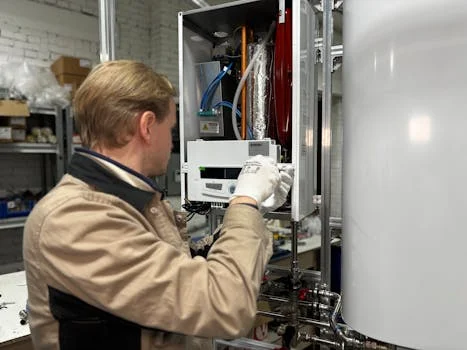
Supply voltage outside ±10% of nominal drives erratic corona discharge and extra harmonic stress on the high-frequency transformer. If the unit is dark with no display, check the main fuse and input voltage first—typically 220 V single-phase or 380 V three-phase on industrial frames. Blown fuses often signal a high-voltage short or a failed bridge rectifier.
If power returns but ozone never starts, venturi vacuum switch adjustment is the usual fault. Most industrial generators need at least 15 inHg vacuum at the venturi to close the safety interlock and energize the corona cell. Low vacuum points to a clogged injector or a weak booster pump. That interlock stops ozone production when no water flow can carry the gas away, which would otherwise build unsafe pressure in the gas line.
Intermittent trips without a clear code often mean moisture on the control board or a loose ground. High-humidity rooms allow PCB tracking and phantom signals. Keep the cabinet sealed and confirm any cabinet heater still works. On PLC systems, watch vacuum and thermal interlock inputs to see which signal drops. The same sensor-first logic helps when finding data-driven solutions for common package plant issues.
What ozone generator specifications matter most?
Ozone generator specifications that decide plant fit are rated g/h or kg/h output, feed-gas type (air, PSA oxygen, or LOX), maximum ozone concentration, cooling method, and required dew-point limit. Match output to peak demand plus a margin for derating at high ambient temperature. Confirm the skid can hold oxygen purity >90% O₂ when PSA is used, and that interlocks cover vacuum, thermal, and door safety. For tank and process disinfection packages, review the Ozone Generator & Water Tank Sterilization System against your flow, contact time, and residual targets before locking the purchase spec.
What drives industrial ozone generator water treatment cost?
Industrial ozone generator water treatment cost is driven by generator capacity, oxygen supply method, contactor and off-gas destroyer scope, and spare corona-cell inventory. Power draw rises with wet feed gas and dirty cooling fins because the unit works harder for less dissolved dose. Most plants we size for mid-range industrial duty spend more over five years on sieve beds, tubing, and filters than on the first cabinet purchase. Budget annual calibration of UV analyzers and dew-point meters; bad sensors hide output loss until product quality already slips.
Preventive Maintenance Schedule and Best Practices
Structured preventive maintenance cuts unplanned ozone downtime by about 65% versus run-to-fail practice on industrial skids. Replace air filters and desiccant before they damage corona cells downstream. In dusty or humid rooms, shorten semi-annual intervals to quarterly.
Pull corona discharge cells for inspection every 12 months. If the dielectric shows discoloration or white/brown nitrogen-oxide powder, clean gently with 99% isopropyl alcohol and a lint-free cloth. Dry the cell fully before reinstall; residual moisture arcs at once. Calibrate ozone concentration sensors every 12 months against a certified gas standard so automated logic runs on real data. That same measurement discipline supports industrial sand filter troubleshooting with measurable results across the broader treatment train.
| Component | Maintenance Interval | Action Required | Expected Lifespan |
|---|---|---|---|
| Air Filters | 6 Months | Replace elements | N/A |
| Desiccant/Sieve Bed | 10,000 Hours | Replace molecular sieve | 2–3 Years |
| Corona Discharge Cell | 12 Months | Clean and inspect | 15,000–20,000 Hours |
| Ozone Tubing (PTFE) | 24 Months | Full replacement | 2 Years |
| Check Valves | 12 Months | Test and replace seals | 1–2 Years |
Follow lockout-tagout (LOTO) before opening the cabinet. High-voltage transformers can hold a lethal charge after power is removed. Discharge capacitors per the manufacturer procedure before touching any electrical leads.
Who This Is For and Next Step
This guide is for plant engineers, EPC contractors, and maintenance leads who already run corona-discharge ozone on process or wastewater streams. Teams shopping only for laboratory or residential units should look elsewhere. If your symptoms match low output, heat trips, or ambient ozone above 0.1 ppm, send duty data and fault logs through our request a quote form so a process engineer can map the next measurement and part swap.
Frequently Asked Questions
What causes low ozone output in water treatment systems?
Low output usually comes from wet feed gas (dew point > −40°C) that forms nitric acid in the cell, or from oxygen purity falling below 90% O₂ at the concentrator. Confirm concentration with a calibrated UV analyzer before changing parts. Then check dryer dew point, sieve-bed condition, filter pressure drop above 7 psi, and supply voltage within ±10%. Fixing feed-gas dryness restores yield faster than replacing a still-healthy corona cell in most plants.
How do you test for ozone generator leaks safely?
Use a handheld ozone monitor first to locate the highest ambient zone, then isolate the generator if readings approach 0.1 ppm. Apply soap solution to fittings, valves, and manifolds under slight positive pressure to find bubble sites. In a dark room, a UV flashlight can show faint fluorescence at micro-leaks in tubing. Wear respiratory protection suited to the measured concentration, and keep personnel clear until ambient ozone returns below the workplace limit.
How often should ozone generator filters be replaced?
Replace standard industrial air filters every 6 months under normal dust loading. Move to quarterly changes in dusty or high-humidity rooms so pressure drop stays below 7 psi. Pair filter work with dryer and sieve checks, because a clogged filter starves flow and can trip vacuum interlocks. Log differential pressure each month so you replace elements on measured restriction, not only on the calendar.
Can moisture damage an ozone generator?
Yes. Moisture is the leading cause of premature corona-cell failure on air- or oxygen-fed industrial units. Water vapor plus nitrogen forms nitric acid that corrodes dielectrics, raises arcing risk, and can cut ozone yield by 50% or more as dew point rises. Hold feed-gas dew point below −60°C where possible, and service dryers immediately if readings climb above −40°C. Dry oxygen feed further reduces nitric acid risk compared with moist air.
What is the lifespan of a corona discharge cell?
Under dry feed gas and proper cooling, a high-quality corona discharge cell typically lasts 15,000–20,000 operating hours before replacement. Inspect cells every 12 months for discoloration, powder deposits, or dielectric cracks. Wet feed gas, ambient temperatures above 35°C without derating, and blocked cooling fins shorten that life sharply. Track run hours and dew-point alarms together so you order spares before a hard failure stops disinfection.