Industrial wastewater treatment in Maputo requires high-efficiency, modular systems due to urban water stress and growing industrial demand. With the city’s population at 2.5 million and the Infulene plant serving municipal needs, industries must treat effluent on-site. Technologies like DAF (90–95% TSS removal), MBR (99% BOD removal), and chemical dosing are critical for compliance with future NAMAWASO standards and water reuse in urban agriculture.
Why Industrial Wastewater Treatment Is Critical in Maputo
Maputo faces a structural mismatch between water demand and supply, with the city relying on water transported from dams up to 100 km away to service its 2.5 million inhabitants (NWO, 2021). This reliance on distant water sources creates a high-risk environment for industrial continuity, as the capital has already experienced "Day Zero" scenarios where municipal supply failed. For facility managers, the inability to secure a reliable water source means that reclaiming process water is no longer a sustainability goal—it is a business necessity. The Infulene Wastewater Treatment Plant, which was inaugurated in May 2023, primarily addresses municipal sewage, leaving the burden of industrial effluent management directly on the factories themselves.
The urgency is further compounded by the city's reliance on urban agriculture. Thousands of small-scale farmers in Maputo’s peri-urban zones use reclaimed water to irrigate crops. When industries discharge untreated wastewater into local drainage basins, they introduce heavy metals, oils, and pathogens into the food supply chain. This creates a significant public health liability for manufacturers. Research from the Urbanising Deltas of the World programme highlights that domestic-to-agricultural reuse is already happening; however, without industrial-grade treatment, the risk of soil salinization and toxic accumulation remains high. By deploying advanced treatment systems, industries can pivot from being polluters to being water suppliers for local irrigation, potentially reducing their freshwater intake by 60-70% through internal recycling loops.
Key Industrial Sectors Driving Wastewater Challenges
The manufacturing sector in Mozambique is dominated by the food and beverage, textile, metalworking, and pharmaceutical sectors, each presenting unique chemical and biological oxygen demand (COD/BOD) profiles. In Maputo’s industrial corridors, medium-sized factories typically generate between 20 and 100 m³ of wastewater per day. Managing this volume requires a clear understanding of the specific pollutants involved. For instance, food processing plants—including those handling poultry and vegetable oils—produce effluent with high concentrations of Fats, Oils, and Grease (FOG), often ranging from 500 to 2,000 mg/L. These levels far exceed municipal discharge limits and require primary treatment via dissolved air flotation to prevent clogging of downstream biological processes.
The textile dyeing industry presents a different challenge, characterized by high suspended solids (up to 1,200 mg/L) and complex synthetic dyes that are resistant to natural degradation. Effective management in this sector requires a combination of coagulation-flocculation and advanced filtration to remove color and toxic chemical residues. Metalworking facilities near the Port of Maputo produce wastewater laden with heavy metals and cutting fluids, necessitating pH adjustment and chemical precipitation. Maputo’s industrial zones often lack centralized treatment infrastructure, so these sectors must implement decentralized, high-performance systems that can handle fluctuating flow rates and pollutant loads without requiring a large onsite footprint.
Proven Technologies for Industrial Wastewater in Maputo
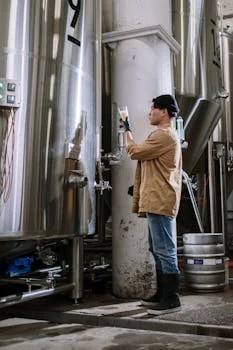
Selecting the right technology depends on the influent characteristics and the desired reuse quality. For primary treatment, a high-efficiency DAF system for FOG and TSS removal is the industry standard in Maputo’s food processing sector. The DAF line utilizes micro-bubble aeration (bubbles sized 20–50 μm) to float solids to the surface for mechanical skimming. This process removes up to 95% of suspended solids and is particularly effective for removing emulsified oils that traditional gravity separators miss. For factories requiring high-clarity effluent for cooling or irrigation, a compact MBR system for high-quality effluent and water reuse is often the most viable secondary treatment. MBR technology combines biological degradation with PVDF membrane filtration (0.1 μm pore size), ensuring 99% BOD removal and a footprint up to 50% smaller than conventional activated sludge systems.
To maintain consistent effluent quality despite fluctuating raw water chemistry, a fully automated chemical dosing system is essential. These systems precisely inject coagulants like alum or ferric chloride based on real-time flow and pH sensors, reducing chemical waste by up to 20% (HydropureWater field data, 2025). A chlorine dioxide generator for on-site disinfection provides a safer and more effective alternative to liquid chlorine. Chlorine dioxide (ClO₂) does not produce harmful bromates or trihalomethanes, making it the preferred choice for factories discharging near agricultural land or sensitive urban aquifers.
| Technology | Primary Target Pollutants | Removal Efficiency | Best Use Case in Maputo |
|---|---|---|---|
| DAF | FOG, TSS, Insoluble COD | 90–95% TSS / 85% FOG | Food processing, Slaughterhouses |
| MBR (Membrane Bioreactor) | BOD, COD, Bacteria | 99% BOD / 95% COD | Water reuse, Textiles, Pharma |
| Chemical Dosing | pH, Heavy Metals, Color | Variable (Targeted) | Metalworking, Dyeing plants |
| ClO2 Generation | Pathogens, Biofilm | 99.99% Microbial kill | Final disinfection for irrigation |
Modular vs Permanent Treatment: What Works Best in Maputo
Deciding between a permanent concrete treatment plant and a modular system is a critical choice for EPC contractors and facility owners in Maputo. Traditional reinforced concrete plants often require 12 to 18 months for design, permitting, and construction. In contrast, containerized or modular systems can be deployed in as little as 4 to 8 weeks. This speed is vital for industries located in rapidly developing zones like Chamanculo C or Aeroporto-B, where production must often scale faster than local infrastructure can support. Modular systems offer a 30% reduction in CAPEX and a 25% reduction in OPEX due to the elimination of heavy civil engineering works and the inclusion of factory-pre-tested automation (HydropureWater field data, 2025).
For facilities with limited surface area, a fully automated underground treatment unit for factories and clinics provides a discreet and space-saving solution. These WSZ series plants are buried, protecting the equipment from the high humidity and potential flooding common in Maputo’s coastal environment. This underground configuration also provides an extra layer of security against theft and vandalism in high-risk urban areas. When comparing deployment time, cost, and maintenance of modular vs concrete plants, the modular approach consistently wins on flexibility, allowing factories to add treatment capacity in "blocks" as their production volume increases.
| Feature | Modular/Containerized System | Permanent Concrete Plant |
|---|---|---|
| Deployment Time | 4–8 Weeks | 12–18 Months |
| Construction Cost | Low (Pre-fabricated) | High (Civil works, labor) |
| Footprint | Compact (Stackable) | Large, fixed area |
| Climate Resilience | High (Corrosion-resistant steel) | Moderate (Prone to cracking) |
| Operational Ease | Fully Automated | Requires skilled onsite labor |
Meeting Future Compliance and Reuse Standards
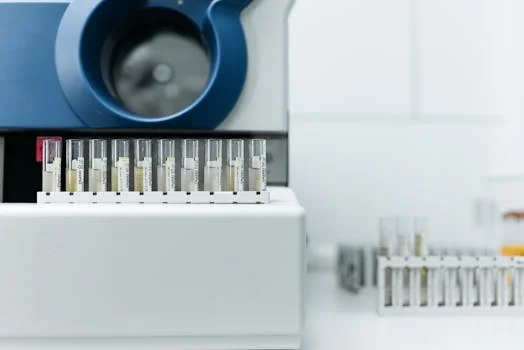
Mozambique’s current industrial effluent regulations are evolving, with the National Water and Sanitation Agency (NAMAWASO) and World Bank-funded projects like P171449 signaling a rapid shift toward international standards. Future discharge permits are expected to align with WHO and EU guidelines, targeting limits such as BOD <30 mg/L, COD <100 mg/L, and TSS <50 mg/L. For companies planning long-term investments, it is essential to master EIA requirements for industrial projects in Mozambique early in the design phase. Proactive compliance avoids future fines and qualifies businesses for green financing and international sustainability certifications.
Beyond compliance, the economic case for water reuse in Maputo is compelling. Treated effluent that meets MBR and ClO₂ disinfection standards can be safely used for industrial cooling, dust suppression, and landscape irrigation. In a city where water costs are rising and supply is intermittent, a factory that recycles its own water gains a massive competitive advantage. By treating wastewater to a high standard, industries can reduce their reliance on the municipal grid by up to 70%, effectively "drought-proofing" their operations. To accurately budget for these upgrades, facility managers should get real 2025 pricing data by capacity and technology to ensure their investment provides the highest possible return on investment (ROI) through saved water utility fees.
Frequently Asked Questions
What industries generate the most wastewater in Maputo?
Food processing (beverages, snacks, meat), textile dyeing, and metal fabrication are the primary contributors. These industries produce high organic loads and chemical pollutants that require specialized treatment beyond standard septic systems.Are there industrial wastewater treatment plants in Maputo currently?
Maputo does not have a centralized industrial wastewater plant. The Infulene plant handles municipal sewage. Factories are legally responsible for treating their own effluent before discharge into the environment or municipal sewers.How much does a 50 m³/day industrial wastewater system cost?
Based on 2025 B2B pricing, a complete system including DAF, MBR, and disinfection typically ranges from $85,000 to $120,000. This includes modular equipment and automation, with a delivery timeline of 6–8 weeks.Can treated wastewater be reused for farming in Maputo?
Yes. Effluent treated through MBR and chlorine dioxide disinfection meets the microbial and chemical standards required for urban agriculture and industrial cooling, significantly reducing freshwater demand.What is the best system for limited factory space?
Containerized MBR systems or underground WSZ package plants are ideal. They offer a 60% smaller footprint than traditional settling tanks and can be installed in parking lots or unused corners of a facility.