Industrial Wastewater Treatment in Massachusetts: 2025 Compliance Blueprint, Costs & Zero-Risk Equipment Guide
Massachusetts industrial wastewater treatment is governed by MassDEP’s 314 CMR 5.00 regulations, which apply to 22 SIC code ranges (e.g., 2000–3999 for manufacturing) and prohibit discharges to septic systems without approval. In 2025, facilities must comply with stricter limits for PFAS (<10 ppt), heavy metals (e.g., copper <1.3 mg/L), and TSS (<30 mg/L). Treatment costs range from $50K for small chemical dosing systems to $2M+ for zero liquid discharge (ZLD) plants, with payback periods of 2–5 years via reduced surcharges and regulatory penalties.
Massachusetts Industrial Wastewater Regulations: SIC Codes, Limits & Enforcement in 2025
MassDEP’s 314 CMR 5.00 regulations apply to a broad spectrum of industrial operations across Massachusetts, encompassing 22 specific Standard Industrial Classification (SIC) code ranges. Facilities falling under these codes, such as manufacturing plants (SIC 2000–3999) or hospitals (SIC 8062–8069), are subject to stringent wastewater discharge and treatment standards. For example, a meat packing plant (SIC 2011) must manage its high biological oxygen demand (BOD) and fats, oils, and grease (FOG) discharges, while an electronics manufacturer (SIC 3674) faces strict limits on heavy metals and potentially PFAS. Understanding your specific SIC code is the first step in navigating the complex landscape of MassDEP industrial wastewater permits.
Key 2025 compliance limits for industrial wastewater in Massachusetts include a total suspended solids (TSS) effluent concentration of less than 30 mg/L, FOG limits typically below 100 mg/L, and specific heavy metal concentrations such as copper below 1.3 mg/L. A significant emerging challenge is the MassDEP PFAS limits for industrial wastewater, with proposed thresholds below 10 parts per trillion (ppt) for per- and polyfluoroalkyl substances, which will necessitate advanced treatment for many facilities. MassDEP’s 2024 enforcement report highlighted the agency's commitment to compliance, citing 127 violations with an average penalty of $18,000, underscoring the financial risks of non-compliance.
A critical MassDEP regulation prohibits discharging industrial wastewater to conventional septic systems, innovative/alternative (I/A) systems, or cesspools unless specifically approved by MassDEP under 310 CMR 15.004(4). On-site systems must instead utilize industrial holding tanks that meet specific requirements, including robust secondary containment capable of holding 110% of the tank volume and continuous leak detection systems. Facilities discharging to municipal wastewater treatment plants (WWTPs), such as those connected to the Massachusetts Water Resources Authority (MWRA) or local systems like South Hadley, must also adhere to local pretreatment program requirements. These local limits often impose additional restrictions, such as South Hadley’s 5 mg/L phosphorus limit, which can vary based on the receiving WWTP's capacity and environmental sensitivities. For a detailed comparison, facilities can review how Georgia’s industrial wastewater regulations compare to Massachusetts.
| SIC Code Range | Industry Description | Example Facilities |
|---|---|---|
| 1000-1399 | Metal Mining, Coal Mining, Oil & Gas Exploration | Sand & Gravel Pits, Quarries |
| 1474-1499 | Chemical/Fertilizer Mining, Nonmetallic Minerals | Salt Mines, Clay & Ceramic Producers |
| 2000-3999 | Manufacturing | Food Processing (2011), Textile Mills (2200), Chemical Production (2800), Electronics (3600) |
| 4231 | Maintenance Facilities for Motor Freight Transport | Trucking Terminals, Bus Depots |
| 4581 | Airports, Flying Fields & Airport Terminal Service | Airport Maintenance Hangars, Aircraft De-icing Operations |
| 4911-4939 | Electric and Gas Production | Power Generation Plants, Gas Processing Facilities |
| 4953 | Refuse Systems | Landfill Leachate Treatment, Waste Transfer Stations |
| 7216 | Drycleaning (except rug cleaning) | Commercial Dry Cleaners |
| 7217 | Carpet & Upholstery Cleaning | Industrial Carpet Cleaners |
| 7218 | Industrial Laundries | Commercial Uniform & Linen Services |
| 7384 | Photofinishing Laboratories | Commercial Photo Labs |
| 7532-7539 | Automotive Repair Shops & Paint Shops | Car Repair Garages, Body Shops |
| 7549 | Automotive Services | Car Washes, Lube Stations |
| 7819 | Motion Picture Developing /Printing/Film Processing | Film Studios, Processing Facilities |
| 8062-8069 | Hospitals | Medical Centers, Acute Care Facilities |
| 8071 | Medical Laboratories | Pathology Labs, Diagnostic Centers |
| 8072 | Dental Laboratories | Prosthetic & Orthodontic Labs |
| 8731 | Commercial Physical & Biological Research | Biotech R&D Facilities, Pharmaceutical Labs |
Treatment Technology Selection: DAF vs. MBR vs. Chemical Dosing for Massachusetts Pollutants
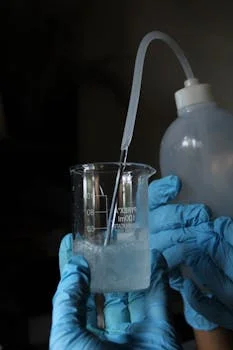
Selecting the optimal industrial wastewater treatment technology in Massachusetts hinges on specific pollutant profiles, effluent quality targets, and site constraints. Each technology excels in managing particular contaminants, offering distinct advantages for manufacturers aiming to achieve compliance and potentially facilitate water reuse.
Dissolved Air Flotation (DAF) systems are exceptionally effective for removing fats, oils, and grease (FOG), total suspended solids (TSS), and emulsified oils, achieving 95%+ FOG removal and 92–97% TSS removal. DAF technology works by saturating wastewater with air under pressure, then releasing the pressure, causing microscopic bubbles to form. These bubbles attach to suspended particles, lifting them to the surface for mechanical skimming. For instance, Clean Harbors data indicates that DAF effectively removes 90% of emulsified oils at influent concentrations ranging from 50–500 mg/L (per Clean Harbors, Top 4 search result). This makes DAF systems for Massachusetts FOG and TSS removal ideal for food processing, rendering, and automotive industries. Facilities can explore how DAF clarifiers remove 95%+ FOG in food processing to understand detailed application benefits. HydropureWater offers advanced Dissolved Air Flotation (DAF) systems designed for high-efficiency pollutant removal.
Membrane Bioreactor (MBR) systems are ideal for facilities requiring high-quality effluent, often suitable for water reuse and discharge to sensitive environments, particularly beneficial for Massachusetts manufacturers with tight space constraints. MBR technology integrates biological treatment with membrane filtration, producing effluent with a very low turbidity (<1 μm) and chemical oxygen demand (COD) typically below 50 mg/L. MBR systems are available in flat-sheet and hollow-fiber membrane configurations, with energy consumption ranging from 0.4–0.8 kWh/m³, depending on the membrane type and operational parameters. They are particularly effective for biochemical oxygen demand (BOD) and nutrient removal. HydropureWater provides robust MBR systems for Massachusetts water reuse and tight space constraints.
Chemical dosing is a versatile and often foundational treatment step, primarily used for pH adjustment, heavy metal precipitation, and enhanced coagulation. Coagulants such as polyaluminum chloride (PAC) or ferric chloride are used to destabilize colloidal particles and facilitate the removal of heavy metals, while polymers improve floc formation and sludge dewatering. The cost of chemical dosing can range from $0.10–$0.30/m³ depending on chemical type and dosage. For effective copper removal, pH adjustment to an alkaline range of 8.5–9.5 is critical to precipitate copper hydroxides. This method is often integrated with other technologies to optimize overall treatment efficiency, especially for PCB heavy metal wastewater treatment for Massachusetts electronics manufacturers. HydropureWater offers precise chemical dosing for Massachusetts heavy metal removal with automated systems.
Case Study: A Massachusetts food processor (SIC 2013) faced substantial surcharges due to high FOG and TSS in their discharge to a municipal sewer. By implementing a DAF system, the facility successfully reduced influent FOG from 1,200 mg/L to below 50 mg/L, and TSS from 600 mg/L to less than 30 mg/L. This improvement led to a reduction in annual surcharges by $65,000, demonstrating a clear return on investment through optimized industrial wastewater treatment in Massachusetts.
| Technology | Primary Pollutants Addressed | Typical Removal Efficiency | Key Advantages | Best Applications for MA Manufacturers |
|---|---|---|---|---|
| Dissolved Air Flotation (DAF) | FOG, TSS, Emulsified Oils, Light Suspended Solids | FOG: 95%+; TSS: 92-97% | High FOG/TSS removal, robust for variable loads, quick startup | Food & Beverage (SIC 20xx), Metal Finishing (3471), Automotive (75xx) |
| Membrane Bioreactor (MBR) | BOD, COD, TSS, Nutrients, Bacteria, Viruses | BOD/COD: 95%+; TSS: <1 mg/L; Turbidity: <0.1 NTU | High effluent quality (reuse potential), compact footprint, stable operation | Pharmaceutical (SIC 283x), Biotech (8731), High-Tech Manufacturing (36xx) |
| Chemical Dosing | Heavy Metals, pH Adjustment, Phosphorus, Enhanced Coagulation | Metals: 90-99%; Phosphorus: 80-95%; pH: Precise control | Targeted pollutant removal, cost-effective for specific contaminants, flexible | Metal Finishing (SIC 3471), Chemical Manufacturing (28xx), Printed Circuit Boards (3674) |
Cost Breakdown: CAPEX, OPEX & ROI for Massachusetts Industrial Wastewater Systems
Understanding the full financial commitment for industrial wastewater treatment in Massachusetts involves evaluating both capital expenditures (CAPEX) and operational expenditures (OPEX), along with the potential for return on investment (ROI). These factors are critical for manufacturers to budget effectively and justify investments to stakeholders.
Capital expenditures for on-site industrial wastewater treatment systems in Massachusetts typically range from $150–$500 per cubic meter per day (m³/day) of treatment capacity. For example, a 50 m³/day MBR system, suitable for a medium-sized manufacturing plant, can incur a CAPEX of approximately $250,000, covering equipment, installation, and initial engineering. Conversely, off-site disposal through third-party services like Clean Harbors can range from $0.50–$2.00 per gallon, making on-site treatment a more economically viable long-term solution for consistent, higher-volume discharges. Costs for industrial holding tanks in MA regulations must also be factored in for facilities opting for off-site disposal or temporary storage.
Operational expenditures (OPEX) are primarily driven by energy consumption, chemical usage, and labor. Energy usage for treatment systems varies significantly; for instance, MBR systems consume 0.3–1.2 kWh/m³, while DAF systems typically require less. Chemical costs, particularly for coagulants and polymers in chemical dosing systems, can range from $0.10–$0.50/m³. Labor requirements for automated systems are relatively low, often 1–4 hours per week for monitoring and maintenance, but increase for more manual operations. According to MassDEP’s 2024 O&M report, the average OPEX for DAF systems in Massachusetts is approximately $0.22/m³, highlighting the efficiency of these systems.
Calculating the return on investment (ROI) demonstrates the long-term financial benefits of investing in an on-site treatment system. For example, a Massachusetts metal finisher (SIC 3471) installed a $450,000 DAF system to reduce heavy metals and TSS. Prior to installation, the facility faced annual surcharges and fines totaling $140,000. Post-installation, with significantly improved effluent quality, these costs were eliminated, resulting in a payback period of approximately 3.2 years. This ROI calculation does not even factor in the intangible benefits of enhanced environmental stewardship and reduced regulatory risk, including potential MassDEP enforcement penalties 2025.
Beyond direct CAPEX and OPEX, facilities must account for several hidden costs associated with industrial wastewater treatment in Massachusetts. These include permitting fees ($5,000–$20,000 for various MassDEP permits), ongoing compliance testing ($1,000–$5,000 per year for laboratory analyses of discharge samples), and potential costs related to MassDEP inspections ($2,000–$10,000 per audit for site visits and follow-up actions). These costs underscore the importance of comprehensive planning for industrial wastewater treatment in Massachusetts USA.
| Cost Category | Example for 50 m³/day System (approx. 13,200 GPD) | Typical Range (Massachusetts) | Notes |
|---|---|---|---|
| CAPEX (Capital Expenditure) | |||
| DAF System (50 m³/day) | $180,000 - $300,000 | $150 - $400/m³/day | Includes equipment, installation, engineering |
| MBR System (50 m³/day) | $250,000 - $450,000 | $200 - $500/m³/day | Higher for advanced membrane types and reuse-grade effluent |
| Chemical Dosing System | $50,000 - $100,000 | $20 - $100/m³/day | Typically integrated with other systems; cost varies by complexity |
| Industrial Holding Tanks | $10,000 - $50,000+ | $0.50 - $2.00/gallon (off-site disposal) | Depends on volume, material, secondary containment requirements |
| OPEX (Operational Expenditure) | |||
| Energy Consumption | $0.05 - $0.25/m³ | 0.3 - 1.2 kWh/m³ | Varies by technology (MBR generally higher than DAF) and electricity rates |
| Chemicals | $0.10 - $0.50/m³ | $0.10 - $0.50/m³ | Depends on pollutant load, chemical type, and dosage |
| Labor (Automated Systems) | $0.02 - $0.10/m³ | 1 - 4 hrs/week | For monitoring, minor maintenance; higher for manual systems |
| Sludge Disposal | $0.15 - $0.40/m³ | $50 - $200/ton (wet basis) | Significant cost driver; varies by sludge volume, dewaterability, and hazardous classification |
| Other Costs | |||
| Permitting Fees | $5,000 - $20,000 | MassDEP eDEP system fees | Initial application and renewal fees |
| Compliance Testing | $1,000 - $5,000/year | Lab analysis for regulated parameters | Quarterly or monthly sampling, depending on permit |
| MassDEP Inspections/Audits | $2,000 - $10,000 (per audit) | Potential fines for violations | Costs for staff time, potential corrective actions |
Step-by-Step Compliance Checklist for Massachusetts Facilities in 2025
Achieving and maintaining compliance with MassDEP industrial wastewater regulations requires a structured approach. This checklist provides a clear, actionable roadmap for Massachusetts facilities to navigate the regulatory landscape and implement effective wastewater treatment solutions by 2025.
- Step 1: Identify SIC Code and MassDEP Limits. Begin by accurately identifying your facility’s Standard Industrial Classification (SIC) code, which dictates applicable regulations under 314 CMR 5.00. Refer to the table in Section 1 to confirm your SIC code and the corresponding MassDEP industrial wastewater permits and discharge limits. For example, a facility categorized under SIC 2869 (industrial organic chemicals) must meet specific effluent quality targets, including a maximum chemical oxygen demand (COD) of 500 mg/L, in addition to general TSS and FOG limits.
- Step 2: Conduct Wastewater Characterization. Perform a comprehensive analysis of your facility's wastewater to determine its chemical and physical properties. This involves sampling for key parameters such as TSS, FOG, BOD, COD, pH, heavy metals (e.g., copper, lead, zinc), and critically, emerging contaminants like PFAS, especially given the impending Massachusetts PFAS limits for industrial wastewater. Utilize MassDEP-approved laboratories, such as Alpha Analytical, to ensure accurate and defensible data. This characterization informs the selection of appropriate treatment technologies.
- Step 3: Select Treatment Technology. Based on your wastewater characterization and effluent targets, select the most suitable treatment technology or combination of technologies. Use the decision framework from Section 2 to match your pollutant profile with effective solutions (e.g., DAF for high FOG, MBR for water reuse, chemical dosing for heavy metals). When engaging vendors, issue a detailed Request for Proposal (RFP) that explicitly asks for 5-year OPEX estimates, pollutant removal guarantees, and system footprints to compare MBR vs DAF for Massachusetts manufacturers comprehensively.
- Step 4: Submit Permit Application. Prepare and submit the necessary industrial wastewater permit application through MassDEP’s eDEP system. This process typically requires detailed engineering plans, a description of your treatment process, and a wastewater management plan. The timeline for permit approval can range from 90 to 180 days, and application fees typically fall between $1,000 and $10,000, depending on the complexity of the discharge and the type of permit (e.g., ground water discharge, sewer connection approval).
- Step 5: Install Holding Tanks or Treatment Systems. Proceed with the installation of industrial holding tanks or the chosen wastewater treatment systems. Ensure all installations comply with MassDEP's design and construction requirements, particularly for industrial holding tanks MA regulations. This includes mandating secondary containment systems capable of holding 110% of the primary tank volume, continuous leak detection, and proper venting. MassDEP conducts inspections to verify compliance with these specifications before commissioning, ensuring operational integrity and environmental protection.
Frequently Asked Questions
Q: What are the penalties for non-compliance with MassDEP industrial wastewater regulations?
A: MassDEP fines for non-compliance range from $1,000 to $25,000 per violation, with daily penalties for ongoing issues as stipulated in 314 CMR 5.10. In 2024, MassDEP cited 127 facilities for violations, imposing an average penalty of $18,000. These MassDEP enforcement penalties 2025 emphasize the financial risk of failing to meet regulatory standards.
Q: What is MassDEP's 314 CMR 5.00 regulation, and who does it apply to?
A: MassDEP's 314 CMR 5.00 is the primary regulation governing industrial wastewater treatment in Massachusetts. It applies to facilities across 22 specific SIC code ranges, including manufacturing (2000–3999), hospitals (8062–8069), and certain service industries. The regulation aims to protect surface waters, groundwater, and sewer systems from industrial pollutants.
Q: Do I need a permit if I discharge my industrial wastewater to a municipal sewer system?
A: Yes, facilities discharging to a municipal sewer system must comply with local pretreatment program requirements, which are often overseen by the municipal wastewater treatment plant (e.g., MWRA). This typically involves obtaining a local discharge permit and meeting specific local limits for pollutants like phosphorus, FOG, and heavy metals, in addition to MassDEP's general requirements.
Q: How often do I need to test my industrial wastewater, and what parameters are checked?
A: Wastewater testing frequency depends on your specific MassDEP industrial wastewater permits and local discharge limits, typically ranging from monthly to quarterly. Parameters checked include TSS, FOG, BOD, COD, pH, heavy metals (e.g., copper, lead, chromium), and increasingly, PFAS. Regular testing ensures ongoing compliance and helps identify potential treatment system issues.
Q: What are the cost implications of implementing new industrial wastewater treatment technology in Massachusetts?
A: Implementing new treatment technology involves significant costs, including capital expenditures (CAPEX) for equipment and installation (e.g., $150–$500/m³/day capacity) and operational expenditures (OPEX) for energy, chemicals, and labor ($0.10–$0.50/m³). However, these investments often yield substantial returns through reduced surcharges, avoided MassDEP enforcement penalties, and potential water reuse savings.
Further Reading
Explore these in-depth articles on related wastewater treatment topics: