Rotterdam’s Industrial Wastewater Challenges and Regulatory Framework
Rotterdam hosts Europe’s largest petrochemical cluster, generating high-salinity, FOG-laden, and chemically complex wastewater streams that overwhelm standard municipal systems. Compliance is non-negotiable: the EU Urban Wastewater Treatment Directive 91/271/EEC mandates secondary treatment with >75% BOD/COD removal and strict nutrient limits for direct dischargers. The Netherlands enforces this through rigorous discharge permits; non-compliance in zones like Botlek and Pernis risks substantial fines or production halts. Many on-site industrial WWTPs, dating to the 1970s, are now end-of-life, creating urgent demand for modern, modular solutions that can be deployed without major shutdowns. For a detailed breakdown of the legal drivers, see our article on how the revised EU Urban Wastewater Directive impacts industrial dischargers.
The complexity of the wastewater streams results from the diverse industrial activities concentrated in the port area. Beyond petrochemicals, industries such as food processing (particularly edible oils), logistics, and metal finishing contribute to a challenging mix of pollutants, including heavy metals, hydrocarbons, and persistent organic compounds. A multi-barrier treatment approach is necessary. The Water Board of Rijnland, the primary regulatory authority, issues site-specific discharge permits that are often stricter than the EU baseline, requiring advanced treatment technologies to meet limits on parameters like total nitrogen (TN < 10 mg/L) and total phosphorus (TP < 1 mg/L). The financial risk of non-compliance is significant, with fines starting at €25,000 for minor violations and escalating rapidly for persistent breaches, alongside the operational risk of being forced to curtail production.
DAF Systems for FOG and Suspended Solids Removal
Dissolved Air Flotation (DAF) removes 90–97% of FOG and TSS from petrochemical and food processing wastewater, making it the preferred primary treatment for Rotterdam’s oily effluents. HydropureWater’s DAF systems handle flows from 4–300 m³/h using micro-bubble aeration and automatic skimming for consistent performance. Proven in sectors like edible oils and petrochemicals—both dominant in the port area—these units have a compact footprint that allows for integration into space-constrained sites without extensive civil works. This makes them ideal for facilities needing to upgrade aging infrastructure quickly. Explore our high-efficiency DAF system for FOG and TSS removal for technical specifications.
A DAF system works by supersaturating a portion of the cleaned effluent with air under pressure. When this stream is introduced into the main flotation tank, the pressure is released, forming millions of micro-bubbles (20–100 microns in diameter) that attach to suspended solids and FOG droplets, causing them to float to the surface. An automatic scraper or skimmer then removes this buoyant layer of concentrated sludge. For optimal performance in Rotterdam's challenging waters, precise chemical conditioning is essential. A typical dosing regimen includes a coagulant like polyaluminium chloride (PACl) to neutralize charges on colloidal particles, followed by a flocculant (anionic polymer) to bridge the particles into larger, easier-to-float flocs. This chemical enhancement can boost removal rates to the upper end of the 90–97% range, ensuring downstream biological systems are protected from shock loads.
MBR Systems for High-Quality Effluent and Reuse
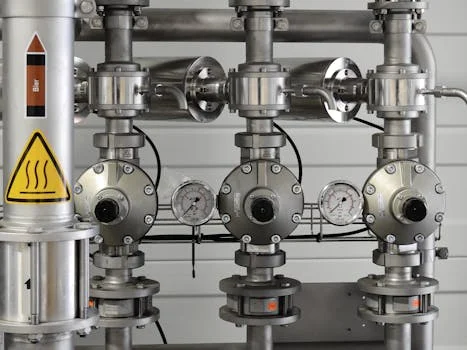
MBR systems combine activated sludge with 0.1 μm PVDF membrane filtration, delivering effluent with <1 NTU turbidity and achieving 95–98% COD and ammonia removal. This performance meets the tightest surface discharge standards and enables high-quality industrial water reuse, a growing priority in Botlek. Their footprint is 60% smaller than conventional activated sludge plants, a critical advantage for retrofit or expansion projects. HydropureWater’s DF series flat-sheet modules consume 10–20× less energy than cross-flow systems and allow for individual membrane replacement, minimizing lifecycle costs.
| Parameter | DF Series MBR Performance |
|---|---|
| COD Removal | 95–98% |
| NH3-N Removal | >95% |
| Effluent Turbidity | <1 NTU |
| Capacity Range | 5–200 m³/h |
| Footprint (vs. Conventional) | 60% smaller |
For projects requiring reuse-quality output, our compact MBR system for reuse-quality effluent provides a turnkey solution.
The MBR achieves superior performance through the physical barrier created by microfiltration or ultrafiltration membranes, which eliminates settling issues associated with conventional clarifiers. This allows operators to maintain a much higher concentration of mixed liquor suspended solids (MLSS) in the biological reactor—typically 8,000–12,000 mg/L compared to 2,000–4,000 mg/L in a conventional plant. This high biomass concentration enables more efficient degradation of complex pollutants and makes the system resilient to fluctuating influent loads, a common challenge in industrial settings. For reuse applications such as cooling tower make-up water or equipment washdown, the MBR effluent often only requires supplemental disinfection (e.g., UV or chlorine) and possibly a reverse osmosis (RO) step if total dissolved solids (TDS) need to be reduced, significantly lowering freshwater procurement costs.
Chemical Dosing and Sludge Management for Full Compliance
Automatic chemical dosing systems maintain pH stability and optimize coagulation in DAF or MBR processes. PLC-controlled systems precisely inject coagulants (e.g., ferric chloride) and pH adjusters, reducing chemical consumption by up to 30% compared to manual operation. Effective sludge management is equally vital; plate and frame filter presses achieve 60–70% solids concentration, drastically reducing disposal volume and cost. For high-flow applications, lamella clarifiers increase settling efficiency with surface loading rates of 20–40 m/h, which can cut chemical use by up to 30% by improving solids contact time. Learn about our automatic chemical dosing system and sludge dewatering equipment.
Modern chemical dosing systems use real-time sensor data, such as streaming current detectors and pH probes, to automatically adjust pump strokes and valve positions. This closed-loop control ensures the optimal coagulant dose is delivered even as wastewater composition changes throughout a production cycle, preventing both under-dosing (which leads to compliance failures) and over-dosing (which increases chemical costs and sludge volumes). On the sludge management side, the dewatered cake from a filter press represents a significant cost saving. For example, reducing sludge volume from 10 m³ of 2% solids slurry to 1 m³ of 60% solids cake cuts disposal volume by 90%, directly translating to lower haulage and landfill tipping fees. In some cases, this sludge may be further processed through anaerobic digestion for biogas production, turning a waste stream into an energy resource, though this depends on its calorific value and contaminant profile.
Technology Comparison: DAF vs MBR vs Chemical-Enhanced Treatment
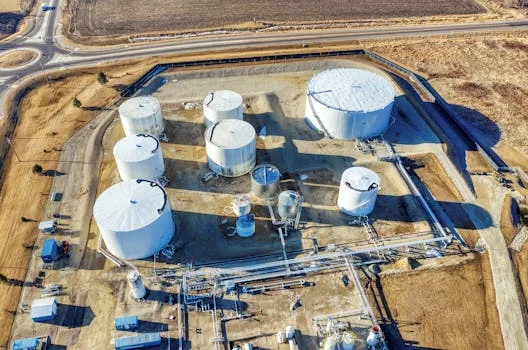
The choice of technology depends on wastewater characteristics, available space, and compliance goals. DAF excels as a primary treatment for high-FOG, high-TSS streams from refineries or edible oil plants. MBR is superior for achieving tertiary-quality effluent suitable for tight discharge limits or reuse, especially where space is limited. Chemical-enhanced treatment with lamella clarification offers a cost-effective solution for moderate loads or as pre-treatment before biological stages. For the most complex or variable streams, hybrid systems (e.g., DAF + MBR) provide maximum flexibility and reliability.
| Technology | Best For | Key Removal Efficiency | Footprint | Relative Capex (100 m³/h) |
|---|---|---|---|---|
| DAF | Oily wastewater, high TSS/FOG | 90–97% TSS/FOG | Moderate | €150,000–€250,000 |
| MBR | Reuse, tight ammonia/COD limits | 95–98% COD/NH3-N | Compact | €250,000–€400,000 |
| Chemical + Clarifier | Moderate loads, pre-treatment | 85–92% TSS, 60–75% COD | Large | €100,000–€180,000 |
When conducting a technology selection analysis, both Capital Expenditure (CapEx) and Operational Expenditure (OpEx) must be evaluated. While a lamella clarifier system may have the lowest upfront cost, it typically has the highest operational cost due to continuous chemical consumption and higher sludge handling expenses. Conversely, an MBR system commands a higher CapEx but can have a lower OpEx over time due to reduced chemical needs and the value generated from water reuse. A life-cycle cost analysis over 10–20 years often shows that advanced technologies offer better financial returns, especially when accounting for avoided non-compliance penalties. Pilot testing remains the most reliable method for selecting the optimal technology, as it provides real-world data on treatability and operational requirements specific to a facility's wastewater.
Frequently Asked Questions
What is the cost of industrial wastewater treatment in Rotterdam?
Small DAF systems (10 m³/h) start at €50,000; full MBR plants (100 m³/h) range €250,000–€400,000 including installation and commissioning (HydropureWater project data, 2025). Operational costs are highly variable but typically range from €0.50 to €2.00 per cubic meter of water treated, heavily influenced by electricity rates, chemical consumption, and sludge disposal fees.
Which industries in Rotterdam need advanced wastewater treatment?
Petrochemicals, PVC production, edible oils, and metal processing generate high-strength, complex effluents requiring specialized treatment like DAF, MBR, or chemical dosing. Other significant contributors include power plants, which produce flue gas desulfurization wastewater high in sulfates and chlorides, and logistics companies dealing with runoff from tank cleaning and yard washdown.
How does EU legislation impact wastewater treatment in Rotterdam?
The Urban Wastewater Treatment Directive (91/271/EEC) requires secondary treatment with nutrient control; local permits enforce these rules, and non-compliance risks enforcement action. The upcoming revised Directive is expected to place greater emphasis on micropollutant removal and energy efficiency, pushing industries toward advanced tertiary treatment stages like activated carbon filtration or advanced oxidation processes (AOPs).
Can modular systems meet Rotterdam’s discharge standards?
Yes—modern skid-mounted DAF, MBR, and chemical dosing units are engineered and certified to meet EU 91/271/EEC and specific local permit limits for direct discharge. Their pre-fabricated nature ensures consistent quality control, faster installation (often in weeks instead of months), and the flexibility to scale capacity up or down as production needs change.
Is sludge from industrial treatment recyclable?
Dewatered sludge cake (60–70% solids) can be incinerated for energy recovery or landfilled; some byproducts, like gypsum from flue gas desulfurization wastewater, are reusable. Research into more sustainable pathways is ongoing, including pyrolysis to create biochar or use as a co-substrate in cement kilns, though these options depend on strict quality controls to prevent contaminant release.