Why Abuja Hospitals Face Urgent Wastewater Treatment Risks
The 2025 assessment of the Abuja wastewater treatment plant (WWTP) revealed that 62.5% of confirmed Vibrio isolates in effluent were Vibrio cholerae, with 46.7% of those isolates carrying virulent cholera toxin genes. This data, published in a Springer Nature study, underscores a critical failure in conventional municipal treatment systems to neutralize healthcare-associated pathogens before they reach the Wupa River. For hospital facility managers in the Federal Capital Territory (FCT), this represents more than an environmental concern; it is a direct regulatory and public health liability. Untreated medical effluent serves as a reservoir for multi-drug resistant bacteria and enteric pathogens, which can survive and proliferate in Abuja’s high ambient temperatures.
Regulatory pressure from the Abuja Environmental Protection Board (AEPB) has intensified following reports of non-compliance across major healthcare facilities. In 2022, enforcement actions were initiated against hospitals failing to meet healthcare waste standards, as documented by ICIR Nigeria. Consider a hypothetical 200-bed hospital in Garki discharging approximately 40 m³/day of wastewater. Without dedicated on-site treatment, this effluent typically contains Chemical Oxygen Demand (COD) levels of 800 mg/L and E. coli concentrations exceeding 10⁶ CFU/100 mL. Such levels far exceed the permissible limits set by the AEPB, exposing the institution to heavy fines and potential closure.
Abuja’s specific environmental conditions further complicate wastewater management. The region's intermittent power supply can disrupt traditional aerobic treatment processes, while limited urban land in districts like Wuse and Garki makes large-scale lagoons or sprawling sedimentation tanks impractical. the rapid growth of the FCT population has placed immense pressure on the central sewage infrastructure, which was originally designed for a fraction of the current load. Consequently, hospitals must adopt compact, high-efficiency on-site treatment technologies that provide 99.9% pathogen removal to ensure compliance and protect the surrounding community from waterborne outbreaks.
Abuja FCT Hospital Wastewater: Influent Characteristics and Treatment Goals
Standard influent characteristics for hospitals in Abuja FCT typically range between 600 and 1,200 mg/L for COD and 300 to 600 mg/L for BOD, reflecting the high organic load generated by medical wards, laboratories, and laundry services. These values are compounded by significant concentrations of suspended solids and pathogenic microorganisms. Engineering a system for this environment requires a baseline understanding of these parameters to ensure the selected equipment can handle the peak loads, especially during the rainy season (April–October) when stormwater ingress can increase influent flow by 30–50%.
The AEPB 2023 draft regulations and WHO Guidelines for Drinking-water Quality (2022) provide the benchmarks for effluent safety. For a hospital to be considered compliant in Abuja, it must achieve a 99.9% removal rate for Vibrio cholerae and maintain E. coli levels below 1,000 CFU/100 mL. Additionally, the biochemical and chemical oxygen demands must be drastically reduced to prevent deoxygenation of receiving water bodies. The following table outlines the typical influent specs and the mandatory effluent limits required for compliance in the FCT.
| Parameter | Typical Influent (Abuja Hospital) | AEPB Effluent Limit (2023) | WHO Goal (Pathogen Removal) |
|---|---|---|---|
| COD (mg/L) | 600 – 1,200 | < 100 | N/A |
| BOD₅ (mg/L) | 300 – 600 | < 50 | N/A |
| TSS (mg/L) | 200 – 500 | < 10 | N/A |
| E. coli (CFU/100 mL) | 10⁵ – 10⁷ | < 1,000 | Log 3-4 Reduction |
| Vibrio cholerae | 10³ – 10⁵ CFU/mL | Non-detectable | 99.9% Removal |
| pH | 6.5 – 8.5 | 6.0 – 9.0 | N/A |
Seasonal variations in Abuja play a significant role in treatment efficacy. During the dry season, influent concentration is higher due to lower water usage for dilution, requiring robust biological treatment. Conversely, the rainy season introduces higher Total Suspended Solids (TSS) from runoff, which necessitates high-efficiency primary filtration or sedimentation to prevent clogging of downstream membranes or disinfection units. Meeting these standards ensures that hospital discharge does not contribute to the reservoir of pathogens identified in the Wupa River studies.
Treatment Process Design: Engineering Specs for Abuja Hospitals
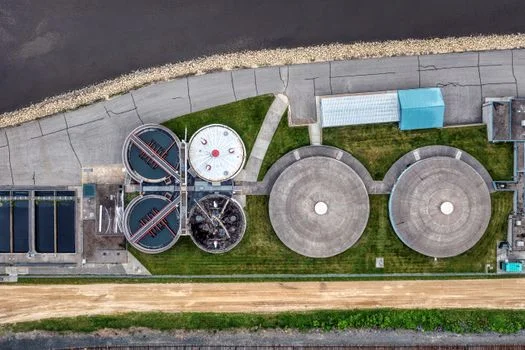
Engineering design for medical effluent in the FCT requires a multi-stage process capable of achieving a Log 3 reduction (99.9%) in enteric pathogens while managing high organic loads. The process begins with Stage 1: Pretreatment. Utilizing rotary mechanical bar screens (GX Series) is essential for removing 95% or more of macro-solids, such as rags, plastics, and medical disposables. This stage is vital for protecting downstream pumps and sensitive membrane surfaces from mechanical damage. Effective screening in Abuja hospitals prevents the frequent maintenance issues associated with domestic-grade sewage pumps.
Stage 2 involves primary treatment using high-efficiency sedimentation tanks or lamella clarifiers. These units are designed to reduce TSS by 70–80% and COD by 30–40% at surface loading rates of 20–40 m/h. By removing the bulk of the solids early, the biological stage is protected from hydraulic shocks. For hospitals with limited space, high-efficiency sedimentation tanks provide a compact alternative to traditional primary settlers, ensuring consistent performance even during rainy season flow surges.
Stage 3 is the core biological treatment, where MBR systems for hospital wastewater treatment in Abuja offer the highest level of performance. MBR technology combines activated sludge treatment with membrane filtration (using MBR membrane bioreactor modules), achieving 99% TSS removal and 95% COD removal. The resulting effluent typically shows COD ≤50 mg/L and TSS ≤10 mg/L. This level of clarity is necessary for the final disinfection stage to be effective, as suspended solids can "shield" pathogens from chemical disinfectants or UV light.
Stage 4 focuses on advanced disinfection to target Vibrio cholerae. While chlorine is common, chlorine dioxide generators for Vibrio removal in Abuja are preferred due to their superior efficacy against viruses and cysts at a wider pH range. A dosage of 2–5 mg/L of ClO₂ ensures a 99.9% kill rate for cholera-causing bacteria. For hospitals with over 200 beds, a dual disinfection strategy (UV + ClO₂) is recommended to maintain compliance during power fluctuations. Understanding the how chlorine dioxide generators work for hospital wastewater disinfection is critical for engineers designing systems that must meet strict EPA compliance standards for hospital wastewater treatment.
Equipment Comparison: MBR vs. DAF + Disinfection for Abuja Hospitals
Membrane Bioreactor (MBR) systems provide a 60% reduction in physical footprint compared to conventional Dissolved Air Flotation (DAF) and clarifier configurations, making them the preferred choice for hospitals in densely populated Abuja districts. While the initial capital investment for MBR is higher, the technology eliminates the need for secondary clarifiers and tertiary sand filters. MBR systems achieve 99.9% Vibrio removal through physical exclusion and biological degradation, whereas DAF systems rely heavily on chemical coagulation and downstream disinfection to reach similar pathogen reduction levels.
For pretreatment of oily or high-solid waste, DAF systems for Abuja hospital wastewater pretreatment are highly effective. DAF uses micro-bubbles to float grease and suspended solids to the surface for skimming, achieving 92–97% TSS removal. However, DAF requires precise chemical dosing of polymers and coagulants, which increases operational complexity and OPEX. The following comparison matrix details the technical trade-offs between these two dominant pathways in the Nigerian market.
| Feature | MBR Integrated System | DAF + Disinfection System |
|---|---|---|
| TSS Removal Rate | > 99% | 92 – 97% |
| COD Removal Rate | > 95% | 85 – 90% |
| Vibrio Removal | 99.9% (Log 3) | 99.5% (with heavy dosing) |
| Footprint | Ultra-compact (Ideal for urban) | Moderate to Large |
| Energy Consumption | 0.8 – 1.2 kWh/m³ | 0.5 – 0.7 kWh/m³ |
| Maintenance | Quarterly CIP (Cleaning) | Weekly Chemical Adjustment |
In the context of hospital wastewater treatment in another emerging-market city, the choice often hinges on available technical expertise. MBR systems are more automated but require membrane replacements every 5–7 years. DAF systems have lower CAPEX but significantly higher OPEX due to the recurring cost of chemicals and the management of larger volumes of chemical sludge. For Abuja hospitals aiming for "zero-risk" discharge into the Wupa River, the MBR pathway offers the most consistent effluent quality regardless of influent fluctuations.
Cost Breakdown: Hospital Wastewater Treatment in Abuja FCT
The total capital expenditure (CAPEX) for a 50 m³/day MBR-based treatment facility in Abuja ranges from ₦45 million to ₦60 million, covering civil works, equipment procurement, and commissioning. This investment is higher than a DAF-based system, which typically costs between ₦25 million and ₦35 million, but the MBR's superior effluent quality often translates to lower long-term liability. These costs are based on 2025 supplier quotes and local construction rates in the FCT.
Operational expenditure (OPEX) is a critical factor for hospital boards to consider. For MBR systems, the cost per cubic meter treated is approximately ₦1,200 to ₦1,800, primarily driven by energy for aeration and membrane cleaning chemicals. DAF systems, while using less energy, incur higher costs for chemical flocculants and sludge disposal, bringing their OPEX to ₦1,500–2,200/m³. hospitals must budget for AEPB annual permits (₦500,000–₦1.2 million) and quarterly water quality testing (₦300,000/year).
| Cost Category (50 m³/day) | MBR System (Estimated) | DAF + Disinfection (Estimated) |
|---|---|---|
| CAPEX (Equipment + Install) | ₦45M – ₦60M | ₦25M – ₦35M |
| OPEX (per m³ treated) | ₦1,200 – ₦1,800 | ₦1,500 – ₦2,200 |
| Annual Maintenance/Labor | ₦2.5M – ₦4M | ₦3M – ₦5M |
| Regulatory Fees (AEPB) | ₦500k – ₦1.2M | ₦500k – ₦1.2M |
The Return on Investment (ROI) for these systems is realized through the avoidance of AEPB fines, which can reach ₦5 million per violation, and the mitigation of public health crises. A 200-bed hospital can save an estimated ₦15–20 million annually in combined fines, legal fees, and reputational damage by investing in a compliant on-site treatment system. Financing is increasingly accessible, with the Nigerian Bank of Industry (BOI) offering healthcare waste management loans at 9% interest over 5-year terms.
Compliance Checklist: Meeting AEPB and WHO Standards in Abuja
Abuja Environmental Protection Board (AEPB) 2023 draft regulations mandate that all healthcare facilities maintain effluent E. coli levels below 1,000 CFU/100 mL and zero detectable Vibrio cholerae. To ensure your facility remains compliant and operational, facility managers should adhere to the following technical checklist. This blueprint aligns local Nigerian standards with international WHO safety protocols.
- Effluent Limit Verification: Ensure quarterly laboratory analysis confirms COD <100 mg/L, BOD <50 mg/L, and TSS <10 mg/L.
- Disinfection Validation: Maintain a residual chlorine dioxide level of 0.2–0.5 mg/L to prevent pathogen regrowth in discharge pipes.
- Sludge Management: All sludge must be dewatered using equipment like a plate and frame filter press before disposal at AEPB-approved landfills or on-site incineration.
- Logbook Maintenance: Record daily influent/effluent flow rates, pH levels, and disinfectant consumption. AEPB inspectors prioritize facilities with transparent data logs.
- Emergency Power: Install dedicated backup power (UPS or generator) for the disinfection unit to prevent the discharge of raw pathogens during FCT grid outages.
- Spill Containment: Ensure the treatment area has secondary containment to prevent untreated medical wastewater from leaching into the soil during equipment failure.
Failure to meet these requirements can lead to immediate facility shutdown. By integrating robust dewatering and disinfection protocols, hospitals not only meet AEPB mandates but also contribute to the broader goal of eradicating cholera reservoirs in the Abuja environment.
Frequently Asked Questions
What are the AEPB fines for non-compliant hospital wastewater discharge in Abuja?
AEPB fines typically range from ₦2 million to ₦5 million per violation. For repeat offenders or cases where discharge is directly linked to a public health outbreak, the board has the authority to seal the facility indefinitely and prosecute the management under the FCT Environmental Protection Board Act.
Can small clinics in Abuja use compact wastewater treatment systems?
Yes, the compact medical wastewater treatment for Abuja clinics is specifically designed for facilities with fewer than 50 beds. These systems occupy less than 0.5 m² and use ozone or chlorine dioxide to achieve 99% pathogen kill, making them ideal for urban clinics with zero space for large infrastructure.
How often should hospital wastewater treatment systems be serviced in Abuja?
MBR systems require automated backpulsing daily and intensive chemical cleaning (CIP) every 3 to 6 months depending on the organic load. DAF systems require weekly checks on polymer dosing pumps and monthly removal of accumulated sludge. Annual integrity testing of membranes and disinfection sensors is mandatory for AEPB compliance.
What disinfection method is most effective for Vibrio cholerae in Abuja?
Chlorine dioxide (ClO₂) is the most effective method for Abuja’s conditions. It is more powerful than standard chlorine, works effectively in the high-temperature environment of Nigeria, and does not produce the harmful trihalomethanes (THMs) associated with traditional chlorination. It achieves a 99.9% Vibrio kill at dosages of 2–5 mg/L.
Are there financing options for hospital wastewater treatment systems in Abuja?
The Nigerian Bank of Industry (BOI) provides specialized loans for healthcare waste management projects. These loans often feature a 9% interest rate and repayment terms of up to 5 years, specifically targeting the improvement of environmental standards in Nigerian hospitals.