Why Hospital Wastewater Treatment in Ohio Requires Specialized Systems
Hospitals in Ohio must treat wastewater to Ohio EPA Class IV standards, requiring 99.9% pathogen removal and compliance with NPDES permit limits for BOD (<30 mg/L), TSS (<30 mg/L), and pharmaceutical residuals. The Bowling Green WWTP, a Class IV facility, treats 2.38 billion gallons annually using UV disinfection—replacing chlorine for safety and cost efficiency. For hospitals, specialized systems like MBR or ozone disinfection are critical to meet these benchmarks while handling high COD loads (up to 1,200 mg/L) from medical effluents. Unlike standard domestic sewage, medical wastewater contains high concentrations of recalcitrant organic compounds, including antibiotics, hormones, and contrast agents that bypass conventional activated sludge processes.
Hospital effluent is characterized by its extreme variability and the presence of "priority pollutants" identified by the Ohio EPA. For instance, dental departments and labs contribute heavy metals like mercury (50–200 μg/L) and silver, which can inhibit the biological activity of municipal secondary treatment stages. While municipal plants, such as Wadsworth’s 5 MGD facility, are optimized for nutrient removal—Bowling Green removed 36 tons of phosphorus in 2018—they generally lack the advanced oxidation or ultrafiltration stages required to degrade pharmaceutical residuals like carbamazepine or diclofenac. This necessitates on-site pretreatment or dedicated compact hospital wastewater treatment systems to ensure that toxic loads do not disrupt local ecosystems or violate municipal sewer use ordinances.
The pollutant profile of an Ohio healthcare facility varies significantly by department. Intensive Care Units (ICUs) and surgery centers contribute high microbial loads, while oncology and radiology departments introduce cytotoxic drugs and radioactive isotopes. Without specialized intervention, these contaminants pose a risk of promoting antibiotic-resistant bacteria (ARB) within the local water table. Engineering a solution requires a deep understanding of these specific concentration ranges to design effective equalization and treatment protocols.
| Pollutant Category | Typical Concentration (Hospital) | Ohio EPA Target/Limit | Primary Source |
|---|---|---|---|
| Chemical Oxygen Demand (COD) | 500 – 1,200 mg/L | <125 mg/L (Pretreatment) | Labs, Disinfectants |
| Biological Oxygen Demand (BOD) | 300 – 600 mg/L | <30 mg/L | Organic Waste, Cafeterias |
| Mercury (Hg) | 50 – 200 μg/L | <1.3 ng/L (Direct Discharge) | Dental Amalgam, Labs |
| Pharmaceutical Residuals | 10 – 100 μg/L | <1 μg/L (Emerging Guidelines) | Patient Excreta, Pharmacy |
| Pathogens (Fecal Coliform) | 10^6 – 10^8 CFU/100mL | <200 CFU/100mL | Infectious Wards, Restrooms |
Ohio EPA Regulatory Framework: NPDES Permits, Class IV Standards & Discharge Limits
The Ohio EPA mandates that hospital effluent discharged directly to state waters must adhere to Class IV treatment standards, including strict National Pollutant Discharge Elimination System (NPDES) limits. These permits are site-specific and regulate the mass loading of pollutants into receiving streams, such as the River Styx in Wadsworth or the Great Miami River in Middletown. For hospitals, the 2025 draft guidelines emphasize a "Zero-Risk" approach to pathogen discharge, mandating a 99.9% kill rate for enteric viruses and multi-drug resistant organisms. This regulatory pressure has led many facilities to transition from legacy chlorine systems to on-site chlorine dioxide disinfection for hospitals, which provides superior penetration of biofilms without producing carcinogenic trihalomethanes (THMs).
Compliance monitoring in Ohio is rigorous. Hospitals operating their own treatment plants must submit quarterly Electronic Discharge Monitoring Reports (eDMR) to the Ohio EPA. These reports must detail influent and effluent concentrations for BOD, TSS, Ammonia, and Phosphorus. facilities discharging to municipal systems must comply with local Industrial Pretreatment Programs. In Middletown, for example, the Sewer Use Ordinance allows the city to define prohibited wastes and set local limits on specific pollutants to protect the 26 MGD municipal plant from interference. Failure to meet these local limits can result in heavy surcharges or "Notice of Violation" (NOV) letters that jeopardize a facility's operational license.
The permitting process for a new or upgraded hospital wastewater system in Ohio typically spans 6 to 12 months. This timeline includes the Permit-to-Install (PTI) phase, where detailed engineering plans must be reviewed by the Ohio EPA’s Division of Surface Water. A common pitfall for procurement teams is underestimating the pharmaceutical load in the initial application; Ohio regulators increasingly require data on "Contaminants of Emerging Concern" (CECs). Understanding detailed engineering specs for hospital effluent treatment is essential during this phase to ensure the proposed equipment meets the stringent 2025 benchmarks.
| Parameter | Hospital Direct Discharge (Ohio) | Municipal Sewer Limit (Typical) | Unit |
|---|---|---|---|
| BOD5 | < 30 | < 250 - 300 | mg/L |
| Total Suspended Solids (TSS) | < 30 | < 250 - 350 | mg/L |
| Fecal Coliform | < 200 | No Limit (Pretreated) | CFU/100mL |
| Oil & Grease (FOG) | < 10 | < 100 | mg/L |
| pH Range | 6.5 – 9.0 | 5.5 – 10.0 | S.U. |
Treatment Technologies Compared: MBR vs. DAF vs. Ozone Disinfection for Hospital Effluent
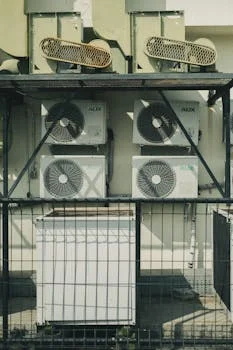
Selecting between Membrane Bioreactor (MBR), Dissolved Air Flotation (DAF), and Ozone disinfection requires an analysis of specific contaminant loads, as each technology targets different medical effluent fractions. For most Ohio hospitals, MBR systems for hospital wastewater treatment in Ohio represent the gold standard. MBR combines biological degradation with 0.1 μm membrane filtration, effectively replacing the secondary clarifier and tertiary filtration stages found in municipal plants. This results in a footprint up to 60% smaller than conventional systems, making it ideal for urban hospital campuses in Columbus or Cleveland where land is at a premium. HydropureWater’s MBR systems, for example, achieve a 99.9% pathogen kill rate and keep BOD levels consistently below 10 mg/L.
In contrast, DAF systems for high-FOG hospital wastewater are best utilized as a primary pretreatment stage. DAF is highly effective at removing fats, oils, and grease (FOG) from hospital cafeteria waste and suspended solids from laundry facilities. While DAF can remove up to 60% of COD, it does not provide the biological degradation necessary to handle dissolved pharmaceuticals. Therefore, DAF is often paired with MBR or advanced oxidation. Ozone disinfection is frequently employed as a final polishing step. While it offers a 99.99% kill rate for viruses and effectively degrades many pharmaceutical compounds, its higher operational expense ($0.15–$0.30 per 1,000 gallons) often limits its use to high-risk effluent streams or as a backup to UV systems, as seen in the Bowling Green facility.
Chlorine dioxide remains a highly competitive disinfection option for Ohio facilities. Unlike UV, which requires high water clarity (low turbidity) to be effective, chlorine dioxide maintains its biocidal efficacy in the presence of organic loading. For hospitals dealing with high concentrations of carbamazepine, a dosage of 5 mg/L of chlorine dioxide can achieve 90% removal, significantly outperforming traditional chlorination. When evaluating these options, facility managers should also consider how Hawaii’s hospital wastewater regulations compare to Ohio’s, as both states are leaders in implementing stringent pharmaceutical discharge standards.
| Technology | Pathogen Kill Rate | COD Removal | CAPEX | OPEX | Best Use Case |
|---|---|---|---|---|---|
| MBR | 99.9% | 90 - 95% | High | Moderate | Total treatment, space-constrained sites |
| DAF | < 50% | 40 - 60% | Moderate | Low | Pretreatment for FOG and TSS |
| Ozone | 99.99% | Variable | Moderate | High | Viral disinfection & pharmaceutical removal |
| Chlorine Dioxide | 99.99% | Low | Low | Moderate | Disinfection and odor control |
Engineering Specs for Hospital Wastewater Systems in Ohio: Flow Rates, Pretreatment & Disinfection
Engineering a hospital wastewater system in Ohio requires calculating peak hydraulic loads, which typically range from 50 to 500 cubic meters per day depending on bed count and specialized departments. A standard 100-bed facility in Ohio generates approximately 150 m³/day of effluent. Because hospital flows are highly diurnal—peaking during morning shift changes and laundry cycles—equalization tanks are mandatory to prevent hydraulic shock to the biological treatment phase. For smaller or rural facilities, compact hospital wastewater treatment systems such as the WSZ series provide a modular, underground solution that scales from 1 to 80 m³/h, minimizing surface noise and odor.
The pretreatment stage is the most critical for protecting downstream equipment. Ohio EPA guidelines suggest the use of rotary mechanical bar screens with a gap size of 1 mm or less. These screens remove 95% of non-biodegradable solids, such as medical plastics, wipes, and bandages, which would otherwise foul MBR membranes or clog DAF nozzles. Following screening, the wastewater enters an equalization tank where pH is neutralized to a range of 6.5 to 8.5, ensuring optimal conditions for the subsequent biological treatment. In MBR systems, the biomass concentration (MLSS) is typically maintained at 8,000 to 12,000 mg/L, which is significantly higher than the 2,000 to 4,000 mg/L found in municipal plants like Wadsworth’s.
Advanced oxidation processes (AOP) are increasingly specified for Ohio hospitals to meet 2025 pharmaceutical degradation benchmarks. A typical process flow involves:
- Screening: Removal of large solids using GX Series mechanical screens.
- Equalization: Buffering of flow and pH neutralization.
- Biological Treatment: Anoxic and aerobic zones for nitrogen and organic matter removal.
- Membrane Filtration: 0.1 μm ultrafiltration (MBR) to remove pathogens and suspended solids.
- Disinfection: Final kill stage using Chlorine Dioxide or UV.
- Discharge: Direct discharge to stream or reuse for non-potable hospital applications (e.g., cooling towers).
Cost Breakdown: Hospital Wastewater Treatment in Ohio (2025 CAPEX, OPEX & ROI)
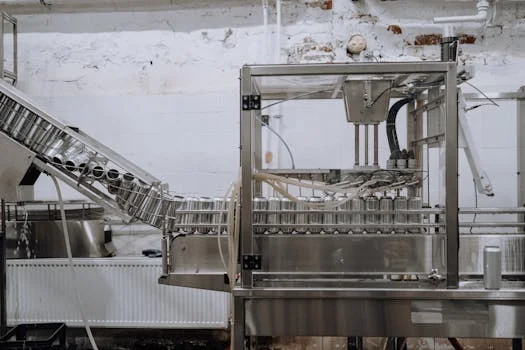
Capital expenditure for a high-efficiency hospital wastewater treatment plant in Ohio ranges from $500,000 to $2 million, with operational costs influenced heavily by energy consumption and chemical dosing. For a 100 m³/h MBR system, the initial investment of approximately $1.2 million includes engineering, modular equipment, and installation. While this is a significant upfront cost, cost comparison of modular vs. permanent hospital wastewater systems shows that modular units (like the WSZ series) can reduce CAPEX by up to 30% due to reduced on-site civil works and faster commissioning times.
Operational expenses (OPEX) in Ohio typically range from $0.80 to $2.50 per 1,000 gallons treated. Energy is the primary driver, accounting for roughly 40% of OPEX in MBR systems due to the aeration required for membrane scouring and biological activity. DAF systems are less energy-intensive, with OPEX closer to $0.90 per 1,000 gallons, but they require higher chemical expenditures for coagulants and flocculants. When evaluating the Return on Investment (ROI), hospital administrators must factor in the avoidance of municipal surcharges. In cities like Wadsworth, industrial and commercial customers may face surcharges of $3.50 per 1,000 gallons for high-strength waste. By treating effluent on-site, a hospital can save between $200,000 and $500,000 annually, leading to a payback period of 3 to 7 years.
| Technology | CAPEX (per m³/h capacity) | OPEX (per 1,000 gallons) | Payback Period (Years) |
|---|---|---|---|
| MBR (Integrated) | $12,000 - $18,000 | $1.50 - $2.50 | 4 - 6 |
| DAF (Pretreatment) | $5,000 - $9,000 | $0.80 - $1.20 | 3 - 5 |
| WSZ Series (Modular) | $8,000 - $14,000 | $1.20 - $1.80 | 3 - 5 |
| Ozone/UV Polish | $4,000 - $7,000 | $0.20 - $0.40 | 7+ |
Frequently Asked Questions
Q: What are the Ohio EPA discharge limits for hospital wastewater?
A: For direct discharge, the Ohio EPA typically requires BOD <30 mg/L, TSS <30 mg/L, and fecal coliform <200 CFU/100mL. Emerging 2025 draft guidelines also suggest limits for pharmaceutical residuals, such as carbamazepine, at levels below 1 μg/L.
Q: Can hospitals discharge to municipal sewers in Ohio?
A: Yes, but they must comply with local Sewer Use Ordinances. Most Ohio municipalities require pretreatment to remove solids and neutralize pH. High-strength waste (high COD/BOD) will often trigger significant financial surcharges from the city.
Q: What’s the best disinfection method for hospital wastewater in Ohio?
A: Chlorine dioxide is highly recommended due to its 99.99% kill rate and its ability to degrade pharmaceuticals without forming harmful byproducts. While UV is common in municipal plants like Bowling Green, it requires very low turbidity to be effective in a hospital setting.
Q: How much does a hospital wastewater treatment system cost in Ohio?
A: CAPEX typically ranges from $500,000 to $2 million. Modular systems like the WSZ Series can reduce these costs by 30%. OPEX generally falls between $0.80 and $2.50 per 1,000 gallons.
Q: What permits are required for hospital wastewater treatment in Ohio?
A: Facilities need an NPDES permit for direct discharge or a Permit-to-Install (PTI) from the Ohio EPA for any new treatment equipment. Local municipal permits are also required for indirect discharge to city sewers.
Further Reading
Explore these in-depth articles on related wastewater treatment topics: