PCB fluoride wastewater from etching and surface treatment typically carries 50–500 mg/L F−, often 5–50 times above common industrial discharge limits. Fluoride arrives mainly as hydrofluoric acid (HF), ammonium fluoride (NH4F), and fluoroboric acid used in inner-layer etch and specialty plating. Unlike organics, fluoride is a persistent inorganic ion and needs chemical precipitation, membranes, or adsorption—not biological oxidation—to reach compliant effluent.
Why PCB Fluoride Wastewater Needs Specialized Treatment
Etch-line fluoride wastewater at 50–500 mg/L F− requires calcium precipitation, membrane polishing, or adsorption to meet China GB 21900-2008 ≤10 mg/L. Many EU freshwater permits target near 1.5 mg/L. US electronic-component BAT limits under 40 CFR Part 469 are 32.0 mg/L daily maximum and 17.4 mg/L as a 30-day average for semiconductor discharges.
China’s electroplating pollutant standard GB 21900-2008 sets fluoride at ≤10 mg/L at the plant outfall for most facilities, with sensitive basins sometimes tighter. Earlier secondary sources sometimes cited a 4 mg/L daily maximum for electroplating-related fluoride. The current eCFR text of 40 CFR Part 469 semiconductor BAT sets fluoride (T) at 32.0 mg/L maximum for any 1 day and 17.4 mg/L as a 30-day average (US EPA, eCFR Part 469). Local NPDES or POTW permits can still be stricter than the categorical floor. Persistent exceedances can trigger civil penalties and forced production cuts under Clean Water Act enforcement.
These streams rarely contain fluoride alone. Cu2+, Ni2+, EDTA, and ammonia compete for reagents and shift precipitation chemistry. Ammonia stabilizes copper complexes; excess fluoride can scavenge calcium before metal hydroxides form, raising sludge mass. A 2023 Shenzhen PCB plant cut effluent fluoride from 350 mg/L to <10 mg/L by moving from single-stage precipitation to precipitation → membrane → adsorption. That change avoided about $200,000 in annual penalties and stabilized electroplating wastewater treatment solutions for PCB manufacturers.
Fluoride Removal Technologies: Engineering Specs and Efficiency Data
Calcium precipitation remains the workhorse for high-strength fluoride, typically cutting 500 mg/L influent to under 20 mg/L via low-solubility CaF2. Most plants we size hold pH at 10–12 and a Ca2+:F− molar ratio of 1.5:1 to 2:1 for 90–95% removal. Dry sludge often lands at 0.5–1 kg per kg fluoride removed. With hazardous disposal commonly $100–$300 per ton, a high-efficiency filter press for fluoride sludge dewatering is usually the first OPEX lever.
Reverse osmosis (RO) and nanofiltration (NF) deliver 95–99% fluoride rejection when feed is already clarified. Plants chasing reuse rely on RO systems for fluoride removal and water recovery in ZLD applications, typically designed at 15–30 LMH flux and 75–90% recovery. CaF2 and silica scale fast on membranes. Robust pre-treatment with a Dissolved Air Flotation (DAF) System keeps TSS low and protects membrane life on etch lines.
Activated alumina or bone-char adsorption suits polishing when influent fluoride is already below 50 mg/L. Optimum pH is about 5–6, with media capacity near 1–4 mg F−/g. CapEx is modest, but media needs regeneration every 3–5 cycles with NaOH or H2SO4. For flows above 50 m³/h, adsorption is rarely a standalone train; it is the safeguard that pushes effluent toward <1.5 mg/L EU-style targets.
Electrocoagulation (EC) with aluminum or iron electrodes typically reaches 80–90% fluoride removal at roughly 0.5–1.5 kWh/m³. Energy cost rises quickly at large flows. Smaller PCB shops with swing loads use EC to avoid bulk lime storage and complex chemical dosing systems for fluoride precipitation and pH adjustment.
Which Fluoride Removal Methods Meet EU Limits?
EU industrial fluoride limits are set case-by-case under Industrial Emissions Directive 2010/75/EU and local permits. Many freshwater receiving waters push plants toward about 1.5 mg/L F−, which calcium precipitation alone rarely holds without polishing.
Calcium precipitation at pH 10–12 usually lands effluent in the 10–20 mg/L band—adequate for GB 21900-2008 in many Chinese PCB parks, but short of strict EU outfalls. Meeting ~1.5 mg/L typically needs a second stage: NF/RO permeate, activated-alumina columns, or both after solids removal. Adsorption columns sized for <50 mg/L feed and regenerated on a fixed cycle are the common EU polishing choice. When the buyer also needs water reuse, membrane concentration plus brine handling replaces long-term sewer reliance.
Comparison Table: Fluoride Treatment Technologies for PCB Wastewater
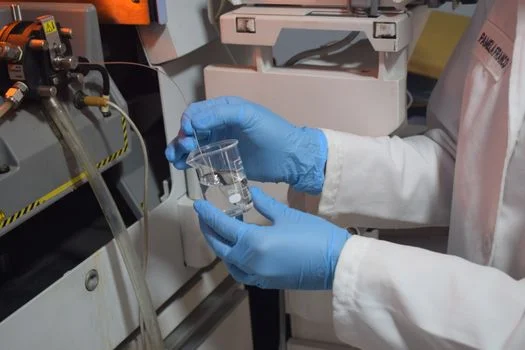
Calcium precipitation offers the lowest CapEx but often needs polishing below 2 mg/L. The table below lists engineering benchmarks procurement teams use when screening trains.
| Technology | Removal Efficiency (%) | Influent Range (mg/L) | CapEx ($/m³/h) | OPEX ($/m³) | Footprint (m²/100 m³/h) | Compliance Suitability |
|---|---|---|---|---|---|---|
| Calcium Precipitation | 90–95% | 100–500 | $50–$150 | $0.20–$0.50 | 120–150 | China (GB), EPA |
| Membrane (RO/NF) | 95–99% | 10–100 | $300–$600 | $0.60–$1.20 | 80–100 | EU, ZLD Targets |
| Adsorption (Alumina) | 85–95% | <50 | $100–$200 | $0.40–$0.80 | 40–60 | EU (Polishing) |
| Electrocoagulation | 80–90% | 50–200 | $200–$400 | $0.50–$1.50 | 30–50 | Small Plants |
Data sources: field engineering ranges for PCB and electronics wastewater trains (2024–2025); compare categorical US limits in 40 CFR Part 469.
How Does ZLD Recover Fluoride in Semiconductor Plants?
Zero-liquid-discharge (ZLD) trains for semiconductor and related etch wastewater recover over 95% of process water by concentrating fluoride into a solid salt cake instead of a liquid discharge.
A typical architecture stacks chemical pre-treatment (DAF/precipitation), membrane concentration (RO), thermal evaporation (MVR or multi-effect), and final dewatering. CapEx for a 100 m³/h ZLD block commonly spans $500,000–$2,000,000, with about 60% tied to evaporation and crystallization. Energy and brine chemistry dominate OPEX; higher fluoride loads raise lime and sludge costs upstream and can stretch payback by 12–18 months.
OPEX breakdown and ROI example for a facility treating 100 m³/h of fluoride-rich wastewater:
- Total CapEx: $1,200,000
- Annual OPEX: $300,000 (Energy: 40%, Chemicals: 30%, Labor/Maintenance: 30%)
- Annual Savings: $500,000 (Water recovery savings + eliminated discharge fines + reduced hazardous liquid disposal)
- Simple Payback Period: 3.4 years
Where water tariffs rise or sewer fluoride caps tighten, ZLD becomes the durable path. Plants with heavy developer and etch loads often pair fluoride ZLD with dedicated developer wastewater treatment for PCB plants with high fluoride loads so organics do not foul evaporators.
Compliance Checklist: Meeting Fluoride Discharge Limits in PCB Manufacturing
Fluoride compliance is a validated process chain, not a single skid. Use this audit list against current permit text.
- Pre-treatment verification:
- Is pH adjustment automated for the 10–12 range required for calcium precipitation?
- Is TSS consistently below 50 mg/L before membrane or adsorption units?
- Are oil and grease levels monitored to protect fluoride-selective media?
- Primary removal standards:
- Does the system achieve <10 mg/L F− for GB 21900-2008 compliance?
- Are Ca2+ dosing rates adjusted in real time from influent fluoride sensors?
- Is there secondary polishing (adsorption or NF) when the permit requires <1.5 mg/L?
- Heavy metal interaction:
- Is copper (Cu) verified <0.5 mg/L? Fluoride can scavenge calcium needed for metal hydroxides—use sequential treatment or coagulant over-dose.
- Is nickel (Ni) held below the <1.0 mg/L threshold where applicable?
- Sludge and waste management:
- Is fluoride sludge dewatered to at least 20–30% solids using a high-efficiency filter press for fluoride sludge dewatering?
- Are hazardous waste manifests kept for all fluoride-bearing sludge?
- Is leachability testing (TCLP) performed quarterly to confirm sludge stability?
How to Select the Right Fluoride Treatment System for Your PCB Plant
Selection starts with the fluoride-to-calcium balance and competing ions such as phosphate and sulfate. A weak influent study either under-sizes the clarifiers or burns OPEX on excess lime.
Step 1: Wastewater characterization. Run a 7-day composite program. Grab samples miss etch “slug loads.” Record peak fluoride, average flow (m³/h), and complexing agents such as EDTA that inhibit precipitation.
Step 2: Define compliance and reuse goals. For a 10 mg/L discharge target, two-stage calcium precipitation is usually the lowest-cost path. For ZLD or ~1.5 mg/L EU-style limits, add RO systems for fluoride removal and water recovery after solids control.
Step 3: Technology matching. Flows >100 m³/h favor precipitation plus membrane concentration. Facilities <20 m³/h often run batch chemistry or EC for labor and footprint reasons. Keep clarification or flotation ahead of membranes when TSS and surfactants are high.
Step 4: Pilot testing and vendor selection. A 3-month pilot locks dosing rates and sludge yield under real etch cycles. Prefer vendors with PCB-specific references; brighteners and surfactants change settling and membrane fouling versus generic industrial fluoride water.
Selection checklist: peak F− and flow; permit limit and reuse %; competing ions (Cu, Ni, NH3, EDTA); sludge disposal cost; RO/MVR energy tariff; footprint; pilot Ca:F and PAM dose.
Who this is for: PCB and microelectronics plants with HF/NH4F etch waste above ~50 mg/L F− that must hit GB, EU, or customer ZLD specs. Who should look elsewhere: shops with only rinse-level fluoride well below 10 mg/L and no reuse mandate—simple pH adjust and municipal discharge may suffice. Next step: send a 7-day composite and permit limit so the process train can be sized before CapEx lock; you can request a fluoride treatment quote with your flow and F− data.
Frequently Asked Questions
What is the most cost-effective fluoride removal for a 50 m³/h PCB plant?
Calcium precipitation is usually the lowest-cost primary step at 50 m³/h. CapEx often falls near $25,000–$75,000 with OPEX about $0.20–$0.40/m³ when sludge disposal is available. If the local limit is tighter than 10 mg/L F−, add an activated-alumina polishing column after clarification. Most mid-size etch lines we see stay on this two-stage pattern unless reuse is mandatory.
How does fluoride interfere with heavy metal removal in PCB wastewater?
Fluoride forms insoluble CaF2, which can co-precipitate some metals, but very high F− scavenges the calcium needed for metal hydroxides and can cut metal removal by about 10–20%. Sequential precipitation—fluoride first near pH 11, then metals—is the usual fix. Confirm Cu and Ni on the same composite that drives lime dosing so the two stages stay balanced.
What are the key design parameters for a fluoride precipitation system?
Hold pH at 10–12, keep a Ca2+:F− molar ratio of 1.5–2.0:1, and provide 30–60 minutes reaction time before settling. Dose 1–3 mg/L anionic polyacrylamide (PAM) in a secondary flocculation tank so fine CaF2 particles settle. Without PAM, clarifier overflow often carries enough solids to foul any downstream membrane or alumina bed.
Can membrane filtration (RO/NF) be used as standalone fluoride treatment?
No. RO/NF reject fluoride well but fail quickly on raw etch-line TSS and CaF2 scaling potential. Precede membranes with clarification or a DAF system for PCB wastewater pre-treatment. Without that barrier, flux collapse within days is common on etch-line water.
What are disposal options for fluoride sludge from PCB treatment?
Fluoride sludge is often managed as hazardous waste (HW17 in many jurisdictions). Typical outlets are hazardous landfills at about $200–$500/ton or cement/lime stabilization to cut leachable fluoride. Always match disposal to the local waste code and TCLP result; cake solids of 20–30% after filter-press dewatering usually decide hauling economics.