An SO2 scrubber system is an air pollution control device that removes 95-99% of sulfur dioxide (SO2) from industrial flue gas using chemical absorption. Wet scrubbers, the most common type, use limestone slurry to react with SO2, producing gypsum as a byproduct. Regenerable systems like CANSOLV capture SO2 down to 20 ppm and convert it into salable sulfur or sulfuric acid. These systems are critical for compliance with EPA NSPS, EU Industrial Emissions Directive 2010/75/EU, and China’s GB 13223-2011 standards.
Why SO2 Scrubbers Are Critical for Industrial Emissions Control
Sulfur dioxide (SO2) emissions contribute significantly to environmental degradation and public health issues, with the U.S. alone emitting approximately 2.3 million tons annually (EPA 2023 data). This pervasive pollutant is a primary driver of acid rain, which damages ecosystems and infrastructure, and it exacerbates respiratory diseases in humans, in addition to impairing visibility. Industries that burn fossil fuels or process sulfur-containing materials are major contributors, necessitating robust industrial air pollution control measures. Coal-fired power plants are responsible for roughly 50% of global SO2 emissions, while petroleum refineries (particularly their Fluid Catalytic Cracking, or FCC, units), cement kilns, and waste incinerators also produce substantial quantities.
For instance, a 500 MW coal-fired power plant operating without adequate controls might emit SO2 concentrations as high as 1,500 ppm. To comply with current EPA New Source Performance Standards (NSPS), such a facility must reduce these emissions to below 100 ppm, often requiring a modern flue gas desulfurization technology. Failure to meet these SO2 emission standards results in severe financial repercussions. In a notable case in 2022, a Midwest utility faced a $1.5 million penalty for persistent SO2 emission violations, underscoring the non-negotiable imperative for effective SO2 scrubber systems.
How SO2 Scrubber Systems Work: Step-by-Step Process Mechanics
SO2 scrubber systems operate by bringing SO2-laden flue gas into contact with an absorbent medium, facilitating a chemical reaction that removes sulfur dioxide before the cleaned gas is discharged. This process, often referred to as flue gas desulfurization technology, varies significantly depending on the system type.
Wet Scrubbers: The Limestone-Gypsum Process
Wet scrubbers, the most prevalent type, employ a liquid slurry, typically composed of finely ground limestone (calcium carbonate, CaCO3), to absorb SO2. As hot flue gas enters the absorber tower, it contacts a spray of this alkaline slurry, much like a shower scrubbing dirt off skin. The SO2 dissolves into the water and reacts with the limestone in a two-step chemical absorption process:
- SO2(g) + H2O(l) → H2SO3(aq)
- H2SO3(aq) + CaCO3(s) → CaSO3(s) + H2O(l) + CO2(g)
To produce a more stable and marketable by-product, forced oxidation is often introduced, converting calcium sulfite (CaSO3) into gypsum (calcium sulfate dihydrate, CaSO4·2H2O):
- CaSO3(s) + ½ O2(g) + 2H2O(l) → CaSO4·2H2O(s)
The optimal pH range for this limestone-gypsum process is typically 5.5-6.5, ensuring efficient SO2 absorption while minimizing scaling and corrosion. A critical operational parameter is the liquid-to-gas (L/G) ratio, which ranges from 5-20 L/m³ (gallons per 1,000 ACFM) depending on the desired SO2 removal efficiency and inlet concentration. The clean gas then passes through a mist eliminator to remove any entrained slurry droplets before exiting the stack. HydropureWater’s integrated FGD scrubber system for SO2 and particulate removal utilizes these principles to achieve high SO2 removal rates.
Dry Scrubbers: Spray Dryer Absorption (SDA)
Dry scrubbers, primarily Spray Dryer Absorbers (SDAs), inject a fine mist of alkaline slurry, typically lime (calcium hydroxide, Ca(OH)2), into the flue gas. The SO2 reacts with the atomized lime droplets, forming dry calcium sulfite and calcium sulfate particles. Simultaneously, the heat from the flue gas evaporates the water, resulting in a dry, powdery by-product. This dry mixture of reaction products and unreacted lime is then captured by a downstream particulate control device, such as a pulse jet dust collector. Dry scrubbers typically achieve SO2 removal efficiencies of 90-95%.
Regenerable Systems: Amine-Based Absorption
Regenerable SO2 scrubbing systems offer a distinct advantage by producing a salable by-product instead of a waste stream. These systems, exemplified by technologies like CANSOLV, use an amine-based absorbent solution to selectively capture SO2. The SO2-rich solvent is then heated, causing the SO2 to desorb and regenerate the solvent for reuse. The concentrated SO2 stream can then be converted into marketable sulfur, sulfuric acid, or liquid SO2. These systems are capable of achieving very low SO2 outlet concentrations, often down to 20 ppm, and are particularly well-suited for applications where by-product recovery is economically viable or extremely high SO2 removal efficiency is required.
| Scrubber Type | Primary Reactant | Key Process | Typical By-Product |
|---|---|---|---|
| Wet Scrubber | Limestone (CaCO3) | Chemical absorption in liquid slurry, forced oxidation | Gypsum (CaSO4·2H2O) |
| Dry Scrubber (SDA) | Lime (Ca(OH)2) slurry | Spray atomization, simultaneous reaction & drying | Dry solid waste (CaSO3/CaSO4 mixture) |
| Regenerable System | Amine-based solvent | Absorption by solvent, solvent regeneration, SO2 desorption | Sulfur, Sulfuric Acid, Liquid SO2 |
SO2 Scrubber System Types Compared: Wet vs. Dry vs. Regenerable
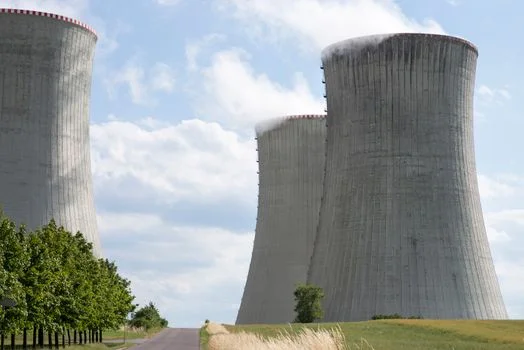
Choosing the optimal SO2 scrubber system for industrial applications requires a detailed comparison of their operational characteristics, cost implications, and suitability for specific flue gas desulfurization technology challenges. Each system type offers a unique balance of SO2 removal efficiency, capital investment, operating costs, and by-product management.
Wet scrubbers are the industry standard for large-scale applications due to their high SO2 removal efficiency, particularly in facilities burning high-sulfur fuels. Dry scrubbers, while slightly less efficient, offer simpler operation and dry waste handling, making them attractive for smaller or less complex sources. Regenerable SO2 scrubbing systems provide the highest efficiency and valuable by-products but come with a higher initial capital cost.
| System Type | Removal Efficiency | SO2 Inlet Range (ppm) | By-Products | Capital Cost ($/kW) | OPEX ($/kWh) | Maintenance Complexity | Best Use Cases |
|---|---|---|---|---|---|---|---|
| Wet Scrubber | 95-99% | 500-5,000 | Gypsum (CaSO4·2H2O) | $150-$300 | $0.005-$0.008 | High (slurry handling, scaling) | Coal-fired power plants, large industrial boilers |
| Dry Scrubber (SDA) | 90-95% | 200-2,000 | Dry solid waste (CaSO3/CaSO4) | $100-$200 | $0.003-$0.006 | Moderate (dry material handling) | Cement kilns, waste incinerators, industrial boilers with lower SO2 |
| Regenerable System | 98-99.9% | 500-10,000 | Salable Sulfur, Sulfuric Acid, Liquid SO2 | $200-$400 | $0.004-$0.007 | Low (closed-loop solvent) | Petroleum refineries, chemical plants, facilities requiring ultra-low emissions or by-product value |
For facilities requiring robust SO2 and particulate removal, HydropureWater offers advanced flue gas desulfurization (FGD) scrubber systems designed for optimal performance and compliance.
Key Engineering Parameters for SO2 Scrubber Design
Precise definition and control of engineering parameters are fundamental to the effective design and operation of any SO2 scrubber system, directly influencing SO2 removal efficiency, operational costs, and system longevity. Industrial engineers must consider a range of technical specifications to ensure the system is optimized for their specific application.
- Gas flow rate: This critical parameter typically ranges from 10,000 to 1,000,000 Nm³/h (normal cubic meters per hour) and is calculated based on the boiler or furnace capacity and fuel type. An accurate flow rate determines the size of the absorber tower, fans, and associated ductwork.
- SO2 inlet concentration: The SO2 concentration entering the scrubber dictates the required removal efficiency and reagent consumption. Typical ranges vary significantly by industry: 500-5,000 ppm for coal-fired power plants, 200-2,000 ppm for refineries, and 1,000-10,000 ppm for chemical plants.
- Liquid-to-gas ratio (L/G): For wet scrubbers, the L/G ratio of 5-20 L/m³ (gallons per 1,000 ACFM) represents the volume of circulating slurry per unit volume of flue gas. A higher L/G ratio generally increases SO2 absorption efficiency by providing more contact surface, but it also elevates pumping costs and energy consumption.
- pH range: Maintaining the optimal pH is crucial for limestone scrubbers, typically between 5.5 and 6.5. A lower pH enhances SO2 absorption kinetics but significantly increases the risk of corrosion within the absorber vessel and associated piping. Conversely, a higher pH can lead to scaling and reduced reagent utilization. Accurate pH control is often achieved through automatic chemical dosing systems.
- Pressure drop: The pressure drop across the scrubber system, typically 1-3 kPa (4-12 inches of water column), is a direct measure of the resistance the flue gas encounters. A higher pressure drop necessitates more powerful (and energy-intensive) fans, thereby increasing operating costs.
- Slurry solids content: For limestone scrubbers, the slurry solids content usually ranges from 10-15% by weight. Higher solids content can improve reaction kinetics by providing more reactive surface area, but it also increases the risk of scaling, erosion, and plugging of spray nozzles and piping.
| Engineering Parameter | Typical Range | Impact on Design/Operation |
|---|---|---|
| Gas Flow Rate | 10,000-1,000,000 Nm³/h | Determines absorber size, fan capacity, ductwork dimensions. |
| SO2 Inlet Concentration | 200-10,000 ppm (industry-specific) | Dictates required removal efficiency, reagent consumption, absorber design. |
| Liquid-to-Gas Ratio (L/G) | 5-20 L/m³ (wet scrubbers) | Influences SO2 absorption efficiency and pumping energy costs. |
| pH Range | 5.5-6.5 (limestone scrubbers) | Affects reaction kinetics, corrosion potential, and scaling. |
| Pressure Drop | 1-3 kPa | Determines fan power consumption and overall operating costs. |
| Slurry Solids Content | 10-15% (limestone scrubbers) | Impacts reaction efficiency, scaling, erosion, and plugging risks. |
Optimizing these parameters often involves sophisticated PLC-controlled lime dosing systems for pH regulation in SO2 scrubbers and advanced monitoring equipment to ensure consistent performance.
SO2 Scrubber Cost Breakdown: CAPEX, OPEX, and ROI Calculations
Investing in an SO2 scrubber system represents a substantial financial commitment, requiring a thorough understanding of both capital expenditures (CAPEX) and operational expenditures (OPEX) to accurately calculate the return on investment (ROI). For industrial buyers, a detailed cost breakdown is essential for justifying the investment and comparing vendor proposals.
Capital Expenditure (CAPEX)
For a typical 500 MW coal-fired power plant, the total CAPEX for an SO2 scrubber system can range from $75 million to $150 million. This cost is distributed across several key components:
- Scrubber Tower & Internals: $50 million-$100 million (includes absorber vessel, packing/trays, spray nozzles, mist eliminators).
- Reagent Handling System: $10 million-$20 million (for limestone grinding, slurry preparation, storage, and pumping).
- By-product Dewatering & Handling: $5 million-$10 million (for gypsum dewatering equipment like centrifuges or high-efficiency filter presses for gypsum dewatering in FGD systems, and storage/transport).
- Ancillary Equipment & Controls: $10 million-$20 million (includes fans, ductwork, pumps, piping, instrumentation, electrical systems, and distributed control systems).
Operational Expenditure (OPEX)
Operating costs for a 500 MW plant typically fall within the range of $0.003-$0.008 per kilowatt-hour (kWh) of electricity generated. Key OPEX components include:
- Reagent Costs (Limestone/Lime): $0.001-$0.003/kWh (dependent on SO2 inlet concentration and reagent purity).
- Electricity Consumption: $0.001-$0.002/kWh (primarily for absorber pumps and ID fans).
- Labor: $0.0005-$0.0015/kWh (for operation, maintenance, and supervision).
- Maintenance & Spare Parts: $0.0005-$0.0015/kWh (for routine checks, part replacements, and unexpected repairs).
Return on Investment (ROI) Calculation
Calculating ROI for an SO2 scrubber involves quantifying both direct savings and indirect benefits. Consider a 500 MW plant reducing SO2 emissions from 1,500 ppm to 50 ppm:
- Avoided Penalties: Annual savings of $2 million-$4 million from preventing regulatory fines and non-compliance penalties.
- By-product Sales: If gypsum is salable (e.g., to wallboard manufacturers), this can generate $1 million-$2 million annually. Regenerable systems yield even higher value from sulfur or sulfuric acid.
- Reduced Corrosion: Lower SO2 levels can extend the lifespan of downstream equipment, leading to $500,000-$1 million in annual savings from reduced corrosion and maintenance.
The payback period, considering these factors, often ranges from 3 to 7 years, making SO2 scrubbers a financially sound decision beyond mere compliance.
Hidden Costs
Beyond direct CAPEX and OPEX, industrial buyers must account for less obvious costs:
- By-product Disposal: If gypsum or dry waste cannot be sold, landfill disposal costs can be $50-$100 per ton.
- Water Treatment: Scrubber blowdown requires treatment to meet discharge limits, incurring chemical and operational costs.
- Increased Fan Power: The pressure drop across the scrubber necessitates larger fans, increasing electricity consumption.
| Cost Category | Component | Typical Range (500 MW Plant) |
|---|---|---|
| CAPEX (Total: $75M-$150M) | Scrubber Tower & Internals | $50M-$100M |
| Reagent Handling System | $10M-$20M | |
| By-product Dewatering & Handling | $5M-$10M | |
| Ancillary Equipment & Controls | $10M-$20M | |
| OPEX (Total: $0.003-$0.008/kWh) | Reagent Costs | $0.001-$0.003/kWh |
| Electricity Consumption | $0.001-$0.002/kWh | |
| Labor | $0.0005-$0.0015/kWh | |
| Maintenance & Spare Parts | $0.0005-$0.0015/kWh |
How to Select the Right SO2 Scrubber System for Your Application
Selecting the optimal SO2 scrubber system requires a systematic approach that aligns your facility's specific operational parameters and compliance needs with the capabilities and cost structures of available technologies. This decision framework helps industrial buyers navigate the complexities of flue gas desulfurization technology.
- Step 1: Define Your SO2 Inlet Concentration and Gas Flow Rate.
Accurately determine the typical and maximum SO2 concentration in your flue gas (e.g., 500-5,000 ppm for coal, 200-2,000 ppm for refineries) and the total gas flow rate (e.g., 10,000-1,000,000 Nm³/h). These parameters are fundamental for sizing the scrubber and selecting the appropriate technology capable of achieving the desired SO2 removal efficiency. Higher SO2 concentrations or larger gas volumes typically favor wet or regenerable systems.
- Step 2: Determine By-Product Requirements.
Evaluate your strategy for managing the scrubber by-product. Do you have a market for gypsum (e.g., wallboard manufacturing)? Can you utilize salable sulfur or sulfuric acid from a regenerable system? Or do you require a dry waste product for easier disposal, as with dry scrubbers? The economic value or disposal cost of the by-product significantly impacts the overall system economics.
- Step 3: Assess Space Constraints.
Physical footprint is a critical consideration. Wet scrubbers, with their large absorber towers and associated equipment (slurry tanks, dewatering units), typically require 2-3 times more land area than compact dry scrubbers. Regenerable systems also tend to have a larger footprint due to solvent regeneration sections. Evaluate available space at your facility before committing to a system type.
- Step 4: Evaluate Water Availability.
Wet scrubbers are water-intensive, requiring 5-20 L/m³ of flue gas, which can be a significant draw on local water resources. Dry scrubbers, in contrast, use minimal water, primarily for lime slurry preparation, making them suitable for water-scarce regions. Regenerable systems also have moderate water demands, mainly for cooling and process makeup.
- Step 5: Compare CAPEX and OPEX.
Utilize the cost data from the "SO2 Scrubber Cost Breakdown" section to perform a comprehensive lifecycle cost analysis. While regenerable systems often have higher CAPEX, their lower OPEX (due to by-product sales and reduced waste disposal) can lead to a lower total cost of ownership over the system's lifespan, especially for high-SO2 applications. Balance initial investment with long-term operating expenses.
Vendor Evaluation Checklist:
- Request references for similar applications with comparable SO2 inlet concentrations and gas flow rates.
- Ask for performance guarantees, specifically detailing SO2 removal efficiency (e.g., 95% removal at 1,500 ppm SO2 inlet).
- Verify that the proposed system design and guaranteed performance comply with all relevant local, national, and international SO2 emission standards (EPA, EU, China).
- Inquire about after-sales support, spare parts availability, and maintenance services.
SO2 Scrubber Compliance Standards: EPA, EU, and China Regulations
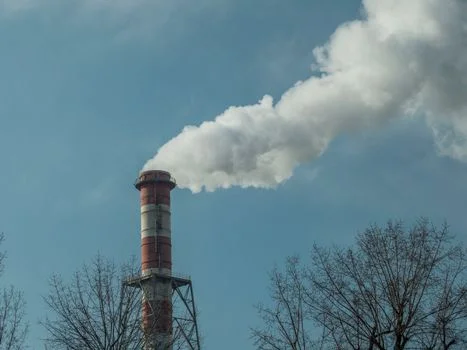
Adherence to stringent SO2 emission standards is a fundamental requirement for industrial facilities globally, with regulatory bodies continuously tightening limits to mitigate environmental and health impacts. Understanding these SO2 emission standards is crucial for selecting and operating an effective SO2 scrubber system.
- EPA New Source Performance Standards (NSPS) – 40 CFR Part 60: For coal-fired power plants, existing sources are typically limited to 0.15 lb/MMBtu (pounds of SO2 per million British thermal units of heat input). New or modified sources, under Subpart Da, face even stricter limits, often as low as 0.03 lb/MMBtu or a 95-99% SO2 removal efficiency requirement, depending on the fuel sulfur content.
- EU Industrial Emissions Directive (IED) 2010/75/EU: This directive sets Best Available Techniques Associated Emission Levels (BAT-AELs) for large combustion plants. For existing plants, the SO2 emission limit is generally 200 mg/Nm³ (milligrams per normal cubic meter) on a 24-hour average, while new plants must meet a tighter limit of 150 mg/Nm³. These limits are often subject to further reduction based on specific national implementation plans and fuel types.
- China GB 13223-2011 (Emission Standard of Air Pollutants for Thermal Power Plants): China has some of the most rigorous SO2 standards globally. For existing thermal power plants, the SO2 limit is 200 mg/m³. New plants, however, must achieve 100 mg/m³. specific regions and municipalities, such as Beijing, enforce ultra-low emission limits as stringent as 50 mg/m³, pushing the boundaries of flue gas desulfurization technology.
Future Regulatory Trends:
Regulatory frameworks are continuously evolving towards stricter controls. The EPA has proposed even tighter limits for coal plants by 2025. The EU's Green Deal aims for a 55% reduction in overall SO2 emissions by 2030, and China's 14th Five-Year Plan continues to emphasize ultra-low emissions for industrial sectors. These trends indicate a sustained global push for enhanced industrial air pollution control.
| Regulatory Body/Region | Standard Reference | Typical SO2 Emission Limit (Existing Plants) | Typical SO2 Emission Limit (New Plants) |
|---|---|---|---|
| US EPA | 40 CFR Part 60 (NSPS) | 0.15 lb/MMBtu | 0.03 lb/MMBtu or 95-99% removal |
| EU | IED 2010/75/EU (BAT-AELs) | 200 mg/Nm³ | 150 mg/Nm³ |
| China | GB 13223-2011 | 200 mg/m³ | 100 mg/m³ (50 mg/m³ in some regions) |
Frequently Asked Questions
Industrial buyers and engineers often have specific questions regarding the long-term performance, economic implications, and operational challenges of SO2 scrubber systems.
What is the typical lifespan of an SO2 scrubber system?
An SO2 scrubber system typically has a lifespan of 20-30 years with proper maintenance. Key components, such as packing media in wet scrubbers, may require periodic replacement every 5-10 years, while mist eliminators typically last 10-15 years. Regular inspections and timely replacement of wear parts are crucial for maximizing longevity.
How much does an SO2 scrubber system cost for a 100 MW power plant?
For a 100 MW power plant, the Capital Expenditure (CAPEX) for an SO2 scrubber system generally ranges from $15 million to $30 million. The Operational Expenditure (OPEX) typically falls between $0.004-$0.008 per kWh, with variations depending on the fuel's sulfur content, the specific SO2 removal efficiency required, and the chosen system type (wet vs. dry).
Can SO2 scrubbers remove other pollutants like NOx or mercury?
No, SO2 scrubbers are primarily designed and optimized for the removal of sulfur dioxide. However, some advanced flue gas desulfurization technology designs can be integrated with other air pollution control devices. For instance, hybrid systems may combine an SO2 scrubber with a Selective Catalytic Reduction (SCR) system for nitrogen oxides (NOx) removal and activated carbon injection for mercury control.
What are the most common problems with SO2 scrubbers?
The most common operational problems in SO2 scrubbers include scaling (formation of insoluble deposits, often due to high pH or supersaturation of calcium salts), corrosion (acid attack on materials, especially at low pH), and plugging of packing media or spray nozzles (due to high solids content or inadequate slurry management). Solutions involve precise pH control via automatic chemical dosing systems, selection of corrosion-resistant materials (e.g., Hastelloy alloys), and regular cleaning and maintenance protocols.
How do regenerable SO2 scrubbers compare to wet scrubbers in terms of efficiency?
Regenerable SO2 scrubbing systems achieve superior SO2 removal efficiency, typically reaching 98-99.9% (reducing SO2 down to 20 ppm or less), making them ideal for ultra-low emission targets. Conventional wet scrubbers achieve 95-99% removal. However, regenerable systems usually have a higher CAPEX, ranging from $200-$400/kW compared to $150-$300/kW for wet scrubbers, making them best suited for applications with high SO2 inlet concentrations (e.g., refineries) where the value of the salable by-product offsets the initial investment.