Microelectronics fabs generate phosphorus wastewater with influent concentrations of 20–200 mg/L—far exceeding global discharge limits (e.g., Taiwan’s 0.5 mg/L, the EU’s 1.0 mg/L). In 2025, fabs achieve 99%+ phosphorus removal using chemical precipitation (e.g., calcium chloride or ferric chloride), adsorption (e.g., activated alumina), or hybrid MBR systems. Zero-liquid-discharge (ZLD) systems further recover 90% of treated water for reuse, cutting freshwater consumption by up to 40% in advanced fabs like TSMC and Intel. This guide provides engineering specs, cost breakdowns, and compliance-ready equipment selection criteria for fab managers.
Why Phosphorus in Microelectronics Wastewater Demands Specialized Treatment
Phosphorus in semiconductor manufacturing is not merely a nutrient; it is a high-volume industrial pollutant that originates from critical fabrication steps. The primary source is phosphoric acid (H₃PO₄) used in wet etching and cleaning of silicon wafers. Additionally, phosphorus-doped silicon processes and specific photoresist developers contribute to complex wastewater streams where phosphorus often co-exists with tetramethylammonium hydroxide (TMAH) and heavy metals. Unlike municipal wastewater, which typically contains 3–10 mg/L of phosphorus, microelectronics influent can spike to 200 mg/L during etching cycles (HydropureWater field data, 2025).
Operational risks associated with high phosphorus levels are severe. In fabs utilizing reverse osmosis (RO) for water reclamation, phosphorus acts as a primary scaling agent, forming calcium phosphate precipitates that foul membranes and increase cleaning frequency by up to 50%. Phosphorus concentrations exceeding 2 mg/L have been shown to inhibit nitrification in biological treatment stages, complicating the removal of nitrogenous compounds like ammonia. Regulatory pressure is equally intense: the Taiwan EPA enforces fines up to $50,000 per violation for exceeding the 0.5 mg/L threshold, while the EU Urban Waste Water Directive (91/271/EEC) mandates limits as low as 1.0 mg/L, with non-compliance risking permit revocation.
| Source Category | Manufacturing Process | Phosphorus Form | Typical Influent (mg/L) |
|---|---|---|---|
| Wet Etching | Silicon Nitride Removal | Orthophosphate (PO₄³⁻) | 100–500 (Concentrated) |
| CMP Slurry | Chemical Mechanical Planarization | Particulate/Organic P | 10–50 |
| Wafer Cleaning | RCA Clean / SC-1 & SC-2 | Dilute Orthophosphate | 5–20 |
| Doping | Ion Implantation / Diffusion | Phosphine residues | Variable Spikes |
Phosphorus Treatment Technologies: Removal Rates, Costs, and Fab-Specific Trade-Offs
Selecting the optimal treatment train depends on the required effluent quality and the fab's footprint availability. Chemical precipitation remains the baseline for most industrial applications. Dosing with ferric chloride (FeCl₃) at rates of 10–30 mg Fe³⁺ per mg of phosphorus typically achieves 95% removal. However, for fabs aiming for ultra-low discharge limits, calcium chloride (CaCl₂) precipitation at pH 10–11 is preferred, as it can reach 98% removal efficiency, though it requires subsequent pH neutralization and carries a higher risk of downstream scaling.
Adsorption technologies using activated alumina or specialty ion-exchange resins are increasingly used as tertiary polishing steps. These systems remove 90–95% of residual phosphorus at an OPEX of $1.50–$2.00/m³. While effective, the breakthrough curves must be strictly monitored; typically, media requires regeneration or replacement every 3–5 cycles to prevent effluent spikes. For high-capacity fabs, submerged MBR systems for 99% phosphorus removal and reuse-quality effluent offer a compact solution. When combined with upstream PLC-controlled chemical dosing for precise phosphorus precipitation, MBRs can consistently deliver effluent phosphorus levels below 0.5 mg/L.
Zero-Liquid-Discharge (ZLD) integration represents the peak of phosphorus management. By utilizing reverse osmosis followed by evaporation and crystallization, fabs can recover up to 90% of their treated wastewater. While this adds $1.5M–$2.5M in CAPEX for a 100 m³/h system, it eliminates discharge risk and significantly reduces freshwater procurement costs.
| Technology | Removal Efficiency | Effluent P (mg/L) | OPEX ($/m³) | Footprint |
|---|---|---|---|---|
| Chemical Precipitation (FeCl₃) | 90–95% | 1.0–2.0 | $0.80–$1.20 | Large |
| Chemical Precipitation (CaCl₂) | 95–98% | 0.5–1.0 | $0.90–$1.30 | Large |
| Activated Alumina Adsorption | 90–95% | <0.5 | $1.50–$2.00 | Small |
| Hybrid MBR + Precipitation | 99%+ | <0.2 | $1.00–$1.50 | Compact |
| ZLD (RO + Evaporation) | 99.9% | <0.05 | $2.00–$3.50 | Very Large |
Engineering Specs for Microelectronics Phosphorus Wastewater Systems
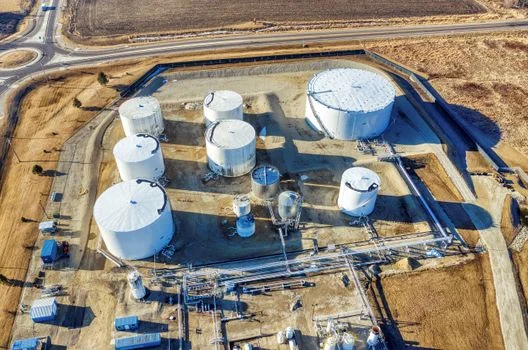
Engineering a phosphorus removal system requires precise control over hydraulic and chemical parameters. For chemical precipitation, the rapid mix stage must maintain a G-value of 800–1000 s⁻¹ to ensure immediate contact between the coagulant and orthophosphate ions. This is followed by a flocculation stage with a lower G-value (50–100 s⁻¹) to promote the growth of heavy, settleable flocs. In systems using ferric chloride, the optimal pH range is 6.5–7.5; conversely, calcium-based precipitation requires a pH above 10.5 to form hydroxyapatite [Ca₅(PO₄)₃OH], the most stable and least soluble form of calcium phosphate.
In MBR systems, membrane flux is typically maintained between 15–25 LMH (liters per square meter per hour) to balance throughput with fouling resistance. Mixed Liquor Suspended Solids (MLSS) concentrations are held at 8–12 g/L, which provides a high surface area for biological phosphorus uptake if an anaerobic/oxic (A/O) configuration is used. For sludge management, chemical precipitation generates a significant volume of sludge, often 0.5–1.5% of the total treated flow. This byproduct must be processed using high-efficiency sludge dewatering for chemical precipitation byproducts to achieve 20–30% solids content, which is necessary for cost-effective disposal or potential phosphorus recovery as struvite.
| Parameter | Chemical Precipitation | MBR System | Adsorption Column |
|---|---|---|---|
| Design pH | 10.5–11.0 (Calcium) | 6.5–8.0 | 5.5–6.5 (Optimal) |
| Hydraulic Retention Time | 2–4 Hours | 8–12 Hours | 10–30 Mins (EBCT) |
| Surface Loading Rate | 0.8–1.2 m/h | N/A | 5–15 m/h |
| Energy Consumption | 0.2–0.4 kWh/m³ | 0.8–1.2 kWh/m³ | 0.1–0.3 kWh/m³ |
| Secondary Equipment | High-efficiency sedimentation tank | Fine Screen (1mm) | Backwash Pumps |
Compliance Checklist: Meeting Global Phosphorus Discharge Limits
Effective compliance requires a thorough understanding of regional regulations.Compliance strategies must be tailored to the specific regulatory environment of the fab's location. In Taiwan, the 2024 EPA standards are among the world's strictest, often requiring fabs to implement tertiary treatment such as ion exchange or RO to ensure the 0.5 mg/L limit is never breached during process spikes. In the European Union, the Best Available Techniques (BAT) reference documents for the electronics industry emphasize the use of hybrid systems that combine chemical precipitation with membrane separation to meet the 1.0 mg/L limit.
For fabs in China, GB 31573-2015 sets limits between 0.5 and 1.0 mg/L, but local "Zero Discharge" mandates in water-scarce regions like Tianjin or Suzhou are forcing a shift toward full ZLD systems. In the United States, NPDES permits vary significantly; for instance, fabs in California discharging into sensitive watersheds may face limits as low as 0.1 mg/L. To ensure continuous compliance, fab managers should install online phosphorus analyzers (e.g., Hach Phosphax) that provide real-time data to the chemical dosing system, allowing for automated adjustments during high-load etching cycles.
| Region | Standard / Directive | P Limit (mg/L) | Recommended Treatment Train |
|---|---|---|---|
| Taiwan | Taiwan EPA (2024) | 0.5 | Precipitation + Adsorption or RO |
| European Union | Directive 91/271/EEC | 1.0 | Precipitation + MBR |
| China | GB 31573-2015 | 0.5–1.0 | Precipitation + Sedimentation + ZLD |
| USA (CA) | NPDES / Basin Plans | 0.1–0.5 | Precipitation + RO + Crystallization |
Cost Breakdown: CAPEX, OPEX, and ROI for Phosphorus Treatment Systems
The financial justification for phosphorus treatment upgrades is driven by three factors: regulatory risk mitigation, water procurement savings, and sludge disposal costs. A