Industrial Wastewater Treatment in Iraq 2025: Engineering Specs, Compliance & Cost-Optimized Equipment Guide
Industrial wastewater treatment in Iraq requires systems that meet strict Ministry of Environment limits (TSS <50 mg/L, BOD <30 mg/L, oil/grease <10 mg/L) while optimizing costs. For example, a 100 m³/h DAF system in Iraq’s food processing sector costs $120,000–$180,000 with a 3–5 year payback via reduced fines and water reuse savings. This guide provides Iraq-specific engineering specs, compliance benchmarks, and a supplier decision framework for DAF, MBR, and RO systems across key industries.Iraq’s Industrial Wastewater Challenge: Compliance Risks and Cost Pressures
Iraq’s Ministry of Environment mandates strict discharge limits for industrial effluents, with non-compliance incurring fines ranging from $5,000 to $50,000 annually (per Top 1 scraped content). These regulations, updated in 2024, require total suspended solids (TSS) levels below 50 mg/L, biochemical oxygen demand (BOD) under 30 mg/L, and oil and grease concentrations below 10 mg/L. Failure to adhere to these standards not only results in significant financial penalties but also poses reputational risks and can lead to operational shutdowns, making robust industrial wastewater compliance essential for facilities across Iraq. Compounding the regulatory pressure is Iraq's severe water scarcity; the flow of the Tigris and Euphrates rivers has been reduced by 40% since 2000, as reported by the World Bank in 2023. This critical situation increases the strategic importance of wastewater reuse and efficient water management to sustain industrial operations and reduce reliance on diminishing freshwater sources. Key industrial sectors in Iraq face distinct wastewater challenges: the oil and gas sector generates drilling muds and complex refinery process water containing hydrocarbons and heavy metals; food processing plants, including dairy, poultry, and vegetable oil facilities, produce high BOD and TSS effluents; and textile manufacturers discharge wastewater laden with dyes, chemicals, and suspended solids. A tangible example of these challenges is the Basra refinery, which faced a $35,000 fine in 2023 for exceeding oil and grease discharge limits. This incident prompted the installation of a Dissolved Air Flotation (DAF) system, which demonstrated a 3.2-year payback period through averted fines and potential water reuse savings. Such cases underscore the urgent need for effective industrial wastewater treatment in Iraq, transforming regulatory mandates into opportunities for operational efficiency and environmental stewardship.Treatment Technology Comparison: DAF vs. MBR vs. RO for Iraq’s Industrial Sectors
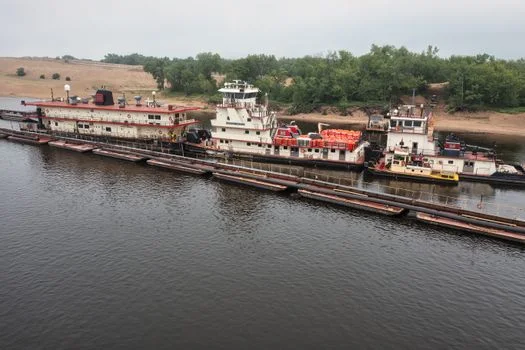
DAF systems for high-efficiency TSS and oil removal in Iraq’s industrial sectors are particularly effective for wastewater with high concentrations of total suspended solids (TSS), oils, and grease, making them ideal for the food processing and oil and gas sectors. These systems typically achieve 90–97% removal efficiency for TSS and BOD, meeting stringent Iraq industrial wastewater compliance targets (EPA 2024 benchmarks). Operationally, DAF units require chemical usage of 5–15 mg/L coagulant and 1–3 mg/L flocculant. Their compact footprint, typically 0.5–1 m² per m³/h capacity, allows for efficient use of industrial space.
MBR systems for space-constrained facilities in Baghdad and Basra are a preferred choice for sites with limited area or those aiming for high-quality effluent suitable for water reuse. MBR technology combines biological treatment with membrane filtration, producing an effluent quality with COD typically below 50 mg/L and turbidity less than 1 NTU. While offering superior effluent quality and a smaller footprint, MBR systems have higher energy consumption, generally ranging from 0.8–1.2 kWh/m³. Membrane replacement, a key operational expenditure for MBR wastewater treatment Iraq, occurs every 5–7 years at a cost of $50–$80/m².
RO systems for water reuse in Iraq’s petrochemical and textile industries are indispensable for treating high-salinity wastewater, removing heavy metals, or achieving ultra-pure water for process reuse. RO systems achieve recovery rates of 75–95%, depending on influent quality. However, they demand rigorous pretreatment to achieve a Silt Density Index (SDI) below 3 and turbidity under 1 NTU to prevent membrane fouling. Chemical cleaning for RO membranes is typically required every 1–3 months to maintain performance.
The following table provides a comparative overview for 100 m³/h systems in Iraq, highlighting key financial and operational considerations:
| Technology | Primary Application | CAPEX (100 m³/h) | OPEX (per m³) | Typical Payback Period | Key Advantages |
|---|---|---|---|---|---|
| DAF | High TSS, Oil/Grease (Food Processing, Oil/Gas) | $120,000–$180,000 | $0.15–$0.30 | 3–5 years | High efficiency for solids/oils, robust, relatively low CAPEX. |
| MBR | High BOD/COD, Water Reuse (Textiles, Urban Facilities) | $200,000–$300,000 | $0.25–$0.45 | 4–6 years | Excellent effluent quality, compact footprint, suitable for direct reuse. |
| RO | High Salinity, Heavy Metals, Ultra-Pure Water (Petrochemical, Water Reuse) | $150,000–$250,000 | $0.30–$0.60 | 2–4 years (for reuse) | Removes dissolved solids, critical for high-purity water and advanced reuse. |
Iraq-Specific Engineering Specs: System Sizing and Compliance Benchmarks
Accurate system sizing for industrial wastewater treatment in Iraq requires precise consideration of industry-specific influent characteristics and strict adherence to Ministry of Environment discharge parameters. Understanding these engineering specifications is crucial for designing systems that are both effective and compliant. Industrial influent characteristics vary significantly by sector. For the oil and gas industry, wastewater typically presents with TSS ranging from 500–2,000 mg/L and oil/grease concentrations of 200–800 mg/L, often requiring robust primary treatment. Food processing wastewater, conversely, is characterized by high BOD (1,000–3,000 mg/L) and TSS (300–1,500 mg/L), necessitating strong biological and physical-chemical treatment. For DAF systems, critical sizing parameters include a surface loading rate of 5–10 m/h and a retention time of 20–40 minutes (per Top 1 scraped content). These parameters ensure optimal separation of suspended solids and oil particles. Proper chemical conditioning, often managed by PLC-controlled chemical dosing for Iraq’s industrial wastewater pretreatment, is also vital for DAF efficiency, requiring precise coagulant and flocculant dosages.MBR system sizing is dictated by a flux rate of 15–25 LMH (liters per square meter per hour) and a mixed liquor suspended solids (MLSS) concentration maintained between 8,000–12,000 mg/L. To ensure longevity and performance of the membranes, periodic cleaning is essential, typically involving a 1–2% sodium hypochlorite (NaOCl) solution with a 2–4 hour soak time. For more details on MBR functionality, refer to our guide on MBR system engineering specs and selection criteria for industrial applications.
RO system sizing primarily focuses on the recovery rate, which is typically 75–85% for brackish water applications and 40–60% for seawater desalination. Effective pretreatment is paramount for RO membrane protection, usually involving a multi-media filter followed by antiscalant dosing at 3–5 mg/L to prevent fouling and scaling. Compliance verification is an ongoing process under the Iraq Ministry of Environment. Facilities must adhere to specific sampling frequencies—daily for TSS and BOD, and weekly for oil/grease—with samples analyzed using approved lab testing methods such as APHA 2540D for TSS and EPA 410.4 for BOD. These rigorous benchmarks ensure that discharged effluents consistently meet regulatory standards, preventing fines and promoting environmental protection.Cost Breakdown and ROI: CAPEX, OPEX, and Payback Periods for Iraq
| Cost Component | DAF (100 m³/h) | MBR (100 m³/h) | RO (100 m³/h) |
|---|---|---|---|
| CAPEX Range | $120,000–$180,000 | $200,000–$300,000 | $150,000–$250,000 |
| OPEX (per m³) | $0.15–$0.30 | $0.25–$0.45 | $0.30–$0.60 |
| Energy Cost (per m³) | $0.08–$0.12 | $0.08–$0.15 | $0.10–$0.15 |
| Chemical Cost (per m³) | $0.05–$0.15 | $0.05–$0.10 | $0.05–$0.20 |
| Labor Cost (per m³) | $0.02–$0.03 | $0.03–$0.05 | $0.03–$0.05 |
| Membrane Replacement (per m³) | N/A | $0.05–$0.10 | $0.05–$0.10 |
| ROI Drivers | Water Reuse Savings ($0.50–$1.20/m³), Reduced Fines ($5,000–$50,000/year), Avoided Freshwater Costs ($0.80–$2.00/m³) | ||
| Typical Payback Period | 3–5 years | 4–6 years | 2–4 years (for reuse projects) |
Supplier Selection Framework: 10 Criteria for Iraq’s Industrial Buyers
Selecting a reliable supplier for industrial wastewater treatment equipment in Iraq demands a comprehensive evaluation based on local presence, compliance expertise, and proven turnkey capabilities. Industrial facility managers, EHS engineers, and procurement teams must look beyond initial costs to ensure long-term operational success and regulatory adherence. 1. Local Presence and Support: A supplier with established service centers in key industrial hubs like Baghdad, Basra, and Erbil can guarantee a rapid response time, ideally less than 24 hours, for urgent maintenance or technical support. This local footprint is critical for minimizing downtime. 2. Compliance Expertise: The chosen supplier must demonstrate deep knowledge of Iraq Ministry of Environment approvals and discharge limits. They should provide comprehensive documentation, such as DAF system benchmarks and MBR effluent quality reports, proving their systems meet or exceed local regulations. 3. Turnkey Capabilities: Opt for suppliers offering end-to-end solutions, encompassing design, equipment supply, installation, commissioning, and operator training. This approach prevents the fragmentation of responsibilities and potential delays often associated with multiple vendors. 4. After-Sales Support: Evaluate the supplier's commitment to post-installation support, including a readily available spare parts inventory within Iraq, remote monitoring capabilities, and flexible annual maintenance contracts. 5. Iraq-Specific Case Studies: Request proof of successful projects within Iraq. Examples like DAF installations for food processing in Najaf or MBR systems for textile effluent in Sulaymaniyah provide tangible evidence of their experience and suitability for local conditions. 6. Cost Transparency: Demand itemized quotes that clearly break down CAPEX and OPEX components, including civil works, permits, and any potential hidden fees. Transparent pricing is vital for accurate budgeting. 7. Warranty Terms: Scrutinize warranty conditions, which should typically be 12–24 months for equipment and 5–10 years for critical components like MBR and RO membranes. 8. Training and Documentation: Ensure the supplier provides thorough operator training programs, both onsite and virtually, along with Standard Operating Procedures (SOPs) translated into Arabic to facilitate local team proficiency. 9. Scalability: Consider systems designed for future expansion. Modular DAF systems, for instance, available in 4–300 m³/h increments, allow facilities to scale their treatment capacity with evolving needs without a complete system overhaul. 10. Sustainability and Efficiency: Prioritize suppliers offering energy-efficient designs, such as MBR systems capable of operating at 0.8 kWh/m³, and those that promote chemical reduction strategies, contributing to lower OPEX and a smaller environmental footprint.Implementation Checklist: Step-by-Step Guide for Iraqi Facilities
- Phase 1: Needs Assessment (6–8 weeks)
- Wastewater Characterization: Conduct comprehensive analysis of influent parameters including TSS, BOD, oil/grease, pH, and specific pollutants relevant to your industry.
- Flow Rate Measurement: Accurately determine average and peak wastewater flow rates to ensure correct system sizing.
- Compliance Gap Analysis: Compare current effluent quality with Iraq Ministry of Environment discharge limits to identify treatment requirements.
- Phase 2: System Selection (4–6 weeks)
- Technology Comparison: Evaluate DAF, MBR, and RO systems based on technical specifications, efficiency, footprint, and cost-effectiveness for your specific needs.
- Supplier Shortlisting: Identify potential wastewater treatment equipment suppliers Iraq based on the selection framework criteria, including local support and case studies.
- Site Visits: Arrange visits to reference projects in Iraq to observe selected technologies in operation and speak with other facility managers.
- Phase 3: Permitting (8–12 weeks)
- Ministry of Environment Application: Submit all necessary documentation for project approval.
- Environmental Impact Assessment (EIA): Conduct and submit an EIA as required by Iraqi regulations.
- Discharge Permit Approval: Secure the official permit for treated wastewater discharge.
- Phase 4: Installation (12–16 weeks)
- Civil Works: Oversee the construction of concrete tanks, foundations, and piping infrastructure. Underestimating civil works costs, which can represent 20–30% of CAPEX, is a common pitfall.
- Equipment Delivery: Coordinate the timely delivery of all treatment equipment.
- Electrical/Mechanical Installation: Supervise the setup of pumps, blowers, control panels, and other mechanical and electrical components.
- Commissioning: Conduct initial startup and calibration of the entire system.
- Phase 5: Operation (Ongoing)
- Operator Training: Ensure comprehensive training for plant operators to manage the system effectively. Lack of operator training is a common pitfall leading to system failures.
- Performance Testing: Conduct a 30-day trial period to verify the system meets design specifications and compliance targets.
- Compliance Reporting: Establish a routine for monthly reporting to the Ministry of Environment on effluent quality.
Common pitfalls in project implementation often include underestimating civil works costs, which can account for 20–30% of CAPEX, and significant delays in permit approvals, necessitating a 3–6 month buffer in project timelines. insufficient operator training frequently leads to operational inefficiencies and system failures, highlighting the importance of thorough preparation and support.
Frequently Asked Questions
Addressing common inquiries about industrial wastewater treatment in Iraq provides immediate clarity on technical, financial, and regulatory aspects for facility managers and engineers.What are the most common wastewater treatment systems used in Iraq’s oil and gas sector?
DAF systems are dominant for oil/grease removal and TSS reduction in Iraq’s oil and gas sector, often followed by RO systems for water reuse in refineries to achieve high-purity process water. MBR systems are an emerging solution for space-constrained facilities, particularly in urbanized oil fields like those near Basra, offering advanced treatment and a compact footprint.
How much does a 50 m³/h DAF system cost in Iraq, including installation?
A 50 m³/h DAF system cost Iraq, including equipment and installation, typically ranges from $80,000–$120,000. Installation accounts for approximately 20–30% of the total cost, with additional civil works (e.g., concrete tanks, piping) adding another 15–25% to the overall project CAPEX.
What are the Iraq Ministry of Environment’s discharge limits for industrial wastewater?
As of 2024 regulations, the Iraq Ministry of Environment’s discharge limits for industrial wastewater are stringent: TSS <50 mg/L, BOD <30 mg/L, oil/grease <10 mg/L, and a pH range of 6–9. Specific heavy metal limits, such as Cr(VI) <0.1 mg/L, are also enforced depending on the industry.
Can MBR systems handle high-salinity wastewater from Iraq’s oil fields?
Yes, MBR systems can treat high-salinity wastewater from Iraq’s oil fields, but effective pretreatment (e.g., multimedia filtration, coagulation-flocculation) is crucial to protect the membranes from fouling and scaling. For salinities exceeding 5,000 mg/L, the biological activity in the MBR may be inhibited, and recovery rates for subsequent RO stages (if used for water reuse) can drop to 60–70%.
What financing options are available for wastewater treatment projects in Iraq?
Several financing options are available for industrial wastewater treatment projects in Iraq. These include grants from Iraq’s Green Climate Fund, which can cover up to 50% of CAPEX, flexible supplier financing with payment terms typically ranging from 12–24 months, and loans offered by Iraq’s Industrial Development Bank at competitive interest rates, usually between 5–7%.