Algeria's Urgent Water Crisis and the Industrial Imperative
Algeria faces severe water stress, with freshwater availability below 500 m³ per capita annually, and expanding industrial activities often discharging untreated waste. Effective solutions combine advanced physical, chemical, and biological technologies like Dissolved Air Flotation (DAF) and Membrane Bioreactors (MBR) to meet environmental regulations and support water reuse initiatives across sectors such as food processing, textiles, and petrochemicals.
Algeria ranks as one of the most water-stressed nations in the Mediterranean basin, with annual freshwater availability significantly below the 1,000 m³ threshold defined by international organizations as water scarcity. According to recent environmental assessments, the per capita water allocation is less than 500 m³, positioning the country in a state of absolute water scarcity. Climate change has reduced rainfall by nearly 30% in some regions over the last two decades, and rapid population growth increases domestic demand. The economic shift toward industrialization and agricultural expansion has placed unprecedented pressure on the nation’s limited groundwater and surface water reservoirs.
The industrial sector, particularly in Western Algeria and coastal hubs like Oran and Algiers, is expanding rapidly. However, many industrial facilities continue to discharge untreated or insufficiently treated effluents directly into municipal sewerage networks or nearby wadis. This practice contaminates the limited freshwater sources remaining and damages municipal wastewater treatment plants that are not designed to handle complex industrial pollutants. Implementing robust industrial wastewater treatment solutions in South Africa and other water-stressed regions has shown that proactive management is the only path toward long-term operational viability and environmental compliance.
Navigating Key Challenges in Algerian Industrial Wastewater Treatment
Industrial effluents in Algeria typically exhibit high concentrations of Chemical Oxygen Demand (COD) and Total Suspended Solids (TSS), frequently exceeding municipal sewer discharge limits by factors of ten or more. The characteristics of these effluents vary by sector: food processing plants produce high organic loads and fats, oils, and grease (FOG); textile industries discharge complex dyes and surfactants; and the petrochemical sector introduces hydrocarbons and heavy metals into the waste stream. Treating such diverse and concentrated pollutants requires more than basic filtration; it demands a sophisticated understanding of chemical and biological interactions.
The Algerian government has invested in over 230 municipal wastewater treatment plants (WWTPs), but regulatory enforcement for industrial-specific discharge remains a complex challenge. Many plants struggle with consistent compliance due to the lack of on-site treatment capabilities, leading to potential legal penalties and environmental degradation. Technical hurdles persist, including a significant gap in the availability of specialized engineering expertise and high-quality spare parts for advanced systems. Operators often face difficulties maintaining equipment in harsh, high-temperature environments, which can lead to premature system failure if the equipment is not specifically ruggedized for the North African climate.
Financial considerations play a major role in decision-making for Algerian plant managers. Balancing capital expenditure (CAPEX) with ongoing operational expenditure (OPEX) is essential. High energy costs and the price of imported chemical coagulants can make traditional treatment methods prohibitively expensive. Therefore, the focus is shifting toward systems that offer high automation, low chemical consumption, and the potential for water reuse to offset the cost of purchasing raw water. Implementing advanced industrial wastewater treatment solutions and compliance strategies is a strategic necessity for maintaining a license to operate.
Advanced Technologies for Industrial Wastewater Treatment in Algeria
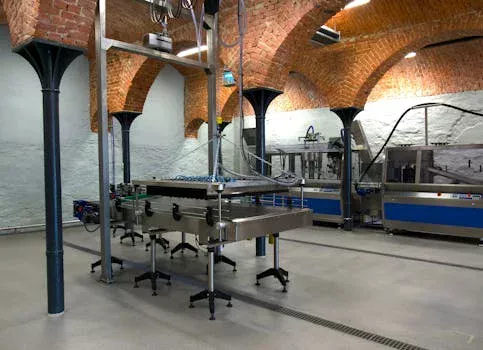
Selecting the appropriate treatment train for Algerian industrial sites requires a multi-stage approach, integrating mechanical separation, chemical conditioning, and advanced biological filtration. Each stage must be calibrated to the specific pollutant profile of the facility to ensure discharge standards are met reliably and cost-effectively.
Pre-treatment and Primary Separation
Effective pre-treatment is the first line of defense in any industrial ETP. Removing large solids, plastics, and fibrous debris is essential to protect downstream pumps and membranes from mechanical damage. Rotary Mechanical Bar Screens (GX Series) are frequently employed in industrial headworks to automate the removal of rags and abrasives. Following screening, primary treatment focuses on the removal of suspended solids and colloidal matter. Precise chemical dosing systems are utilized to inject coagulants and flocculants at exact ratios, destabilizing pollutants for easier separation.
Dissolved Air Flotation (DAF)
For industries dealing with high levels of FOG and suspended solids, such as dairy, poultry processing, or oil refining, Dissolved Air Flotation is the industry standard. This technology uses micro-bubbles to attach to particles and float them to the surface for mechanical skimming. Modern high-efficiency DAF systems are capable of handling flow rates from 4 to 300 m³/h. They are particularly effective in Algeria due to their compact footprint and ability to handle fluctuations in influent quality. For those in the procurement phase, consulting a comprehensive buyer's guide for DAF oil water separators can help in selecting the right capacity and material specifications.
Biological Treatment and Membrane Bioreactors (MBR)
Industrial facilities are increasingly turning to Membrane Bioreactors (MBR). MBR technology combines the biological degradation of organic matter with submerged membrane filtration, typically using PVDF flat sheet membranes. This process eliminates the need for secondary clarifiers and produces an effluent with a turbidity of less than 0.2 NTU. Advanced MBR membrane bioreactor solutions offer a 60% smaller footprint compared to traditional systems, which is vital for factories with limited space. Engineers often review a comparison of MBR vs. MBBR systems to determine which technology better handles their specific organic loading rates.
Sludge Management and Disinfection
The byproduct of these processes is sludge, which must be dewatered to reduce disposal costs. Efficient sludge dewatering with filter presses allows for the production of dry cakes with high solid content, significantly lowering transport and landfill fees. Finally, to ensure the treated water is safe for discharge or reuse, disinfection is required. Chlorine Dioxide (ClO₂) Generators are preferred for industrial sites because they provide superior microbial control over a wide pH range without producing the harmful disinfection byproducts associated with standard chlorine gas.
| Technology | Primary Industrial Application | Key Technical Advantage | Target Pollutants |
|---|---|---|---|
| Rotary Bar Screens (GX) | Textiles, Food Processing | Automated debris removal; protects pumps | Large solids, rags, fibers |
| DAF | Petrochemicals, Dairy, Slaughterhouses | High removal efficiency for emulsified oils | FOG, TSS, insoluble BOD |
| MBR (DF Series) | Pharmaceuticals, High-strength organics | Ultra-fine filtration (<0.1 μm); small footprint | Soluble BOD, COD, Bacteria |
| Filter Press | Mining, Chemical, Municipal Sludge | Produces high-solids cake (up to 40%+) | Biological and chemical sludge |
| ClO₂ Generators | All industrial discharge/reuse | On-site production; high efficacy at high pH | Pathogens, Biofilms |
Compliance and Water Reuse: Strategic Imperatives for Algerian Industries
Algerian environmental regulations mandate specific discharge limits for industrial pollutants, with failure to comply resulting in significant financial penalties and potential facility closures. Executive decrees outline strict parameters for pH, temperature, COD, BOD5, and heavy metal concentrations. For instance, heavy industrial zones are under increasing scrutiny to ensure that lead, chromium, and mercury do not enter the local ecosystems. Compliance is a component of Corporate Social Responsibility (CSR) that affects a company’s ability to secure international investment and export products to European markets.
Water reuse has emerged as a strategic imperative for Algerian industries facing rising water costs and supply interruptions. By treating wastewater to a higher standard, facilities can recycle water for non-potable applications such as cooling towers, floor washing, and landscape irrigation. Advanced reverse osmosis (RO) systems can be integrated after an MBR process to produce high-purity process water, effectively creating a "closed-loop" system. This significantly reduces the reliance on the municipal grid and protects the facility against the impacts of drought.
The Algerian government’s investment in over 230 WWTPs demonstrates a national commitment to water security. Industrial players can leverage this momentum by adopting decentralized treatment models. Decentralized on-site treatment allows for the recovery of valuable byproducts and ensures that the water returned to the environment meets or exceeds national standards, supporting the country's broader goal of sustainable water management.
Choosing the Right Partner for Your Industrial Wastewater Project in Algeria
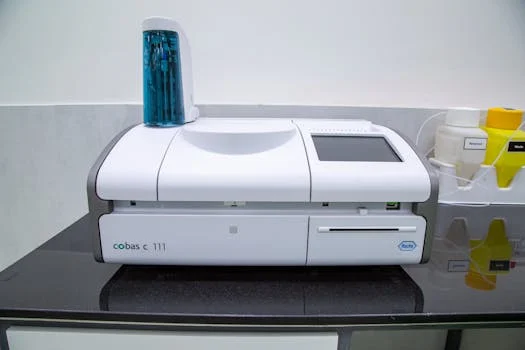
Successful implementation of industrial wastewater projects in Algeria depends on selecting a technology partner capable of providing robust equipment designed for high-salinity and high-temperature environments. A reliable supplier must offer more than just hardware; they must provide comprehensive engineering support, from initial effluent characterization to final commissioning. Given the logistical challenges of importing heavy equipment, choosing a partner with a streamlined supply chain and a history of successful installations in North Africa is essential.
Key criteria for selection should include the supplier's ability to customize systems for specific industrial loads and their commitment to after-sales service. In Algeria, where technical downtime can be costly, the availability of remote monitoring systems and rapid spare parts delivery is a major advantage. Decision-makers should look for partners who provide detailed O&M manuals and training for local staff, ensuring the long-term sustainability of the treatment plant. A total-solution approach—incorporating design, equipment supply, and installation supervision—minimizes project risk and ensures that the final system meets all Algerian environmental compliance requirements.
Frequently Asked Questions
What are the main types of industrial wastewater pollutants found in Algeria?
Common pollutants include high organic loads (BOD/COD) from food processing, dyes and surfactants from textiles, hydrocarbons and heavy metals from the oil and gas sector, and high salinity from various manufacturing processes.
What are the current regulations for industrial wastewater discharge in Algeria?
Regulations are governed by executive decrees that set maximum allowable concentrations for parameters like TSS, COD, and heavy metals. Facilities must typically obtain permits and are subject to periodic inspections by environmental authorities.
How can industrial facilities in Algeria achieve water reuse?
By utilizing a combination of MBR and Reverse Osmosis (RO), industries can treat wastewater to a quality suitable for cooling, irrigation, or specific industrial processes, significantly reducing freshwater consumption.
What are the common challenges in operating wastewater treatment plants in Algeria?
Key challenges include high ambient temperatures affecting biological processes, the need for skilled operators, and the logistical difficulty of sourcing specialized chemicals and spare parts.
Where can I find reliable suppliers for industrial wastewater treatment equipment in Algeria?
Reliable equipment is best sourced from international manufacturers with a proven track record in the MENA region who offer comprehensive support from design through to after-sales maintenance.