In Kota Kinabalu, sewage treatment equipment suppliers such as BioSolv and Tomher Environmental supply systems from mobile plug-and-play units (commissioned in about 1 week) to underground MBR plants with <1 μm membrane filtration. For 2025–2026 projects, buyers typically screen COD removal (92–97% for MBR trains), footprint (about 60% smaller than conventional STPs), and Sabah DOE discharge limits under the Environmental Quality (Sewage) Regulations 2009 (Standard A for new systems: BOD ≤ 20 mg/L, COD ≤ 120 mg/L). Conventional STPs for 50 m³/day often start near RM 500,000 CAPEX; MBR packages for similar capacity average about RM 800,000 but can cut OPEX by roughly 30% over 10 years when reuse is credited.
Why Kota Kinabalu Needs Reliable Sewage Treatment Equipment
Kota Kinabalu sewage projects fail when coastal corrosion, flood levels, and DOE Standard A/B limits are underspecified at tender. Plant engineers and EPCs should lock technology, footprint, and local support before CAPEX approval, because non-compliant discharge can trigger Environmental Quality Act 1974 enforcement, lost tourism revenue, and costly retrofit of aeration, membranes, or disinfection trains already installed.
Inadequate sewage treatment still threatens Kota Kinabalu’s tourism economy and industrial estates. A 2010 Sabah resort case cited untreated sewage reaching snorkeling waters, with DOE fines described up to RM 500,000 in that BioSolv Environmental case note. Coastal discharges also risk visible solids complaints that conventional clarification alone may not settle during peak occupancy weekends.
Sabah’s visitor-growth plans remain sensitive to beach and harbour water quality. DOE Malaysia stepped up enforcement in 2024 against non-compliant resorts and factories, so owners now ask for third-party effluent reports before handover. Most plants we size for KK coastal plots run toward Standard A when the outfall sits upstream of sensitive uses or hotel seawater intakes.
Local geography adds salt spray, high rainfall, and floodwater into wet wells. Equipment needs corrosion-resistant coatings, elevated pump stations, and modular trains that stay online through monsoon events. Specifying those details early cuts the usual round of change orders after civil works start on hillside or reclaimed parcels.
Sewage Treatment Equipment Types: Engineering Specs for Kota Kinabalu Projects
Shortlists of sewage treatment equipment suppliers for Kota Kinabalu hinge on capacity, FOG load, land area, and the applicable EQSR 2009 Standard A or B limits. MBR, conventional activated-sludge STPs, DAF pre-treatment, and containerized plug-and-play units cover most resort, municipal, and industrial briefs across Sabah.
Membrane Bioreactor (MBR) trains combine biological treatment with membrane filtration, so secondary clarifiers are omitted and effluent can support reuse. Conventional STPs use activated sludge, clarification, then disinfection. Dissolved Air Flotation (DAF) is a physical-chemical step for high fats, oils, and grease (FOG). Mobile plug-and-play units arrive pre-fabricated for short programmes where civil works windows are measured in days, not months.
For space-limited sites, MBR systems for space-constrained resorts and urban developments deliver tighter footprints with COD removal typically 92–97% when membranes are kept within design flux. Underground STPs for urban sewage treatment hide the plant under landscaping where surface land is scarce. DAF systems remain the first cut for food processors and other high-FOG discharges before biological polishing.
Table 1: Sewage Treatment Equipment Types & Engineering Specifications for Kota Kinabalu
| System Type | Capacity Range (m³/day) | COD Removal (%) | TSS Removal (%) | Footprint (m²) | Energy Consumption (kWh/m³) | Ideal Use Case |
|---|---|---|---|---|---|---|
| MBR System | 50 - 5,000+ | 92–97% (effluent COD ≤ 50 mg/L) | >98% (effluent TSS ≤ 10 mg/L) | 60% smaller than conventional | 0.8 - 1.5 | Space-constrained resorts, urban developments, water reuse projects |
| Conventional STP (Activated Sludge) | 100 - 10,000+ | 85–90% (effluent COD ≤ 120 mg/L) | 90–95% (effluent TSS ≤ 50 mg/L) | Standard (large) | 0.4 - 0.8 | Large municipal projects, sites with ample land availability |
| Dissolved Air Flotation (DAF) | 10 - 2,000 | 70–90% (pre-treatment) | 90–99% (FOG, suspended solids) | Moderate | 0.3 - 0.6 | Industrial wastewater (food processing, slaughterhouses, high FOG) |
| Mobile Plug-and-Play Unit | 10 - 500 | 88–95% (BioSolv data) | 90–97% | Compact (containerized) | 0.6 - 1.2 | Temporary projects (construction sites, events), remote camps, urgent needs |
Mobile trains handling 10–100 m³/day (BioSolv data) fit construction camps and phased resort openings. Underground package plants suit dense KK parcels where neighbours reject tall plant rooms. DAF should sit upstream of biology whenever kitchen or slaughterhouse FOG would blind membranes or float in clarifiers. Conventional STPs still need sludge removal every 3–6 months, which raises haulage cost on remote Sabah sites without nearby disposal contractors.
Energy figures in Table 1 assume continuous aeration at design MLSS and tropical water temperatures near 28–32 °C. Plants that idle blowers overnight on occupancy sensors often sit at the lower end of each kWh/m³ band. MBR flux must be derated when influent oil and grease stay above the pre-treatment target after DAF, or transmembrane pressure climbs within weeks.
Cost Breakdown: CAPEX, OPEX, and ROI for Kota Kinabalu Sewage Treatment Systems
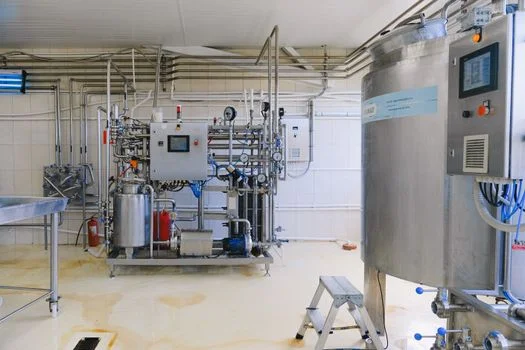
CAPEX, OPEX, and payback for Kota Kinabalu sewage plants move with technology, design flow, flood elevation, and whether treated water is reused. Procurement teams should compare itemized equipment, civil works, permits, and sludge logistics rather than a single lump-sum figure that hides import freight and crane days.
Table 2: Estimated Cost Breakdown for Sewage Treatment Systems in Kota Kinabalu (2025)
| System Type | Capacity (m³/day) | CAPEX (RM) | OPEX (RM/year) | Installation Time | ROI (years) |
|---|---|---|---|---|---|
| Conventional STP | 50 | 500,000 – 800,000 | 50,000 – 80,000 | 8 – 12 weeks | 8 – 12 (without water reuse) |
| Conventional STP | 200 | 1,200,000 – 1,800,000 | 150,000 – 250,000 | 12 – 16 weeks | 10 – 15 (without water reuse) |
| MBR System | 50 | 800,000 – 1,200,000 | 35,000 – 55,000 | 10 – 14 weeks | 5 – 7 (with water reuse) |
| MBR System | 200 | 2,500,000 – 3,500,000 | 100,000 – 160,000 | 14 – 20 weeks | 4 – 6 (with water reuse) |
| Underground STP (WSZ Series) | 10 – 50 | 300,000 – 600,000 | 30,000 – 70,000 | 4 – 6 weeks | 7 – 10 (HydropureWater data) |
| Mobile Plug-and-Play Unit | 50 (Lease) | N/A (Lease) | RM 15,000/month (BioSolv data) | 1 week | Immediate (short-term projects) |
CAPEX usually splits as equipment (60%), civil works (20%), permits and engineering (10%), and commissioning (10%). HydropureWater’s Underground Package Sewage Treatment Plant (WSZ Series) for 10–50 m³/day is typically priced at RM 300,000–600,000. OPEX is driven by energy (30–50%), chemicals (20%), maintenance (15%), and sludge disposal (10%). MBR packages often show about 30% lower OPEX than conventional STPs over 10 years when sludge mass drops and reuse displaces freshwater (HydropureWater data).
Resorts with 100+ rooms can see MBR payback in 5–7 years when irrigation or toilet flushing credits are real. For wider benchmarking, see global cost benchmarks for sewage treatment systems. Kota Kinabalu flood elevation can add 15–20% to civil works, and permit fees commonly run RM 5,000–20,000 depending on PE and outfall class.
Budget holders should also reserve contingency for membrane replacement cycles, diesel for standby gensets during grid outages, and tanker haulage when the digester or holding tank is undersized for monsoon weekends. Those line items rarely appear in brochure CAPEX yet dominate year-two OPEX on coastal Sabah sites.
Sabah Regulatory Compliance: What Suppliers Must Guarantee
Sabah sewage projects must meet the Environmental Quality (Sewage) Regulations 2009 as enforced by DOE Malaysia, not a generic “2025 limit sheet.” Buyers should demand written Standard A or Standard B targets, third-party lab methods, and DOE approval before civil works start.
Earlier summaries often list a single Sabah set of BOD ≤ 20 mg/L, COD ≤ 120 mg/L, TSS ≤ 50 mg/L, NH₃-N ≤ 5 mg/L, and pH 6–9. According to EQSR 2009 discharge tables used in DOE training materials, those BOD/COD/SS figures match Standard A for new sewage treatment systems; Standard B allows BOD ≤ 50 mg/L, COD ≤ 200 mg/L, and SS ≤ 100 mg/L for other inland or Malaysian waters. Ammoniacal nitrogen for new systems is 5.0 mg/L to enclosed water bodies and 10.0 mg/L to rivers under Standard A (EQSR 2009 Second Schedule).
- Biochemical Oxygen Demand (BOD): ≤ 20 mg/L (Standard A, new systems)
- Chemical Oxygen Demand (COD): ≤ 120 mg/L (Standard A, new systems)
- Total Suspended Solids (TSS): ≤ 50 mg/L (Standard A, new systems)
- Ammonia-Nitrogen (NH₃-N): ≤ 5 mg/L (enclosed water body, Standard A) or ≤ 10 mg/L (river, Standard A)
- pH: 6.0–9.0 (Standard A)
Penalties under the Environmental Quality Act 1974 remain severe, including fines described up to RM 500,000 or imprisonment up to 5 years for serious or repeat offences in project briefings. EQSR 2009 applies to premises discharging sewage to soil, inland waters, or Malaysian waters. Earlier guidance sometimes cited exemptions below 50 PE; Regulation 3 instead excludes housing or commercial development (or both) with population equivalent less than 150 (FMM key highlights of EQSR 2009).
Certification practice on Sabah jobs usually requires: (1) independent lab reports against the stated Standard, (2) DOE approval before installation, and (3) annual environmental audits on industrial sites. Suppliers of hospital wastewater treatment systems compliant with Sabah DOE limits must document those steps clearly. Coastal outfalls often need stronger disinfection and no visible floating solids; flood-prone plots need elevated hydraulics and backup power so wet-weather bypass does not become routine.
Ask every bidder for Sabah references, DOE approval letters for the proposed train, and warranty language that covers effluent performance—not only mechanical defects after the defects-liability period ends.
How to Compare Sewage Treatment Equipment Suppliers in Kota Kinabalu
Vendor shortlists for Kota Kinabalu plants should score coastal installation experience, documented EQSR compliance, itemized CAPEX/OPEX, and Sabah spare-parts response—not the lowest equipment-only quote. Weight local support higher on island or flood-prone sites where a two-week parts delay can breach consent conditions during peak season.
How do you compare wastewater treatment plant equipment suppliers?
You compare wastewater treatment plant equipment suppliers by scoring Sabah references, Standard A/B design proof, itemized costs, and local service response on a 1–5 scale, then applying project weights. Table 3 below is the checklist most EPCs can drop into a tender clarification sheet without rewriting the whole RFQ.
Table 3: Supplier Evaluation Checklist for Sewage Treatment Equipment in Kota Kinabalu
| Criterion | Description | Scoring (1-5) | Weighting (1-3) |
|---|---|---|---|
| 1. Local Experience & Track Record | Has the supplier installed systems in Sabah, particularly in coastal or flood-prone areas? Can they provide local references? | 1=None, 5=Multiple, successful projects | 3 (High for remote sites) |
| 2. Technical Specifications & Compliance | Does the proposed system meet or exceed DOE Malaysia's 2025 limits for your project? Are third-party test reports and DOE approval letters available? | 1=Below limits, 5=Exceeds limits with certifications | 3 (Critical) |
| 3. Cost Transparency & Value | Are CAPEX and OPEX itemized clearly, including hidden costs (permits, civil works, sludge disposal)? Is the ROI clearly demonstrated? | 1=Vague estimates, 5=Detailed, transparent breakdown | 2 |
| 4. Post-Sales Support & Maintenance | Is 24/7 technical support, spare parts availability, and routine maintenance service offered locally in Sabah? What are response times? | 1=Limited, 5=Comprehensive, local support | 3 (High for operational continuity) |
| 5. Scalability & Future-Proofing | Can the system be easily expanded to accommodate future growth in capacity (e.g., increased population equivalent or industrial discharge)? | 1=Fixed capacity, 5=Modular, expandable design | 2 (High for growing projects) |
Score each row 1–5 from references and clarification replies, then multiply by the weight that matches your site risk. Remote camps should keep local experience and post-sales support at weight 3. A Tomher Environmental BioSolv deployment cited for a PETRONAS Methanol Plant reported about 70% shorter installation time and DOE compliance within two weeks, which is the kind of evidence that earns a high local-experience score on coastal Sabah duties.
Selection checklist before award: (1) design flow and peaking factor stated in m³/day, (2) Standard A or B named for the outfall, (3) FOG and ammonia loads with pre-treatment notes, (4) sludge haul route and frequency, (5) spare-parts lead time in writing, (6) flood level relative to finished floor, and (7) named commissioning chemist for the first 30 days.
What makes wastewater treatment equipment suppliers reliable?
Reliable wastewater treatment plant vendors show Sabah coastal references, DOE approval letters for the exact process train, itemized OPEX including sludge haulage, and named local technicians with spare-parts lead times in writing. Red flags include no site-visit access, vague CAPEX, missing compliance documents, and delivery promises beyond 12 weeks without a critical-path explanation. Request pilot tests for complex industrial wastewater and performance language tied to effluent limits, not only mechanical warranty hours.
Who This Is For / Next Step
This guide is for plant engineers, EPC contractors, and procurement managers sizing resort, municipal, or light-industrial sewage trains in and around Kota Kinabalu. Owners chasing the absolute lowest equipment-only price without DOE paperwork or Sabah service cover should look elsewhere. When you have flow, influent COD/BOD, and the outfall Standard (A or B), request a packaged sewage treatment quote with itemized CAPEX, OPEX, and compliance documentation for your plot.
Frequently Asked Questions
Can I lease sewage treatment equipment in Kota Kinabalu instead of buying?
Yes. Some suppliers, including BioSolv, lease mobile units—about RM 15,000/month for a 50 m³/day train—which suits construction camps and short events. Leasing avoids large upfront CAPEX. Over a 5-year horizon, lease totals can run 20–30% higher than purchase for the same capacity, so compare total cash and sludge/service inclusions before signing.
What is the fastest sewage treatment system to install in Sabah?
Mobile plug-and-play units can be installed and commissioned in about 1 week because they arrive pre-fabricated. By contrast, underground STPs or conventional plants usually need 4–6 weeks of civil works plus installation. Mobile units may cost about 30% more per unit capacity, but they cut downtime when a consent deadline is already close.
How do I ensure my sewage treatment system complies with Sabah’s DOE limits?
Select a supplier with DOE-approved Sabah references and keep their approval letters on file. Run independent third-party lab tests before commissioning, then schedule audits—especially on industrial sites. Match design to EQSR 2009 Standard A or B for your outfall. Project briefings still cite non-compliance fines starting around RM 50,000, so treat consent conditions as a design input, not a post-handover task.
What is the most cost-effective sewage treatment system for a 100-room resort in Kota Kinabalu?
MBR systems often cost about RM 1.2M CAPEX for this duty and can cut OPEX by about 30% over 10 years through smaller footprint, reuse-quality effluent, and less sludge. Conventional STPs may start near RM 800,000 but need more land and more maintenance. Choose MBR when land is tight or reuse is in the ROI model.
Do sewage treatment suppliers in Kota Kinabalu offer financing?
Some suppliers partner with banks on green financing at roughly 3–5% interest in past project notes. Confirm MGTC certification and bank terms before counting the facility in your funding plan.