Why Puebla’s Wastewater Treatment Costs Are Rising in 2025: Industrial Growth vs. Regulatory Pressure
Puebla's industrial output surged by 5.2% in 2023 (INEGI), leading to an estimated 45,000 m³/day increase in wastewater generation. According to CONAGUA data from 2023, only about 12% of this industrial effluent was adequately treated. This rising volume, combined with stricter national standards like NOM-001-SEMARNAT (BOD <30 mg/L, TSS <40 mg/L) and NOM-003-SEMARNAT, which take full effect in 2025, is compelling industries to invest in advanced on-site treatment. The updated NOM-001-SEMARNAT, specifically, introduces more stringent discharge limits for a wider range of pollutants, including heavy metals, nutrients (nitrogen and phosphorus), and specific organic compounds, depending on the receiving body of water. This necessitates more sophisticated treatment processes than previously required, driving up both capital and operational expenditures.
Agua de Puebla’s near-monopoly on water services, with 98% of its capacity reported offline (Periódico Central, 2024), leaves many industrial facilities no alternative but to implement their own package wastewater treatment plants. This lack of reliable municipal treatment infrastructure places the full burden of compliance and treatment costs directly on industrial operators. Furthermore, the enforcement of these regulations is expected to intensify, with CONAGUA increasing inspections and imposing significant fines for non-compliance, which can range from MXN 20,000 to MXN 1,000,000 per violation, alongside potential facility closures.
Automotive manufacturing and food processing industries face particular challenges. Automotive effluents, often containing heavy metals (chromium, nickel, zinc), oils, greases, and variable organic loads from painting, degreasing, and washing processes, require multi-stage treatment systems. These typically involve physical-chemical treatment for heavy metal precipitation and oil separation, followed by biological treatment for organic removal. Food processing wastewater, characterized by high concentrations of Fats, Oils, and Greases (FOG), Biochemical Oxygen Demand (BOD), and Chemical Oxygen Demand (COD), demands robust FOG removal (e.g., Dissolved Air Flotation) and efficient biological treatment to meet discharge limits. Other sectors, such as textiles, pharmaceuticals, and petrochemicals, also contribute complex waste streams, all of which demand tailored treatment solutions and contribute to the overall increase in wastewater treatment plant costs in Puebla.
Puebla Wastewater Treatment Plant Cost Breakdown: CAPEX and OPEX by Capacity and Technology
Capital and operational expenditures for wastewater treatment plants in Puebla vary significantly by plant capacity and the chosen technology. For 2025, CAPEX for industrial systems ranges from approximately $250,000 for a compact 10 m³/day Membrane Bioreactor (MBR) system to $2.1 million for a 500 m³/day Dissolved Air Flotation (DAF) plant with biological treatment. These figures encompass equipment procurement, civil works, installation, engineering design, and permitting fees. Civil works, including tanks, foundations, and control buildings, can account for 20-30% of total CAPEX, while specialized equipment like membrane modules or advanced aeration systems represent another 40-60%.
Operational costs depend heavily on energy use, chemical inputs, labor, maintenance, and sludge disposal fees. In Puebla, sludge disposal costs range from MXN 500 to MXN 1,500 per ton, while labor costs align with the 2025 minimum wage of MXN 248.93 per day, though specialized technicians command higher rates. Key regional factors include 10–15% higher energy costs due to high-altitude aeration challenges, which increase the power demand for blowers in biological treatment systems. Additionally, 20–30% increased CAPEX for MBR systems can be attributed to limited local membrane module supply chains, often requiring imports and incurring higher shipping and customs duties. Chemical costs, such as coagulants, flocculants, and pH adjusters, can also fluctuate based on global supply chains and local availability.
Typical MBR System CAPEX for Industrial Applications in Puebla (2025)
| Plant Capacity (m³/day) | MBR System CAPEX (USD) | Key Components Included |
|---|---|---|
| 10 | $250,000 - $350,000 | Compact MBR unit, pre-treatment (screen, equalization), aeration, sludge handling, controls |
| 50 | $600,000 - $850,000 | Modular MBR system, enhanced pre-treatment, larger aeration, chemical dosing, basic automation |
| 100 | $1,100,000 - $1,500,000 | Custom MBR design, advanced pre-treatment, robust aeration, nutrient removal, full automation |
| 250 | $2,000,000 - $2,800,000 | Large-scale MBR, comprehensive pre-treatment, advanced biological processes, sludge dewatering |
| 500 | $3,500,000 - $4,800,000 | Integrated MBR solution, extensive civil works, energy recovery options, remote monitoring |
Estimated Annual OPEX for Industrial WWTPs in Puebla (2025)
| Cost Category | Typical Range (USD/year) for 100 m³/day Plant | Puebla-Specific Considerations |
|---|---|---|
| Energy Consumption | $30,000 - $60,000 | 10-15% higher due to altitude for aeration, pump efficiency critical. |
| Chemicals | $15,000 - $35,000 | Coagulants, flocculants, pH adjusters. Varies by influent quality. |
| Labor | $25,000 - $45,000 | 1-2 operators (minimum wage + benefits), specialized technician visits. |
| Maintenance & Spares | $10,000 - $25,000 | Routine checks, membrane cleaning, pump repairs, sensor calibration. |
| Sludge Disposal | $20,000 - $50,000 | MXN 500-1,500/ton. Volume reduction (dewatering) is key to cost savings. |
| Permitting & Compliance | $5,000 - $10,000 | Monitoring, reporting, CONAGUA fees, laboratory analysis. |
| Total Annual OPEX | $105,000 - $225,000 | Significant variability based on technology, automation, and influent characteristics. |
Key Technologies for Industrial Wastewater Treatment in Puebla
Selecting the appropriate wastewater treatment technology is paramount for achieving compliance and optimizing costs in Puebla. The choice depends on influent characteristics, desired effluent quality, available space, and budget. Common technologies employed in industrial settings include:
- Membrane Bioreactors (MBR): MBR systems integrate biological treatment with membrane filtration, offering superior effluent quality (BOD <10 mg/L, TSS <5 mg/L) suitable for direct discharge or reuse. They are compact, require less footprint than conventional systems, and are highly effective for high-strength industrial effluents, particularly in food processing, pharmaceuticals, and automotive industries. However, MBRs have higher CAPEX and OPEX due to membrane costs, energy for aeration, and membrane cleaning.
- Dissolved Air Flotation (DAF): DAF is highly effective for removing suspended solids, oils, greases, and some heavy metals. It's a primary treatment often used in food processing, slaughterhouses, and petrochemical industries to reduce FOG and TSS before biological treatment. DAF systems are relatively compact and offer quick separation, but require chemical dosing (coagulants, flocculants) and generate sludge that needs further handling.
- Conventional Activated Sludge (CAS): This widely used biological treatment involves an aeration tank where microorganisms consume organic pollutants, followed by a clarifier for solid-liquid separation. CAS is robust and cost-effective for large volumes of wastewater with moderate organic loads. However, it requires a larger footprint, produces more sludge, and may struggle with highly variable or toxic industrial effluents without significant pre-treatment.
- Upflow Anaerobic Sludge Blanket (UASB): UASB reactors are suitable for high-strength organic wastewater, particularly in food and beverage industries. They operate anaerobically, producing biogas (methane) as a valuable byproduct, which can offset energy costs. UASB systems have lower energy consumption than aerobic systems but require careful operation and are less effective for low-strength wastewater or those with high levels of suspended solids.
- Physical-Chemical Treatment: This involves processes like coagulation, flocculation, sedimentation, and pH adjustment to remove suspended solids, heavy metals, and certain organic compounds. It's often used as a pre-treatment step for complex industrial effluents, such as those from metal finishing or textile dyeing, to reduce the load on subsequent biological stages.
The selection process should involve a detailed wastewater analysis, pilot testing, and a comprehensive cost-benefit analysis considering both initial investment and long-term operational expenses.
Navigating NOM-001-SEMARNAT Compliance and Penalties
Compliance with NOM-001-SEMARNAT-2021 is non-negotiable for industrial facilities discharging wastewater into national waters in Puebla. The regulation establishes maximum permissible limits (MPLs) for a wide array of pollutants, categorized by the type of receiving body (e.g., rivers, lakes, oceans, soil). Key parameters include Biochemical Oxygen Demand (BOD5), Chemical Oxygen Demand (COD), Total Suspended Solids (TSS), pH, Fats and Oils (FOG), Nitrogen (Total Kjeldahl Nitrogen - TKN, Ammonia Nitrogen - NH3-N), Phosphorus (Total Phosphorus - TP), and various heavy metals (e.g., Chromium, Lead, Cadmium, Mercury).
Industrial operators must conduct regular monitoring and analysis of their effluent, typically by accredited laboratories, to demonstrate compliance. The frequency of monitoring depends on the volume of discharge and the specific industry. Records of these analyses must be maintained and submitted to CONAGUA as required. Non-compliance can result in severe penalties, including:
- Fines: Monetary penalties ranging from MXN 20,000 to MXN 1,000,000, depending on the severity and recurrence of the violation.
- Temporary or Permanent Closure: Facilities repeatedly failing to comply or causing significant environmental damage may face temporary or permanent closure orders.
- Criminal Charges: In cases of severe environmental damage or intentional non-compliance, individuals responsible may face criminal charges.
- Public Exposure: Non-compliant facilities may be publicly named, leading to reputational damage and loss of consumer trust.
To ensure compliance, industrial buyers should:
- Conduct a detailed wastewater characterization: Understand the exact composition and variability of their effluent.
- Implement robust pre-treatment: Address specific pollutants (e.g., FOG, heavy metals) before biological treatment.
- Invest in appropriate treatment technology: Select systems capable of consistently meeting the most stringent MPLs for their discharge point.
- Establish a rigorous monitoring program: Regularly sample and analyze effluent, maintaining accurate records.
- Train personnel: Ensure operators are skilled in managing and maintaining the WWTP.
- Develop contingency plans: Prepare for potential upsets or equipment failures to prevent non-compliant discharges.
Optimizing OPEX: Sludge Management and Energy Efficiency
Operational expenditures (OPEX) represent a significant ongoing cost for industrial wastewater treatment plants in Puebla. Two major contributors to OPEX are sludge management and energy consumption. Optimizing these areas can lead to substantial long-term savings.
Sludge Management
Wastewater treatment processes generate sludge, a byproduct that requires proper handling and disposal. Sludge typically contains high water content, making it heavy and costly to transport. In Puebla, disposal fees can range from MXN 500 to MXN 1,500 per ton, making volume reduction critical. Technologies for sludge dewatering include:
- Plate-and-Frame Filter Presses: These mechanical dewatering devices use pressure to squeeze water out of sludge, significantly reducing its volume (often achieving 25-40% dry solids content). This translates directly into lower transportation and disposal costs. They are robust and effective for various sludge types.
- Belt Filter Presses: Similar to plate-and-frame presses, belt presses use gravity and pressure to dewater sludge, often used for larger volumes.
- Centrifuges: High-speed rotation separates solids from liquids, offering continuous operation and high dewatering efficiency, though with higher energy consumption.
Implementing effective sludge dewatering can reduce sludge volume by 60-80%, leading to substantial savings in disposal fees. Furthermore, exploring options for beneficial reuse of dewatered sludge, such as composting or energy recovery (if regulations permit and sludge quality allows), can further reduce costs and environmental impact.
Energy Efficiency
Energy consumption, primarily for aeration (in aerobic biological processes) and pumping, can account for 30-60% of a WWTP's total OPEX. Given Puebla's higher energy costs due to altitude, optimizing energy use is crucial:
- High-Efficiency Blowers and Pumps: Investing in variable frequency drive (VFD) controlled blowers and pumps allows for precise control of air supply and flow rates, matching demand and reducing energy waste.
- Aeration System Optimization: Fine-bubble diffusers offer higher oxygen transfer efficiency compared to coarse-bubble systems, reducing the energy required for aeration. Advanced control systems can also optimize dissolved oxygen levels, preventing over-aeration.
- Process Automation and Control: Implementing SCADA systems and advanced process controls can optimize chemical dosing, pump cycles, and aeration, ensuring efficient operation and minimizing energy and chemical waste.
- Anaerobic Treatment Integration: For high-strength organic wastewater, integrating anaerobic processes (like UASB) can significantly reduce energy demand by producing biogas, which can be used to generate electricity or heat for the plant.
- Energy Audits: Regular energy audits can identify areas of inefficiency and recommend targeted improvements, leading to continuous optimization of energy consumption.
By strategically investing in sludge dewatering and energy-efficient technologies, industrial facilities in Puebla can significantly reduce their long-term operational costs, improving the overall economic viability of their wastewater treatment operations.
Related Equipment
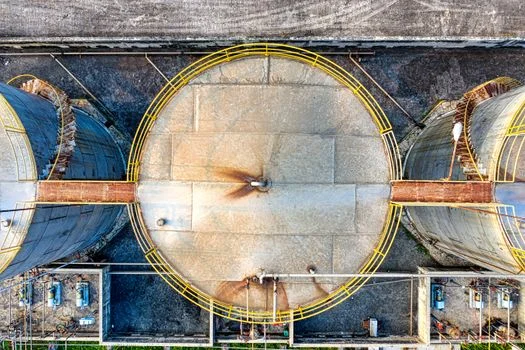
The following HydropureWater products are engineered for the wastewater challenges discussed above:
- Puebla’s top choice for high-strength industrial effluents: MBR systems with BOD <10 mg/L — view specifications, capacity range, and technical data
- Cost-effective DAF systems for Puebla’s high-FOG food processing wastewater — view specifications, capacity range, and technical data
- Slash Puebla’s sludge disposal fees by 60% with plate-and-frame filter presses — view specifications, capacity range, and technical data
Need a customized solution? Request a free quote with your specific flow rate and pollutant parameters.