Solar Cell Grinding Wastewater Treatment: 2025 Engineering Specs, 99.9% Fluoride Removal & Cost-Optimized ZLD Systems
Solar cell grinding wastewater treatment requires specialized systems to remove fluoride (up to 99.9%), heavy metals (effluent <1 ppm), and suspended solids from crystalline silicon PV manufacturing. Key processes include chemical precipitation (Ca(OH)₂ dosing at 1.2–1.5× stoichiometric ratio for fluoride), dissolved air flotation (DAF) for TSS removal (92–97% efficiency), and membrane bioreactors (MBR) or reverse osmosis (RO) for zero liquid discharge (ZLD). Typical influent fluoride concentrations range from 50–500 mg/L, with China GB 8978-1996 limiting discharge to ≤10 mg/L. Costs vary from $0.32/m³ for conventional treatment to $0.85/m³ for ZLD systems, depending on flow rate and recovery targets.
Why Solar Cell Grinding Wastewater Requires Specialized Treatment
Crystalline silicon solar cell manufacturing processes generate complex wastewater streams, particularly from saw damage removal and texturing, which necessitate specialized treatment for regulatory compliance. These initial stages, crucial for preparing silicon wafers, involve aggressive chemical etching using hydrofluoric (HF) and nitric (HNO₃) acids. This results in high-concentration HF wastewater in the grinding and texturing effluents, typically containing 50–500 mg/L of fluoride and 100–1,000 mg/L of total suspended solids (TSS). subsequent processes like phosphorus silicate glass (PSG) etching and emitter formation introduce additional contaminants such as phosphorus (10–100 mg/L) and heavy metals, including nickel and copper, into the wastewater streams. Without effective treatment, these pollutants pose significant environmental risks and lead to severe regulatory penalties.
Regulatory bodies worldwide impose strict limits on industrial wastewater discharge. For instance, China's GB 8978-1996 standard limits fluoride discharge to ≤10 mg/L and total heavy metals to ≤1 mg/L, alongside a Chemical Oxygen Demand (COD) limit of ≤100 mg/L. The EU Industrial Emissions Directive 2010/75/EU is even more stringent for direct discharge, requiring COD ≤50 mg/L and TSS ≤35 mg/L. Failure to meet these standards can result in substantial fines and operational shutdowns. A notable example occurred in 2023 when a major PV manufacturer in Jiangsu, China, faced a $250,000 fine due to repeated fluoride exceedances in its treated effluent, underscoring the critical need for robust and compliant detailed engineering specs for HF wastewater treatment systems.
Engineering Process Flow for Solar Cell Grinding Wastewater Treatment
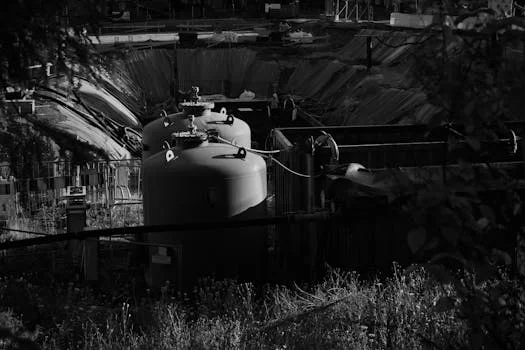
Effective treatment of solar cell grinding wastewater typically follows a multi-stage engineering process flow designed to sequentially remove contaminants and achieve discharge or reuse standards. This integrated approach ensures robust removal of fluoride, heavy metals, and suspended solids.
- Step 1: Equalization Tank. Influent wastewater, characterized by fluctuating pH (2–12) and intermittent fluoride spikes, is first directed to an equalization tank. This stage typically employs a hydraulic retention time (HRT) of 2–4 hours to homogenize the wastewater characteristics, providing a more stable feed for subsequent treatment steps.
- Step 2: Chemical Precipitation. The primary method for fluoride removal involves chemical precipitation using calcium hydroxide (Ca(OH)₂). Dosing is critical, typically maintained at 1.2–1.5 times the stoichiometric ratio for fluoride, achieving a pH of 8–9. This promotes the formation of insoluble calcium fluoride (CaF₂) sludge. Concurrently, heavy metals precipitate as hydroxides.
- Step 3: Dissolved Air Flotation (DAF) System. Following chemical precipitation, the wastewater flows into a DAF system. These units are highly effective for removing precipitated CaF₂, metal hydroxides, and suspended solids, achieving 92–97% TSS removal efficiency and reducing effluent TSS to 5–10 mg/L. HydropureWater's DAF systems for solar cell grinding wastewater are designed for flow rates from 4 to 300 m³/h, optimizing solid-liquid separation.
- Step 4: MBR or RO for Further Polishing. For stricter discharge limits or water reuse, further polishing is necessary. Membrane bioreactors (MBR) utilize 0.1 µm PVDF membranes, operating at a typical flux of 15–25 LMH (liters per square meter per hour) to achieve high-quality effluent suitable for non-potable reuse. Alternatively, reverse osmosis (RO) systems are employed for zero liquid discharge (ZLD) applications, achieving up to 95% water recovery at operating pressures of 10–15 bar. HydropureWater offers integrated MBR systems for near-reuse-quality effluent and RO water purification systems.
- Step 5: Sludge Dewatering and Fluoride Adsorption. The concentrated sludge from DAF and membrane systems requires dewatering. Plate-and-frame filter presses typically achieve 20–30% dry solids content, significantly reducing sludge volume for disposal. For ZLD systems, residual fluoride ions can be further adsorbed using activated alumina or ion exchange resins, ensuring the highest water quality. HydropureWater's high-efficiency sludge dewatering for CaF₂ and metal hydroxide sludges is critical for managing waste solids.
| Process Step | Key Parameter | Typical Value/Range | Purpose |
|---|---|---|---|
| Equalization Tank | Hydraulic Retention Time (HRT) | 2-4 hours | Homogenize influent pH (2-12) and fluoride spikes |
| Chemical Precipitation | Ca(OH)₂ Dosing Ratio | 1.2-1.5× stoichiometric | Form CaF₂ sludge, precipitate heavy metals |
| Chemical Precipitation | Optimal pH Range | 8-9 | Maximize fluoride and metal precipitation |
| DAF System | TSS Removal Efficiency | 92-97% | Separate precipitated solids and suspended solids |
| MBR System | Membrane Pore Size | 0.1 µm | Remove suspended solids, bacteria, viruses |
| MBR System | Membrane Flux Rate | 15-25 LMH | Water production rate through membranes |
| RO System | Water Recovery Rate | 90-95% | Produce high-purity permeate for reuse |
| RO System | Operating Pressure | 10-15 bar | Drive water through RO membranes |
| Sludge Dewatering | Dry Solids Content | 20-30% | Reduce sludge volume for disposal |
Chemical Dosing and Reaction Kinetics for Fluoride Removal
Optimal fluoride removal from solar cell grinding wastewater relies on precise chemical dosing and controlled reaction kinetics, primarily through calcium hydroxide (Ca(OH)₂) precipitation. The effectiveness of this process is highly dependent on maintaining specific conditions to achieve the desired effluent quality.
The optimal Ca(OH)₂ dosing for fluoride removal is typically maintained at 1.2–1.5 times the stoichiometric ratio required to react with the fluoride ions present. For example, approximately 1.35 kg of Ca(OH)₂ is needed per kilogram of fluoride (F⁻) to ensure complete precipitation. This slight excess ensures that all available fluoride ions can react to form calcium fluoride (CaF₂), which is highly insoluble. The reaction time is crucial for efficient precipitation, with 30–60 minutes generally required for CaF₂ to form and coalesce into settlable flocs. Throughout this reaction, the pH must be carefully maintained within an optimal range of 8–9. Deviations from this range can significantly reduce precipitation efficiency; a pH too low leaves unreacted fluoride, while a pH too high can lead to the formation of soluble calcium complexes, hindering removal.
Sludge production is an inherent outcome of chemical precipitation, with typical rates ranging from 0.5–0.8 kg of dry sludge per cubic meter (m³) of wastewater treated. This sludge, primarily CaF₂ and metal hydroxides, requires subsequent dewatering and disposal. Common dosing mistakes include overdosing, which can lead to scaling in downstream equipment like DAF systems and increased chemical costs, or underdosing, which results in fluoride exceedances in the effluent and non-compliance. HydropureWater's PLC-controlled chemical dosing for fluoride precipitation systems precisely manage reagent addition, while high-efficiency sludge dewatering for CaF₂ and metal hydroxide sludges helps manage the resulting solids.
| Influent F⁻ (mg/L) | Ca(OH)₂ Dose (mg/L) | Effluent F⁻ (mg/L) | Sludge Production (kg/m³) |
|---|---|---|---|
| 50 | 70-90 | <5 | 0.15-0.25 |
| 100 | 135-165 | <5 | 0.30-0.45 |
| 200 | 270-330 | <5 | 0.50-0.70 |
| 300 | 405-495 | <5 | 0.75-1.00 |
| 500 | 675-825 | <5 | 1.25-1.70 |
Membrane Systems for Zero Liquid Discharge (ZLD) in Solar PV Manufacturing
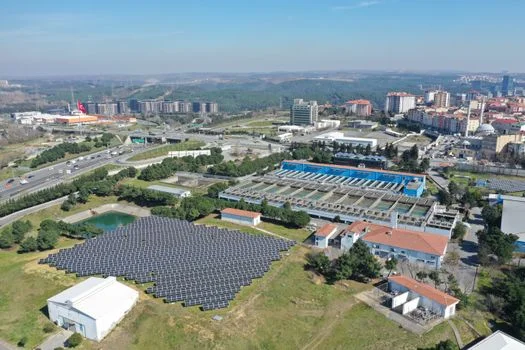
Achieving Zero Liquid Discharge (ZLD) in solar PV manufacturing wastewater treatment typically involves advanced membrane systems such as Membrane Bioreactors (MBR) and Reverse Osmosis (RO). These technologies are crucial for maximizing water recovery and minimizing environmental impact, particularly for facilities aiming for sustainable operations or operating in water-stressed regions.
MBR systems, like HydropureWater's DF series MBR modules, integrate biological treatment with membrane filtration, using 0.1 µm PVDF membranes. They operate at typical flux rates of 15–25 LMH and can achieve up to 90% water recovery, producing high-quality effluent with low COD and TSS. Energy consumption for MBRs generally ranges from 0.6–1.0 kWh/m³. This treated water is often suitable for various reuse applications, significantly reducing fresh water demand. For even higher purity and near-total water recovery, RO systems are employed. These systems can achieve 90–95% recovery rates, operating at pressures between 10–15 bar, but with higher energy consumption, typically 2.5–4.0 kWh/m³. RO systems effectively remove dissolved salts, heavy metals, and residual organics, delivering water suitable for ultrapure water (UPW) makeup or other critical process uses. Hybrid ZLD systems, combining MBR, RO, and often an evaporator or crystallizer, push recovery to 99% or more, but come with higher operational costs, ranging from $0.85–$1.20/m³.
Membrane fouling is a significant operational challenge in both MBR and RO systems. Common risks include silica scaling, organic fouling from residual dissolved organic compounds, and biofouling. Mitigation strategies are essential and include pre-treatment steps like ultrafiltration or microfiltration, precise antiscalant dosing for RO systems, and regular Clean-In-Place (CIP) procedures using chemical cleaning agents. Effective monitoring of transmembrane pressure and flux rates allows for proactive intervention to prevent irreversible fouling and extend membrane lifespan.
| System Type | Recovery Rate | Energy Use (kWh/m³) | Effluent Quality (COD/TSS) | CAPEX ($/m³/day) |
|---|---|---|---|---|
| MBR System | 80-90% | 0.6-1.0 | <20 mg/L COD, <1 mg/L TSS | 400-700 |
| RO System (Post-MBR) | 90-95% | 2.5-4.0 | <5 mg/L COD, <1 mg/L TSS, Low TDS | 600-1000 |
| Hybrid ZLD (MBR+RO+Evaporator) | >99% | 5.0-10.0+ | Near-zero contaminants, solid waste | 1000-1500 |
Cost Breakdown: Conventional Treatment vs. ZLD for Solar Cell Wastewater
The financial viability of solar cell wastewater treatment systems varies significantly between conventional and Zero Liquid Discharge (ZLD) approaches, with ZLD systems often presenting higher initial capital expenditure but substantial long-term operational savings. Understanding this cost dichotomy is crucial for procurement teams evaluating long-term investments.
Conventional treatment systems, typically comprising chemical precipitation followed by DAF, represent a lower initial investment. Capital expenditure (CAPEX) for these systems ranges from $150–$300 per cubic meter per day (m³/day) of treatment capacity, with operational expenditure (OPEX) between $0.32–$0.50/m³. These costs cover chemicals, energy, sludge disposal, and labor. In contrast, ZLD systems, which integrate MBR, RO, and often an evaporator or crystallizer, demand a significantly higher CAPEX of $800–$1,200/m³/day. Their OPEX also increases to $0.85–$1.20/m³, reflecting the added complexity, energy intensity, and maintenance requirements.
Chemical costs are a major component of OPEX. As of 2025, Ca(OH)₂ is approximately $0.12/kg, coagulants (e.g., PAC, PAM) around $0.25/kg, and antiscalants for membrane systems at $0.50/kg. For ZLD systems, the OPEX breakdown typically includes 40% for chemicals, 30% for energy (primarily for RO and evaporation), 20% for membrane replacement and maintenance, and 10% for labor. While ZLD systems have higher upfront and running costs, they offer a compelling return on investment (ROI) through water reuse. For a facility treating 500 m³/day of wastewater, achieving 95% water recovery translates to saving 171,000 m³/year of fresh water. Depending on local water tariffs and discharge fees, ZLD systems can achieve payback periods of 3–5 years, making them a strategically sound investment for sustainable hybrid ZLD systems for monocrystalline silicon wastewater.
| Cost Category | Conventional Treatment (Chemical Precip. + DAF) | ZLD (MBR + RO + Evaporator) |
|---|---|---|
| CAPEX ($/m³/day) | $150 - $300 | $800 - $1,200 |
| OPEX ($/m³) | $0.32 - $0.50 | $0.85 - $1.20 |
| Chemicals (Ca(OH)₂, Coagulants) | $0.15 - $0.25/m³ | $0.35 - $0.50/m³ (includes antiscalants) |
| Energy Consumption | 0.1 - 0.3 kWh/m³ | 3.0 - 10.0 kWh/m³ |
| Sludge Disposal Cost | High (wet sludge volume) | Lower (dry solid waste) |
| Water Reuse Savings | Minimal to None | Substantial (90-99% recovery) |
| Typical ROI (via water reuse) | N/A | 3-5 years |
Compliance Standards and Discharge Limits for Solar PV Wastewater
Meeting stringent regulatory requirements is paramount for solar PV manufacturing facilities, with discharge limits varying significantly across global jurisdictions such as China, the EU, and the US. These standards dictate the maximum permissible concentrations of pollutants in treated wastewater before it can be discharged into the environment or public sewer systems.
In China, the GB 8978-1996 standard for Integrated Wastewater Discharge specifies critical limits for PV manufacturing effluents. Key parameters include fluoride at ≤10 mg/L, total heavy metals (e.g., copper, nickel) at ≤1 mg/L, and Chemical Oxygen Demand (COD) at ≤100 mg/L. The European Union's Industrial Emissions Directive (IED) 2010/75/EU sets Best Available Techniques (BAT) conclusions, often resulting in tighter limits for direct discharge, such as COD ≤50 mg/L and Total Suspended Solids (TSS) ≤35 mg/L, with specific limits for metals depending on the industry. In the United States, EPA regulations vary by state and local Publicly Owned Treatment Works (POTW) requirements, but general guidelines include a secondary Maximum Contaminant Level (MCL) for fluoride at ≤4 mg/L and copper at ≤1.3 mg/L, though industrial pretreatment standards can be more restrictive. Adhering to these diverse and evolving standards necessitates robust and adaptable wastewater treatment technologies, as explored in engineering solutions for etching wastewater.
Zero Liquid Discharge (ZLD) systems offer a compelling advantage by effectively eliminating discharge compliance risks. Since ZLD aims for near-total water recovery and solid waste generation, there is no liquid effluent to discharge, thereby circumventing the complexities and potential penalties associated with meeting stringent discharge limits. This not only ensures environmental protection but also provides operational certainty and reduces long-term regulatory burden for solar cell manufacturing facilities.
| Parameter | China GB 8978-1996 (Class 1) | EU Directive 2010/75/EU (BAT, Direct Discharge) | US EPA (Typical Industrial Pretreatment) |
|---|---|---|---|
| Fluoride (F⁻) | ≤10 mg/L | ≤10 mg/L (often lower based on BAT) | ≤4 mg/L (secondary MCL), variable pretreatment |
| COD | ≤100 mg/L | ≤50 mg/L | Variable (typically <250 mg/L) |
| TSS | ≤70 mg/L | ≤35 mg/L | Variable (typically <250 mg/L) |
| Total Heavy Metals (e.g., Cu, Ni) | ≤1 mg/L | ≤0.5 mg/L (individual metals) | Variable (e.g., Cu ≤1.3 mg/L) |
| pH | 6-9 | 6-9 | 6-9 |
How to Select the Right Wastewater Treatment System for Your Solar Cell Facility
Selecting the optimal wastewater treatment system for a solar cell facility requires a structured decision-making process that considers influent characteristics, discharge objectives, and economic factors. A systematic approach helps ensure long-term compliance and cost-efficiency.
- Step 1: Characterize Wastewater. Begin by thoroughly characterizing your facility's wastewater. This involves analyzing flow rate, fluoride concentration (50-500 mg/L), TSS, heavy metal concentrations, and pH. Understanding the variability and specific contaminants is foundational for system design.
- Step 2: Define Discharge Goals. Clearly articulate your facility's discharge goals. Are you aiming for direct discharge to a receiving water body, discharge to a municipal sewer, or pursuing Zero Liquid Discharge (ZLD) for water reuse? Each goal dictates different levels of treatment stringency and associated costs.
- Step 3: Compare System Options. Evaluate conventional treatment (chemical precipitation + DAF) against ZLD systems (MBR + RO + evaporator) using the CAPEX/OPEX data discussed previously. Consider the long-term cost benefits of water reuse against higher initial investment.
- Step 4: Pilot Test Critical Processes. For complex or high-volume wastewater streams, pilot testing critical processes is highly recommended. This could involve pilot-scale DAF for TSS removal or MBR units for COD reduction and membrane performance validation. HydropureWater offers DAF systems suitable for pilot studies.
- Step 5: Evaluate Vendor Track Record. Assess potential vendors based on their experience with PV manufacturing wastewater, installed systems, and proven compliance history. A reliable vendor provides not just equipment but also expertise in system integration and ongoing support.
Decision Framework Logic:
- If influent fluoride concentration is >200 mg/L AND water reuse is a priority: A ZLD system incorporating chemical precipitation, DAF, MBR, and RO is typically the most appropriate solution to achieve >95% recovery and meet stringent reuse standards.
- If influent fluoride concentration is <50 mg/L AND discharge to municipal sewer is the goal: Conventional treatment with chemical precipitation and DAF may suffice, provided effluent meets local pretreatment limits for fluoride and heavy metals.
- If discharge limits are exceptionally strict (e.g., EU BAT for direct discharge): Even with lower influent concentrations, advanced treatment like MBR or a hybrid system might be necessary to ensure consistent compliance.
Frequently Asked Questions
Addressing common technical and operational questions is crucial for optimizing solar cell grinding wastewater treatment system performance and ensuring long-term compliance.
What is the typical fluoride removal efficiency of Ca(OH)₂ dosing?
Calcium hydroxide (Ca(OH)₂) dosing, when optimized, can achieve fluoride removal efficiencies of up to 99.9%. This typically reduces fluoride concentrations from high influent levels (e.g., 500 mg/L) to below 1 mg/L, meeting stringent discharge limits. Optimal performance is achieved by maintaining a pH range of 8–9 and ensuring a 1.2–1.5 times stoichiometric ratio of Ca(OH)₂ to fluoride ions during a reaction time of 30–60 minutes. This high efficiency is confirmed in numerous industrial applications.
How does membrane fouling impact RO system performance in solar PV wastewater treatment?
Membrane fouling significantly reduces RO system performance by decreasing permeate flux, increasing operating pressure, and shortening membrane lifespan. In solar PV wastewater, common foulants include residual suspended solids, silica, organic compounds, and biological growth. Mitigation strategies, such as effective pre-treatment (e.g., ultrafiltration, antiscalant dosing), regular chemical cleaning (CIP), and proper system design, are essential to maintain stable operation and minimize operational costs.
What are the primary challenges in managing sludge from solar cell grinding wastewater?
The primary challenges in managing sludge from solar cell grinding wastewater include its high volume, high water content, and the presence of hazardous components like calcium fluoride (CaF₂) and heavy metal hydroxides. Efficient dewatering using filter presses is crucial to reduce volume and disposal costs. The dewatered sludge, often classified as hazardous waste, requires specialized handling and disposal according to local environmental regulations, which can be a significant operational expense.
Is ZLD always the best option for solar cell manufacturing wastewater?
ZLD is not always the best option but is increasingly preferred due to rising water costs, stricter discharge regulations, and corporate sustainability goals. While ZLD systems have higher CAPEX and OPEX, they offer significant long-term benefits such as complete elimination of discharge risk, substantial water reuse savings, and enhanced public image. The decision depends on specific factors like influent quality, desired water reuse targets, local regulatory environment, and economic feasibility studies, often showing a 3-5 year ROI.