Photovoltaic TMAH Wastewater Treatment: 2025 Engineering Specs, 99.9% Recovery & Solar-Powered ZLD Cost Breakdown
Photovoltaic TMAH wastewater treatment requires specialized systems to recover >99% of tetramethylammonium hydroxide (TMAH) while meeting discharge limits like China’s GB 8978-1996 (<5 mg/L TMAH). Hybrid zero liquid discharge (ZLD) systems—combining electrodialysis (ED) for TMAH recycling, ion exchange for purification, and anaerobic treatment for ammonia removal—achieve 95–99.9% recovery with energy costs as low as $0.80/m³ when solar-integrated. For high-TMAH influent (>1,000 mg/L), ED recovers TMAH at 90–95% purity, reducing chemical replacement costs by 60–80%.
Why Photovoltaic TMAH Wastewater Treatment Fails Without Specialized Systems
TMAH (tetramethylammonium hydroxide) is a highly alkaline (pH 12–14), toxic developer used in photovoltaic cell etching; direct discharge violates China GB 8978-1996 (<5 mg/L TMAH) and EU Urban Waste Water Directive 91/271/EEC. Standard biological treatment plants often fail to handle TMAH because the molecule is inherently resistant to aerobic degradation at high concentrations, leading to biomass inhibition and total system failure. In typical solar cell manufacturing, photovoltaic plants generate 5–50 m³/h of TMAH wastewater with concentrations of 100–10,000 mg/L. Without specialized recovery, untreated discharge causes severe aquatic toxicity and can result in regulatory fines exceeding $200,000/year, based on 2024 EPA penalty benchmarks.
Beyond compliance, the economic loss of discharging TMAH is staggering. TMAH is a high-value chemical, with market prices ranging from $50–$150/kg depending on purity. For a mid-sized facility, recovering this resource reduces operational costs by 30–50% while aligning with global circular economy mandates. A real-world case in Jiangsu, China, illustrates the stakes: a 100 MW photovoltaic plant faced repeated discharge violations until it implemented a hybrid recovery system. By reducing TMAH discharge from 8,000 mg/L to <5 mg/L, the plant not only achieved compliance but also realized $1.2M/year in chemical procurement savings.
The complexity of photovoltaic developer wastewater treatment solutions stems from the presence of co-contaminants like photoresist residues and silicates, which foul standard membranes. Specialized systems must incorporate robust pretreatment to protect recovery components, ensuring long-term stability and maximizing the return on investment (ROI) for the manufacturer.
TMAH Recovery Mechanisms: How Ion Exchange, Electrodialysis, and Anaerobic Treatment Work
Electrodialysis (ED) utilizes cation and anion exchange membranes to concentrate TMAH ions under the influence of a direct current (DC) electric field. This process is highly effective for high-concentration waste (>1,000 mg/L), achieving 90–95% TMAH recovery at 90–95% purity. According to FAO/Agris (2023) data, the energy consumption for ED typically ranges from 0.5–1.5 kWh/m³, making it one of the most energy-efficient recovery methods available for concentrated streams. The process works by migrating TMA+ ions through cation-exchange membranes into a concentrate stream, while OH- ions move through anion-exchange membranes, effectively "rebuilding" the TMAH molecule in a purified state.
Ion exchange resins provide a secondary mechanism, primarily utilized for selective adsorption of TMAH ions from low-concentration streams (<500 mg/L). Strong-acid cation (SAC) resins are typically used to capture the TMA+ cation. While effective for polishing effluent to meet strict discharge limits, this method requires frequent regeneration every 2–4 hours using NaOH or HCl, which adds an operational expense (OPEX) of $0.50–$1.00/m³ (based on 2023 patent data). The regenerate liquid must then be further treated or recycled, making ion exchange a better fit for polishing rather than bulk recovery.
For the remaining organic load and nitrogenous byproducts, Upflow Anaerobic Sludge Bed (UASB) reactors are deployed. Anaerobic treatment removes ammonia with 92–97% efficiency by breaking down the TMAH molecule into methane and ammonium. While UASB does not recover TMAH as a chemical, it is essential for reducing Chemical Oxygen Demand (COD) and meeting total nitrogen limits. Industry data from Veolia (2024) indicates a hydraulic retention time (HRT) of 6–12 hours is required for influent with 500–5,000 mg/L COD. To ensure the UASB effluent meets discharge standards, an MBR for post-treatment of UASB effluent to remove residual organics is often integrated into the final stage.
| Process Parameter | Electrodialysis (ED) | Ion Exchange (IX) | Anaerobic (UASB) |
|---|---|---|---|
| Influent TMAH Range | 1,000–20,000 mg/L | 50–500 mg/L | 100–5,000 mg/L |
| Recovery/Removal Rate | 90–95% Recovery | 98–99.9% Removal | 92–97% Ammonia Removal |
| Energy Demand | 0.5–1.5 kWh/m³ | 0.1–0.3 kWh/m³ | 0.2–0.5 kWh/m³ (Net) |
| Byproducts | Purified TMAH | Regenerate Waste | Biogas (Methane) |
Comparison Matrix: TMAH Recovery Methods by Efficiency, Cost, and Photovoltaic Suitability
Selecting the optimal recovery method depends on the balance between CAPEX, OPEX, and the desired purity of the recovered chemical. While Electrodialysis offers the highest ROI for concentrated streams, its performance can be compromised by membrane fouling if photoresist residues are not properly removed during pretreatment. Conversely, ion exchange offers superior effluent quality but suffers from high chemical consumption during regeneration. Hybrid systems are increasingly the industry standard, utilizing ED for bulk recovery and ion exchange for final polishing to reach <1 mg/L concentrations.
| Method | TMAH Recovery | Purity | Energy (kWh/m³) | CAPEX ($/m³/h) | OPEX ($/m³) | Best For |
|---|---|---|---|---|---|---|
| Electrodialysis | 90–95% | 90–95% | 0.5–1.5 | $2,000–$4,000 | $0.30–$0.80 | >1,000 mg/L |
| Ion Exchange | <10%* | N/A | 0.2–0.4 | $1,500–$2,500 | $0.50–$1.00 | <500 mg/L |
| UASB + MBR | 0% | N/A | 0.5–1.0 | $1,200–$2,000 | $0.20–$0.40 | COD/Ammonia |
| Hybrid (ED+IX) | 99.9% | >98% | 1.0–2.0 | $3,500–$5,500 | $0.60–$1.10 | ZLD Goals |
*Note: Ion exchange typically "removes" TMAH into a waste stream rather than recovering it for reuse unless specialized elution steps are used.
Solar-Powered Zero Liquid Discharge (ZLD) for Photovoltaic TMAH Wastewater: 2025 Engineering Blueprint
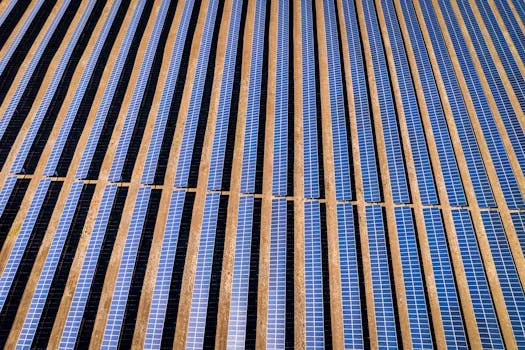
A 50 m³/h solar-powered ZLD system for TMAH recovery requires approximately 1.5 MW of installed PV capacity to offset 80% of peak operational energy loads. The integration of solar power is particularly effective for Electrodialysis and Evaporation stages, which are the most energy-intensive components of a ZLD circuit. By utilizing on-site solar generation, plants can reduce the carbon footprint of their wastewater treatment while insulating themselves from fluctuating grid energy prices. The 2025 engineering blueprint for these systems involves a five-stage process: (1) Pretreatment using a PLC-controlled chemical dosing for TMAH pH adjustment and resin regeneration; (2) ED for primary chemical recovery; (3) UASB for organic degradation; (4) RO polishing for TMAH effluent to meet EU <1 mg/L limits; and (5) thermal evaporation for final crystal recovery.
The CAPEX for a 50 m³/h solar-integrated ZLD plant typically ranges from $1.2M to $2.5M. This includes $800K–$1.2M for the ED stacks, $300K–$500K for the UASB and biological stages, and $100K–$300K for the solar PV array. While the initial investment is significant, the OPEX reduction is substantial. Energy costs drop from $0.60/m³ to approximately $0.15/m³ under peak solar conditions. A 2024 project in Zhejiang involving a 200 MW photovoltaic facility demonstrated that this system achieved 99.9% TMAH recovery and saved $1.5M/year in chemical costs, resulting in a CAPEX payback period of less than 24 months.
| Cost Component | Standard Grid-Tied ZLD | Solar-Integrated ZLD (2025) |
|---|---|---|
| Energy Cost ($/m³) | $0.50–$0.70 | $0.10–$0.25 |
| Chemical Savings ($/year) | $1.1M | $1.1M |
| Maintenance ($/m³) | $0.15 (Membrane focus) | $0.18 (Includes PV O&M) |
| Total OPEX ($/m³) | $1.20–$1.50 | $0.80–$1.10 |
Compliance and Discharge Standards: China GB, EU, and EPA Limits for TMAH Wastewater
Compliance with China’s GB 8978-1996 standard requires TMAH levels to remain below 5 mg/L, a threshold that necessitates multi-stage treatment for high-concentration influent. In contrast, the European Union’s Urban Waste Water Directive (91/271/EEC) often imposes stricter local limits in sensitive areas, sometimes requiring TMAH concentrations as low as <1 mg/L. For manufacturers exporting to global markets, adhering to these global discharge standards for silicon wafer and photovoltaic wastewater is critical for maintaining supply chain certifications and avoiding trade barriers.
The EPA’s Pretreatment Standards (40 CFR Part 403) also target TMAH due to its high nitrogen content and potential to disrupt municipal biological treatment systems. Most US-based semiconductor and PV plants are required to pre-treat TMAH to <5 mg/L before discharge to a Publicly Owned Treatment Works (POTW). Meeting these standards consistently requires automated monitoring and a robust "polishing" stage, typically involving ion exchange or high-rejection Reverse Osmosis (RO) membranes.
| Standard | TMAH Limit (mg/L) | Ammonia (mg/L) | pH Range | Region |
|---|---|---|---|---|
| China GB 8978-1996 | <5.0 | <15 | 6.0–9.0 | China |
| EU 91/271/EEC | <1.0* | <10 | 6.5–8.5 | European Union |
| EPA 40 CFR Part 403 | <5.0 | <20 | 5.0–11.0 | USA |
*Varies by local sensitive area designation.
How to Select the Right TMAH Wastewater Treatment System for Your Photovoltaic Plant
The selection of a TMAH recovery system is primarily dictated by the influent concentration and the required reuse purity for the etching process. Engineers should begin by characterizing the influent stream, specifically looking for the presence of photoresist and silicates, which are common in solar-powered ZLD systems for heavy metal removal in photovoltaic plants. If TMAH concentrations exceed 1,000 mg/L, Electrodialysis is the only viable path for economic recovery. For concentrations below 500 mg/L, the CAPEX of ED may not be justified, making ion exchange coupled with UASB a more cost-effective choice for compliance-only goals.
A structured decision framework involves five key steps:
- Characterization: Measure TMAH, COD, and Nitrogen flow rates.
- Goal Setting: Determine if the goal is 99.9% ZLD recovery or simply meeting the <5 mg/L discharge limit.
- Technology Mapping: Use the comparison matrix to match influent levels to technology (e.g., ED for >1,000 mg/L).
- Pilot Testing: Conduct lab-scale trials to verify membrane fouling rates and resin capacity for your specific wastewater matrix.
- ROI Analysis: Calculate the payback period by factoring in chemical recovery ($50/kg) and energy savings from solar integration.
For plants aiming for "Zero-Risk Compliance," a hybrid configuration of ED + UASB + RO is recommended. This setup ensures that even during process upsets, the multi-barrier approach prevents discharge violations. For further insights into integrated solar manufacturing waste, consult our guide on photovoltaic phosphorus wastewater treatment 2025 engineering blueprints.
Frequently Asked Questions
What is the maximum recovery rate for TMAH in photovoltaic wastewater? Hybrid systems combining Electrodialysis (ED) and Ion Exchange (IX) can achieve recovery rates up to 99.9%. ED typically handles the bulk recovery (90–95%), while IX resins polish the remaining traces to reach effluent concentrations below 1 mg/L, meeting the strictest global standards.
How much does a solar-powered TMAH ZLD system cost? For a 50 m³/h capacity plant, CAPEX ranges from $1.2M to $2.5M. However, solar integration reduces OPEX to $0.80–$1.10/m³. When factoring in TMAH chemical recovery savings (valued at $50–$150/kg), most photovoltaic plants see a full return on investment within 18–24 months.
Can TMAH be treated using standard aerobic biological systems? Generally, no. High concentrations of TMAH are toxic to aerobic bacteria and inhibit sludge activity. Anaerobic systems like UASB are required to break down TMAH into ammonia and methane. For final discharge, an MBR is often used to ensure all residual organics are removed.
Does recovered TMAH meet the purity requirements for reuse in etching? Yes, Electrodialysis can produce recovered TMAH at 90–95% purity. With additional ion-exchange polishing and concentration steps, the purity can be elevated to electronic-grade levels, allowing for direct reuse in the photovoltaic cell etching process, significantly reducing raw material costs.