Electronics wastewater engineering solutions in 2026 mandate zero-liquid-discharge (ZLD) systems to comply with China’s GB 31573-2025 limits (fluoride <10 mg/L, copper <0.5 mg/L) and reduce disposal costs by an average of 40–60%. Hybrid ZLD systems, which integrate precipitation, DAF, MBR, and RO, achieve 99.9% water recovery at an operational cost of $0.35–$0.80/m³, with CAPEX ranging from $1.2M for 50 m³/h systems to over $4M for full resource recovery. Addressing key contaminants such as HF, MEA, phosphates, and heavy metals requires tailored treatment trains to ensure optimal compliance, cost-efficiency, and operational resilience.
Why Electronics Wastewater Treatment Demands ZLD in 2026
China’s GB 31573-2025 regulations, effective in 2026, mandate significantly tighter discharge limits for electronics wastewater, including fluoride <10 mg/L (down from 15 mg/L in 2020) and copper <0.5 mg/L (down from 1 mg/L). These updated standards also introduce new limits for emerging contaminants like TMAH and MEA, typically found in concentrations of 50–500 mg/L for HF and 100–1,000 mg/L for MEA in electronics manufacturing effluent. The increasing stringency of these regulations, mirrored globally, compels manufacturers to adopt advanced treatment strategies like zero-liquid-discharge (ZLD) to mitigate escalating environmental risks and ensure continuous operation.
Disposal costs for industrial wastewater are surging, with municipal sewer rates rising 8–12% annually according to EPA 2024 data, and electronics manufacturers often paying 2–3 times the base rate due to the hazardous nature of their waste streams. This financial pressure is compounded by global water scarcity, particularly impactful for semiconductor fabs that consume 2–4 million gallons per day (Global Water Intelligence 2023). Implementing ZLD systems can reduce raw water intake by 80–95%, offering substantial savings and enhancing operational resilience against water supply fluctuations.
A notable case example involves a 300 mm semiconductor fab in Suzhou, which successfully reduced its overall wastewater disposal costs by 45% and avoided an estimated $2.1M in non-compliance penalties over three years by transitioning to a ZLD system. This system integrated advanced precipitation, a DAF system for fluoride sludge separation in electronics wastewater, followed by an MBR system for electronics wastewater with 95–98% COD removal and an RO system for polishing electronics wastewater to reuse quality, demonstrating the tangible benefits of ZLD in achieving both regulatory compliance and significant cost savings.
Contaminant-Specific Treatment Trains for Electronics Wastewater
Effective removal of fluoride from electronics wastewater, particularly at concentrations exceeding 50 mg/L, necessitates two-stage precipitation with Ca(OH)₂ and CaCl₂ to achieve over 99% reduction, consistently meeting discharge limits below 10 mg/L. This process typically operates at a pH of 10–11, followed by a DAF system for efficient sludge separation, where retention times of 30–60 minutes are common, yielding sludge densities of 2–5%. For copper and other heavy metals, sulfide precipitation using Na₂S effectively removes 99.9% of Cu at a pH range of 8–9, requiring precise chemical dosing at 1.2–1.5 times the stoichiometric ratio, followed by pH adjustment to neutralize the effluent.
Organic contaminants such as MEA, TMAH, and IPA, prevalent in electronics manufacturing, are best addressed by an MBR system with 0.1 μm PVDF membranes, achieving 95–98% Chemical Oxygen Demand (COD) removal with Mixed Liquor Suspended Solids (MLSS) concentrations of 10–15 g/L. This is often followed by reverse osmosis (RO) to polish the effluent to <5 mg/L COD, with typical membrane fluxes of 15–25 LMH and energy consumption ranging from 0.8–1.2 kWh/m³. Phosphates, often present from cleaning agents, can be removed with 90–95% efficiency by ferric chloride (FeCl₃) dosing at a 2.5–3.5 times P:Fe ratio, with lamella clarifiers reducing the required footprint by 70% compared to conventional sedimentation tanks.
For high-salinity streams, crucial for achieving ZLD, a high-recovery RO system (90–95% recovery) is employed, followed by a brine concentrator (evaporator) or crystallizer to manage the concentrated reject stream. Brine concentration typically consumes 10–20 kWh/m³ of energy, driven by the need to separate dissolved solids from the remaining water. Each of these contaminant-specific approaches is critical for designing a robust and compliant electronics wastewater engineering solution.
| Contaminant | Typical Range (mg/L) | Primary Treatment Method | Removal Efficiency | Key Process Parameters |
|---|---|---|---|---|
| Fluoride (HF) | 50–500 | Two-stage Precipitation (Ca(OH)₂ + CaCl₂) + DAF | >99% | pH 10–11; DAF retention 30–60 min; sludge density 2–5% |
| Copper (Cu) & Heavy Metals | 0.5–100 | Sulfide Precipitation (Na₂S) | >99.9% | pH 8–9; 1.2–1.5× stoichiometric Na₂S; post-pH adjustment |
| Organics (MEA, TMAH, IPA) | 100–1,000 (COD) | MBR + RO | 95–98% (COD) | MBR MLSS 10–15 g/L; RO flux 15–25 LMH; RO energy 0.8–1.2 kWh/m³ |
| Phosphates | 10–50 | Ferric Chloride Dosing (FeCl₃) + Lamella Clarifier | 90–95% | 2.5–3.5× P:Fe ratio; lamella reduces footprint by 70% |
| Salinity (TDS) | 1,000–10,000+ | High-Recovery RO + Brine Concentrator/Crystallizer | 90–95% recovery (RO) | Brine concentration energy 10–20 kWh/m³ |
ZLD System Architecture: Process Flow and Equipment Selection
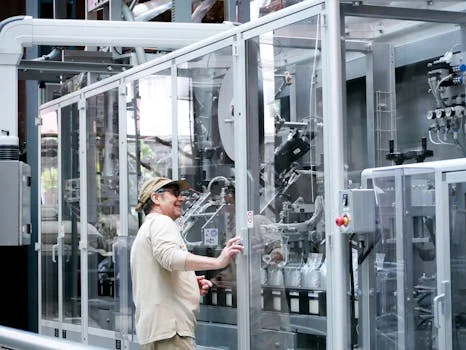
A comprehensive zero-liquid-discharge (ZLD) system for electronics manufacturing wastewater typically integrates a modular process flow from pretreatment to advanced brine management, designed for maximum water recovery and minimal waste. The process begins with pretreatment, involving screening for large solids and pH adjustment to optimize subsequent chemical reactions. This is followed by primary treatment, where DAF systems or precipitation tanks remove suspended solids and heavy metals. Biological treatment via an MBR system for electronics wastewater then degrades organic contaminants. Polishing stages, employing RO systems for polishing electronics wastewater to reuse quality or ion exchange, further purify the water for reuse. Finally, brine management, using evaporators or crystallizers, concentrates the remaining salts, and sludge dewatering with a filter press for dewatering gypsum and metal hydroxide sludge handles solid waste.
Equipment selection is critical for system efficiency and cost-effectiveness. For solids removal, DAF systems are often preferred over lamella clarifiers for their superior performance in separating lighter flocs and oily waste, though lamella clarifiers offer a smaller footprint for denser solids. In biological treatment, MBR systems consistently outperform conventional activated sludge in COD removal and footprint efficiency, albeit with higher energy demands for membrane scouring. For final polishing, RO systems offer high recovery rates and robust contaminant removal, while Electrodeionization (EDI) can be considered for ultrapure water requirements, demanding less chemical regeneration but higher initial CAPEX.
Integration challenges often revolve around managing variable flows and shock loads, such as sudden HF spikes from wafer etching processes. Buffer tanks and equalization basins are essential for flow homogenization and load stabilization. byproduct valorization can significantly offset operational costs. Gypsum recovered from fluoride precipitation, if purity exceeds 95% CaSO₄·2H₂O, can be repurposed in construction. Similarly, salt recovered from crystallizers, primarily NaCl, can have a market value of $50–$150/ton, contributing to the overall economic viability of the ZLD system.
MBR vs. Conventional Biological Treatment for Electronics Wastewater
Membrane Bioreactor (MBR) systems consistently achieve 95–98% Chemical Oxygen Demand (COD) removal in electronics wastewater, significantly outperforming conventional activated sludge systems which typically reach 85–92% efficiency. This superior performance is critical given the influent COD range of 500–5,000 mg/L common in electronics wastewater. The enhanced removal efficiency of MBR is attributed to the complete retention of biomass by membranes, leading to higher biomass concentrations and longer sludge retention times.
MBR systems require approximately 60% less space than conventional activated sludge plants due to their ability to operate with much higher Mixed Liquor Suspended Solids (MLSS) concentrations (10–15 g/L compared to 3–5 g/L) and the elimination of secondary clarifiers. This reduced footprint is a significant advantage for space-constrained electronics manufacturing facilities. However, MBR systems generally have higher energy consumption, with aeration typically requiring 0.3–0.5 kWh/m³ and membrane scouring adding another 0.1–0.2 kWh/m³, totaling 0.4–0.7 kWh/m³, compared to 0.2–0.3 kWh/m³ for conventional systems.
Membrane fouling is a primary operational consideration for MBRs, but modern PVDF membranes are designed for durability, typically lasting 5–8 years with proper maintenance. This includes monthly Clean-In-Place (CIP) protocols, often using a solution of 0.5% NaOH and 0.2% NaOCl for 2 hours to maintain membrane flux and extend lifespan. A TFT-LCD wastewater treatment case study with hybrid ZLD system design in Taiwan demonstrated the benefits of MBR, where a 200 m³/h system utilizing 0.1 μm membranes reduced the plant’s biological treatment footprint by 70% and improved COD removal from 88% to 97%.
| Feature | MBR (Membrane Bioreactor) | Conventional Activated Sludge |
|---|---|---|
| COD/BOD Removal Efficiency | 95–98% | 85–92% |
| Footprint Reduction | Up to 60% less space (no secondary clarifier) | Larger footprint (requires secondary clarifier) |
| MLSS Concentration | 10–15 g/L | 3–5 g/L |
| Energy Consumption (Aeration + Scouring) | 0.4–0.7 kWh/m³ (0.3–0.5 aeration, 0.1–0.2 scouring) | 0.2–0.3 kWh/m³ (aeration only) |
| Effluent Quality | High quality, suitable for direct RO feed | Requires tertiary filtration for RO feed |
| Sludge Production | Lower excess sludge production | Higher excess sludge production |
| Membrane Lifespan | 5–8 years (PVDF) | N/A |
Cost Breakdown: ZLD vs. Conventional Systems for Electronics Wastewater
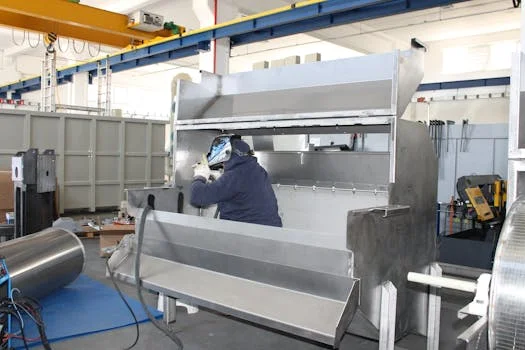
Zero-liquid-discharge (ZLD) systems for electronics wastewater typically incur a CAPEX of $1.2M–$4M for capacities ranging from 50–200 m³/h, while conventional systems cost $800K–$2.5M for similar capacities. The primary drivers for higher ZLD CAPEX include the necessity for advanced brine management technologies such as evaporators or crystallizers, which can represent 30–50% of the total investment. For conventional systems, membrane replacement for RO units, if included, is a significant CAPEX component.
Operational expenditure (OPEX) for ZLD systems averages $0.35–$0.80/m³, compared to $0.18–$0.45/m³ for conventional treatment. A detailed cost breakdown for high-salinity wastewater treatment in electronics manufacturing reveals that energy consumption accounts for 40–50% of OPEX, particularly for evaporation and membrane processes. Chemical dosing for pH adjustment and contaminant removal represents 20–30%, while labor and maintenance typically range from 10–20%.
The return on investment (ROI) for ZLD systems is driven by several key factors. Water reuse generates substantial savings, estimated at $0.50–$1.50/m³ by reducing raw water intake and discharge volumes. Regulatory compliance avoids significant penalties, often ranging from $100K–$500K per year for persistent violations of discharge limits. byproduct revenue from recovered materials, such as gypsum sales ($20–$50/ton) from fluoride precipitation, can contribute to the economic viability. Consequently, the payback period for a ZLD investment typically ranges from 3–7 years, with sensitivity analysis indicating that higher energy costs, increasing water scarcity, and more stringent regulatory environments can significantly shorten this period, making ZLD a compelling long-term investment for sustainable electronics wastewater engineering solution.
| Cost Metric | ZLD System (50–200 m³/h) | Conventional System (50–200 m³/h) |
|---|---|---|
| CAPEX Range | $1.2M – $4M | $800K – $2.5M |
| OPEX Range | $0.35 – $0.80/m³ | $0.18 – $0.45/m³ |
| Key CAPEX Drivers | Evaporator/Crystallizer (30–50%), MBR/RO units | Biological reactor, secondary clarifier, optional tertiary filtration |
| Key OPEX Components | Energy (40–50%), Chemicals (20–30%), Labor (10–20%) | Energy (30–40%), Chemicals (15–25%), Sludge Disposal (20–30%) |
| Water Reuse Savings | $0.50 – $1.50/m³ | Limited or none |
| Regulatory Penalty Avoidance | $100K – $500K/year | Variable, higher risk |
| Byproduct Revenue Potential | Gypsum ($20–$50/ton), Salt ($50–$150/ton) | Limited or none |
| Typical Payback Period | 3–7 years | N/A (focus on compliance, not ROI from reuse) |
How to Select the Right Electronics Wastewater Treatment System
Selecting the optimal electronics wastewater treatment system begins with a thorough characterization of the wastewater stream, including pH, COD, TSS, fluoride, copper, and salinity, as well as specific organics like TMAH and MEA. Typical ranges in electronics manufacturing can vary widely, from 50–500 mg/L for HF to 1,000–5,000 mg/L for COD, necessitating a detailed analytical profile to inform design choices. This initial step is paramount for identifying all contaminants and their concentrations, which directly dictate the required treatment technologies.
Step 2 involves defining precise compliance targets, which in China are primarily governed by GB 31573-2025 standards, but may also include stricter local or international (e.g., EU/US) regulations. A common pitfall is overlooking emerging contaminants like TMAH or MEA, or underestimating the future tightening of discharge limits, which can lead to premature system obsolescence. Step 3 requires evaluating the water reuse potential, considering applications such as ultrapure water (UPW) makeup, cooling tower feed, or irrigation, each with specific quality requirements. For example, UPW makeup demands extremely low TDS and TOC, often achieved with advanced RO and EDI processes, as detailed in how reverse osmosis removes contaminants.
Step 4 is to compare technology options through a structured decision tree. This involves weighing ZLD against conventional discharge, MBR against conventional activated sludge, and DAF machines against lamella clarifiers for primary solids removal. Factors such as footprint, OPEX, CAPEX, and long-term compliance should be assessed. For engineering specs for HF wastewater treatment in electronics manufacturing, specific technologies like two-stage precipitation are non-negotiable. Finally, Step 5 recommends pilot testing critical components, especially for complex or novel waste streams. A pilot protocol typically runs for 3–6 months at 1–5 m³/h, evaluating key performance metrics like COD removal, membrane flux decline, and chemical consumption to validate full-scale design parameters and minimize implementation risks.
Frequently Asked Questions
Implementing zero-liquid-discharge (ZLD) systems in electronics manufacturing often raises questions regarding cost, operational complexity, and specific contaminant removal challenges.
- What is the primary driver for ZLD adoption in electronics manufacturing? The primary driver is the dual pressure of increasingly stringent regulatory discharge limits (e.g., China GB 31573-2025) and escalating disposal costs, coupled with the desire for water reuse to mitigate water scarcity.
- How effective are ZLD systems in removing fluoride and heavy metals? ZLD systems, through multi-stage precipitation and advanced filtration, achieve >99% removal for fluoride and >99.9% for heavy metals like copper, consistently meeting discharge limits below 10 mg/L and 0.5 mg/L, respectively.
- What are the main OPEX components for a ZLD system? Energy consumption (40–50%), chemical dosing (20–30%), and labor/maintenance (10–20%) constitute the primary operational expenditures for ZLD systems.
- Can treated ZLD water be reused in UPW production? Yes, ZLD-treated water can be polished further using RO and EDI to meet the stringent quality requirements for ultrapure water (UPW) makeup in semiconductor manufacturing.
- What is the typical payback period for a ZLD investment? The typical payback period for a ZLD system ranges from 3–7 years, primarily driven by water reuse savings, avoided regulatory penalties, and potential byproduct revenue.