For industrial facilities in Sumatra, 2025 marks a critical juncture for wastewater compliance, driven by Indonesia’s B3 waste regulations and evolving regional North/South Sumatra policies. Operators within the Tanjung Api-Api (TAA) industrial park, for instance, are gearing towards a final WWTP capacity of 42,000 m³/day, where aerator-based systems have demonstrated up to a 30% reduction in electricity consumption compared to traditional diffusers (EMATEC project data, 2024). Addressing typical textile effluent in South Sumatra, which often presents COD levels of 3,820 mg/L and a pH of 5.8, necessitates tailored pretreatment, such as Dissolved Air Flotation (DAF) for efficient TSS removal, prior to biological treatment. This comprehensive guide delivers essential engineering specifications, Sumatra-specific cost benchmarks, and an actionable compliance checklist for industrial zones across the region.
Why Sumatra’s Industrial Wastewater Treatment is a 2025 Priority
North Sumatra’s 2024 policy mandates Wastewater Treatment Plants (WWTPs) for all industrial players, enforcing strict compliance timelines and significant penalties for non-adherence (Top 1 Page, 2024). This provincial government policy underscores a region-wide commitment to environmental protection, with enforcement timelines requiring facilities to submit WWTP designs and operational plans by specified deadlines, typically within 12-18 months of policy enactment, facing fines and potential operational shutdowns for non-compliance. Concurrently, South Sumatra’s Tanjung Api-Api (TAA) industrial park is progressing through ambitious masterplan phases, expanding from an initial 217 hectares to a projected 749 hectares, then 490 hectares, and ultimately 573 hectares by 2030 (BAPPEDA, TAA Masterplan). This expansion demands a robust wastewater infrastructure, targeting a final centralized WWTP capacity of 42,000 m³/day to manage the cumulative effluent from diverse industries within the park. A real-world scenario highlights this urgency: a textile factory in South Sumatra recently faced substantial fines and reputational damage due to discharging effluent with Procion Red MX-5B concentrations of 1,237 mg/L, COD levels of 3,820 mg/L, and a pH of 5.8 (Top 5 Page, 2023). Such non-compliance not only incurs financial penalties but can also lead to operational shutdowns, damage brand reputation, and restrict access to export markets, particularly those with stringent environmental supply chain requirements (e.g., EU and US markets). While North Sumatra’s approach emphasizes policy mandates and enforcement, South Sumatra’s strategy, particularly within TAA, is driven by large-scale infrastructure development and centralized treatment capabilities. Both regions, however, converge on the critical need for effective industrial wastewater treatment in Sumatra Indonesia to ensure sustainable industrial growth and environmental stewardship.Sumatra’s Wastewater Regulations: Compliance Checklist for 2025
| Step | Compliance Action for Sumatra (2025) |
|---|---|
| 1. Effluent Characterization | Conduct comprehensive analysis of raw wastewater (COD, BOD, TSS, pH, heavy metals, specific pollutants like dyes) to identify B3 waste classifications and inform WWTP design. |
| 2. Regulatory Review | Verify national (Decree No. 5/2014, B3 waste) and regional (North/South Sumatra provincial policies, TAA park rules) discharge standards applicable to your industry and location. |
| 3. WWTP Design & Engineering | Develop a WWTP design that meets all discharge standards and incorporates appropriate pretreatment for B3 waste components. Ensure capacity aligns with production forecasts. |
| 4. Permit Application | Submit WWTP design and operational plans to BAPPEDA (South Sumatra) or relevant provincial environmental agencies (North Sumatra) for approval and discharge permits. |
| 5. Equipment Procurement & Installation | Select and install proven technologies (e.g., DAF, MBR, aerators, chemical dosing) that ensure compliance and operational efficiency. |
| 6. Commissioning & Optimization | Conduct pilot testing and system optimization to ensure the WWTP consistently meets effluent quality targets under varying load conditions. |
| 7. Continuous Monitoring System (CEMS) | Install continuous monitoring equipment for key parameters (pH, COD, TSS) as required by regional regulations, ensuring real-time data collection. |
| 8. Operational Training | Train operators on WWTP operation, maintenance, and emergency protocols to ensure consistent performance and safety. |
| 9. Regular Reporting | Submit periodic (monthly/quarterly) monitoring reports to environmental authorities as mandated by permits. |
| 10. B3 Waste Management Plan | Develop and implement a plan for the safe handling, storage, and disposal of B3 waste sludge or concentrates generated by the WWTP. |
Effluent Quality Parameters: What Your Sumatra WWTP Must Achieve
Meeting stringent discharge limits for parameters like BOD, COD, and TSS is non-negotiable for industrial facilities operating in Sumatra, with national standards requiring BOD ≤ 50 mg/L and COD ≤ 100 mg/L. The specific characteristics of industrial effluents in Sumatra vary significantly by sector, demanding tailored treatment approaches. Textile factories, common in South Sumatra, produce wastewater characterized by high organic loads and complex dyes. Typical textile effluent in the region can exhibit COD levels as high as 3,820 mg/L, a pH of 5.8, and specific pollutants like Procion Red MX-5B at concentrations up to 1,237 mg/L (Top 5 Page, 2023). Palm oil mills, prevalent across Sumatra, generate Palm Oil Mill Effluent (POME), which is notoriously high in organic content. POME typically presents extremely high BOD concentrations ranging from 20,000–30,000 mg/L and Fat, Oil, and Grease (FOG) levels between 5,000–10,000 mg/L. This necessitates robust pretreatment to reduce the organic load before biological treatment. For comprehensive POME treatment solutions, refer to our detailed guide on POME treatment solutions for Sumatra’s palm oil industry. Food processing industries, another significant contributor, typically discharge wastewater with high TSS (1,000–3,000 mg/L) and BOD (1,500–2,500 mg/L). Indonesia’s Ministry of Environment sets national discharge standards, generally requiring final effluent to meet: BOD ≤ 50 mg/L, COD ≤ 100 mg/L, TSS ≤ 50 mg/L, and a pH range of 6–9. For facilities within the TAA industrial park, additional requirements apply, including limits for Total Nitrogen (TN ≤ 20 mg/L) and Total Phosphorus (TP ≤ 2 mg/L), reflecting the need for advanced nutrient removal in shared infrastructure. Pretreatment is often critical to achieve these standards, especially for high-strength effluents. Dissolved Air Flotation (DAF) systems are frequently employed for efficient TSS and FOG removal in palm oil and food processing wastewater, while chemical dosing (coagulation/flocculation) and pH adjustment are vital for neutralizing acidic textile effluents (e.g., from pH 5.8 to 6-9) before biological processes.| Effluent Type (Sumatra) | Typical Raw Parameters | National Discharge Standards (Ministry of Environment) | TAA Industrial Park Additional Standards |
|---|---|---|---|
| Textile Dyeing | COD: 3,820 mg/L pH: 5.8 Procion Red MX-5B: 1,237 mg/L |
BOD: ≤ 50 mg/L COD: ≤ 100 mg/L TSS: ≤ 50 mg/L pH: 6–9 |
TN: ≤ 20 mg/L TP: ≤ 2 mg/L |
| Palm Oil Mill Effluent (POME) | BOD: 20,000–30,000 mg/L FOG: 5,000–10,000 mg/L |
BOD: ≤ 50 mg/L COD: ≤ 100 mg/L TSS: ≤ 50 mg/L pH: 6–9 |
TN: ≤ 20 mg/L TP: ≤ 2 mg/L |
| Food Processing | TSS: 1,000–3,000 mg/L BOD: 1,500–2,500 mg/L |
BOD: ≤ 50 mg/L COD: ≤ 100 mg/L TSS: ≤ 50 mg/L pH: 6–9 |
TN: ≤ 20 mg/L TP: ≤ 2 mg/L |
Treatment Process Selection: Aerators, DAF, MBR, or Chemical Dosing?
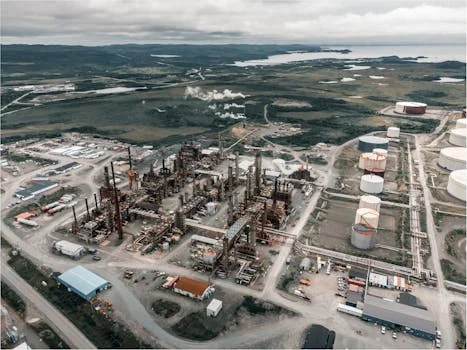
- Initial Screening: Removes large solids (e.g., using a GX Series Rotary Mechanical Bar Screen).
- Equalization Tank: Balances flow and pollutant load.
- Pretreatment: pH adjustment via automatic chemical dosing, followed by DAF for TSS/FOG removal.
- Biological Treatment: Aeration basin (using high-efficiency aerators) for BOD/COD and TN reduction (e.g., A/O process).
- Secondary Clarification: Sedimentation for biomass separation. (Often replaced by MBR for higher quality effluent).
- Tertiary Treatment: Disinfection (e.g., chlorine dioxide generator) and optional reverse osmosis (RO) for water reuse.
| Technology | Ideal Application (Sumatra) | Key Benefits | Typical Removal Efficiency |
|---|---|---|---|
| Aerator-based Biological Treatment | High-BOD/COD effluents (e.g., textiles, food processing) | Reduced electricity (up to 30% vs. diffusers), no yearly maintenance, high DO transfer, robust. | BOD: 90-95% COD: 80-90% TN: 60-80% |
| Dissolved Air Flotation (DAF) | High-TSS, FOG effluents (e.g., palm oil, food processing) | Efficient physical-chemical separation, rapid clarification, reduces organic load. | TSS: >95% FOG: >90% COD: 30-60% |
| Membrane Bioreactor (MBR) | High-quality effluent for reuse (e.g., textile dyeing, pharmaceuticals) | Superior effluent quality, compact footprint (60% smaller), stable operation, excellent pathogen removal. | BOD: >98% COD: >95% TSS: 100% Turbidity: <1 NTU |
| Automatic Chemical Dosing | pH adjustment for acidic/alkaline effluents (e.g., textiles), coagulation/flocculation | Precise chemical addition, automated control, improved particle removal, heavy metal precipitation. | pH adjustment to 6-9 TSS: 70-90% (with coagulants) |
Cost Benchmarks: CAPEX, OPEX, and ROI for Sumatra WWTPs
Industrial wastewater treatment projects in Sumatra require meticulous financial planning, with initial CAPEX for a DAF system typically ranging from $1,200–$1,800 per m³/day capacity. These cost benchmarks are crucial for procurement managers to justify budgets and compare various technological options, taking into account Sumatra-specific factors like land availability and local labor costs. The capital expenditure (CAPEX) for key components per m³/day of treatment capacity generally falls within these ranges:- DAF system: $1,200–$1,800 (for models handling 4–300 m³/h, including installation).
- MBR system: $2,500–$3,500 (for capacities between 10–2,000 m³/day, reflecting advanced membrane technology).
- Aerator-based biological treatment: $800–$1,500 (for systems treating 1–80 m³/h, including aeration tanks and aerator units).
- Automatic Chemical Dosing System: $5,000–$15,000 (for skid-mounted, PLC-controlled units, varying with complexity and chemical storage).
- Electricity: $0.05–$0.15 per m³ treated. This range highlights the efficiency difference between aerator-based systems (lower end) and diffuser-based systems (higher end), with aerators consuming less power.
- Chemicals: $0.10–$0.30 per m³ treated. Costs depend on the type and quantity of coagulants, flocculants, and pH adjusters required for specific effluent characteristics.
- Maintenance: $0.02–$0.08 per m³ treated. Aerator-based systems often require no yearly maintenance compared to diffusers, which can significantly reduce long-term costs.
| Cost Category | Component/Technology | Typical CAPEX (per m³/day capacity) | Typical OPEX (per m³ treated) |
|---|---|---|---|
| CAPEX | DAF System | $1,200 – $1,800 | N/A |
| MBR System (DF Series) | $2,500 – $3,500 | N/A | |
| Aerator-based Biological Treatment | $800 – $1,500 | N/A | |
| Automatic Chemical Dosing System | $5,000 – $15,000 (total unit cost) | N/A | |
| OPEX | Electricity (Aerator vs. Diffuser) | N/A | $0.05 – $0.15 |
| Chemicals (Coagulants, pH adjusters) | N/A | $0.10 – $0.30 | |
| Maintenance (Aerator vs. Diffuser) | N/A | $0.02 – $0.08 |
Case Study: Tanjung Api-Api (TAA) Industrial Park WWTP Upgrade
- Electricity consumption for aeration was reduced by an impressive 25–30%, directly translating into lower operational costs for the industrial park.
- COD removal efficiency improved from an average of 85% to 92%, demonstrating enhanced biological treatment performance and better compliance with discharge standards.
- Maintenance costs associated with aeration were virtually eliminated, as the robust design of the aerators requires no yearly servicing, unlike diffusers.
- Total Nitrogen (TN) reduction also improved, contributing to the park’s ability to meet stringent nutrient discharge limits.
Frequently Asked Questions
Addressing common inquiries, industrial wastewater treatment typically encompasses primary, secondary, and tertiary stages, each vital for meeting Sumatra’s stringent discharge standards.Q: What are the three types of industrial wastewater treatment?
A: Industrial wastewater treatment is generally categorized into three main stages:- Primary Treatment: Focuses on the physical removal of large solids, oils, and grease. Common processes include screening (e.g., using a GX Series Rotary Mechanical Bar Screen), grit removal, and sedimentation. For Sumatra’s high-TSS effluents, Dissolved Air Flotation (DAF) is often integrated here for enhanced solid-liquid separation.
- Secondary Treatment: Involves biological processes to remove dissolved and colloidal organic matter. This stage typically uses microorganisms in aeration tanks (e.g., activated sludge systems with high-efficiency aerators) or advanced systems like Membrane Bioreactors (MBR).
- Tertiary Treatment: Targets specific pollutants not removed in earlier stages, or polishes the effluent for reuse. This can include advanced filtration, disinfection (e.g., with a chlorine dioxide generator), or Reverse Osmosis (RO) for high-purity water. Sumatra’s textile and palm oil effluents often require all three stages due to their high COD, TSS, and specific pollutant levels.
Q: What is B3 waste in Indonesia?
A: B3 waste (Bahan Berbahaya dan Beracun) refers to hazardous and toxic materials as defined and regulated under Indonesian law. Industrial wastewater is classified as B3 if it contains substances that are toxic, corrosive, flammable, or reactive, or if its parameters exceed certain thresholds. Examples include wastewater containing heavy metals (e.g., from metal finishing), high COD (>1,000 mg/L from many industrial processes), or toxic dyes (e.g., Procion Red MX-5B from textile dyeing). Such waste requires specialized treatment, often involving chemical dosing for precipitation or oxidation, and technologies like DAF for sludge concentration, before safe discharge or disposal.Q: Where does industrial wastewater come from in Sumatra?
A: Key sources of industrial wastewater in Sumatra include:- Textile factories: Primarily from dyeing, printing, and finishing processes, characterized by high COD, intense color, and acidic pH (typically 5–6).
- Palm oil mills: Producing Palm Oil Mill Effluent (POME), which has extremely high BOD, COD, and Fat, Oil, and Grease (FOG) content.
- Food processing plants: Generating wastewater with high TSS, organic load (BOD/COD), and often fluctuating pH.
- Metalworking industries: Discharging wastewater containing heavy metals, emulsified oils, and acidic/alkaline cleaning solutions.
- Pharmaceutical manufacturers: Producing effluent with complex organic compounds, solvents, and sometimes antibiotics.
Q: How do you treat industrial wastewater in Sumatra’s industrial parks?
A: A typical treatment train for industrial wastewater in Sumatra’s industrial parks like Tanjung Api-Api or those in North Sumatra, designed to meet stringent regulations, includes:- Pretreatment: Initial screening (e.g., GX Series Rotary Mechanical Bar Screen) to remove large debris, followed by pH adjustment using an automatic chemical dosing system for neutralization.
- Primary Treatment: Often involves a DAF system to effectively remove suspended solids, FOG, and some organic load.
- Secondary Treatment: Biological treatment using aerator-based systems (e.g., A/O process) for BOD/COD and nutrient removal, or advanced MBR systems for superior effluent quality and smaller footprint.
- Tertiary Treatment: Disinfection using a chlorine dioxide generator or UV, with optional Reverse Osmosis (RO) for water reuse applications.
Q: What are the penalties for non-compliance with Sumatra’s wastewater regulations?
A: Non-compliance with industrial wastewater regulations in Sumatra can lead to severe penalties, including:- Fines: Up to IDR 5 billion (approximately $320,000 USD) per violation, as stipulated by Ministry of Environment Decree No. 5/2014 and regional environmental laws.
- Operational Shutdowns: Provincial Governments (e.g., North Sumatra) have the authority to issue temporary or permanent operational shutdowns for facilities that repeatedly fail to comply.
- Reputational Damage: Public exposure of non-compliance can severely impact a company's brand image and consumer trust.
- Export Restrictions: For industries like textiles and palm oil, non-compliance can lead to exclusion from international markets, especially those with strict environmental sustainability requirements (e.g., EU and US).