Why IC Grinding Wastewater is a Unique Treatment Challenge
Integrated circuit (IC) grinding wastewater presents a distinct set of challenges for environmental engineers, often overlooked by generic industrial wastewater treatment solutions. This effluent is characterized by exceptionally high concentrations of silicon powder, abrasive slurry components, and residual chemicals from wafer processing. Specifically, it can contain 2,000–3,000 mg/L of silicon powder, 300–500 mg/L of fluoride from HF etching processes, and 100–200 mg/L of heavy metals such as copper (Cu), nickel (Ni), and arsenic (As). The fine particulate nature of silicon powder, often less than 5 μm, necessitates specialized pretreatment to prevent rapid fouling of downstream treatment membranes and equipment. Failure to adequately address these contaminants can lead to significant regulatory penalties and operational disruptions. For instance, China's GB 31573-2015 standard mandates fluoride levels below 10 mg/L, while the US EPA 40 CFR Part 469 limits copper to 0.5 mg/L. Increasingly stringent global regulations, such as the EU Industrial Emissions Directive 2010/75/EU, are also incentivizing or mandating Zero Liquid Discharge (ZLD) for new facilities. The economic implications are substantial; the disposal of silicon-rich sludge can cost between $150–$300 per ton, and water scarcity in key semiconductor manufacturing hubs (e.g., Taiwan, Singapore) can impose severe penalties for high water consumption and discharge.
Step-by-Step Treatment Process for IC Grinding Wastewater
A robust treatment strategy for integrated circuit grinding wastewater requires a multi-stage approach, beginning with effective physical separation and progressing through chemical precipitation and advanced polishing. The initial step involves removing larger particulate matter. Rotary mechanical bar screens, such as the GX Series, are designed to capture over 90% of particles larger than 1 mm, protecting downstream equipment. Following this, grit chambers are employed to settle out coarser silicon particles, typically ranging from 0.2–1 mm. Optimized grit chambers operate with a specific retention time (e.g., 2–5 minutes) and a low velocity (e.g., 0.3–0.6 m/s) to achieve 60–80% removal of these larger grit particles.
The primary separation of fine silicon powder is best achieved through a high-efficiency Dissolved Air Flotation (DAF) system, like HydropureWater's. DAF units can achieve 92–97% Total Suspended Solids (TSS) removal by introducing micro-bubbles that attach to suspended particles, causing them to float to the surface for skimming. These systems are typically designed for loading rates of 10–30 m³/h per unit, making them scalable for various fab sizes. For chemical treatment, a two-stage precipitation process is recommended for fluoride removal. The first stage often involves adding calcium chloride (CaCl₂) to precipitate calcium fluoride, followed by pH adjustment with sodium hydroxide (NaOH) to further reduce fluoride levels to below 10 mg/L. Heavy metals are typically precipitated using sodium sulfide (Na₂S) or organosulfur reagents, with careful pH control being critical for optimal precipitation efficiency.
For final polishing and water reuse, Membrane Bioreactors (MBRs), such as the DF Series, are highly effective. MBRs combine biological treatment with membrane filtration, delivering effluent with less than 1 mg/L TSS and achieving filtration down to 0.1 μm, making the water suitable for reuse in non-critical applications. For ultrapure water recovery, a Reverse Osmosis (RO) stage can be added, achieving over 95% water recovery. Sludge generated from the DAF and precipitation stages is dewatered using a plate-and-frame filter press, like the filter press, to produce a filter cake with 30–40% solids, minimizing disposal volume and cost.
| Unit Operation | Typical Contaminant Targeted | Performance Metric | HydropureWater Equipment Series | Notes |
|---|---|---|---|---|
| Rotary Mechanical Screening | Large solids (>1 mm) | >90% removal | GX Series | Pre-treatment for protection |
| Grit Chamber | Silicon grit (0.2–1 mm) | 60–80% removal | N/A | 2–5 min retention time, low velocity |
| Dissolved Air Flotation (DAF) | Silicon powder, TSS (<5 μm) | 92–97% TSS removal | DAF line | 10–30 m³/h loading rate |
| Chemical Precipitation | Fluoride, Heavy Metals | Fluoride <10 mg/L, Metals <0.5 mg/L (Cu) | Automatic Chemical Dosing System | Two-stage for fluoride; pH control crucial |
| Membrane Bioreactor (MBR) | Fine TSS, BOD/COD | <1 mg/L TSS, 0.1 μm filtration | DF Series | Water reuse potential |
| Reverse Osmosis (RO) | Dissolved salts, ions | 95%+ water recovery | N/A | For ultrapure water applications |
| Filter Press | Sludge dewatering | 30–40% solids | Plate and Frame Filter Press | Reduces disposal volume |
Silicon Recovery vs. Disposal: Cost-Benefit Analysis for 2025
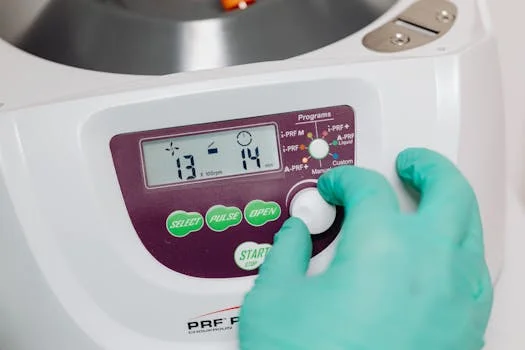
The economic landscape of IC grinding wastewater treatment is being reshaped by the growing viability of silicon powder recovery. Traditionally, the high silicon content in grinding slurry has been treated as hazardous waste, incurring significant disposal costs. However, implementing a silicon recovery system can drastically alter this financial equation. The operational costs for silicon recovery, typically involving centrifugation and drying, range from $80–$120 per ton. This is substantially lower than the landfill disposal fees, which can range from $150–$300 per ton in China and the US. advanced recovery processes can achieve a recovery rate of 99.8% of silicon powder, as demonstrated in patent CN216687774U, leading to a 70% reduction in sludge volume requiring disposal.
The recovered silicon, if processed to sufficient purity (typically 99.9% for solar-grade), holds market value. This solar-grade silicon can be sold to solar panel manufacturers for $500–$1,200 per ton. This revenue stream can offset a significant portion, between 30–50%, of the overall wastewater treatment operational expenditure (OPEX). The capital expenditure (CAPEX) for dedicated silicon recovery systems can range from $200,000 to $500,000, depending on the fab's wastewater flow rate and the desired recovery capacity. For a typical 50 m³/h system, the payback period for the recovery equipment, considering reduced disposal costs and revenue from silicon sales, is estimated to be between 18–24 months. This makes silicon recovery a compelling investment for fabs generating substantial grinding wastewater.
| Metric | Disposal | Recovery | Notes |
|---|---|---|---|
| Cost ($/ton) | $150–$300 | $80–$120 (Processing + Drying) | Disposal costs vary by region and landfill fees. |
| Recovery Rate (%) | N/A | 99.8% (of silicon powder) | Significantly reduces sludge volume. |
| Sludge Volume Reduction (%) | N/A | 70% | Lower transport and disposal fees. |
| Market Value ($/ton) | $0 | $500–$1,200 (Solar-grade) | Requires 99.9% purity. |
| OPEX Offset (%) | 0% | 30–50% of treatment OPEX | Combines reduced disposal and sales revenue. |
| CAPEX (for recovery system) | $0 | $200,000–$500,000 (for 50 m³/h system) | Payback period: 18–24 months. |
How to Select the Right Equipment for Your IC Grinding Wastewater System
Choosing the optimal equipment for IC grinding wastewater treatment requires a careful evaluation of performance characteristics, footprint, energy consumption, and operational complexity. For primary TSS removal, Dissolved Air Flotation (DAF) systems, such as HydropureWater's, offer superior performance, capable of removing over 95% of TSS at flow rates of 50–300 m³/h. Lamella clarifiers, while effective for larger particles and handling flow rates of 10–100 m³/h, typically achieve lower TSS removal rates and are better suited as a pre-treatment step before DAF or for less demanding applications. DAF units generally have a larger footprint but provide higher efficiency for fine silicon particles.
In polishing stages, Membrane Bioreactors (MBRs), like the integrated MBR system, are preferred for their ability to consistently produce high-quality effluent (<1 mg/L TSS) suitable for water reuse. While MBRs can consume approximately 30% more energy than conventional activated sludge (CAS) systems, their smaller footprint and superior effluent quality often justify the investment. CAS systems require additional secondary clarifiers, increasing the overall footprint and complexity. For precise chemical dosing, automated systems are essential. PLC-controlled systems, such as the Automatic Chemical Dosing System, can reduce reagent consumption by 15–20% compared to manual methods through accurate calibration and responsive dosing based on real-time sensor data.
Sludge dewatering presents a choice between filter presses and centrifuges. Plate and frame filter presses, like the plate and frame filter press, are cost-effective and can achieve high cake dryness (35–40% solids), but require manual cleaning and cake discharge. Centrifuges offer automated operation and higher throughput but consume approximately twice the energy and may require more specialized maintenance. The decision hinges on balancing CAPEX, OPEX, desired automation level, and available space.
| Technology | Key Advantage | Typical Flow Rate (m³/h) | TSS Removal (%) | Footprint Consideration | Energy Consumption | Operational Complexity |
|---|---|---|---|---|---|---|
| DAF | High TSS removal for fine particles | 50–300 | 95+ | Larger | Moderate | Moderate |
| Lamella Clarifier (High-Efficiency Sedimentation Tank) | Compact for moderate solids | 10–100 | 70–85 | Smaller | Low | Low |
| MBR (DF Series) | Excellent effluent quality for reuse | Varies by module size | 99+ (<1 mg/L TSS) | Compact | Higher (aeration/pumping) | Moderate |
| Conventional Activated Sludge (CAS) | Lower CAPEX for biological treatment | Varies | 90–95 | Larger (needs clarifiers) | Moderate | Higher (process control) |
| Automatic Chemical Dosing System | Precise reagent control, reduced waste | N/A | N/A | Compact | Low | Low to Moderate |
| Plate and Frame Filter Press | High cake dryness, cost-effective | Varies by size | N/A (dewatering) | Moderate | Low | Moderate (manual cleaning) |
| Centrifuge | Automated dewatering, high throughput | Varies by size | N/A (dewatering) | Moderate | Higher | Moderate (maintenance) |
2025 Compliance Checklist for IC Grinding Wastewater Discharge
Ensuring compliance with global discharge standards is paramount for semiconductor fabs. For facilities operating in China, the GB 31573-2015 standard sets strict limits: fluoride <10 mg/L, copper <0.5 mg/L, nickel <1.0 mg/L, and wastewater pH must be maintained between 6 and 9. In the United States, the EPA 40 CFR Part 469 specifies limits for copper at <0.5 mg/L, nickel at <2.38 mg/L, TSS at <30 mg/L, and COD at <120 mg/L. The EU Industrial Emissions Directive 2010/75/EU increasingly promotes or mandates ZLD for new installations, requiring near-complete water recovery and minimal discharge. To meet these requirements, continuous monitoring of critical parameters such as pH, conductivity, and TSS is essential. Regular laboratory testing, at least quarterly, for heavy metals is also a standard requirement. Maintaining comprehensive documentation is crucial for demonstrating compliance. This includes detailed wastewater treatment logs, records of sludge disposal, and annual compliance reports. Adhering to these standards not only avoids penalties but also reflects a commitment to environmental stewardship and sustainable manufacturing practices.
Frequently Asked Questions
What is the biggest challenge in treating IC grinding wastewater?
The primary challenge is the exceptionally high concentration of silicon Total Suspended Solids (TSS), often ranging from 2,000–3,000 mg/L. These fine silicon particles (<5 μm) are highly abrasive and can rapidly foul membranes and clog equipment, necessitating specialized pretreatment like Dissolved Air Flotation (DAF) or lamella clarifiers.
How much does a 50 m³/h IC grinding wastewater treatment system cost?
For a comprehensive system designed for IC grinding wastewater, including pretreatment, chemical treatment, MBR polishing, and sludge dewatering with silicon recovery capabilities, the estimated CAPEX ranges from $800,000 to $1.5 million. The OPEX, including chemical consumption, energy, and maintenance, typically falls between $2.5–$4.0 per cubic meter. For fabs with wastewater flow rates exceeding 100 m³/h, the return on investment (ROI) for such advanced systems is generally between 2–3 years, driven by water reuse savings and reduced disposal costs.
Can recovered silicon be reused in semiconductor manufacturing?
While recovered silicon powder from grinding processes can be reused, its purity is a critical factor. For direct reuse in semiconductor manufacturing, extremely high purity levels (often >99.999%) are required, which may not be achievable or cost-effective from typical grinding wastewater. However, recovered silicon with a purity exceeding 99.9% is suitable for solar-grade applications and can be sold to solar panel manufacturers for approximately $500–$1,200 per ton.
What are the alternatives to ZLD for IC grinding wastewater?
While Zero Liquid Discharge (ZLD) is the ultimate goal for many fabs, especially in water-scarce regions, partial ZLD or high-efficiency water recovery (e.g., 85–95% water recovery) is a viable alternative where local discharge regulations permit. This can significantly reduce the volume of wastewater requiring off-site disposal and lessen the overall water footprint. However, full ZLD is becoming increasingly mandated in areas like Taiwan and Singapore due to extreme water stress.
How often should MBR membranes be cleaned in IC grinding wastewater systems?
The cleaning frequency for MBR membranes in IC grinding wastewater systems typically ranges from every 3 to 6 months, heavily dependent on the influent TSS loading and the effectiveness of upstream pretreatment. Regular cleaning, including chemical cleaning with solutions like sodium hydroxide (NaOH) and sodium hypochlorite (NaOCl), is essential to restore membrane flux and maintain treatment efficiency, usually recovering 90% or more of the original flux.
Further Reading
Explore these in-depth articles on related wastewater treatment topics: