Why Baltimore Hospitals Need Specialized Wastewater Treatment
Baltimore hospitals must treat wastewater to meet Maryland MDE's 2025 discharge limits (3 mg/L TN, 0.3 mg/L TP, 200 CFU/100mL fecal coliform) while handling high pathogen loads (10^5-10^7 CFU/mL) and pharmaceutical residues. Typical systems combine membrane bioreactors (MBR) with chlorine dioxide disinfection, achieving 99.99% pathogen removal and 95%+ COD reduction at $0.80-$1.50 per 1,000 gallons treated (2025 cost data). This guide provides engineering specs, compliance blueprints, and equipment selection criteria for Baltimore healthcare facilities.
The urgency for specialized treatment was underscored by a 2023 Maryland MDE enforcement report, which detailed a $250,000 fine levied against a Baltimore-area hospital after its effluent exceeded fecal coliform limits by 1,200%. Unlike standard municipal sewage, hospital wastewater contains a concentrated cocktail of antibiotics, chemotherapy agents, and multi-drug resistant organisms (MDROs). According to 2023 WHO data, medical effluent typically exhibits BOD levels 3-5 times higher than residential sewage and pathogen concentrations up to 100 times greater.
Maryland’s 2025 "Enhanced Hospital Effluent Guidelines" (MDE Policy 18-03) mandate strict performance benchmarks: 99.9% pathogen removal, 90% pharmaceutical reduction, and heavy metal limits of 0.1 mg/L for chromium, mercury, and lead. Baltimore’s sewer use ordinance (City Code §21-3) requires any healthcare facility discharging more than 25,000 gallons per day (GPD) to implement pre-treatment systems to protect the aging municipal infrastructure. Failure to meet these standards results in tiered penalties, starting with mandatory daily sampling and escalating to significant civil citations.
Maryland MDE Compliance Requirements for Hospital Wastewater in Baltimore
Compliance for Baltimore healthcare facilities is governed by the MDE Water Quality Standards (§26.08.02.03), which have been tightened for the 2025 calendar year to address Chesapeake Bay nutrient loads. Facilities must secure a State Discharge Permit, a process that involves a 90-day technical review period and a $1,200 application fee. This application must include a stamped engineering report detailing projected pollutant loads and the proposed treatment train's removal efficiencies.
In 2023, 12 Baltimore hospitals were cited for permit violations, with an average fine of $85,000 per facility. Beyond chemical limits, the City of Baltimore Industrial Pretreatment Program enforces specific physical parameters for hospitals discharging to the Back River or Patapsco plants. Effluent must maintain a pH between 6.0 and 9.0, Total Suspended Solids (TSS) below 250 mg/L, and zero detectable free chlorine to prevent interference with municipal biological processes.
| Parameter | MDE 2025 Discharge Limit | Baltimore City Pre-treatment Limit | Monitoring Frequency |
|---|---|---|---|
| Total Nitrogen (TN) | 3.0 mg/L | N/A (Plant Dependent) | Weekly Composite |
| Total Phosphorus (TP) | 0.3 mg/L | N/A (Plant Dependent) | Weekly Composite |
| Fecal Coliform | 200 CFU/100mL | None Detectable | Daily Grab |
| Heavy Metals (Pb, Hg, Cr) | 0.1 mg/L (Combined) | 0.5 mg/L | Monthly |
| Pharmaceuticals | 90% Reduction | Narrative Standard | Quarterly |
Characterizing Hospital Wastewater: Pollutant Loads and Treatment Challenges
Engineering a treatment system for a Baltimore medical facility requires precise characterization of the raw effluent. Data from the EPA Hospital Wastewater Characterization Study (2022) indicates that flow rates typically range from 150 to 500 GPD per bed. However, hydraulic peaks are significant, often reaching 3x the average flow during morning hygiene and laundry cycles (6:00 AM – 10:00 AM). For example, Johns Hopkins Hospital averages 450,000 GPD with a Chemical Oxygen Demand (COD) of 1,200 mg/L, requiring robust equalization to prevent system upset.
Pollutant loads in medical settings are highly variable. COD levels range from 500 to 1,500 mg/L, while pathogens such as Staphylococcus aureus and Escherichia coli reach concentrations of 10^5-10^7 CFU/mL. Seasonal variations further complicate treatment; pharmaceutical loads, specifically antibiotics and analgesics, increase by 20-30% during the winter flu season. Conversely, summer months often see a 15% increase in pathogen loads due to higher water usage and ambient temperature shifts affecting microbial growth in holding tanks.
| Pollutant Category | Concentration Range (Raw) | Baltimore Seasonal Peak | Treatment Difficulty |
|---|---|---|---|
| BOD5 | 200 - 800 mg/L | Winter (+10%) | Moderate |
| COD | 500 - 1,500 mg/L | Steady | High |
| Pathogens | 10^5 - 10^7 CFU/mL | Summer (+15%) | Critical |
| Pharmaceuticals | 10 - 50 μg/L | Winter (+30%) | Very High |
| TSS | 150 - 400 mg/L | Steady | Low |
Accurate sampling is the foundation of compliance. MDE requires 24-hour composite samples for permit reporting to ensure the data reflects the full diurnal cycle of hospital operations. Grab samples are utilized primarily for process control, particularly for monitoring disinfection residuals and pH levels.
Treatment Process Design: Engineering Specs for Baltimore Hospitals
A reliable treatment train for Baltimore healthcare facilities must integrate primary, secondary, and tertiary stages to handle complex medical waste. The process begins with pretreatment using rotary mechanical bar screens (GX Series) for 3-6 mm solids removal. This stage is critical for protecting downstream pumps from medical plastics and textiles, achieving up to 95% TSS reduction at the inlet.
Primary treatment utilizes high-efficiency sedimentation tanks, specifically lamella clarifiers, which operate at a surface loading rate of 20-40 m/h. These units provide 60-70% TSS removal in a fraction of the footprint of traditional clarifiers. For the biological stage, MBR membrane bioreactor systems for large hospitals are the industry standard in Maryland. Utilizing 0.1 μm PVDF membranes and a flux rate of 12-18 LMH, these systems achieve 98% COD removal and provide a physical barrier against pathogens.
Tertiary disinfection is the final safeguard. A chlorine dioxide generator for hospital wastewater disinfection is typically specified for its ability to penetrate biofilms and neutralize complex pharmaceutical residues. For sludge management, plate and frame filter presses reduce waste volume by 90%, producing cake solids of 30-35% that meet Maryland requirements for landfill disposal.
| Unit Process | Equipment Selection | Key Engineering Spec | Removal Efficiency |
|---|---|---|---|
| Pretreatment | Rotary Screen (GX Series) | 3-6 mm Gap Size | 95% Large Solids |
| Primary | Lamella Clarifier | 20-40 m/h SLR | 65% TSS |
| Secondary | MBR (PVDF Membrane) | 12-18 LMH Flux | 98% COD / 99% Pathogen |
| Disinfection | ClO2 Generator | 30 min Contact Time | 99.99% Pathogen Kill |
| Sludge | Filter Press | 30% Cake Solids | 90% Vol. Reduction |
Technology Comparison: MBR vs. Conventional Activated Sludge vs. Sequencing Batch Reactors for Hospitals
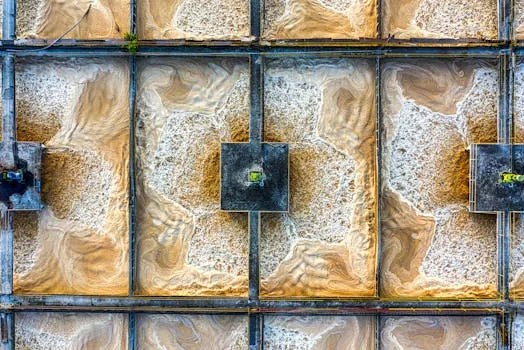
Selecting the secondary treatment technology is the most significant CAPEX decision for facility managers. Membrane Bioreactors (MBR) offer a 60% smaller footprint compared to Conventional Activated Sludge (CAS), making them ideal for urban Baltimore hospitals with limited land. MBR effluent is high-quality enough for non-potable reuse in cooling towers or irrigation, a major advantage for facilities aiming for LEED certification.
Conventional Activated Sludge remains a lower CAPEX option ($2.5M vs. $4M for a 100,000 GPD plant), but its 85-90% pathogen removal rate often necessitates much larger tertiary disinfection stages to meet MDE limits. Sequencing Batch Reactors (SBR) provide a middle ground; their batch operation allows for longer hydraulic retention times, which can improve the breakdown of recalcitrant pharmaceuticals. However, SBRs require approximately twice the tank volume of an MBR system to handle the same flow rate.
| Criteria | MBR System | Conventional (CAS) | SBR System |
|---|---|---|---|
| Pathogen Removal | 99.9% (Physical Barrier) | 85-90% | 90-95% |
| Footprint | Minimal (1.0x) | Large (3.5x) | Moderate (2.0x) |
| Energy Use | 0.8 - 1.2 kWh/m³ | 0.4 - 0.6 kWh/m³ | 0.6 - 0.9 kWh/m³ |
| Effluent Quality | Reuse Quality | Discharge Only | Secondary Only |
Process control for these systems requires high-level automation. Modern MBR plants utilize PLC-based logic with redundant sensors for dissolved oxygen (DO), transmembrane pressure (TMP), and turbidity to ensure continuous compliance without constant manual intervention.
Disinfection Technologies for Hospital Wastewater: Chlorine Dioxide vs. Ozone vs. UV
Disinfection is the most critical stage for hospital compliance in Baltimore. Chlorine dioxide (ClO2) is the preferred technology for 80% of Maryland hospitals because it provides a stable residual in sewer lines and is highly effective against viruses and MDROs. At an operational cost of $0.12-$0.20 per 1,000 gallons, it is more economical than ozone while offering better pharmaceutical oxidation than UV.
Ozone systems provide the highest pathogen kill (99.999%) and superior pharmaceutical reduction (90%), but they come with 3x higher energy requirements and significant CAPEX. Ultraviolet (UV) disinfection is valued for its lack of chemical residuals, but it struggles with the high-turbidity effluent often found in medical waste and provides no reduction in pharmaceutical residues. For a deeper look at chemical options, consult this in-depth explanation of chlorine dioxide generators for disinfection.
| Technology | OPEX (per 1k Gal) | Pathogen Kill | Pharma Reduction | Safety Needs |
|---|---|---|---|---|
| Chlorine Dioxide | $0.12 - $0.20 | 99.99% | 80% | Gas Detection |
| Ozone | $0.30 - $0.45 | 99.999% | 90% | High Voltage/Vent. |
| UV Irradiation | $0.18 - $0.25 | 95-98% | <5% | Lamp Disposal |
Safety is paramount for on-site disinfection. Chlorine dioxide systems require dedicated containment areas, gas-phase sensors, and emergency scrubbers to comply with Baltimore City fire codes and OSHA standards.
Cost Breakdown: Hospital Wastewater Treatment Systems in Baltimore (2025 Data)
Budgeting for a 2025 wastewater project in Baltimore requires balancing CAPEX with long-term OPEX and avoided costs. A system designed for 50,000 to 250,000 GPD typically ranges from $3M to $8M in total capital expenditure. Operational costs are dominated by energy (40%) and chemicals (30%), with labor and maintenance making up the remainder. For Baltimore facilities, the total cost of treatment—including sewer surcharges—ranges from $0.80 to $1.50 per 1,000 gallons.
The Return on Investment (ROI) is driven by three factors: a 30-50% reduction in municipal sewer surcharges, 20-40% savings through water reuse in non-clinical applications, and the 100% avoidance of MDE fines. Financing is available through the Maryland Green Energy Loan Program (offering rates as low as 3%) and the EPA Clean Water State Revolving Fund (SRF), which provides 1% interest loans for projects that significantly improve Chesapeake Bay water quality.
| Cost Component | Small Hospital (50k GPD) | Large Hospital (250k GPD) | % of Total OPEX |
|---|---|---|---|
| Estimated CAPEX | $3.0M - $4.5M | $6.5M - $8.0M | N/A |
| Energy (Annual) | $45,000 | $180,000 | 40% |
| Chemicals (Annual) | $34,000 | $135,000 | 30% |
| Maintenance/Labor | $33,000 | $135,000 | 30% |
Equipment Selection Framework for Baltimore Hospitals
Choosing the correct system depends on the hospital's specific bed count and pollutant profile. Small facilities (<50 beds) often find success with a compact medical wastewater treatment system for small hospitals. These compact units are skid-mounted and provide 99.9% pathogen removal with a CAPEX between $150,000 and $300,000.
Medium-sized hospitals (50-200 beds) usually require an underground integrated sewage treatment plant for medium-sized hospitals. These systems save valuable surface parking space and are designed to handle variable hydraulic loads. For large teaching hospitals (>200 beds), a full-scale MBR system integrated with lamella clarifiers and filter presses is necessary to meet the 2025 MDE standards. For more technical context, review this detailed guide on healthcare wastewater treatment processes.
| Hospital Size | Recommended System | Primary Benefit | CAPEX Range |
|---|---|---|---|
| Small (<50 Beds) | Compact Skid | Plug-and-play / Small footprint | $150k - $300k |
| Medium (50-200 Beds) | WSZ Underground Plant | Space saving / Odor control | $800k - $2.0M |
| Large (>200 Beds) | Custom MBR Plant | Max compliance / Water reuse | $3.0M - $8.0M |
When selecting a vendor, facility managers should prioritize partners with a 10-year track record in Maryland, 24/7 local service availability, and expertise in the MDE permit application process. A final checklist for equipment should include validated removal efficiencies, energy consumption per GPD, and redundant disinfection capabilities.
Frequently Asked Questions
What are the penalties for non-compliance with Maryland MDE hospital wastewater regulations?
Penalties start with administrative fines of up to $10,000 per day per violation. Significant or repeat offenders face civil suits from the MDE, which can reach hundreds of thousands of dollars, along with mandatory public disclosure of the violation in the MDE Annual Compliance Report.
How often do Baltimore hospitals need to test their wastewater effluent?
Most Baltimore hospitals are required to perform daily grab samples for pH and temperature, weekly 24-hour composite samples for BOD, TSS, and nutrients, and quarterly testing for pharmaceutical residues and heavy metals.
Can hospital wastewater be reused for irrigation or cooling towers in Baltimore?
Yes, provided the water is treated via MBR and high-level disinfection to meet Maryland Class A Reclaimed Water standards. This can reduce a hospital's municipal water bill by up to 40%.
What are the most common causes of hospital wastewater treatment system failures?
The most common causes are hydraulic surges that wash out biological solids, medical plastics clogging pumps (due to poor screening), and chemical interference from excessive use of floor strippers or disinfectants in the hospital wards.
How do Baltimore's sewer fees compare to the cost of on-site treatment?
Baltimore's industrial sewer surcharges for high-strength waste can exceed $4.00 per 1,000 gallons. On-site treatment typically costs between $0.80 and $1.50 per 1,000 gallons, providing a clear economic incentive for investment in treatment technology.
For more information on international standards, you may also view this case study on hospital wastewater treatment in another region.