Why San Antonio Facilities Need Industrial-Grade Sewage Treatment Equipment in 2025
San Antonio industrial discharge must adhere to TCEQ Chapter 309, which mandates BOD levels below 30 mg/L and TSS below 45 mg/L for most industrial categories to protect local watersheds. As of 2025, the San Antonio Water System (SAWS) has intensified its Industrial Pretreatment Program (IPP), requiring manufacturers to manage high total dissolved solids (TDS) and fats, oils, and grease (FOG) before discharging into the municipal sewer. Facilities failing to meet these standards face fines ranging from $10,000 to $50,000 per violation, making high-efficiency engineering specs for industrial wastewater treatment in regulated markets a critical procurement priority.
San Antonio’s unique hydrology presents specific challenges: brackish groundwater often results in influent TDS levels between 1,000 and 3,000 mg/L, while the city's food processing sector experiences seasonal FOG spikes that can overwhelm standard clarifiers. heavy metal contamination from the region’s growing manufacturing and aerospace sectors requires advanced precipitation and filtration technologies. According to the SAWS 2024 Water Quality Report, industrial facilities that do not implement robust pretreatment often contribute to infrastructure corrosion due to acidic pH levels or excessive sulfide concentrations.
A recent case study of a San Antonio metal finishing plant highlights the urgency of equipment upgrades. The facility was facing repeated TCEQ violations due to heavy metal breakthrough and pH fluctuations. After replacing an outdated sedimentation tank with a high-efficiency DAF system for FOG and TSS removal integrated with a Membrane Bioreactor (MBR), the plant reduced its TCEQ violations by 85%. The influent BOD dropped from 450 mg/L to under 15 mg/L, and TSS was maintained consistently below 10 mg/L, far exceeding regulatory requirements.
Common pitfalls for San Antonio facility managers include installing undersized equalization tanks that cannot handle surge flows and neglecting the pretreatment of high-FOG waste streams. Without proper pretreatment, downstream biological processes in MBR systems can suffer from membrane fouling, leading to unplanned downtime and increased maintenance costs. Ensuring compliance with SAWS IPP requirements requires a data-driven approach to equipment selection that accounts for both peak loading and long-term scalability.
Engineering Specs: How to Match Sewage Treatment Equipment to Your Wastewater Profile
Industrial wastewater equipment selection is dictated by the specific contaminant load, where Dissolved Air Flotation (DAF) systems typically achieve 95–99% TSS removal for food processing waste. Understanding your facility's wastewater profile—including pH, COD, BOD, TSS, and salinity—is the first step in selecting the correct technology. For space-constrained sites, underground sewage treatment systems for space-constrained facilities offer a viable alternative to large surface footprints.
| Industry Sector | Typical COD (mg/L) | TSS (mg/L) | FOG (mg/L) | Recommended Equipment |
|---|---|---|---|---|
| Food Processing | 2,000–5,000 | 500–1,500 | 200–800 | DAF + MBR |
| Metal Finishing | 500–1,200 | 200–600 | <50 | Chemical Precipitation + RO |
| Semiconductor | 100–400 | 50–150 | Negligible | RO + Ion Exchange |
| Oil & Gas | 1,000–10,000 | 300–2,000 | 100–500 | DAF + Sludge Dewatering |
For facilities dealing with high organic loads and grease, a DAF system is the industry standard. Modern units provide 60–80% FOG reduction and 95–99% TSS removal, effectively protecting downstream biological stages. When near-potable effluent quality is required for reuse, a compact MBR system for near-reuse-quality effluent is preferred. MBRs combine biological treatment with membrane filtration, resulting in 99%+ TSS removal and 92–98% COD reduction within a footprint 60% smaller than conventional activated sludge systems.
In scenarios involving high salinity or brackish influent, a RO system for high-TDS wastewater treatment is necessary. These systems achieve 98%+ salt rejection and recovery rates up to 85%, which is critical for meeting San Antonio’s water conservation goals. To understand the underlying physics, facility managers should review how brackish water RO systems achieve 98%+ salt rejection through high-pressure semi-permeable membranes.
Finally, managing the byproduct of these processes is essential for cost control. A sludge dewatering system to reduce disposal costs, such as a plate and frame filter press, can achieve 30–40% dry solids. This significantly reduces the volume of waste hauled to landfills, often cutting disposal expenses by 50% or more (HydropureWater field data, 2025).
Top Sewage Treatment Equipment Suppliers in San Antonio: 2025 Comparison Matrix
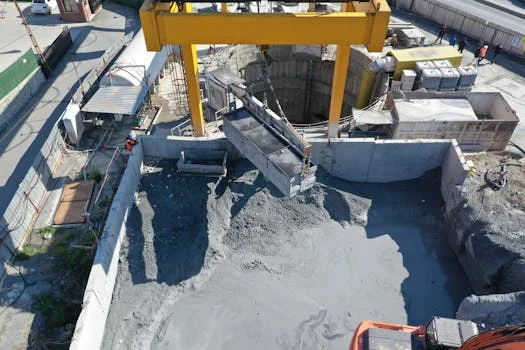
A comparison of sewage treatment equipment suppliers in San Antonio reveals that industrial-grade systems offer up to 60% smaller footprints compared to traditional municipal-scale clarifiers. When evaluating suppliers, procurement teams must look beyond initial CAPEX to consider removal efficiencies, energy consumption (kWh/m³), and local technical support availability. The following matrix compares the primary types of suppliers active in the San Antonio market.
| Supplier Category | TSS Removal | COD Removal | Energy Use | Best For |
|---|---|---|---|---|
| Residential/Commercial Water Softener Firms | <50% | Low | Moderate | Small-scale softening, RO |
| Municipal Engineering Firms | 90–95% | 70–85% | High | Large-scale desalination |
| Industrial Specialists (e.g., HydropureWater) | 95–99% | 92–98% | Low (0.3 kWh/m³) | High-load industrial waste |
| Local General Distributors | Varies | Varies | Varies | Basic chemical dosing |
Residential-focused firms often excel at water softening and basic RO but typically lack the heavy-duty DAF or MBR equipment required for high-TSS industrial waste. Conversely, large municipal engineering firms focus on city-wide desalination projects; while their technical depth is high, their solutions are often over-engineered and too costly for individual industrial facilities. Industrial specialists like HydropureWater bridge this gap by providing modular DAF and MBR systems with 5-year warranties and on-site training specifically for facility operators.
Red flags when selecting a supplier in San Antonio include a lack of TCEQ-certified system designs, refusal to provide pilot testing options, and an absence of local case studies. Given the strictness of SAWS IPP inspections, a supplier must demonstrate a clear understanding of San Antonio’s specific discharge permits. Suppliers that only offer "off-the-shelf" equipment without wastewater profiling often lead facilities into compliance failures within the first year of operation.
Cost Breakdown: CAPEX, OPEX, and ROI for Sewage Treatment Equipment in 2025
Operational expenditure (OPEX) for industrial wastewater treatment in San Antonio ranges from $0.15/m³ to $0.80/m³ depending on the complexity of the treatment train. While CAPEX for a high-efficiency system can be significant, the Return on Investment (ROI) is driven by three primary factors: the elimination of TCEQ fines, the reduction of water procurement costs through reuse, and the lowering of sludge disposal fees.
| System Type | Avg. CAPEX Range | Avg. OPEX ($/m³) | Typical Payback |
|---|---|---|---|
| DAF Pretreatment | $50,000 – $500,000 | $0.15 – $0.40 | 18 – 36 Months |
| Integrated MBR | $200,000 – $2,000,000 | $0.25 – $0.60 | 24 – 48 Months |
| Industrial RO | $100,000 – $1,000,000 | $0.30 – $0.80 | 24 – 36 Months |
For instance, a San Antonio food processor recently replaced an aging clarifier with a 100 GPM DAF system. While the CAPEX was $180,000, the facility saved $120,000 per year in SAWS surcharges and sludge hauling costs. With the new system, the sludge volume was reduced by 40% due to better thickening, and the payback period was achieved in just 1.5 years. by meeting TCEQ Chapter 210 standards for non-potable reuse, the facility reduced its freshwater intake by 30%, adding another $15,000 in annual savings.
Hidden costs must also be factored into the budget. Permitting fees for new industrial discharge points in San Antonio typically range from $5,000 to $20,000, depending on the complexity of the waste stream. Additionally, maintenance contracts—usually 10–15% of the initial CAPEX per year—are essential for ensuring membrane longevity in MBR and RO systems. Neglecting these services can lead to premature membrane replacement, which can cost up to 25% of the total system value.
San Antonio Compliance Checklist: How to Avoid TCEQ Violations and SAWS Penalties
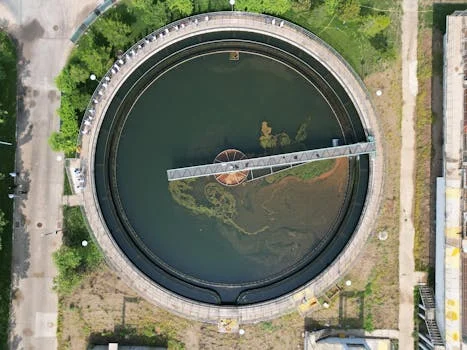
The San Antonio Water System (SAWS) Industrial Pretreatment Program requires facilities to maintain pH levels between 6.0 and 9.0 to prevent damage to municipal infrastructure. Beyond pH, the TCEQ Chapter 309 requirements for 2025 set strict numeric limits that vary by industry, but the following table represents the standard baseline for most San Antonio industrial permits.
| Parameter | TCEQ/SAWS Limit | Monitoring Frequency |
|---|---|---|
| BOD (Biochemical Oxygen Demand) | < 250 mg/L (Pre-Surcharge) | Monthly / Weekly |
| TSS (Total Suspended Solids) | < 250 mg/L (Pre-Surcharge) | Monthly / Weekly |
| FOG (Fats, Oils, Grease) | < 100 mg/L | Monthly |
| pH Range | 6.0 – 9.0 S.U. | Continuous / Daily |
| Heavy Metals (Cu, Zn, Ni) | Industry Specific (ppb range) | Quarterly |
The permitting process in San Antonio can take 6 to 12 months, requiring detailed engineering reports, site plans, and characterization of the wastewater influent. Common compliance pitfalls include undersized equalization tanks that lead to "slug loads" which bypass treatment, and a lack of automated pH adjustment systems. SAWS inspectors frequently check for proper sampling ports and calibrated flow meters; failure to provide accurate data can result in automatic maximum-rate surcharges.
HydropureWater supports San Antonio facilities by providing TCEQ-certified equipment designs and assistance with the SAWS permit application process. By integrating automated monitoring and data logging into MBR and DAF systems, facilities can provide "audit-ready" reports to regulators, significantly reducing the risk of administrative penalties. On-site training for facility staff ensures that the equipment is operated within the design parameters necessary to maintain compliance 24/7.
How to Select a Zero-Risk Sewage Treatment Equipment Supplier in San Antonio
A zero-risk supplier selection process requires 2–4 weeks of pilot testing to verify that equipment can handle the specific chemical oxygen demand (COD) spikes characteristic of local manufacturing. Choosing a supplier based solely on the lowest bid often leads to "compliance drift," where the system performs well during commissioning but fails as influent characteristics change or membranes age. Follow this structured framework to ensure a long-term, high-performance solution.
- Step 1: Comprehensive Wastewater Profiling: Do not rely on historical data. Conduct a 7-day composite sampling of your influent to capture diurnal variations in COD, TSS, and pH.
- Step 2: Request Pilot Testing: Any reputable supplier should offer a mobile pilot unit. This 2–4 week trial allows you to verify removal rates (e.g., ensuring 95%+ TSS removal) with your actual wastewater before committing to full-scale CAPEX.
- Step 3: Evaluate Technical Support Infrastructure: Ensure the supplier provides 24/7 technical support, has a local or regional spare parts warehouse, and offers comprehensive on-site operator training.
- Step 4: Verify Compliance Expertise: Ask for a list of San Antonio-based projects. Ensure their systems have successfully passed SAWS IPP inspections and meet TCEQ Chapter 309 standards.
- Step 5: Total Cost of Ownership (TCO) Analysis: Calculate the 10-year cost including energy, chemicals, membrane replacements, and labor. A system with a higher CAPEX but lower energy consumption (0.3 kWh/m³) often has a lower TCO.
- Step 6: Check Reference Case Studies: Contact facility managers at similar plants. Ask specifically about system uptime, ease of maintenance, and the supplier's responsiveness to technical issues.
Red flags to watch for include suppliers who refuse to provide performance guarantees or those who do not offer integrated automation. In 2025, manual wastewater treatment is high-risk; look for systems with PLC-based controls and remote monitoring capabilities. A supplier that offers a turnkey solution—from design and permitting to installation and O&M support—is the best choice for minimizing operational risk.
Frequently Asked Questions
What are the TCEQ discharge limits for industrial wastewater in San Antonio?
For most industrial facilities, the baseline limits are BOD < 30 mg/L, TSS < 45 mg/L, and pH between 6.0 and 9.0. However, SAWS may impose stricter limits for heavy metals, FOG, and TDS depending on the specific industry and the capacity of the receiving treatment plant.
How much does a DAF system cost for a 50,000 GPD facility in San Antonio?
A standard 50,000 GPD (gallons per day) DAF system typically requires a CAPEX of $150,000 to $300,000. Operational costs generally range from $0.20 to $0.40 per cubic meter, with a payback period of 2 to 4 years when considering reduced municipal surcharges.
What is the typical lead time for sewage treatment equipment in San Antonio?
Standard modular systems like MBRs or DAF units have a lead time of 8 to 16 weeks. Custom-engineered solutions for high-complexity waste may take 6 to 12 months. Note that the permitting process with SAWS and TCEQ should be started concurrently, as it often takes 6 to 12 months to finalize.
Can I reuse treated wastewater in my San Antonio facility?
Yes. San Antonio encourages water reuse. To do so, you must comply with TCEQ Chapter 210 for non-potable reuse and obtain a separate reuse permit from SAWS. MBR and RO systems are ideal for this, as they produce high-quality effluent suitable for cooling towers, irrigation, or process wash water.
What are the most common TCEQ violations for industrial plants in San Antonio?
The most frequent violations involve exceeding BOD and TSS limits, pH excursions (usually too acidic), and FOG violations. These are often caused by undersized treatment systems or a lack of proper pretreatment technologies like DAF, which can reduce FOG by 60–80% before it reaches the sewer.