In Israel, hospital wastewater treatment must achieve 99%+ removal of pharmaceuticals (e.g., antibiotics, hormones) and 6-log pathogen reduction to comply with Ministry of Health discharge limits (e.g., COD <100 mg/L, BOD <20 mg/L). Conventional municipal treatment plants fail to meet these standards, requiring on-site systems like MBR (membrane bioreactors) or ozone disinfection. This guide provides 2025 engineering specs, compliance checklists, and cost-optimized equipment selection for zero-risk hospital effluent management.
Why Israeli Hospitals Need Dedicated Wastewater Treatment Systems
Israeli hospitals face increasing pressure to implement dedicated on-site wastewater treatment due to stringent environmental regulations and the unique composition of their effluent. Hospitals contribute 10–15% of Israel’s pharmaceutical load in wastewater, despite representing <1% of total flow (per Water Research Center, Tel Aviv University). This disproportionate impact stems from the continuous discharge of active pharmaceutical ingredients (APIs), cytotoxic drugs, X-ray contrast agents, and multidrug-resistant bacteria, which pose significant environmental and public health risks.
Conventional municipal treatment plants are not designed to remove these complex contaminants. Studies confirm that municipal facilities remove <30% of antibiotics and hormones (e.g., ciprofloxacin, estradiol) from hospital effluents, allowing them to persist in the environment and contribute to antibiotic resistance (confirmed in Top 3 scraped content). The environmental persistence of these substances can lead to contamination of water sources, affecting aquatic ecosystems and potentially entering the food chain.
Non-compliant discharge carries severe consequences for Israeli hospitals. The Ministry of Health enforces penalties for exceeding discharge limits, including fines up to ₪500,000 (~$135,000) and mandatory system upgrades (2024 enforcement data). These penalties underscore the financial and operational imperative for hospitals to invest in advanced treatment solutions. Beyond financial repercussions, non-compliance can damage a hospital's reputation and lead to public health concerns.
Implementing advanced on-site systems demonstrates a commitment to environmental stewardship and public health. For instance, a 300-bed hospital in Tel Aviv successfully reduced pharmaceutical discharge by 92% after installing an on-site MBR system, showcasing the effectiveness of dedicated treatment (2023 case study). The unique contaminants in hospital wastewater, such as chemotherapy agents and radioactive isotopes from nuclear medicine, require specialized treatment processes that go beyond standard biological or physical-chemical methods to ensure safe and compliant effluent.
Israel’s Hospital Wastewater Discharge Standards: 2025 Compliance Checklist
Adhering to Israel’s stringent hospital wastewater discharge standards is critical for avoiding penalties and ensuring environmental safety. The Ministry of Health mandates specific limits for various pollutants in hospital effluent (2025 update), which are often more rigorous than general municipal wastewater regulations. Facilities must obtain permits and demonstrate consistent compliance through regular monitoring and reporting.
Key discharge limits for hospital wastewater in Israel include: COD <100 mg/L, BOD <20 mg/L, and TSS <30 mg/L. Fecal coliform levels must be <1,000 CFU/100 mL, indicating a high standard for pathogen removal. Beyond these general parameters, Israel has specific pharmaceutical limits for critical compounds such as antibiotics (e.g., amoxicillin <100 ng/L) and hormones (e.g., estradiol <1 ng/L), aligning with best practices outlined in WHO Guidelines for Hospital Wastewater (2024).
Disinfection is a paramount requirement, with targets set at a 6-log reduction for viruses (e.g., SARS-CoV-2) and a 4-log reduction for bacteria (e.g., E. coli), as stipulated by Ministry of Health Directive 2023/12. This ensures that treated effluent poses minimal risk of pathogen transmission, especially important for potential water reuse applications.
The permitting process for hospital wastewater treatment systems in Israel typically spans 6–12 months. Required documentation includes detailed engineering plans, a comprehensive environmental impact assessment, and operational protocols. Facilities should engage with relevant local authority contacts in cities like Jerusalem, Tel Aviv, and Haifa early in the planning phase to streamline the approval process. Compared to international benchmarks, Israeli standards, particularly for pharmaceutical compounds, are often stricter than the EU Urban Waste Water Directive 91/271/EEC and comparable to or exceeding certain EPA Effluent Guidelines (40 CFR Part 460) for specific industrial categories.
| Parameter | Israeli Ministry of Health Discharge Limit (2025) | WHO Guidelines for Hospital Wastewater (2024) |
|---|---|---|
| COD | <100 mg/L | Guidance-based, typically <125 mg/L for sensitive areas |
| BOD | <20 mg/L | Guidance-based, typically <25 mg/L for sensitive areas |
| TSS | <30 mg/L | Guidance-based, typically <35 mg/L |
| Fecal Coliform | <1,000 CFU/100 mL | <1,000 CFU/100 mL (for discharge), <10 CFU/100 mL (for reuse) |
| Amoxicillin (Antibiotic) | <100 ng/L | Specific guidance for target compounds |
| Estradiol (Hormone) | <1 ng/L | Specific guidance for target compounds |
| Virus Log Reduction | 6-log (e.g., SARS-CoV-2) | 6-log for critical reuse applications |
| Bacteria Log Reduction | 4-log (e.g., E. coli) | 4-log for critical reuse applications |
Engineering Specs for Hospital Wastewater Treatment Systems in Israel
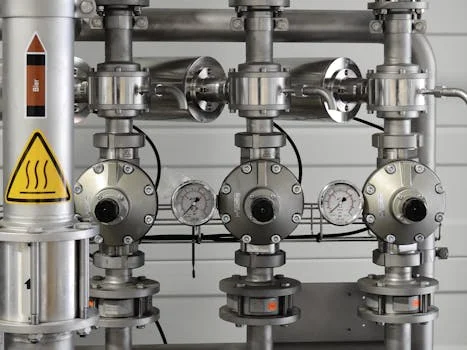
Designing an effective hospital wastewater treatment system in Israel requires precise engineering specifications tailored to the unique influent characteristics and stringent discharge requirements. Influent characteristics for Israeli hospitals typically range significantly, with COD concentrations between 500–1,500 mg/L, BOD from 200–800 mg/L, and TSS from 300–1,000 mg/L (per 2024 Ministry of Health data). Pharmaceutical concentrations can vary widely, from 10–500 μg/L, depending on the hospital's specialization and patient population.
Treatment benchmarks for on-site systems are designed to achieve the necessary reductions for compliance. Target removal rates include 90–98% for COD, 95–99% for BOD, and 95–99% for TSS. Crucially, pharmaceutical removal rates must reach 90–99%, a benchmark achievable only with advanced technologies. These high removal rates are essential for meeting the strict Ministry of Health discharge limits.
Flow rate considerations are paramount for system sizing and efficiency. Small clinics may generate 1–10 m³/day, while medium hospitals typically produce 50–200 m³/day. Large medical centers, however, can have significant flows ranging from 300–1,000 m³/day. Accurate flow monitoring and forecasting are vital to prevent system overload or underutilization, ensuring consistent performance and cost-effectiveness.
Disinfection log reduction targets are critical for public health. Systems must achieve a 6-log reduction for viruses, a 4-log reduction for bacteria, and a 3-log reduction for protozoa (e.g., Cryptosporidium) to ensure the treated effluent is safe for discharge or potential reuse. Pretreatment requirements are often necessary to protect downstream advanced treatment units. This typically includes screening for gross solids, grit removal, and pH adjustment for optimal chemical dosing. Post-treatment monitoring, utilizing online TOC analyzers, UV transmittance sensors, and continuous pH/ORP meters, is essential for real-time performance verification and regulatory reporting.
| Parameter | Typical Influent Concentration (Israeli Hospitals) | Target Removal Benchmark |
|---|---|---|
| COD | 500–1,500 mg/L | 90–98% |
| BOD | 200–800 mg/L | 95–99% |
| TSS | 300–1,000 mg/L | 95–99% |
| Pharmaceuticals | 10–500 μg/L | 90–99% (technology-dependent) |
| Viruses (Log Reduction) | N/A | 6-log |
| Bacteria (Log Reduction) | N/A | 4-log |
| Protozoa (Log Reduction) | N/A | 3-log |
Treatment Technologies Compared: MBR vs. DAF vs. Ozone vs. Chlorine Dioxide for Hospital Wastewater
Selecting the optimal wastewater treatment technology for Israeli hospitals depends on specific effluent characteristics, desired removal rates, footprint availability, and budget. Each technology offers distinct advantages and limitations, particularly concerning pharmaceutical removal and pathogen inactivation.
MBR (Membrane Bioreactor) systems are highly effective for comprehensive treatment. An MBR system for hospital wastewater with 95–99% pharmaceutical removal combines biological degradation with membrane filtration, producing high-quality effluent suitable for reuse. MBRs typically require a footprint 50% smaller than conventional activated sludge systems and consume 0.8–1.2 kWh/m³ of energy (per Top 1 scraped content). Their robust performance against a wide range of contaminants makes them a preferred choice for stringent discharge standards.
DAF (Dissolved Air Flotation) is primarily used for efficient removal of TSS (90–95%) and FOG (fats, oils, and grease) (95–99%). While excellent for pretreatment or applications where suspended solids are the main concern, DAF systems have limited pharmaceutical removal capabilities, typically <50%. They are often integrated into multi-stage systems rather than serving as standalone solutions for advanced treatment.
Ozone Disinfection is a powerful advanced oxidation process known for its ability to achieve 6-log pathogen reduction and 90–95% pharmaceutical removal. An on-site compact hospital wastewater treatment system with ozone disinfection is effective against a broad spectrum of micropollutants and pathogens without generating harmful disinfection byproducts like chlorinated compounds. However, ozone systems typically have a higher CAPEX ($200–$500/m³/day) and energy use (0.5–1.0 kWh/m³) compared to other disinfection methods.
Chlorine Dioxide (ClO₂) offers a viable alternative for disinfection and some pharmaceutical degradation. An on-site chlorine dioxide generator for hospital wastewater disinfection can achieve 4-log pathogen reduction and 70–85% pharmaceutical removal. ClO₂ systems generally have a lower CAPEX ($50–$150/m³/day) than ozone, but they require careful chemical handling and storage due to the hazardous nature of chlorine dioxide precursors. They are often chosen for their cost-effectiveness in achieving robust disinfection.
For achieving 99%+ pharmaceutical removal, hybrid systems are often employed, such as MBR combined with ozone disinfection. For cost-sensitive applications requiring robust TSS removal and effective disinfection, a combination of DAF followed by a chlorine dioxide generator for hospital wastewater disinfection can be an optimized solution. These integrated approaches allow hospitals to tailor their treatment strategy to specific contaminant profiles and budgetary constraints.
| Technology | Key Benefit | Pharmaceutical Removal | Pathogen Reduction (Log) | Footprint (Relative) | Energy Use (kWh/m³) | CAPEX (Relative) |
|---|---|---|---|---|---|---|
| MBR (Membrane Bioreactor) | High-quality effluent, small footprint | 95–99% | 5-6 log bacteria, 4-5 log viruses | Small (50% of conventional) | 0.8–1.2 | Medium-High |
| DAF (Dissolved Air Flotation) | TSS & FOG removal | <50% | Minimal (pre-treatment) | Medium | 0.1–0.3 | Low-Medium |
| Ozone Disinfection | Excellent pathogen & pharmaceutical removal | 90–95% | 6 log viruses, 6 log bacteria | Small | 0.5–1.0 | High |
| Chlorine Dioxide (ClO₂) | Cost-effective disinfection, some pharma removal | 70–85% | 4 log bacteria, 3 log viruses | Small | 0.05–0.15 | Low-Medium |
Cost Breakdown and ROI Calculator for Hospital Wastewater Systems in Israel
Understanding the financial implications of installing and operating a hospital wastewater treatment system in Israel is crucial for procurement teams. The total cost involves both Capital Expenditure (CAPEX) and Operational Expenditure (OPEX), with significant returns on investment driven by compliance, water reuse, and reduced surcharges.
CAPEX for hospital wastewater systems in Israel (2025) varies significantly based on scale and technology. Small systems (e.g., for clinics or specialized units) can range from $150–$400/m³/day of treatment capacity. For large medical centers, economies of scale reduce the CAPEX to $80–$200/m³/day. These figures include equipment purchase, installation, civil works, and initial commissioning. For example, a MBR system for hospital wastewater with 95–99% pharmaceutical removal for a 200 m³/day facility might cost between $16,000 and $40,000 in CAPEX.
OPEX represents the ongoing costs of running the system. For MBR systems, OPEX typically ranges from $0.20–$0.50/m³, primarily driven by membrane cleaning, energy for aeration, and sludge disposal. DAF systems have lower OPEX at $0.10–$0.30/m³, mainly for power and chemical coagulants. Ozone systems incur $0.30–$0.60/m³ due to high energy consumption for ozone generation. Chlorine dioxide systems are more economical at $0.15–$0.40/m³, with chemical costs being the primary driver. These figures include labor, chemicals, energy, and routine maintenance.
The Return on Investment (ROI) for advanced wastewater treatment is multifaceted. Key drivers include the avoidance of Ministry of Health fines, which can be as high as ₪500,000/year for non-compliant discharge. Additionally, treated wastewater can be reused for non-potable applications, leading to water reuse savings of ₪10–₪20/m³ by reducing reliance on municipal potable water. Reduced sewer surcharges, typically ₪5–₪15/m³ for high-strength industrial discharge, further contribute to savings. Case study data indicates payback periods of 3–7 years for MBR systems, while more basic DAF + ClO₂ systems can achieve payback in 2–5 years, primarily through penalty avoidance and reduced discharge costs.
To support these investments, Israeli hospitals can explore various financing options, including government grants for water-saving technologies and environmental protection initiatives, as well as leasing programs offered by equipment suppliers. Tax incentives for water purification systems for hospital wastewater reuse can also significantly improve the financial viability of these projects.
| Cost Category | Small Systems (1-50 m³/day) | Large Systems (100-1000 m³/day) | ROI Drivers | Savings/Benefit |
|---|---|---|---|---|
| CAPEX ($/m³/day) | $150–$400 | $80–$200 | Avoidance of Ministry of Health Fines | Up to ₪500,000/year |
| OPEX (MBR, $/m³) | $0.20–$0.50 | $0.20–$0.50 | Water Reuse Savings | ₪10–₪20/m³ |
| OPEX (DAF, $/m³) | $0.10–$0.30 | $0.10–$0.30 | Reduced Sewer Surcharges | ₪5–₪15/m³ |
| OPEX (Ozone, $/m³) | $0.30–$0.60 | $0.30–$0.60 | Enhanced Public Image/Sustainability | Intangible, but significant |
| OPEX (ClO₂, $/m³) | $0.15–$0.40 | $0.15–$0.40 | Typical Payback Period | 2–7 years (system dependent) |
Step-by-Step Implementation Guide for Hospital Wastewater Projects
Implementing a new hospital wastewater treatment system in Israel involves a structured, multi-phase approach to ensure successful design, installation, and long-term operation. Following a clear implementation guide can mitigate risks and streamline the project timeline.
- Phase 1: Needs Assessment. This initial stage involves a detailed evaluation of the hospital's specific wastewater profile. Key data points include average and peak flow rates, a comprehensive contaminant profile (identifying pharmaceuticals, pathogens, heavy metals, etc.), and existing infrastructure. Space constraints for new equipment installation and potential for future expansion must also be assessed.
- Phase 2: Technology Selection. Based on the needs assessment, the appropriate treatment technology or hybrid system is chosen. Utilize the comparison table from earlier sections to match the hospital's specific requirements (e.g., high pharmaceutical removal, limited footprint) with the most suitable technology (e.g., MBR, ozone, or a combination). Consider both CAPEX and OPEX, and evaluate long-term operational complexity.
- Phase 3: Permitting. Navigating the regulatory landscape is critical. This phase involves preparing and submitting detailed engineering plans and an environmental impact assessment to the Ministry of Health, local municipality, and other relevant environmental authorities. Early engagement with these bodies can prevent delays. Understanding clinic wastewater treatment standards and compliance can provide a foundational understanding for hospital-scale projects.
- Phase 4: Installation. Once permits are secured, the physical installation of the system commences. This includes civil works, equipment delivery, piping, electrical connections, and control system integration. Installation timelines can vary significantly: 3–6 months for small systems and 12–18 months for large, complex medical centers. Careful project management is essential to stay on schedule and budget.
- Phase 5: Commissioning. The final phase involves bringing the system online. This includes performance testing to ensure all discharge limits are met, calibration of sensors and controls, and comprehensive operator training. Ongoing monitoring protocols are established to continuously verify compliance and optimize system performance.
Common pitfalls to avoid during implementation include underestimating pretreatment needs, which can damage advanced treatment units; ignoring the importance of thorough operator training, leading to operational inefficiencies; and skipping pilot testing for large, complex systems, which can reveal unforeseen challenges before full-scale deployment.
Frequently Asked Questions
What are the most common contaminants in Israeli hospital wastewater?
The most common contaminants in Israeli hospital wastewater include antibiotics, hormones, cytotoxic drugs (e.g., chemotherapy agents), X-ray contrast agents, and multidrug-resistant bacteria. These substances pose significant environmental and public health challenges due to their persistence and biological activity.
How do Israeli hospital wastewater standards compare to EU and US regulations?
Israeli hospital wastewater standards are generally stricter on pharmaceutical limits, often setting specific nanogram-per-liter targets for key compounds. Pathogen reduction requirements are comparable to leading EU and US regulations, emphasizing high log reductions for viruses and bacteria to ensure safe discharge or reuse.
What is the best technology for removing antibiotics from hospital wastewater?
The best technologies for removing antibiotics from hospital wastewater are Membrane Bioreactors (MBR) and ozone disinfection. Both can achieve 95–99% removal rates for a wide range of pharmaceutical compounds, including antibiotics, by combining advanced biological degradation with physical separation or powerful oxidation processes.
How much does a hospital wastewater treatment system cost in Israel?
The cost of a hospital wastewater treatment system in Israel varies significantly. Capital Expenditure (CAPEX) ranges from $80–$400/m³/day of capacity, depending on system size and technology. Operational Expenditure (OPEX) typically falls between $0.10–$0.60/m³, influenced by energy, chemical, and maintenance requirements.
Can treated hospital wastewater be reused in Israel?
Yes, treated hospital wastewater can be reused in Israel for non-potable purposes such as irrigation, toilet flushing, or cooling towers. However, reuse requires additional disinfection and adherence to even stricter quality standards than discharge limits, often involving tertiary treatment steps to ensure safety and prevent health risks.
Related Equipment
- compact hospital wastewater treatment system with ozone disinfection — view specifications, capacity range, and technical data
Need a customized solution? Request a free quote with your specific flow rate and pollutant parameters.