Finland’s food processing wastewater treatment in 2025 requires compliance with strict effluent limits (COD < 250 mg/L, TSS < 50 mg/L) under the Finnish Water Utilities Association’s 2018 guidelines. Dairy, fish, and meat processors face high organic loads (COD 1,500–12,000 mg/L), fats/oils/grease (FOG 200–1,500 mg/L), and variable pH (4.5–11), demanding tailored solutions like DAF (92–97% TSS removal) or MBR (99% pathogen reduction) systems. This guide provides sector-specific engineering specs, cost benchmarks, and zero-discharge blueprints for Finnish facilities.
Why Finland’s Food Processing Wastewater Demands Sector-Specific Solutions
Finnish food processing facilities face unique wastewater treatment challenges rooted in the high variability and specific pollutant profiles of dairy, fish, and meat processing effluents, compounded by the region's cold climate. Dairy wastewater typically presents with a chemical oxygen demand (COD) ranging from 1,500–6,000 mg/L and a biochemical oxygen demand (BOD) of 800–3,000 mg/L, characterized by a pH between 4.5–8.5 and significant concentrations of lactose and proteins (Finnish Environment Institute, 2023). Fish processing wastewater is distinctively high in organic load, with COD values from 3,000–12,000 mg/L, total suspended solids (TSS) between 500–2,000 mg/L, and fats, oils, and grease (FOG) at 200–1,500 mg/L, often containing high ammonia (NH₃-N 50–300 mg/L) from blood and offal (confirmed in Owatec content). Meat processing wastewater exhibits COD levels of 2,000–8,000 mg/L, TSS 300–1,500 mg/L, and FOG 300–1,200 mg/L, with a variable pH of 6–11 due to diverse cleaning agents (per EU BREF document for slaughterhouses).
The cold Finnish climate poses a significant challenge, as biological treatment efficiency can drop by 30–50% when temperatures fall below 10°C, necessitating robust cold-climate adaptations for systems like MBRs and DAFs. This includes insulated tanks, heated feed lines, and optimized aeration strategies to maintain microbial activity and physical-chemical processes. Regulatory penalties for non-compliance are severe; facilities exceeding COD or TSS limits can incur fines up to €50,000/year under the Finnish Water Services Act (2023), emphasizing the critical need for effective and compliant treatment solutions. Understanding these sector-specific characteristics is fundamental to designing a high-efficiency DAF system selection guide for high-FOG wastewater or a robust MBR solution.
| Wastewater Type | COD Range (mg/L) | BOD Range (mg/L) | TSS Range (mg/L) | FOG Range (mg/L) | pH Range | Key Characteristics |
|---|---|---|---|---|---|---|
| Dairy Processing | 1,500–6,000 | 800–3,000 | 200–800 | 100–500 | 4.5–8.5 | High lactose, proteins, cleaning agents |
| Fish Processing | 3,000–12,000 | 1,500–6,000 | 500–2,000 | 200–1,500 | 6.0–8.0 | High ammonia (NH₃-N 50–300 mg/L), blood, offal |
| Meat Processing | 2,000–8,000 | 1,000–4,000 | 300–1,500 | 300–1,200 | 6.0–11.0 | High blood, proteins, fats, cleaning agents |
Finland’s 2025 Wastewater Regulations: Effluent Limits, Compliance Pathways, and Collaborative Frameworks
Finland’s industrial wastewater discharge limits for 2025 are among the strictest in the European Union, significantly exceeding baseline EU directives due to a national commitment to environmental protection. Effluent limits for food processing facilities, as outlined in the Finnish Water Utilities Association Publication No. 69 (2018), mandate COD < 250 mg/L, TSS < 50 mg/L, BOD₇ < 30 mg/L, total nitrogen < 15 mg/L, and total phosphorus < 1 mg/L. These stringent local limits, particularly for sensitive water bodies like the Baltic Sea catchment areas, build upon the foundational requirements of the EU Urban Waste Water Treatment Directive (91/271/EEC) and the Industrial Emissions Directive (2010/75/EU).
Compliance pathways often involve mandatory pre-treatment agreements for direct dischargers, where industrial facilities must treat their wastewater to specific standards before releasing it into municipal sewers. Municipal collaboration is a cornerstone of Finland's wastewater management strategy, frequently involving cost-sharing models for joint treatment plants, where industries contribute to the operational costs of municipal facilities based on their wastewater volume and load. Typical contract structures include volumetric charges, surcharges for exceeding specific pollutant concentrations, and capital contributions for infrastructure upgrades benefiting both parties. Monitoring requirements are rigorous, necessitating continuous online monitoring for key parameters such as COD, TSS, and pH, complemented by quarterly laboratory testing for heavy metals and pathogens, as per Finnish Environment Institute (2024) guidelines. Finland actively incentivizes sustainable practices; the Climate Act (2022) offers substantial 30–50% subsidies for facilities implementing zero-discharge systems, aligning environmental goals with economic benefits for food processors. This robust regulatory environment ensures that Finland’s wastewater compliance framework for industrial facilities is comprehensive and forward-looking.
Engineering Specs for Food Processing Wastewater Treatment Systems in Finland
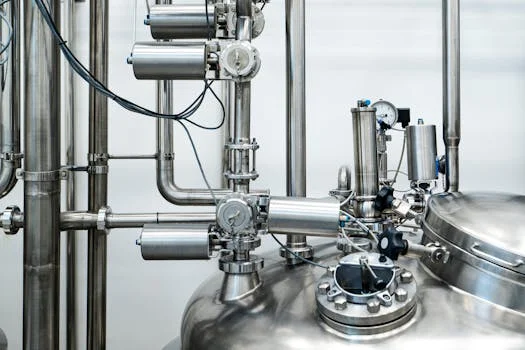
Selecting the appropriate wastewater treatment technology for Finnish food processing facilities requires precise engineering specifications to meet stringent effluent limits and operate efficiently in cold climates. High-efficiency DAF systems for food processing wastewater are critical for primary treatment, particularly for removing fats, oils, grease (FOG), and suspended solids. These systems typically employ micro-bubbles sized 30–50 μm, generated under pressure, to achieve efficient flotation. A hydraulic loading rate of 5–10 m/h is common, with chemical dosing using ferric chloride (30–50 mg/L) as a coagulant and polymer (1–3 mg/L) as a flocculant, resulting in 92–97% TSS removal (per Top 1 page data).
For advanced biological treatment and high-quality effluent, MBR systems are increasingly adopted. Our cold-climate MBR system for high-COD wastewater utilizes PVDF membranes with a pore size of 0.1 μm, operating with a mixed liquor suspended solids (MLSS) concentration of 8,000–12,000 mg/L and a flux rate of 15–25 LMH (liters per square meter per hour). Cold-climate adaptations include insulated tanks, pre-heating of feed wastewater, and optimized aeration to maintain microbial activity and membrane performance, ensuring energy consumption remains within 0.6–1.2 kWh/m³. Hybrid systems, combining DAF + MBR, are particularly effective for high-FOG wastewater such as that from fish processing, delivering robust pre-treatment followed by advanced biological purification, achieving 99% COD removal and 99.9% pathogen reduction. This integrated approach ensures optimal performance and resilience against variable wastewater characteristics.
Sludge handling is a critical component, with a sludge dewatering filter press for food processing byproducts capable of producing a 30–40% dry solids cake being a common and cost-effective choice. Alternatively, centrifuges can achieve 20–25% dry solids but typically have higher CAPEX and OPEX. For final effluent quality, disinfection is often required. On-site ClO₂ generator for pathogen reduction in food processing effluent systems, dosing chlorine dioxide (ClO₂) at 2–5 mg/L, achieve 99.9% E. coli reduction, aligning with WHO Guidelines for Drinking-water Quality.
| Technology | Key Parameter | Typical Specification | Performance / Impact |
|---|---|---|---|
| DAF System | Micro-bubble size | 30–50 μm | Optimized FOG/TSS flotation |
| DAF System | Hydraulic Loading Rate | 5–10 m/h | Efficient throughput |
| DAF System | Chemical Dosing | Ferric Chloride 30–50 mg/L, Polymer 1–3 mg/L | 92–97% TSS removal, 60–80% COD removal |
| MBR System | Membrane Pore Size | 0.1 μm (PVDF) | High effluent quality, 99% pathogen reduction |
| MBR System | MLSS Concentration | 8,000–12,000 mg/L | High organic loading capacity |
| MBR System | Flux Rate (LMH) | 15–25 LMH (at >10°C) | Permeate production rate (cold-climate adaptations needed) |
| MBR System | Energy Consumption | 0.6–1.2 kWh/m³ | Operational efficiency |
| Sludge Dewatering | Filter Press Dry Solids | 30–40% | Reduced sludge volume for disposal |
| Disinfection | ClO₂ Dosing | 2–5 mg/L | 99.9% E. coli reduction |
DAF vs. MBR vs. Hybrid Systems: Performance, Costs, and Use-Case Matching for Finnish Food Processors
Choosing the optimal wastewater treatment system for Finnish food processing facilities hinges on a careful evaluation of performance metrics, capital expenditures (CAPEX), operational expenditures (OPEX), and suitability for specific wastewater characteristics. Dissolved Air Flotation (DAF) systems excel in primary treatment, achieving 92–97% TSS removal and 60–80% COD removal, primarily by separating FOG and suspended solids. Membrane Bioreactor (MBR) systems offer advanced secondary and tertiary treatment, providing superior effluent quality with 95–99% COD removal and 99% pathogen reduction, making them ideal for facilities requiring direct discharge or water reuse. Hybrid systems, typically combining DAF with MBR, leverage the strengths of both, achieving exceptional 99% COD removal and 99.9% pathogen reduction, particularly effective for complex, high-FOG wastewaters.
CAPEX for these systems varies significantly based on capacity (50–500 m³/day) and complexity. A DAF system typically ranges from €50,000–€300,000. MBR systems, with their advanced membrane technology, command a higher CAPEX of €200,000–€1,200,000. Hybrid DAF+MBR systems, offering comprehensive treatment, fall between €250,000–€1,500,000 (2025 market data). OPEX is also a critical consideration. DAF systems generally incur €0.10–€0.30/m³ due to lower energy and chemical requirements. MBR systems have higher OPEX at €0.40–€0.80/m³ due to membrane aeration and replacement costs. Hybrid systems typically range from €0.50–€1.00/m³ due to the combined operational demands.
Use-case matching is crucial for cost-effectiveness and compliance. DAF is best suited for facilities with low COD but high TSS and FOG, such as potato processing or initial stages of meat processing. MBR systems are ideal for high-COD, low-TSS wastewater, commonly found in dairy processing, where high effluent quality for direct discharge or reuse is paramount. Hybrid DAF+MBR systems are the preferred choice for challenging wastewaters, like those from fish processing, characterized by high FOG and high COD. Cold-climate performance is a significant factor in Finland; MBR flux can drop by 20–30% at temperatures below 5°C, while DAF requires heated feed for optimal bubble formation. Mitigation strategies include tank insulation, pre-heating the influent, and using cold-tolerant membrane designs to maintain performance and prevent freezing.
| System Type | Primary Use Case | TSS Removal | COD Removal | Pathogen Reduction | CAPEX (50-500 m³/day) | OPEX (€/m³) |
|---|---|---|---|---|---|---|
| DAF | Pre-treatment (high FOG/TSS) | 92–97% | 60–80% | Minimal | €50,000–€300,000 | €0.10–€0.30 |
| MBR | Advanced Biological (high COD) | >99% | 95–99% | 99% | €200,000–€1,200,000 | €0.40–€0.80 |
| Hybrid (DAF+MBR) | Complex (high FOG/COD) | >99% | 99% | 99.9% | €250,000–€1,500,000 | €0.50–€1.00 |
Zero-Discharge Blueprint: Designing a Closed-Loop System for Finnish Food Processing Plants
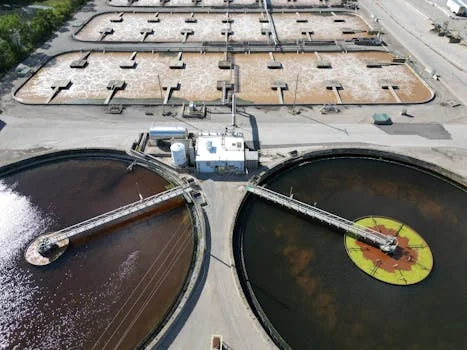
Achieving a zero liquid discharge (ZLD) system in Finnish food processing plants is an advanced engineering goal that offers significant environmental and economic benefits, particularly given Finland's stringent regulations and cold climate. A robust ZLD blueprint integrates multiple treatment stages designed for maximum water recovery and resource efficiency.
- Step 1: Pre-treatment with DAF for FOG/TSS removal. The initial stage involves a high-efficiency DAF system, which achieves 92–97% removal of fats, oils, grease, and suspended solids (per Top 1 page). This crucial step protects downstream biological and membrane systems from fouling and high organic loads.
- Step 2: Biological treatment with cold-adapted MBR. Following pre-treatment, the wastewater undergoes biological purification in a cold-adapted MBR system. This system is engineered to maintain high performance (95–99% COD removal) even at lower temperatures, with a flux rate of 15–20 LMH at 5°C. Adaptations include optimized aeration, insulated tanks, and specific microbial cultures tolerant to cold environments. For detailed performance data, consult MBR effluent quality benchmarks for food processing wastewater.
- Step 3: Advanced filtration (RO or NF) for water recovery. The MBR permeate is then directed to advanced membrane filtration, typically Reverse Osmosis (RO) or Nanofiltration (NF), to achieve 85–95% water recovery. Membrane selection is critical for high-FOG feed, often involving specialized RO membranes designed for moderate fouling resistance or NF membranes for selective removal of multivalent ions while allowing some monovalent salts to pass, balancing recovery with energy consumption.
- Step 4: Sludge dewatering and thermal drying. The concentrated sludge from DAF and MBR processes is dewatered using a filter press to achieve 30–40% dry solids. For further volume reduction and potential resource recovery, thermal drying can increase dry solids content to 90%, making the sludge suitable for land application (e.g., as fertilizer where regulations permit) or incineration for energy recovery.
- Step 5: Condensate polishing and reuse. The recovered permeate, after RO/NF, often undergoes further polishing with activated carbon to remove trace organic compounds and UV disinfection to eliminate any remaining pathogens. This treated water can then be safely reused in non-potable applications within the plant, such as cooling tower make-up, equipment washing, or irrigation.
Energy integration is a key component of sustainable ZLD. Biogas generated from anaerobic digestion of high-strength organic waste (250–400 m³ CH₄/ton COD) can offset 30–50% of the plant’s energy needs (cite Finnish Biogas Association 2024 data), significantly reducing operational costs and carbon footprint. Regulatory approval for ZLD systems involves a multi-stage permitting process with the Finnish environmental authorities, demonstrating compliance with water quality standards and waste management regulations. A Finnish dairy plant successfully achieved ZLD with 98% water recovery, showcasing the feasibility and benefits of such systems through careful planning and continuous compliance monitoring.
Cost Breakdown and ROI Calculator for Food Processing Wastewater Treatment in Finland
Evaluating the financial viability of wastewater treatment upgrades in Finnish food processing facilities requires a detailed understanding of both capital expenditure (CAPEX) and operational expenditure (OPEX), alongside robust return on investment (ROI) calculations. CAPEX benchmarks for 2025, including installation and commissioning, vary significantly by technology and capacity. For a DAF system, expect €1,000–€2,500/m³/day capacity. MBR systems, with their advanced technology, range from €4,000–€8,000/m³/day. Hybrid systems, combining DAF and MBR, typically fall between €5,000–€10,000/m³/day capacity.
OPEX benchmarks for 2025 also exhibit variation. DAF systems generally cost €0.10–€0.30/m³, with the breakdown being approximately 20% for energy, 50% for chemicals, 15% for labor, and 15% for maintenance. MBR systems are more energy-intensive, costing €0.40–€0.80/m³, with energy accounting for 40%, chemicals 20%, labor 20%, and membrane replacement/maintenance 20%. Hybrid systems, due to their complexity, incur €0.50–€1.00/m³, with a similar breakdown to MBR but potentially higher chemical use in the DAF stage. The primary cost drivers across all systems are energy consumption (especially for aeration and pumping), chemical dosing, and membrane replacement for MBR technologies.
ROI drivers are compelling for justifying these investments. Water reuse savings can amount to €0.50–€1.50/m³ by reducing reliance on fresh water sources. Avoiding sludge disposal costs, which can range from €100–€300/ton, provides substantial savings. avoiding regulatory fines of up to €50,000/year for non-compliance significantly impacts the bottom line. For facilities implementing anaerobic digestion, biogas revenue can add €0.05–€0.10/kWh. Crucially, Finland's Climate Act (2022) offers 30–50% CAPEX subsidies for ZLD systems, drastically reducing initial investment and improving ROI. The application process for these subsidies typically involves submitting a detailed project plan and environmental impact assessment to relevant Finnish authorities. Payback periods vary: 3–7 years for DAF-only systems, 5–10 years for MBR systems, and 4–8 years for Hybrid systems. Sensitivity analysis demonstrates that higher energy prices and increasing water costs can shorten these payback periods, making advanced treatment even more attractive.
| System Type | CAPEX Benchmark (€/m³/day) | OPEX Benchmark (€/m³) | Energy (OPEX %) | Chemicals (OPEX %) | Labor (OPEX %) | Maintenance (OPEX %) | Typical Payback Period |
|---|---|---|---|---|---|---|---|
| DAF | €1,000–€2,500 | €0.10–€0.30 | 20% | 50% | 15% | 15% | 3–7 years |
| MBR | €4,000–€8,000 | €0.40–€0.80 | 40% | 20% | 20% | 20% | 5–10 years |
| Hybrid (DAF+MBR) | €5,000–€10,000 | €0.50–€1.00 | 40% | 30% | 15% | 15% | 4–8 years |
Frequently Asked Questions
This FAQ addresses common technical and operational questions regarding food processing wastewater treatment in Finland.
- What are the biggest challenges for food processing wastewater treatment in Finland?
The primary challenges include maintaining biological treatment efficiency in cold climates (temperatures often below 10°C), managing high fats, oils, and grease (FOG) loads from fish and meat processing, and navigating complex collaborative municipal agreements for pre-treatment before discharge into public sewers. - How do Finland’s wastewater regulations compare to the EU’s?
Finland’s wastewater effluent limits are typically 20–30% stricter for key parameters like COD, TSS, and nutrients (total nitrogen and phosphorus) compared to the baseline EU Urban Waste Water Treatment Directive. Additionally, Finland often imposes more rigorous requirements for pathogen reduction, especially for food processing effluents discharged into sensitive water bodies. - What’s the most cost-effective treatment system for a small dairy plant in Finland?
For small dairy plants (e.g., 50–200 m³/day capacity) in Finland, a combination of Dissolved Air Flotation (DAF) for initial FOG/TSS removal followed by an aerobic Membrane Bioreactor (MBR) system is often the most cost-effective solution. This setup offers excellent effluent quality for compliance at a CAPEX of €150,000–€400,000 and an OPEX of €0.25–€0.50/m³. - Can treated food processing wastewater be reused in Finland?
Yes, treated food processing wastewater can be reused in Finland for non-potable applications such as cooling water make-up, equipment cleaning, or agricultural irrigation. However, it requires advanced polishing, typically involving Reverse Osmosis (RO) or Nanofiltration (NF) membranes, followed by UV disinfection to meet stringent Finnish reuse guidelines and ensure public health safety. - What subsidies are available for wastewater treatment upgrades in Finland?
Under Finland’s Climate Act (2022), significant financial incentives are available, including 30–50% CAPEX subsidies for facilities implementing zero liquid discharge (ZLD) systems. Additionally, low-interest loans are often available from Finnvera (the Finnish financing company) for projects that incorporate energy-efficient technologies and contribute to environmental sustainability.