Why Finnish Hospitals Need Specialized Wastewater Treatment
Finnish hospitals HUS1 and HUS2 monitored weekly in 2020 showed antibiotic-resistant bacteria in 87% of samples, highlighting a significant environmental health risk that standard municipal treatment often fails to mitigate (Source: Sciencedirect 2021). Unlike domestic sewage, hospital effluent contains a concentrated cocktail of pharmaceuticals, disinfectants, and radioisotopes. Data from the Finnish Environment Institute (SYKE) in 2023 indicates that trimethoprim concentrations in hospital wastewater are 3–5 times higher than in domestic wastewater, necessitating on-site pre-treatment or specialized tertiary processes to prevent the proliferation of "superbugs" in Finnish waterways.
The urgency for specialized treatment is driven by both ecological protection and stringent regulatory frameworks. The EU Urban Waste Water Directive 91/271/EEC mandates that hospitals with a capacity exceeding 10,000 population equivalent (PE) implement tertiary treatment stages. Failure to meet these standards can result in administrative fines reaching up to €1M, as outlined by the Finnish Ministry of Environment in 2024. Beyond legal compliance, the presence of antibiotic resistance genes (ARGs) in the Baltic Sea catchment area has prompted the ELY Centre (Regional State Administrative Agency) to scrutinize hospital discharge permits more rigorously.
Typical contaminants in Finnish hospital wastewater include high loads of Chemical Oxygen Demand (COD), Biological Oxygen Demand (BOD), and specific recalcitrant substances like diclofenac and carbamazepine. Because Finnish hospitals often utilize advanced diagnostic imaging and oncology treatments, the wastewater also carries traces of heavy metals (e.g., gadolinium, platinum) and contrast agents that bypass conventional activated sludge processes. For a detailed engineering perspective on managing these complex streams, refer to this detailed engineering guide for hospital effluent treatment.
| Contaminant Category | Typical Influent Conc. (Hospital) | Domestic Wastewater Avg. | Primary Risk Factor (Finland) |
|---|---|---|---|
| Trimethoprim (Antibiotic) | 2.5 – 6.0 µg/L | 0.5 – 1.2 µg/L | Selective pressure for ARB |
| Diclofenac (NSAID) | 0.8 – 2.5 µg/L | 0.5 – 3.0 µg/L | Aquatic toxicity in Baltic Sea |
| Total Suspended Solids (TSS) | 250 – 600 mg/L | 150 – 350 mg/L | Membrane fouling/clogging |
| Enterococci | 10^5 – 10^7 CFU/100ml | 10^4 – 10^5 CFU/100ml | Public health infection risk |
| Iodinated Contrast Media | 50 – 150 µg/L | < 5 µg/L | Persistence in groundwater |
Finnish and EU Compliance Requirements for Hospital Wastewater
The EU Urban Waste Water Directive 91/271/EEC establishes mandatory tertiary treatment for Finnish hospitals exceeding 10,000 population equivalent (PE), setting strict limits for COD, BOD, and TSS. In the Finnish implementation, these limits are often tightened by local ELY Centres to protect sensitive inland water bodies. Standard discharge requirements for large facilities include COD levels below 125 mg/L, BOD5 below 25 mg/L, and TSS below 35 mg/L. However, for hospitals discharging into municipal sewers, the primary concern is often the "pre-treatment" of specific toxic loads that could inhibit the biological processes of the municipal wastewater treatment plant (MWWTP).
Finnish Decree 1044/2018 introduces additional layers of complexity by targeting specific pharmaceuticals and antibiotic resistance genes (ARGs). For instance, concentrations of diclofenac are increasingly targeted to remain below 0.1 µg/L in effluent, a benchmark that requires advanced oxidation or high-efficiency membrane filtration. Monitoring frequency is strictly regulated: hospitals with more than 50 beds are typically required to conduct weekly sampling and analysis, while smaller clinics may follow a monthly schedule as dictated by the Finnish Environment Institute 2024 guidelines.
Navigating the permit process in Finland requires proactive engineering documentation. Facility managers must submit comprehensive treatment system specifications to the relevant ELY Centre at least six months prior to installation. This application must include hydraulic loading calculations, expected removal efficiencies for priority substances, and a sludge management plan. The ELY Centre evaluates these against the Best Available Techniques (BAT) standards to ensure the proposed technology can handle the specific pharmaceutical profile of the hospital's departments (e.g., surgery vs. infectious diseases).
| Parameter | Standard Limit (EU 91/271/EEC) | Finnish Decree 1044/2018 Target | Monitoring Frequency (>50 beds) |
|---|---|---|---|
| COD (Chemical Oxygen Demand) | < 125 mg/L | < 100 mg/L (Recommended) | Weekly |
| BOD5 (Biochemical Oxygen Demand) | < 25 mg/L | < 15 mg/L | Weekly |
| TSS (Total Suspended Solids) | < 35 mg/L | < 20 mg/L | Weekly |
| Diclofenac | N/A | < 0.1 µg/L | Quarterly/Monthly |
| Pathogen Removal (E. coli) | N/A (Variable) | 99.9% – 99.99% reduction | Weekly |
Engineering Specs for Hospital Wastewater Treatment Technologies
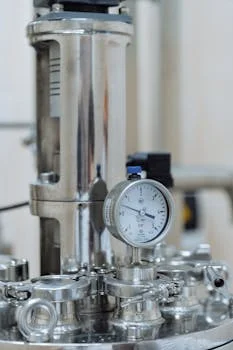
Membrane Bioreactor (MBR) systems utilizing PVDF membranes with 0.1 µm pore sizes achieve 99.9% removal of enteric pathogens in medical wastewater, providing a physical barrier that exceeds conventional clarification. HydropureWater DF Series MBR systems for hospital wastewater are engineered for high-strength effluent, maintaining energy efficiency benchmarks between 0.8 and 1.2 kWh/m³. The process flow begins with fine screening (1–2 mm) to protect the membranes, followed by an anoxic tank for denitrification and an aerobic membrane tank where biological degradation and ultrafiltration occur simultaneously. This integrated approach significantly reduces the system footprint, which is critical for urban Finnish hospitals with limited expansion space.
For hospitals with high concentrations of fats, oils, and grease (FOG) or high suspended solids from laundry and kitchen facilities, Dissolved Air Flotation (DAF) serves as an essential pre-treatment stage. The DAF pre-treatment for hospital effluent utilizes micro-bubbles to float particles to the surface for mechanical skimming. According to EPA 2023 data, DAF systems can remove 92–97% of TSS and up to 90% of FOG when optimized with appropriate coagulants. In a hospital setting, this protects downstream MBR units from fouling, extending membrane life by up to 30% and stabilizing the biological treatment performance.
Disinfection is the final, critical safeguard against antibiotic-resistant bacteria and viral pathogens. The chlorine dioxide disinfection for hospital wastewater is particularly effective because chlorine dioxide does not form harmful trihalomethanes (THMs) and remains active over a wide pH range. These generators produce a 99.99% kill rate for E. coli and enterococci, ensuring that residual levels remain below 0.2 mg/L to comply with WHO and Finnish health standards. For space-constrained clinics, compact treatment systems for space-constrained hospitals offer an alternative by integrating these stages into a single, modular skid.
| Technology | Key Specification | Removal Efficiency (Pathogens) | Energy Consumption |
|---|---|---|---|
| MBR (HydropureWater DF) | PVDF 0.1 µm pore size | 99% - 99.99% | 0.8 – 1.2 kWh/m³ |
| DAF | Hydraulic Loading 4–6 m/h | 60% - 80% (Parasites) | 0.2 – 0.4 kWh/m³ |
| ClO2 Gen | Residual < 0.2 mg/L | 99.99%+ (Bacteria/Viruses) | < 0.1 kWh/m³ |
| Ozone Oxidation | Dosage 5 – 15 mg/L | 99.9% (Inactivation) | 1.5 – 2.5 kWh/m³ |
Cost Breakdown: Hospital Wastewater Treatment in Finland
Capital expenditure for MBR-based hospital wastewater systems in Finland typically ranges from €150,000 to €500,000 for flow rates between 50 and 500 m³/day. These costs include the primary modular units, control systems (PLC/SCADA), and initial membrane sets. DAF systems, often used in conjunction with biological treatment for load equalization, range from €80,000 to €250,000 depending on hydraulic capacity (4–300 m³/h). While the initial investment for advanced systems is higher than basic septic or chemical dosing setups, the long-term viability is secured through compliance and reduced municipal discharge surcharges.
Operational expenditure (OPEX) is a critical factor for hospital facility managers budgeting for the 2025–2030 cycle. For MBR systems, OPEX typically falls between €0.25 and €0.40 per cubic meter treated. This includes electricity for aeration and permeate pumps, chemical cleaning (CIP) reagents, and a sinking fund for membrane replacement every 5 to 8 years. DAF systems operate at a lower OPEX of €0.10 to €0.20/m³, primarily driven by polymer and coagulant consumption. In Finland, the Ministry of Environment offers grants covering up to 50% of CAPEX for systems that demonstrably meet EU Best Available Techniques (BAT) standards, significantly lowering the barrier for entry for public healthcare providers.
ROI calculations for a 200-bed hospital (averaging 200 m³/day) illustrate the financial logic of on-site treatment. With an estimated CAPEX of €300,000 for an MBR system and annual OPEX of €25,000, the facility can avoid municipal "heavy loader" surcharges and potential non-compliance fines. In many Finnish municipalities, the cost of discharging raw hospital effluent into the public sewer is 2–3 times higher than domestic rates. By treating on-site to a high standard, the payback period often lands within 5 years, purely through avoided costs and risk mitigation.
| Cost Component | MBR System (50-500 m³/d) | DAF System (4-300 m³/h) | Compact Medical Unit |
|---|---|---|---|
| CAPEX Range | €150,000 – €500,000 | €80,000 – €250,000 | €50,000 – €120,000 |
| OPEX (per m³) | €0.25 – €0.40 | €0.10 – €0.20 | €0.15 – €0.30 |
| Maintenance Frequency | Quarterly | Monthly (Sludge/Chemicals) | Bi-annual |
| Grant Eligibility | High (EU BAT) | Moderate | High (Small Facilities) |
How to Choose the Right Treatment System for Your Finnish Hospital
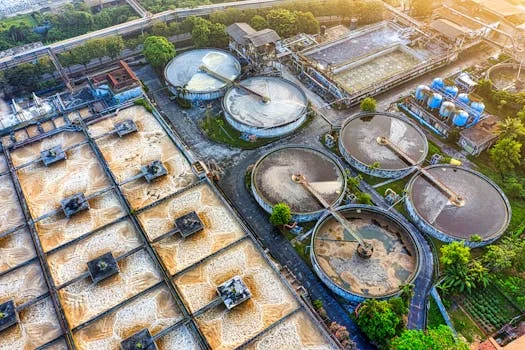
Selecting a treatment system for Finnish healthcare facilities depends on the specific contaminant profile, with MBR systems preferred for high-pathogen loads and DAF for heavy grease or suspended solids. A decision framework must begin with an audit of the hospital's departments. For example, a psychiatric facility or a general clinic with limited surgical suites may opt for a compact medical wastewater treatment for small hospitals. These compact units are ozone-based, require minimal footprint, and are priced competitively at approximately €50,000 CAPEX for a 50 m³/day capacity.
For large-scale university hospitals (500+ beds) with oncology, radiology, and intensive care units, a multi-stage approach is necessary. In these scenarios, engineers typically specify a DAF unit for primary solids removal, followed by an MBR for biological degradation and ultrafiltration, and finally a chlorine dioxide or UV stage for total disinfection. This configuration, while costing upwards of €800,000, ensures 99%+ removal of pharmaceuticals and pathogens, meeting the strictest ELY Centre requirements. The decision framework below assists procurement teams in narrowing technology choices based on site-specific constraints.
Decision Framework for Finnish Hospital Procurement:
- Is space limited? If yes, prioritize MBR or compact units over large-footprint clarifiers.
- Are pharmaceuticals the primary concern? If yes, MBR + Advanced Oxidation (Ozone/UV) is required to meet Decree 1044/2018.
- Is the discharge point a sensitive water body? If yes, tertiary treatment with ultrafiltration is mandatory.
- What is the available OPEX budget? DAF has lower chemical costs but higher sludge handling; MBR has higher power needs but superior effluent quality.
| Criteria | MBR System | DAF System | Compact (Ozone) |
|---|---|---|---|
| Footprint | Small/Medium | Medium/Large | Very Small |
| Pathogen Removal | Excellent (>99.9%) | Low (Physical only) | Excellent (>99.99%) |
| Pharma Removal | High | Low | Very High |
| Ease of Operation | Automated/Moderate | Manual/Chemical-heavy | Plug-and-Play |
Frequently Asked Questions
What are the discharge limits for hospital wastewater in Finland?
Under EU Directive 91/271/EEC and Finnish national standards, limits are typically COD <125 mg/L, BOD <25 mg/L, and TSS <35 mg/L. Specific permits from ELY Centres may add pharmaceutical-specific limits, such as diclofenac <0.1 µg/L.
How often do Finnish hospitals need to monitor wastewater?
Hospitals with more than 50 beds must perform weekly monitoring of key parameters. Smaller facilities may be permitted monthly monitoring, depending on the sensitivity of the local environment and the specific requirements of their discharge permit.
What’s the most cost-effective system for a 100-bed hospital?
The Medical Wastewater Treatment System is often the most cost-effective solution for mid-sized facilities, offering a CAPEX of approximately €100,000 and an OPEX of €0.15/m³ while ensuring compliance with disinfection standards.
Can hospital wastewater be reused in Finland?
Wastewater reuse is possible for non-potable applications like landscape irrigation or cooling towers, but it requires advanced treatment (MBR + Reverse Osmosis) and explicit approval from the ELY Centre to ensure zero pathogen risk.
What is the role of the ELY Centre in wastewater management?
The ELY Centre (Regional State Administrative Agency) acts as the regulatory body that reviews treatment system specifications, issues discharge permits, and monitors compliance with Finnish environmental laws.