Dosing Flocculant Flow Process Specs Troubleshooting for Industrial Plants
A flocculant dosing unit prepares and injects polymer into wastewater so suspended solids form settleable or floatable flocs. Typical dosing flocculant flow process specs troubleshooting starts with wetting to 0.1-0.5% concentration, 30-60 minutes of maturation at 300-500 RPM, then metering at ±1% accuracy. Downstream clarifiers usually run at 20-40 m/h surface loading for 95%+ TSS removal.
Weak flocculation shows up fast in permit data. In 2023, a textile plant in Gujarat, India, faced annual fines of ₹1.2M after TSS repeatedly exceeded Central Pollution Control Board limits. EPA 2024 discharge limits tighten to 30 mg/L for most industrial sectors and to 10 mg/L for sensitive watersheds. Manual slug dosing often swings between under-treatment and wasted polymer.
Pairing polymer feed with coagulant dosing systems for pre-flocculation treatment can cut chemical cost by 30-50% and lift TSS removal by up to 20%. Coagulants form micro-flocs; flocculants bridge them into shear-resistant aggregates. DAF systems for post-flocculation separation need buoyant flocs, while settlers need high settling velocity to stop carry-over.
What Is a Flocculant Dosing System?
A flocculant dosing system is the skid that wets, ages, and meters polymer into a wastewater line. It must hold viscosity without fish-eyes, keep dose within ±1%, and match the contact time of the flocculation zone. Undersized tanks or low-torque mixers are the usual root cause of undissolved clumps that clog pumps.
The wetting head sets product quality. Dry units use an eductor that holds vacuum and pulls powder into a high-velocity water jet. Liquid emulsion units rely on high-shear static mixers so the emulsion breaks and polymer chains activate. Materials must resist viscous polymer and any corrosivity in the carrier water.
| Component | Engineering Specifications | Selection Criteria |
|---|---|---|
| Wetting System | Dry: 2-5 kg/h eductor; Liquid: 10-100 L/h skid | Requires 3-5 bar water pressure for dry eductors |
| Mixing Tank | 1-5 m³ volume; 316L Stainless or HDPE | Min. 30-60 min residence time for full hydration |
| Agitator/Mixer | 0.5-2 kW power; 300-500 RPM speed | Variable Frequency Drive (VFD) for viscosity control |
| Dosing Pump | Diaphragm or Peristaltic; 0.1-50 L/h | ±1% accuracy; pressure rating up to 10 bar |
| Control Panel | PLC-based with HMI; PID control loops | Integration with turbidity or flow sensors |
High-duty plants often install pre-wired, PLC-controlled flocculant dosing skids for material compatibility. 316L stainless steel fits corrosive industrial water; HDPE suits milder food-grade service. Peristaltic pumps protect shear-sensitive polymers; diaphragm pumps handle higher injection pressure into pressurized mainlines.
How Does a Flocculant Preparation and Dosing System Work?
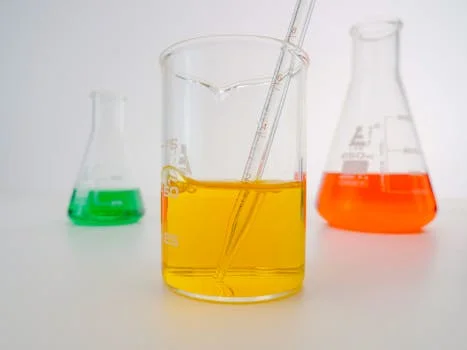
Preparation follows a fixed order so long-chain molecules stay extended and active. Short maturation leaves blind polymer that passes solids without binding. Operators who track dosing flocculant flow process specs troubleshooting against this sequence catch most failures early.
- Polymer Wetting: Dry polymer leaves the hopper into the wetting head. Keep the air-to-polymer ratio between 1:1 and 3:1 to limit clogging. Target a 0.1-0.3% pre-mix so dispersion stays even without extreme viscosity.
- Maturation: The pre-mix ages in the mixing tank for 30-60 minutes. Hold mixers at 300-500 RPM; speeds above 600 RPM can shear chains. A matured 0.5% solution usually sits at 50-200 cP (HydropureWater field data, 2025).
- Dosing and Injection: Matured solution moves to a holding chamber. Metering pumps inject into the wastewater stream. Calibrate pumps near 10% of maximum flow for a steady, low-pulse feed.
- Flocculation Zone: Allow 2-5 minutes of contact after injection. Keep the G-value between 30-60 s⁻¹. Too high shears flocs; too low cuts collision rate. Most polymers work best between pH 6 and 9.
- Clarification: Flocculated water enters the separator. With lamella clarifiers for high-surface-loading flocculation, hold surface loading at 20-40 m/h so large flocs settle before the effluent weir.
Compact plants that combine equalization, dosing, and clarification in one footprint can use an Underground Package Sewage Treatment Plant (WSZ Series) where polymer feed is only one stage of the train.
Dry vs. Liquid Flocculant Systems: Cost, Performance, and Maintenance Trade-offs
Dry powder and liquid emulsion grades change both OPEX and daily upkeep. Dry polymer ships more active mass per kilogram, yet needs more mechanical prep hardware. Liquid polymer is simpler to handle, but shelf life is shorter and cost per active kilogram is higher.
| Feature | Dry Polymer Systems | Liquid Emulsion Systems |
|---|---|---|
| CAPEX | $20,000 - $50,000 | $15,000 - $40,000 |
| OPEX (Chemical Cost) | $0.50 - $2.00 / kg (Active) | $1.00 - $3.00 / L (Product) |
| Maturation Time | 60 Minutes | 30 Minutes |
| TSS Removal Performance | 5-10% higher efficiency in high-TSS | Superior for oily or low-TSS wastewater |
| Maintenance Needs | Weekly eductor/hopper cleaning | Monthly pump/valve calibration |
| Storage Requirements | Dry, <25°C, <50% humidity | 5-30°C, freeze protection required |
Dry systems fit high-TSS streams above 500 mg/L in mining or heavy manufacturing, where a 5-10% performance gain shrinks sludge volume. Liquid systems suit tight rooms or oily wastewater that couples well with DAF systems for post-flocculation oil-water separation.
Troubleshooting Flocculant Dosing Units: Common Failures and Fixes
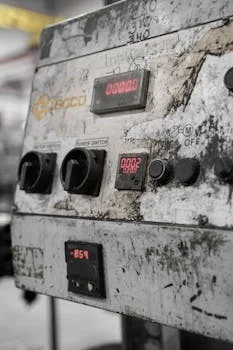
A dosing outage can push effluent out of permit within one shift. Use this check sequence before calling outside support.
- Symptom: Poor Floc Formation (Small or Fragile Flocs)
- Check: Is polymer concentration inside 0.1-0.5%? Is pH between 6 and 9?
- Action: Correct pre-treatment pH first. If concentration is right, lower mixer speed when RPM exceeds 500 to limit polymer shear.
- Symptom: Pump Clogging or "Loss of Prime"
- Check: Look for fish-eye buildup in the suction line. On dry units, inspect the eductor for moisture.
- Action: Flush with 10% citric acid for 30 minutes. Confirm the hopper heater still prevents powder clumping.
- Symptom: Excessive Chemical Consumption (Overdosing)
- Check: Verify pump calibration and whether the PLC sees true flow data.
- Action: Recalibrate near 10% of max pump flow. Clean fouled turbidity probes that can make the PLC overshoot dose.
- Symptom: Incomplete Hydration (Gel-like particles in tank)
- Check: Is maturation time under 30 minutes?
- Action: Raise residence time. Confirm target cP with a Brookfield viscometer; low viscosity means chains are not fully uncoiled.
- Symptom: High TSS in Final Effluent
- Check: Is clarifier surface loading above 40 m/h?
- Action: Cut influent flow or raise dose slightly to grow 1-5 mm flocs. If polishing uses MBR systems for advanced post-flocculation treatment, watch for polymer carry-over that blinds membranes.
Automation Levels: From Manual Feed to Sensor-Driven Dose
Plants move from manual to automated dosing to cut labor and polymer waste. Manual systems need operators to batch, age, and adjust feed by eye, which recreates the Gujarat-style TSS swings when staffing is thin. PLC panels with PID loops and turbidity or flow feedback hold the ±1% metering window listed in the component table.
Sensor-driven control also protects the 30-50% chemical-cost savings seen when coagulant and flocculant stages stay in balance. When a site needs dosing plus equalization and biological treatment in one buried package, the Underground Package Sewage Treatment Plant (WSZ Series) can host that train without a separate building.
Who This Is For / Who Should Look Elsewhere / Next Step
Who this is for: Plant engineers and operators who run industrial clarifiers or DAF units and need polymer make-down, dose accuracy, and a clear failure tree. It also helps buyers comparing dry versus liquid skids against the CAPEX and OPEX ranges above.
Who should look elsewhere: Teams selecting only biological reactors, membrane trains, or lime softening chemistry without a polymer flocculation step. Those topics need dedicated process pages beyond this dosing guide.
Next step: Map your TSS load, available footprint, and whether dry or liquid polymer fits storage limits, then size wetting, maturation, and pump ranges from the tables. If you want a skid matched to your flow and solids profile, share influent TSS, target effluent limit, and preferred polymer form for a sizing review.